
By Elyse Glickman
Listen to this Article
You’ve become such an accomplished traveler.

My mom would often say this at the end of our phone calls following my travel writing assignments. She would next ask what my “best bite” was. From there, we would laugh over unexpected travel inconveniences and compare our thoughts on different museums, attractions, restaurants, and interesting locals and travel companions.
Becoming a travel writer, meanwhile, was a journey in its own right as some people, including my mother and my teachers, felt I was not born with the “right wiring” for the demands of overseas travel. However, I had a determination to make travel a reality rather than a fantasy. I also had a set of tools that worked to my advantage most of the time, including heightened senses and a vivid imagination allowing me to convert my real-time experiences into words to share with others.
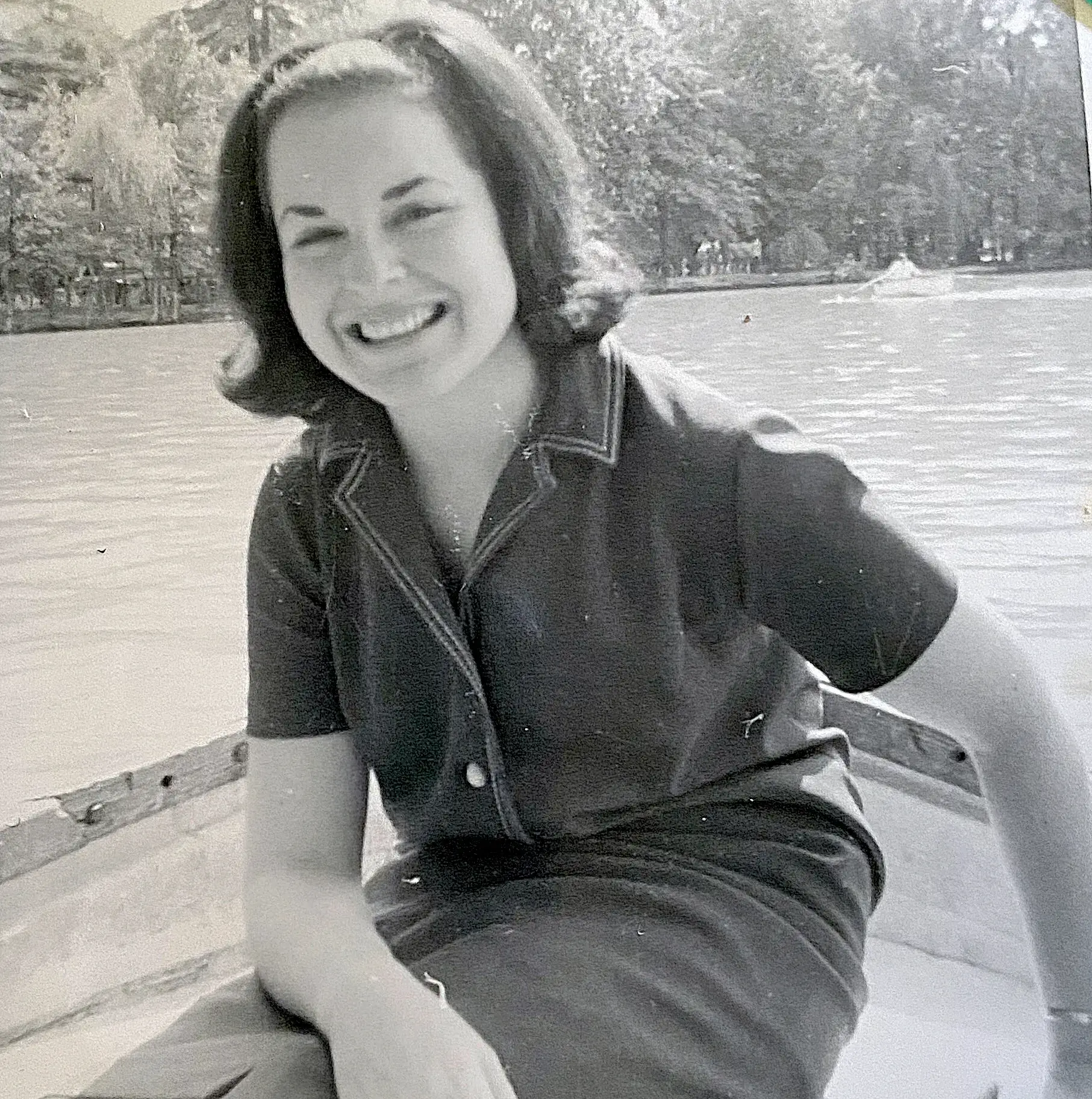
Fittingly enough, my interest in seeing the world began with a bedtime story that lasted nine months. It was read to me by my mother, who lived it. I was six when the bedtime stories began, ten years after she made her epic journey to Europe, starting in New York City in June 1965 aboard the original Queen Mary ocean liner and stretching from the British Isles to the Mediterranean and down into Israel. I would head to my parents’ bedroom after dinner for my daily departure.
Her stories about swinging London and the rest of Europe had me hooked. Her travel diary was open on her bed, alongside our family photo album and old-time “Airmail” letters on fragile light blue paper addressed to my grandparents. I did not know what I wanted to be when I grew up, but I knew international travel needed to be a part of my life. There was life beyond the Chicago suburbs, and I wanted in.
Mom painted a very cinematic picture of being a 22-year-old with the world literally at her feet, at the height of Beatlemania and an era when Hollywood movies depicting glamourous American expats in Paris, Rome, and Madrid sold lots of tickets. Wearing mod sheath dresses and perfectly flipped hair in her photos, she looked like she could have stepped out of “Mad Men.” Her mad storytelling skills made the pages come to life much like those movies. Later on, her diary served as a master class on how to create a personalized travel itinerary, pick trustworthy travel companions, converse with locals, how to vet hotels before booking them, and how to avoid pickpockets and overly friendly men.
I was also inspired by how well my mother worked a room during her years at the American Medical Association when assigned public relations and meeting planning tasks (under the “secretary” banner—this was the mid-1960s). She said her domestic trips were dress rehearsals for the Europe trip, refining her strategies for making friends during a journey and vetting local restaurants before booking group dinners. Once my mother’s antique business made a solid profit, there were a lot of family trips to Canada starting in 1979 that allowed me to observe her packing style and itinerary planning. In contrast to her packed schedules, which mirrored some press trips I have been on, I evolved into a proponent of quality experiences over quantity of boxes to check. Furthermore, I found itineraries tied to my favorite activities more meaningful, even if I missed an “essential” monument or museum to experience the real place in real time.




In spite of our shared wanderlust, my mom was concerned that as a woman on the spectrum, global travel would be too difficult for me to pursue, between earning enough money, having sufficient time off from corporate public relations jobs to travel, and being able to think on my feet under stress in some of those office settings. In 2002, however, opportunities at hospitality trade books and lifestyle magazines presented themselves through my co-workers at a hospitality-focused PR company where the bosses had me focus on writing press materials. It was here that I realized getting past the roadblocks to travel was less about forcing myself into a 9-to-5 office mold and more about finding my trailhead. Pivoting back to journalistic writing allowed me to be my true self. The editors I was introduced to allowed me to be fully invested in the assignments that required me to use my senses rather than adhere to a corporate writing style.
About 18 months after I landed my first freelance assignments, reviewing Los Angeles-area restaurants and interviewing bartenders about the emergent craft cocktail movement, I realized I was immersed in my special interest–restaurant cuisine and design. In late 2002, I went to bed in black-and-white Kansas and in mid-2003, woke up in technicolor Oz. Free from the constraints of a rigid corporate structure, my meticulous, opinionated, and research-driven mind shifted into gear. Making myself indispensable to my beverage trade magazine editor led to direct invitations to the Bacardi plantation in San Juan, Puerto Rico; Jalisco, one of Mexico’s tequila production areas; and British Columbia’s Okanagan wine region.
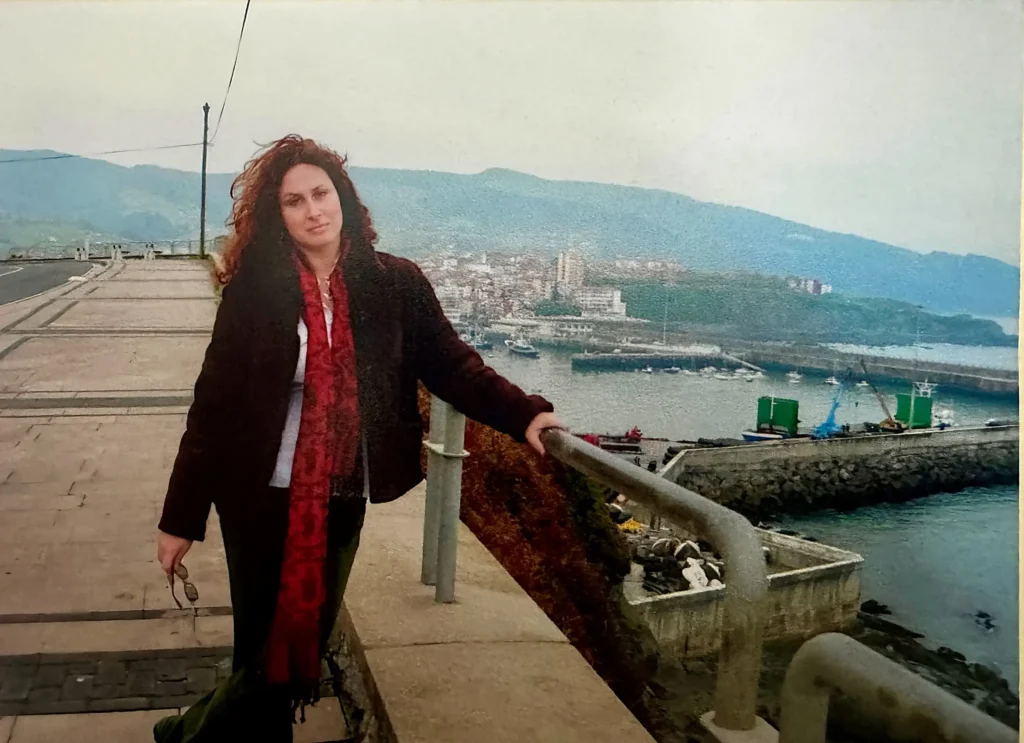
In November 2004, the editor rewarded my efforts with an offer to take her place on a press trip to Spain’s Rioja region, complete with five-star hotel stays and business-class flights. When I arrived in Bilbao, I did what any ambitious writer would do: Network with the more established writers who referred me to consumer magazine editors and advised me on how to turn my copious notes into breezy travelogues packed with information. I returned to L.A. armed with fresh story angles, exclusive unmapped trends, and other data that lent itself to good storytelling–even in a business magazine context.
I also made a few newbie mistakes when planning my post-press-trip stay in Barcelona that led to some misunderstandings: falling prey to owners of a tourist trip restaurant, getting lost in the Born district, and arguing with a desk clerk who insisted my reservation was not in the system. Still, I persevered and looked at the bigger picture. The stories I wrote about Basque country won raves from my editor, got the attention of other editors, and helped me score trips to Piemonte and Umbri less than a year later.


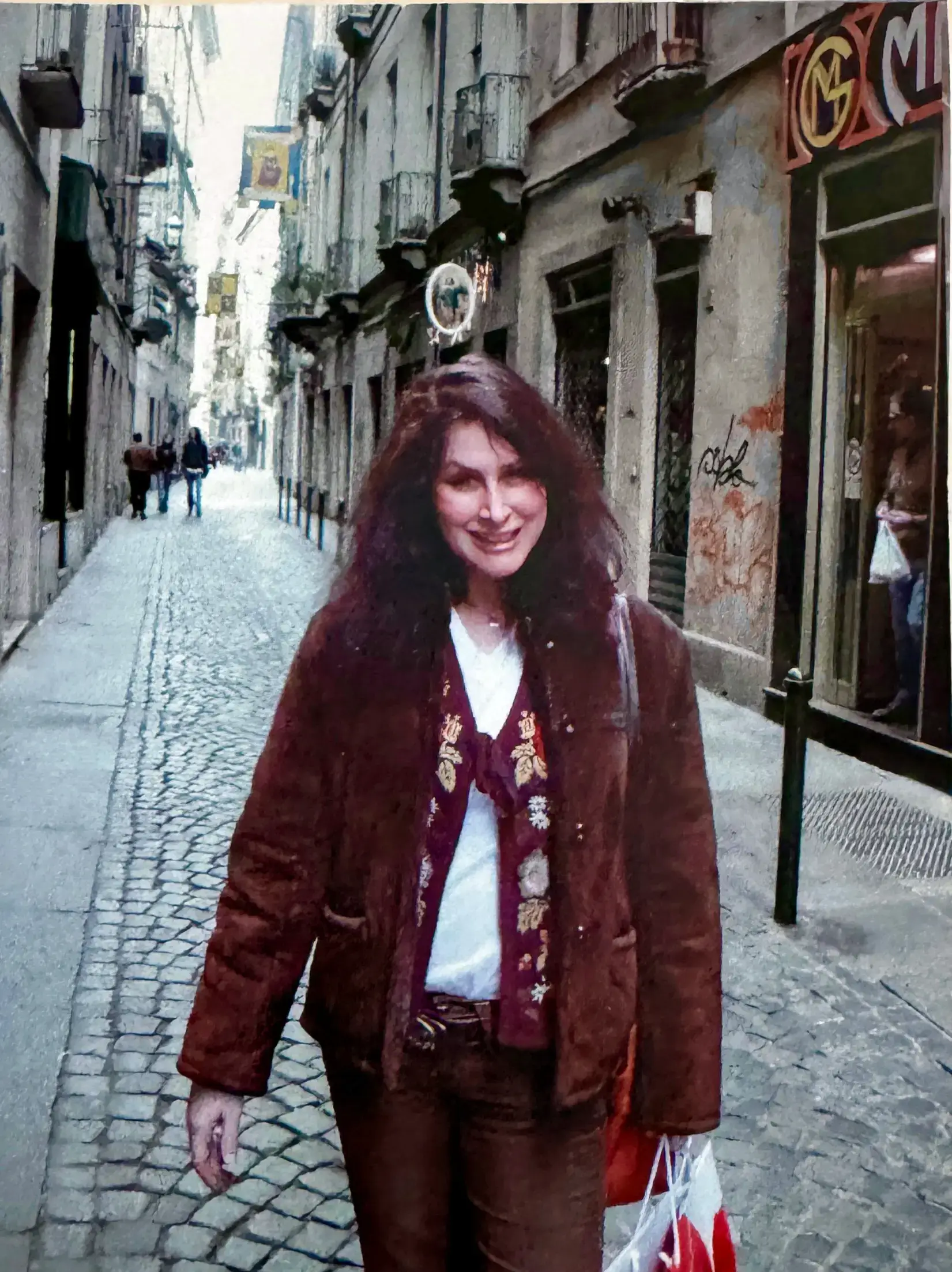

Looking back at the good and bad over 25 years of travel made me realize that having special interests could be a very good thing. Tapping into my heightened senses to develop the best material still allows me to focus on painting a picture for my readers. My mistakes, along with my mother’s, ended up being teachable moments that add up to skills and strategies anybody can use to mitigate circumstances that may ruin an otherwise good trip.
Welcome to The Neurodiverse Jetsetter, a column for open-minded and adventurous people who want to master trusting their instincts and common sense to be prepared for the unexpected. Simply put, when in doubt on the road, don’t. Taking a few extra steps when planning your trip, meanwhile, will result in your creating a personalized roadmap to make any trip memorable in the most positive ways.