
By Jacob Rosser and Jennifer Hartley
Listen to this Article
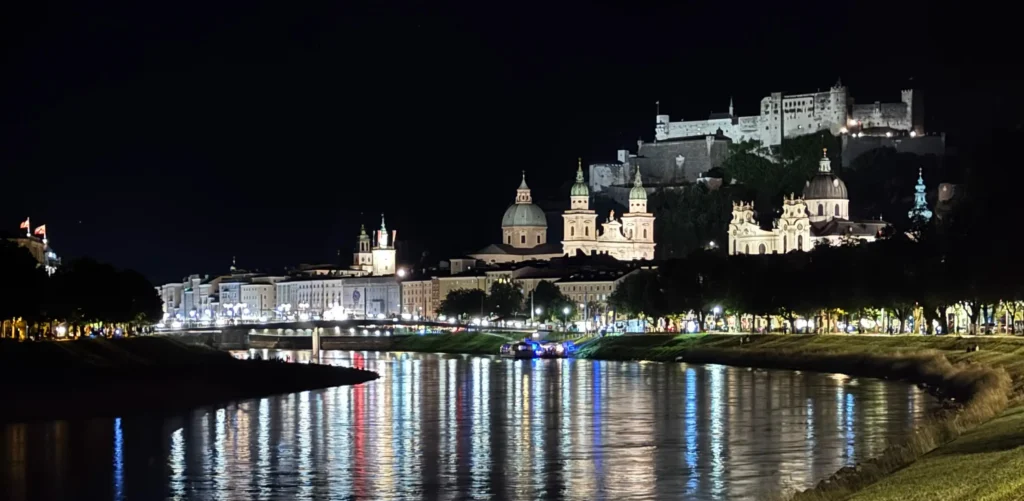
When most people think of Salzburg, Austria, images of Mozart’s birthplace or musical The Sound of Music pop into their mind. It certainly did for me — and truth be told those are pretty good reasons. But it turns out there is so much more to this enchanting city.
While much smaller than other Austrian cities (its population is roughly 157,000 versus over two million in Vienna), Salzburg is vibrant, steeped in history (founded in the seventh century) and oozes quaintness. The city became wealthy thanks to its “white gold” — salt. In fact Salzburg means salt (Salz) fortress (burg.) It was heavily bombed in WWII but much of the old town survived (thankfully) and was designated a UNESCO World Heritage site almost 30 years ago. UNESCO says Salzburg’s “extraordinarily rich urban fabric, developed over the period from the Middle Ages to the 19th century when it was a city-state ruled by a prince-archbishop” is the reason it has its designation.
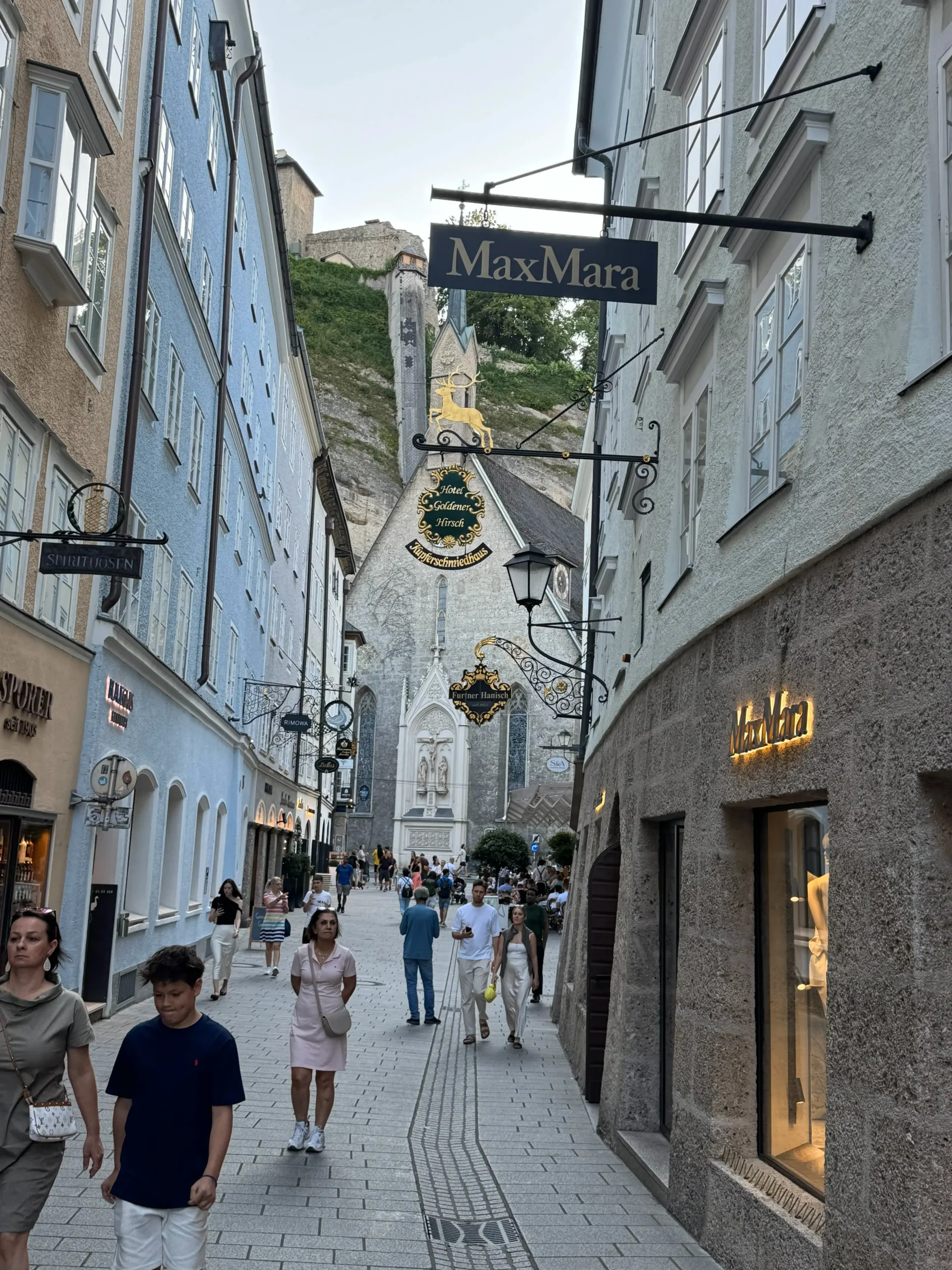
The city has stunning Baroque architecture (which I learned originated in 16th century Italy) and was brought to Salzburg by Prince Archbishop Wolf Dietrich von Raitenau (1559 – 1617.) So spend time wandering around the old town. The street Getreidgasse was a key trade route in the Middle Ages. Today, appropriately, it is a shopping area. (My mom loved that.)
Some of the stores sell religious symbols, especially around Domplatz where the incredible Salzburg Cathedral is located. It is a city that has been Catholic over millennia.
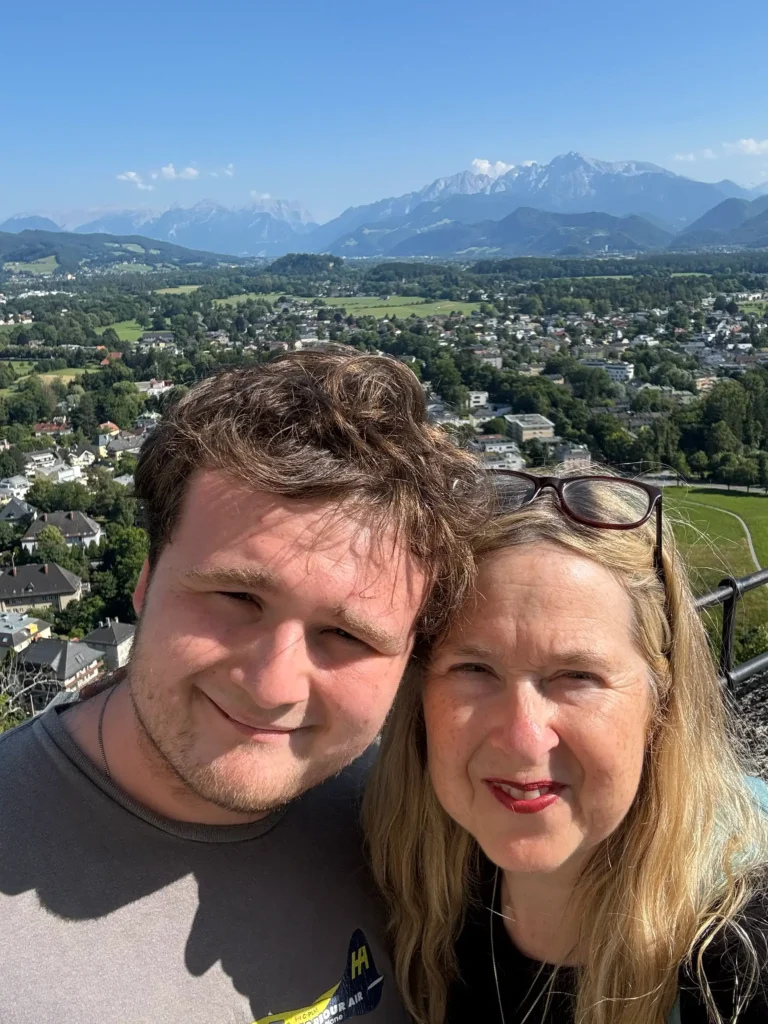
The 11th century Hohensalzburg Fortress is worth a visit, even just for the view of mountains. There are sections that are wheelchair access and it is fun to take the funicular, which travels up to the fortress every ten minutes. It is the oldest funicular in Austria – (in use since 1892 —Back then it powered by water.)
The Marionette Museum in the Fortress is fun for people of all ages and accessible.
I love marionettes and their creativity and there is a Marionette Theatre (located down in the town.) The Salzburg Marionette Theatre was named to the UNESCO Intangible Cultural Heritage List in 2016 due to its unique performance practice. (The marionette culture also received a nod in The Sound of Music.)
Speaking of which… even though it has a deep and rich cultural history, The Sound of Music introduced Salzburg to new audiences. You can take a bus tour of filming locations. While it may sound like a schmaltzy thing to do, it is actually a great way to see the surrounding area and learn about its history. The tour is three hours and includes stops to look at the mountains, the von Trapp house and the famous gazebo. The tour also heads to the Basilika St. Michael in the town of Mondsee, Austria, where the von Trapps were married in the movie. Even I sang along to the tunes in the bus.
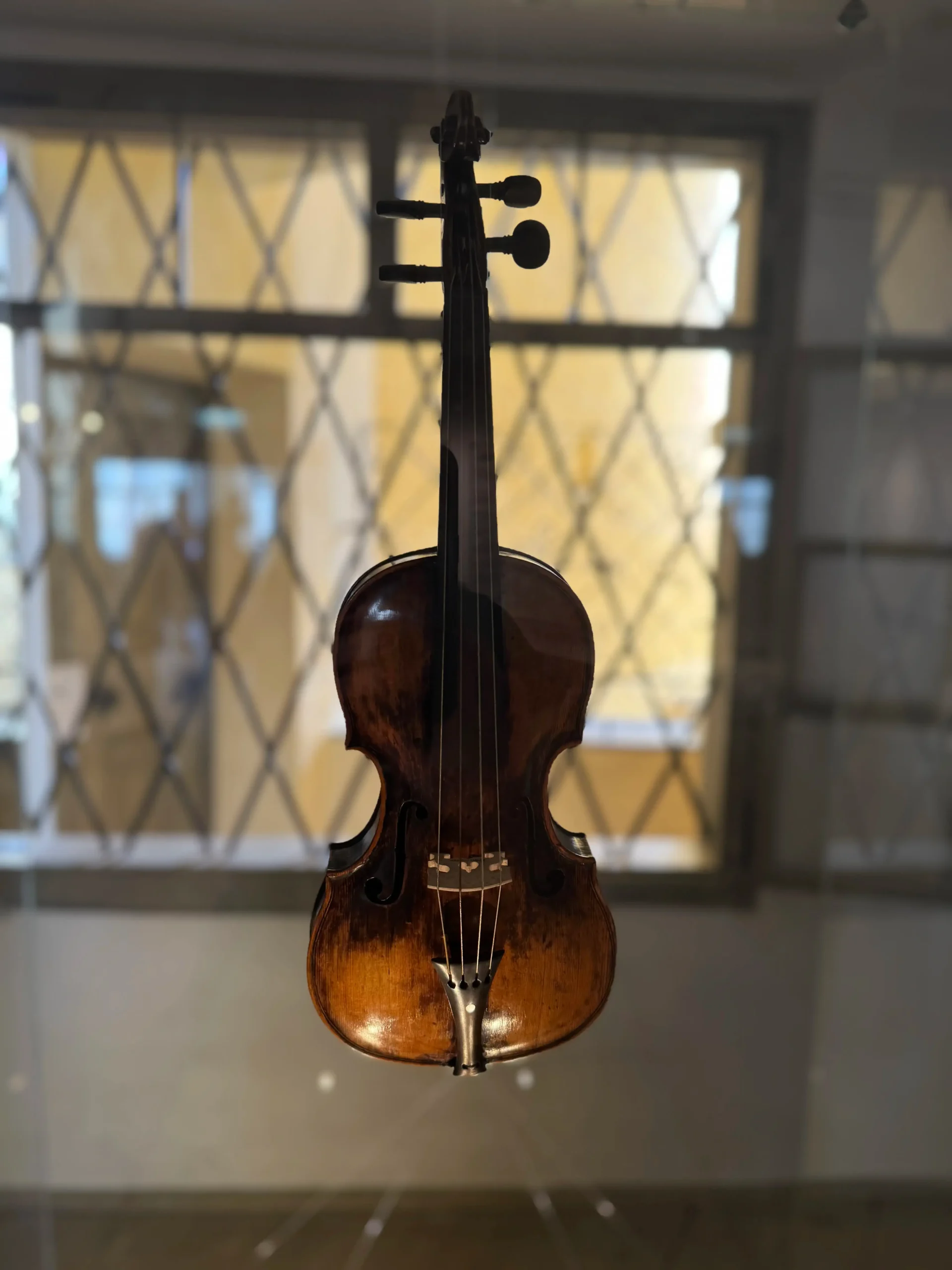
Salzburg is the birthplace of Wolfgang Amadeus Mozart and for any classical musician or history buff, a visit to the very room in which he was born — on January 27, 1756 — may seem like a religious experience. I took violin lessons as a kid (it didn’t end well but I still love the violin) and I love classical music so it really was magical to be in his house. (Sadly, it is not wheelchair accessible.) The house itself has been here since the 12th century and is located on Getreidgasse.
Foodie Paradise
I love food experiences (in fact I am currently auditing a food anthropology class at Camosun College in Victoria, B.C.)
Salzburg has a long culinary history, dating back to 803.
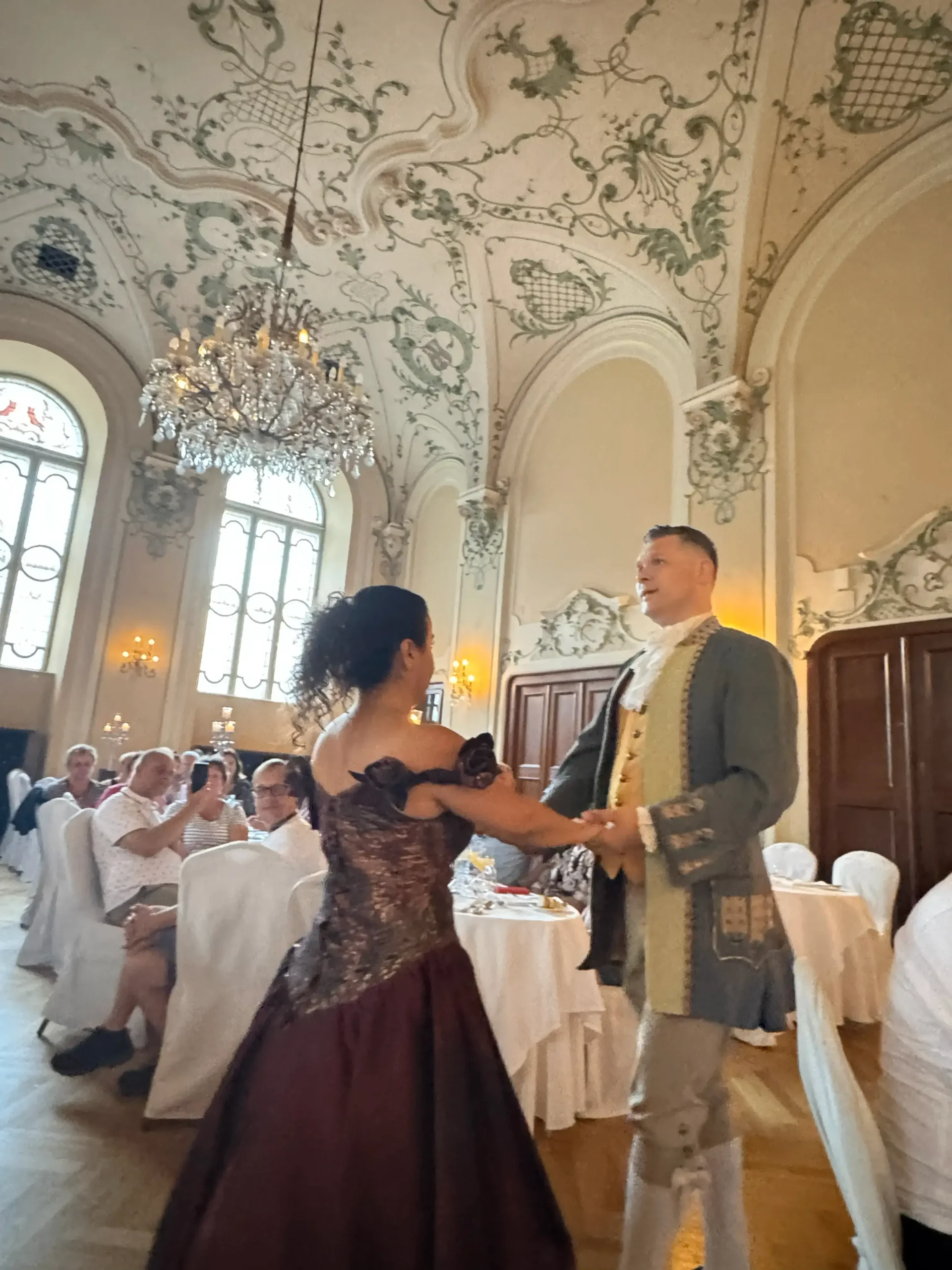
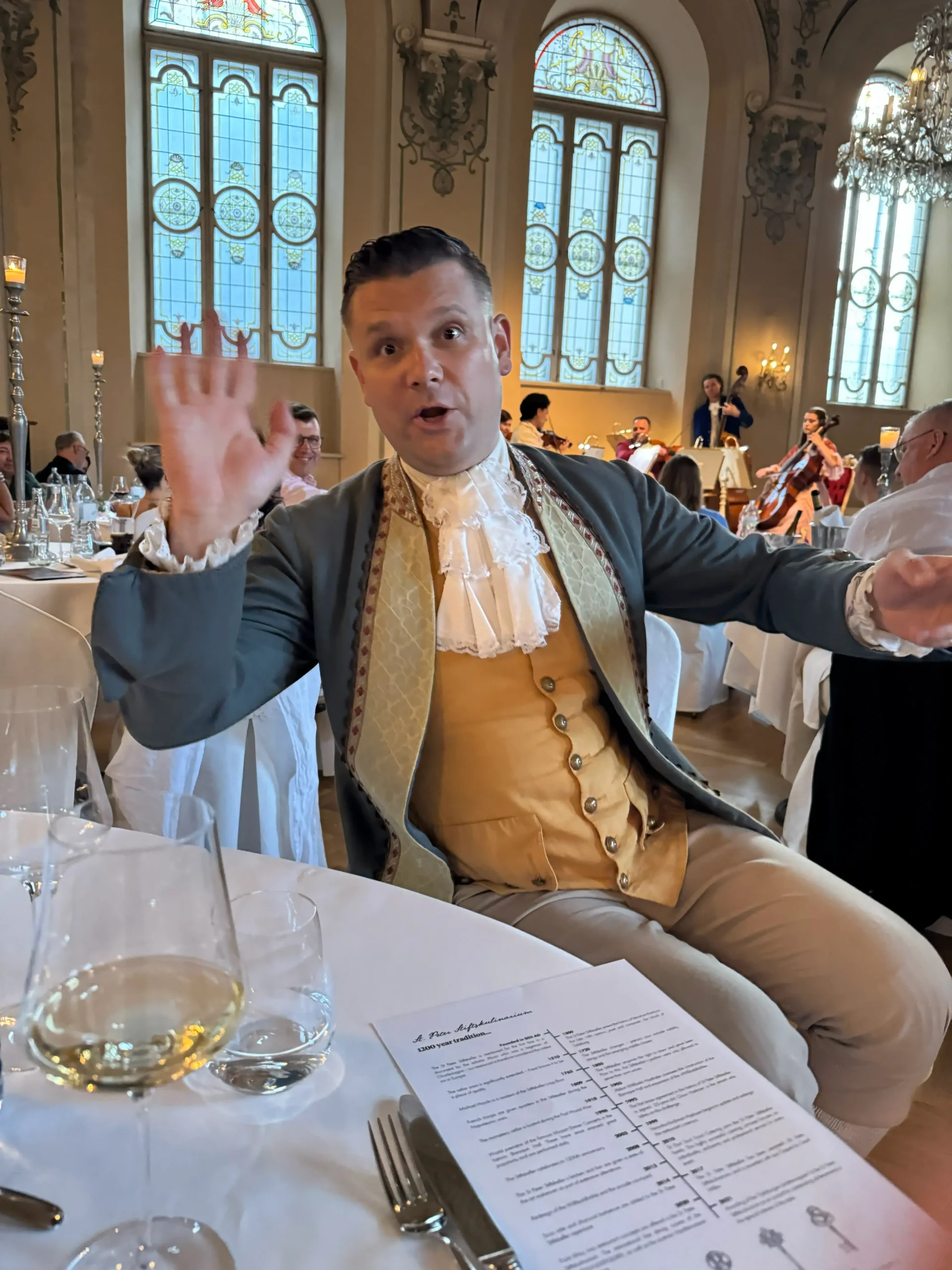
- The St. Peter Stiftskulinarium is a must. It is the oldest restaurant in Europe. Splurge on a Mozart Dinner Concert, based on meals of that time. You’ll dine on traditional recipes from Mozart’s time by candlelight while soaking up Mozart’s musical magic and if you are lucky, you might be serenaded by opera singers dressed in era clothing. (My mom was texting and they didn’t like that and interrupted her. It was funny.) (www.mozartdinnerconcert.com) It is an accessible venue.
- Any beer and bratwurst lover will revel in time spent at the Augustiner Bräustübl Tavern (www.augustinerbier.at) a beer hall with long wooden tables and huge kegs of beer offered in beer steins the size of a bottle of wine. It is the ultimate Oktoberfest experience that you can get year-round. The Tavern was founded by Augustinian monks in 1621. The beer has continued to be brewed according to the traditional recipe so it is pretty special.
- Gasthof Goldgasse offers a culinary history experience with delicious takes on recipes from 1719. The schnitzel (my mom ate that) and I loved the fried chicken.
- Make sure you try the Salzburger Nockerl, a traditional Austrian dessert, a light and airy sweet soufflé that is a culinary specialty of the city of Salzburg.
- Sacher-Torte? A must. It originates in Vienna, but you can get the cake here. (Hotel Sacher Salzburg)
- Breakfast at the Sheraton: It has the absolute best breakfast buffet (even has mimosas… my mom liked that.)
- Next time you pop open a Stigl beer or indulge in a Red Bull energy drink, you can tip your hat to Salzburg, as both originate from the area.
- Last but not least are Mozartkugel — little chocolates filled with pistachio marzipan and nougat. Get the original from the One and Only Original Salzburger Mozartkugel. Created in 1890 and they are still made by hand.
Salzburg is a stunning place. You could spend days hiking in the Alps, but locally there are numerous walking paths where you can experience the breathtaking beauty of the mountains.
The Mönchsberg is in the middle of Salzburg. It is a popular recreation area with forests and meadows and views. There are some accessible paths as well and incredible views. There is a modern art museum, too.
Sleep – A necessary interruption
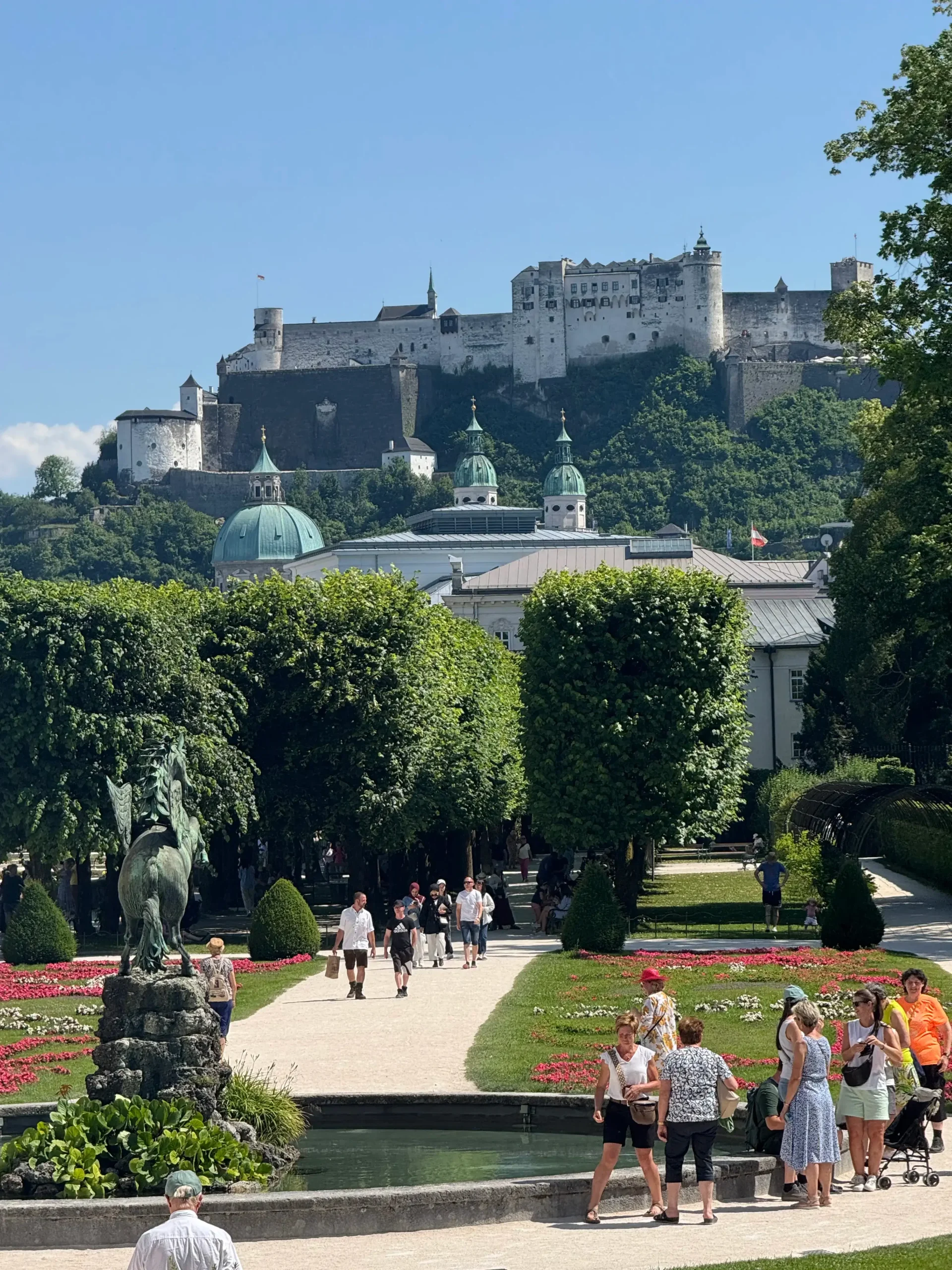
The Sheraton Grand Salzburg is everything you want. It is close to Mirabell Palace and Gardens (great for Sound of Music fans — it is where Maria and the kids dance around in Do Re Mi song and the song ends on its stairs.)
The hotel has all the amenities, including a gym (my mom liked that – a lot of hotels in Europe don’t have a gym.) Very, very accessible hotel and very friendly.
We discovered that you need at least a week to explore Salzburg. We were there two nights and three days and we barely skimmed the surface. And we loved every minute of it.
We are going back next summer and will provide further places to visit in this magical place. Stay tuned for Salzburg part two!
👇👇👇
Salzburg accessible guide.
Consider getting the Salzburg Card. It offers:
- one-time FREE admission to all city tourist attractions and museums
- free travel on public transportation (except s-railways / S-Bahn!)
- attractive discounts on cultural events and concerts
- additional discounts at many excursion destinations
- in some cases, express entrance without having to stand in line at the ticket window