
By Mike Clapper, CEO, Able2Global
Listen to this Article
Mike Clapper
CEO, Able2Global
Founder, The Inclusioneer Lab
After years of travelling as a wheelchair user, I stopped being surprised when things didn’t work.
Not because people didn’t care. Most of the time, they did.
But because the same problems kept showing up again and again. The hotel was almost right. The room was labelled accessible. The staff wanted to help, but didn’t quite know how. Something always broke down.
At first, I treated each moment like a one-off. A bad room. A missed detail. A misunderstanding.
Eventually, I realised it wasn’t random.
It was a pattern.
And once I saw the pattern, I couldn’t unsee it.
I didn’t set out to rethink travel. I was just trying to understand why the same moments kept happening to me, and to so many others.
Long before I had words for any of this, I felt it as a child at Walt Disney World.
Things just worked there. You didn’t have to fight the space. You didn’t have to ask for help at every turn. The experience carried you instead of pushing back.
One moment stands out. I was about nine or ten, riding Spaceship Earth at EPCOT. I already knew who Walt Disney was, but something clicked that day. The music. The lighting. The way the story unfolded.
I remember thinking something simple but powerful. Someone actually thought this through.
Not just the ride. The whole experience.
Walt Disney wasn’t just building attractions. He was building places where people felt considered. Where details mattered. Where the experience didn’t depend on luck.
As a wheelchair user, I noticed something else too. For a long time, Disney was one of the few places where accessibility felt like part of the experience, not an afterthought. It wasn’t perfect, but it felt intentional.
That stayed with me.
As I travelled more, I started paying closer attention to what made the difference between a place that worked and one that didn’t.
When a trip went well, it usually wasn’t because of one big thing. And when it went wrong, it wasn’t because of one small mistake.
It was the way the space was designed. The confidence, or lack thereof, of the staff members. And whether there was any plan when something unexpected happened.
I kept seeing the same three things over and over.
So, I built the Inclusioneer Framework to help the travel industry rethink accessible travel through the lived experience of disabled travellers.
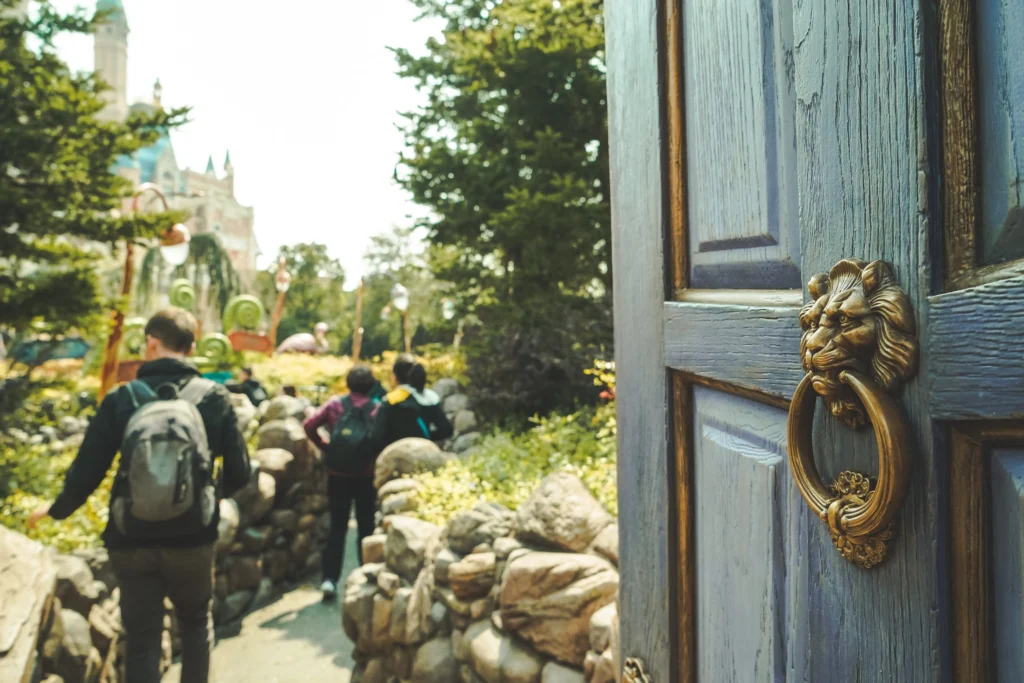
The first thing is design. When design works, you barely notice it. Movement feels natural. You’re not squeezing through doorways or planning every turn in advance. The space just makes sense. When it doesn’t, everything becomes harder than it needs to be.
The second thing is how employees show up. Kindness matters, but confidence matters too. There’s a big difference between someone who wants to help and someone who knows how. The pause. The apology with no solution. Those moments can undo an entire stay.
The third thing is whether there’s a system behind the scenes. Because inclusion can’t depend on one great employee or one good room. It has to work every time, no matter who’s on shift or what goes wrong.
None of this is extreme. It’s not fancy. It’s just thoughtful.
And thoughtful is what turns accessibility from a checkbox into an experience that actually works, for everyone.
Over time, this way of seeing travel stopped being something I could turn off. What started as a way to get through my own trips became something I felt responsible for sharing.
This is now my life’s work.
If you’re wondering how this journey began, it traces back to a moment on a cruise ship in Iceland. I shared that experience in my first article for Accessible Journeys in April of 2025. What you’re reading now is what grew from that moment.
Travel will keep changing. It always does.
The real question is whether it changes on purpose, or only after people, especially those with disabilities, are left behind.
Walt Disney once said, “It’s kind of fun to do the impossible.”
In travel, doing the impossible might simply mean building experiences where no guest feels like an afterthought.
That future is closer than we think, if we’re willing to see travel from the guest up.