
Listen to this Article
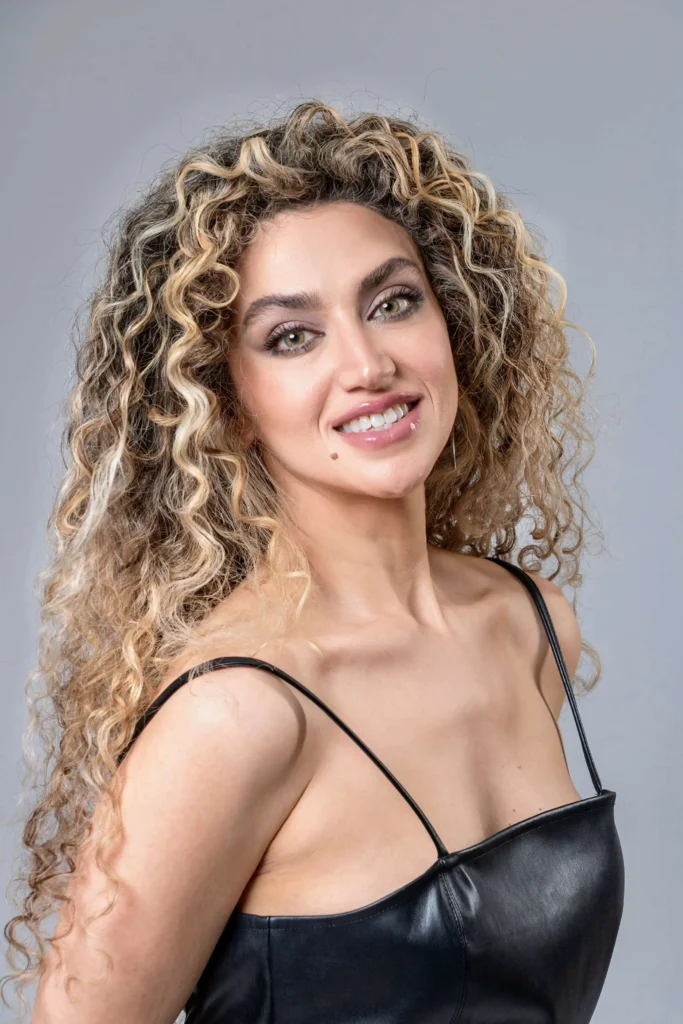
Mah Mooni is a multilingual singer, songwriter, and activist from Iran, now based in Brazil. Since migrating in 2012, she has used her music, poetry, and performance to speak out for women’s rights, bodily autonomy, and the dignity of people with disabilities. Her work bridges cultures and challenges the narratives that silence marginalized voices. Shaped by the contrast between restrictive environments in Iran and the inclusive communities she discovered in Brazil, Mah’s artistic journey is rooted in resilience and freedom of expression. In the Q&A that follows, she reflects on travel, accessibility, identity, and the transformative power of being truly seen.
As someone who advocates for women and people with disabilities what does accessible travel mean to you on a deeper, human level?
Accessible travel, to me, is about dignity. It means allowing every person — regardless of disability, gender, or background — to move through the world without fear, shame, or limitation. It’s about creating conditions where people can express themselves, explore safely, and feel seen. At its core, accessibility is not only a physical structure but a cultural attitude: a willingness to include, to listen, and to adapt.
Share a travel experience that profoundly changed how you see the world or your role in it?
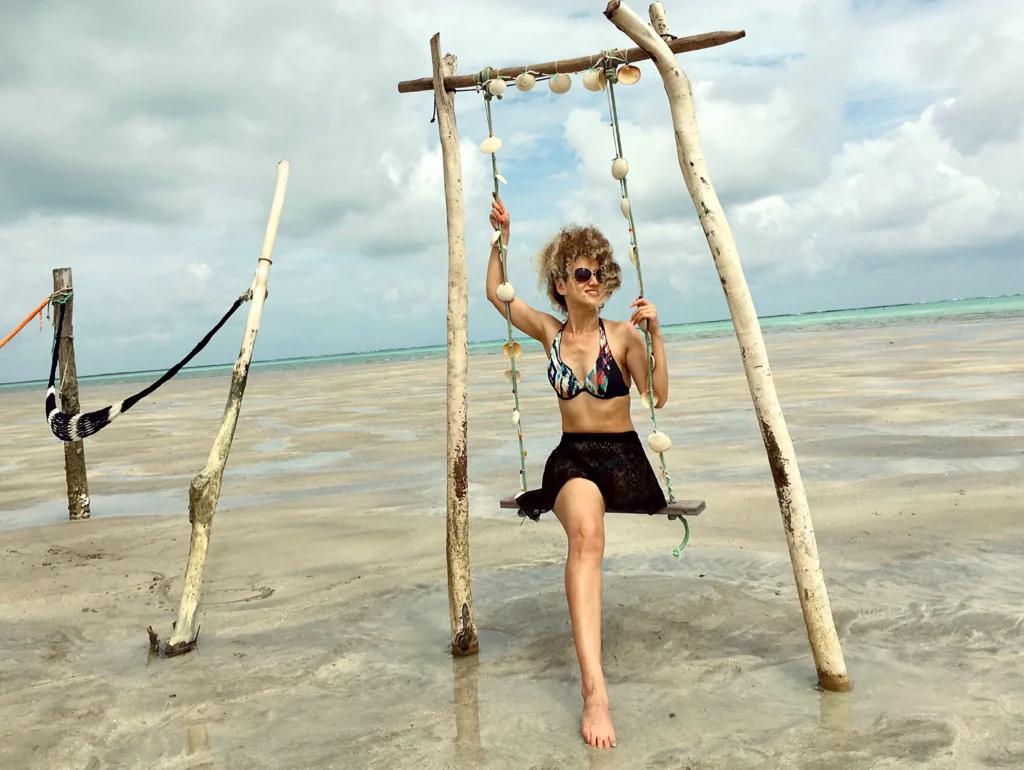
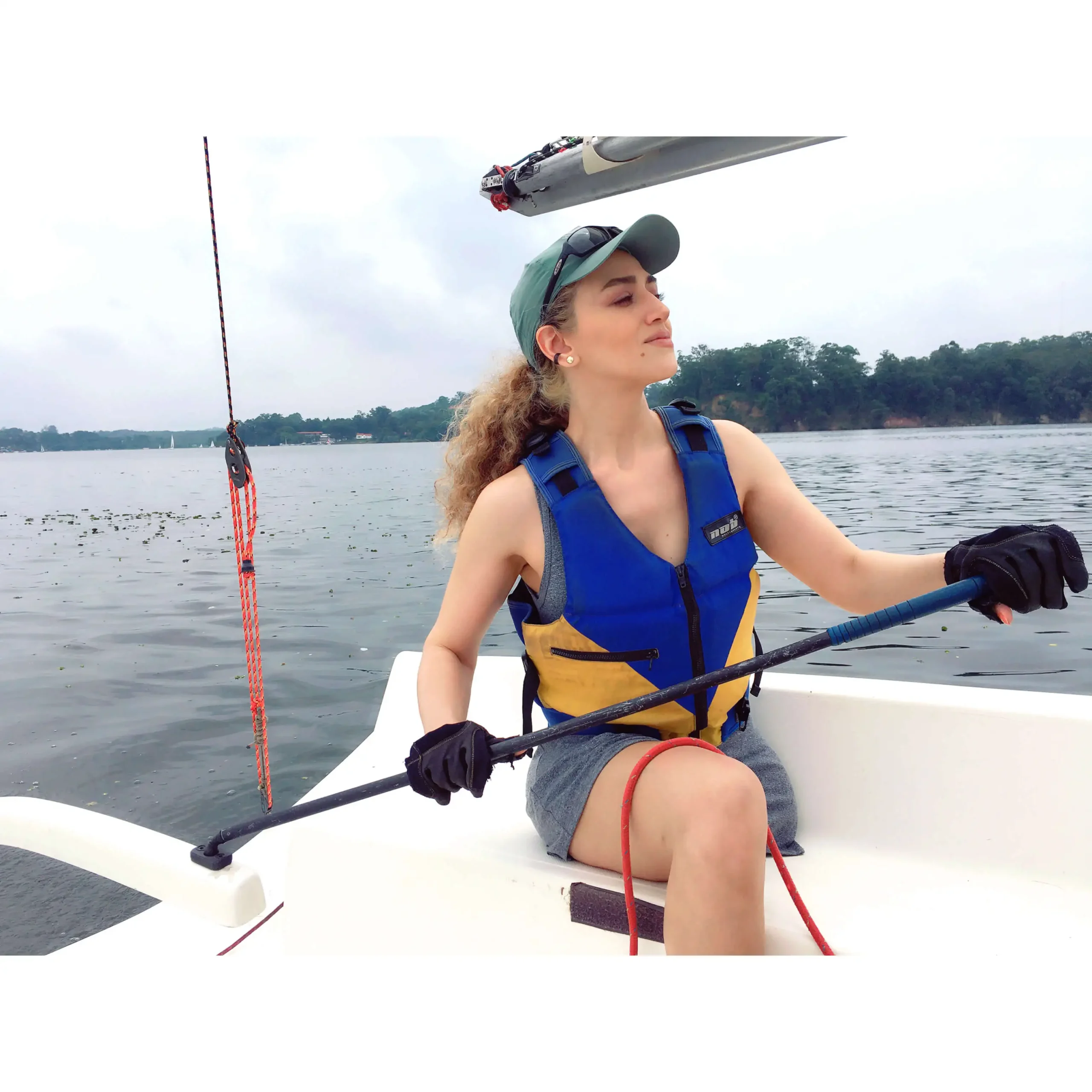
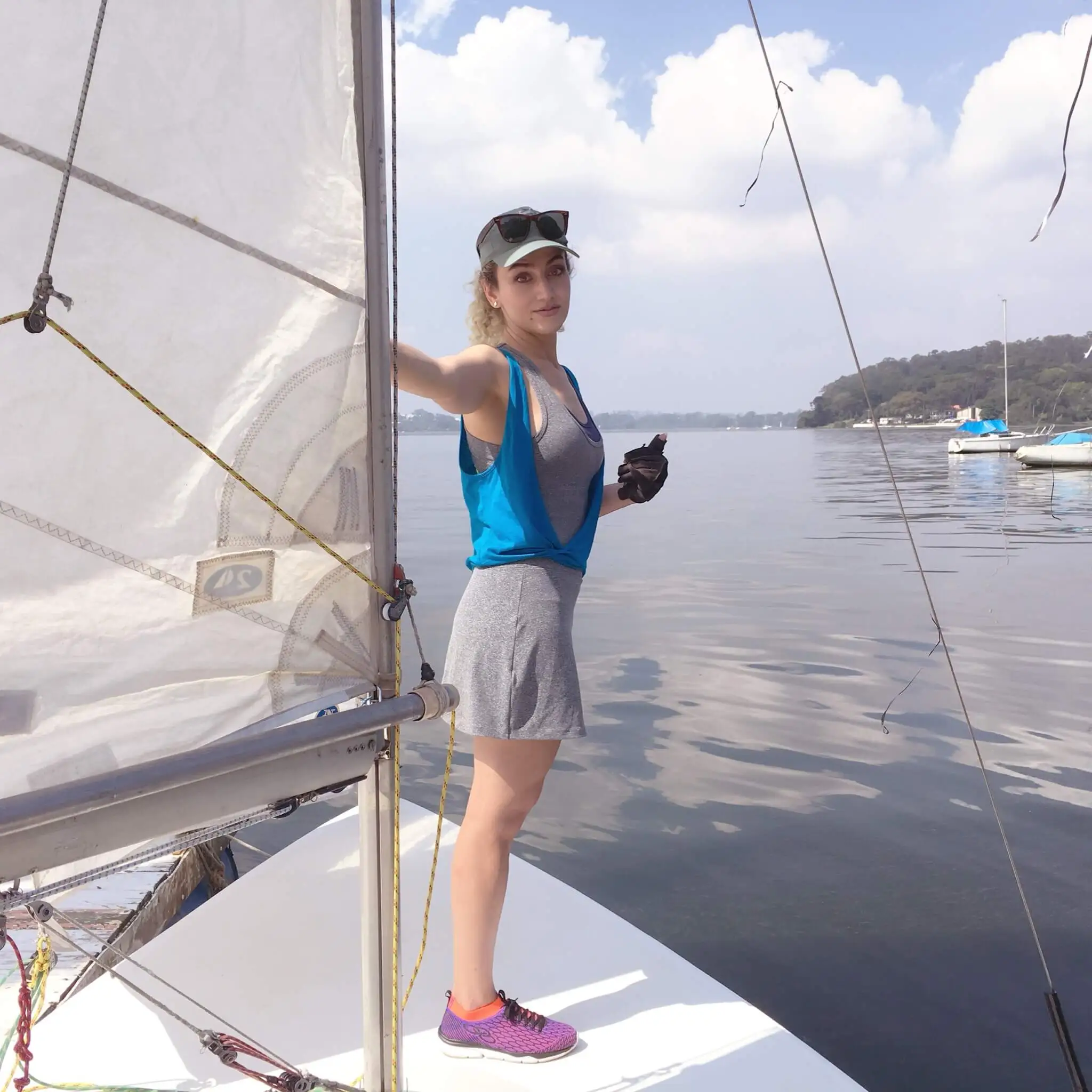
My first trip to Rio de Janeiro after migrating to Brazil changed my life. It was the first place where I saw such a beautiful diversity of bodies — all shapes, all colors, all kinds of people simply existing freely. I sailed on an adapted sailboat built for Rio Olympic Games 2016.
I swam in the ocean for the first time since leaving Iran, and I felt something I had never felt before: freedom without explanation. That experience reshaped how I see my mission as an artist: to remind people that freedom is a human right, not a privilege.
This travel experience was completely different and in contrast to the one I had in Iran.
Traveling inside Iran was extremely difficult for me as a woman with a disability. There is very little accessibility, and basic facilities make independent movement almost impossible. Socially, I often faced intrusive stares and deeply harmful religious beliefs that framed disability as “divine punishment.”
The contrast with my later travels abroad changed me profoundly. In countries where disability is seen as part of human diversity, I felt dignity for the first time. This shift – from being viewed as a “problem” to being seen as a person – transformed my understanding of the world and my role within it.
Music has taken you to many places. What are some inspiring or inclusive communities you’ve encountered while performing?
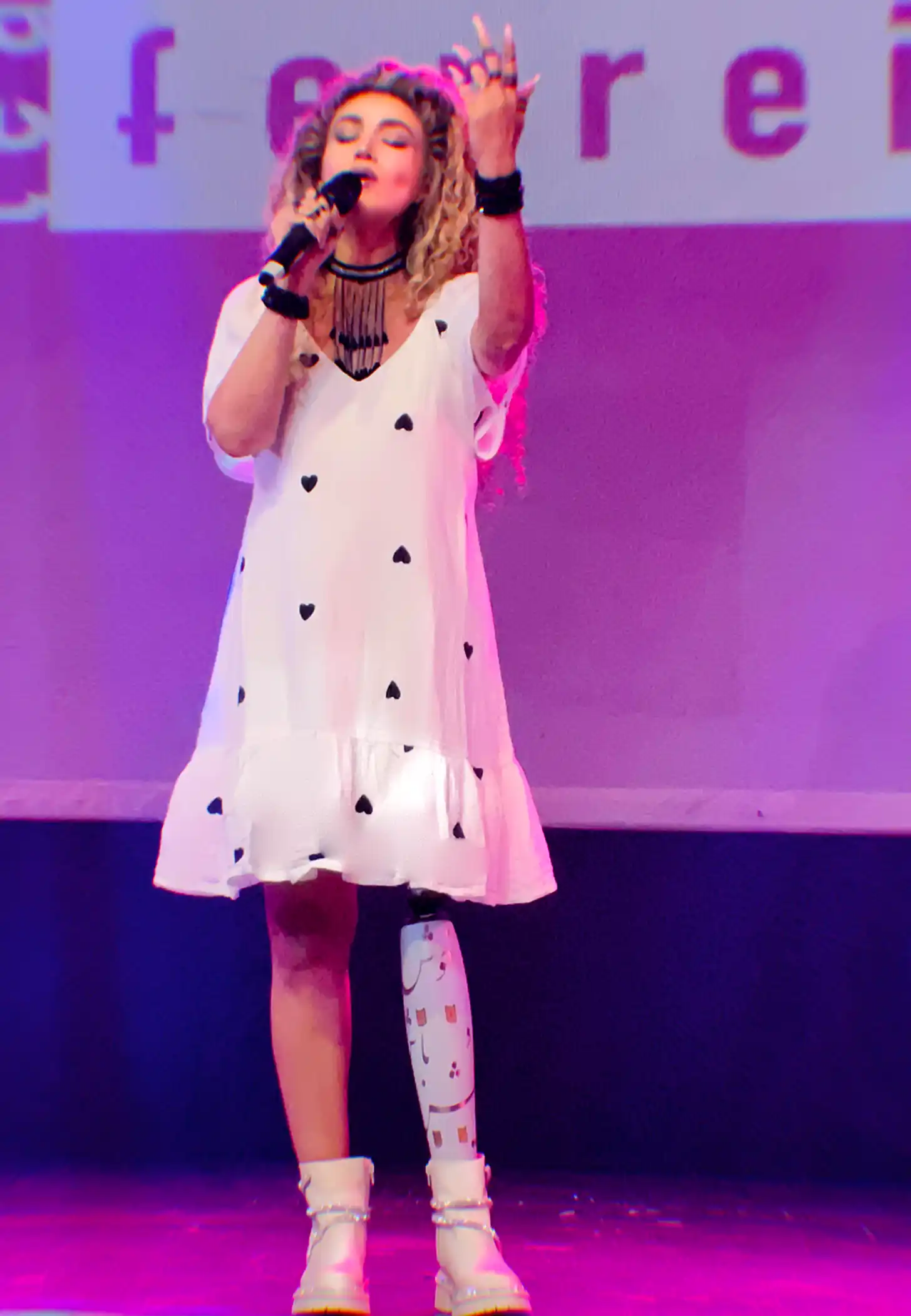
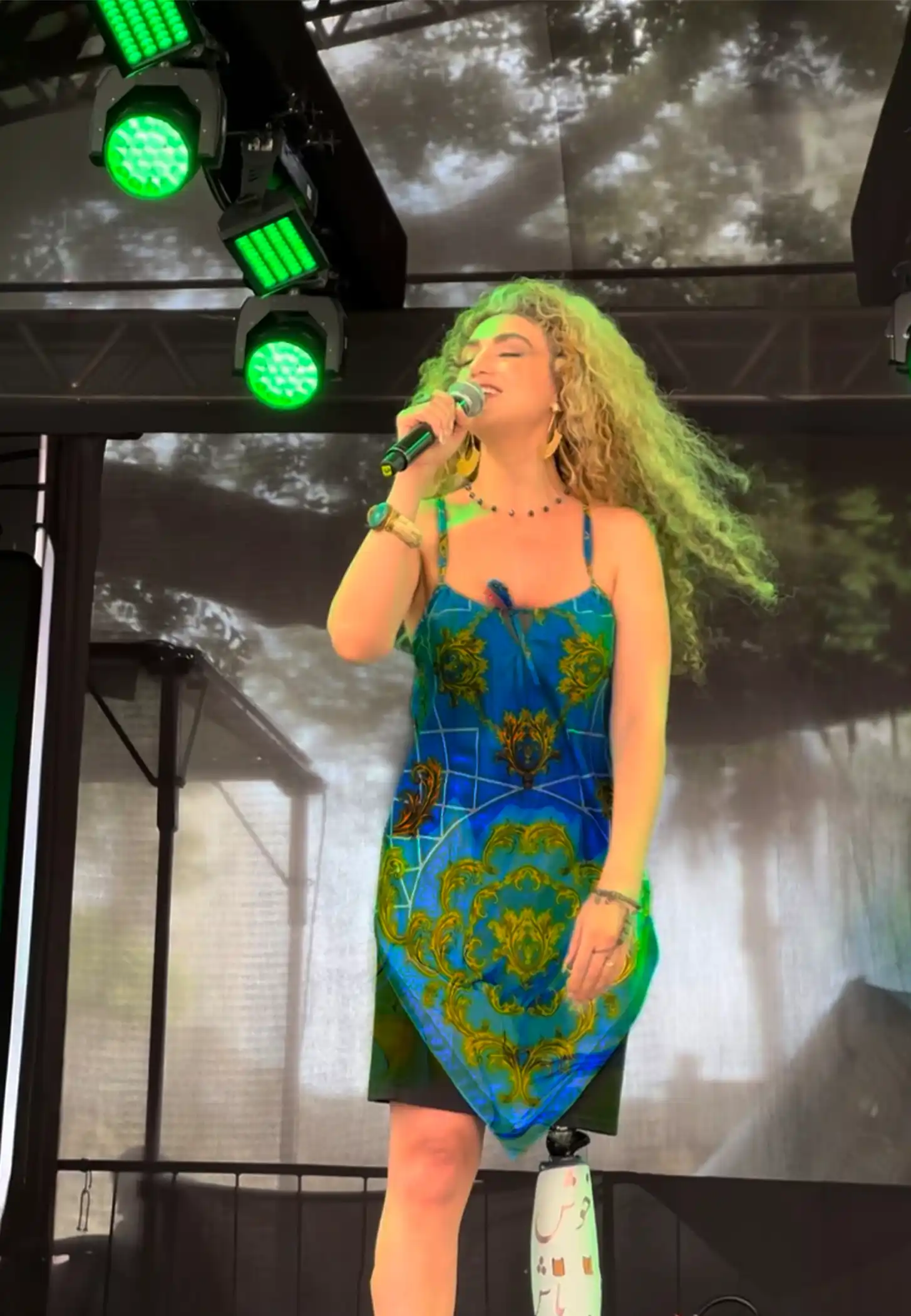
Brazilian audiences have embraced me in a way I never expected. The artistic communities in São Paulo, Rio, and Salvador — especially feminist, queer, and immigrant collectives — have created spaces where I can perform in Persian and Portuguese without needing to justify my identity. These are places where differences are not erased, but celebrated.
What challenges have you faced as a woman and activist traveling or performing in countries with different restrictions?
Coming from Iran, I am no stranger to censorship, gender-based restrictions, and the political risks of being an outspoken woman. Even outside Iran, I carry the emotional weight of that past. Traveling or performing in places with conservative or restrictive rules sometimes brings back those memories. There are moments when I need to explain my existence, my art, or even my clothing. But these challenges only strengthen my commitment to speak louder, sing clearer, and stand taller.
What message would you give to people with disabilities or social barriers who hesitate to travel?
You deserve to see the world — not later, not “one day,” but now. Start small, start local, start with support — but start. The world needs to adapt to you, not the other way around. And sometimes, the journey that feels impossible becomes the one that changes you forever.
What is one place you visited that made you feel completely free, and what about it gave you that feeling?
Rio de Janeiro. The ocean, the movement of the waves, the diversity of bodies, the accessibility changes in city’s infrastructure,the rhythm of the city — everything allowed me to breathe differently. Sailing in Rio and swimming freely made me understand what “freedom” feels like in my body.
If you could plan your dream accessible world tour, what would be your top three destinations and why?
- Toronto— for its deep multicultural culture atmosphere and the emotional connection I feel with Persian community .
- NewYork— for its strong artistic communities and the creative dialogue between diaspora
- Berlin— for its accessibility and being the capital of electronic music which is a big part of my artistic career.
How does traveling keep the spirit of freedom of expression alive for you?
Traveling constantly reminds me that there is more than one way to live. When I move through different cultures, languages, and landscapes, I feel the permission to redefine myself — to sing differently, to think differently, to speak my truth with more courage. Travel keeps my voice alive.
How can women support one another while traveling across language and cultural barriers?
By practicing solidarity without judgment. A smile, a shared piece of information, a gesture of care — these small connections build a global network of sisterhood. We don’t need to speak the same language to protect one another or coming from same culture, sometimes women need to be heard more than any actions when not possible.
What would you say to women who feel that travel is “not for them” because of disability, age, or social expectations?
Your life belongs to you, not to society’s expectations. You do not owe the world a perfectbody, a young body, or an “acceptable” life story. What you owe yourself is experience, joy, and freedom. If the world tries to limit you, go anyway.
What destination would you love to visit next?
I dream of returning to my homeland and performing there — singing freely in the place where my voice was once silenced ,to walk its streets, feel its sun, and perform for the people who shaped me. But because of my political and women’s rights activism, I cannot go back.
So the place I wish to visit most is the only place I am forbidden to enter, and that makes the longing even deeper.
Her thoughts on travel
Travel is not merely movement across space; it is movement toward yourself. Every trip, every encounter, and every challenge shapes who you become. As women, immigrants, and people who fight for justice, we deserve to take up space everywhere we go.
After migrating to Brazil, my performance opportunities expanded, and each destination taught me something new about accessibility and inclusion. My experiences here have been mixed.
Although I was invited to perform in many cities, a lack of accessibility in some venues has sometimes led to my exclusion. When producers discover that a venue cannot provide proper access—or that my participation would require additional support, such as accommodation for an accompanying person—they occasionally withdraw the invitation due to budget or logistical concerns. Each of these moments is a painful reminder of how easily artists with disabilities can be sidelined.
Ultimately, the most inspiring communities and venues are those that view accessibility not as a favor, but as a fundamental right. These spaces allow me not only to perform, but to exist with dignity and independence—and that has been the most meaningful element of my artistic journey.
Mah Mooni’s five tips for female travellers with disabilities
- Plan,but don’t over-plan — allow room for spontaneity
- Research accessibility honestly, using real reviews from other disabled
- Learnone emergency sentence in the local language — it builds
- Travelwith tools that support your independence, even small
- Choosedestinations with strong community support, not just physical