
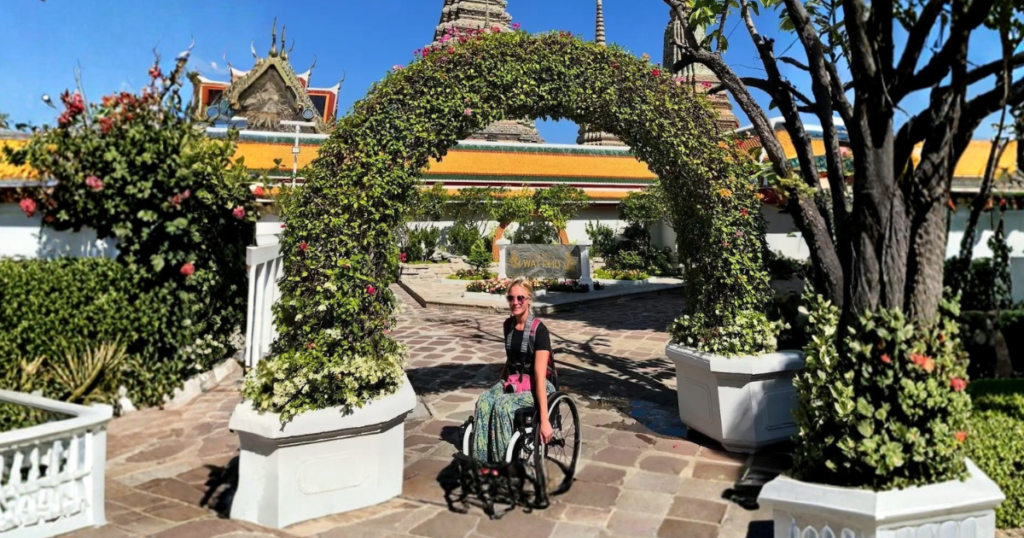
Listen to this Article
Six and a half years ago, Kendra Erhardt lay in a hospital bed, crying as she mentally listed places she believed she would never see again. A downhill skiing accident had left her with a T10 spinal cord injury, and she had become a full-time wheelchair user almost overnight. In those early days, nothing felt familiar. Every task required thought, patience and repetition. Travel, once a constant in her life, felt especially distant. At that moment, she believed her life of travelling had come to an end.
That sense of loss cut deeply because travel had once been simple. Before her injury, she travelled with ease and little structure. She would choose a destination, book a flight and accommodation for the first few nights, then decide what came next after arriving. Plans were loose. Spontaneity shaped her experiences. That version of travel disappeared after her injury, replaced by a reality where preparation became essential rather than optional.
A shift began during inpatient rehabilitation. Peer-led education sessions covered different aspects of life with a spinal cord injury, and one presentation focused on accessible travel. Kendra counted down the days until it took place. The session introduced an idea she had not yet allowed herself to fully consider: travel was still possible. Wheelchair use did not automatically close the world off. That realization changed how she viewed her future. She began seeking accessible travel resources online and on social media, finding reassurance in the experiences of other wheelchair users who were already navigating airports, resorts and unfamiliar cities.
The first few years after her injury felt limiting. Daily life required constant adjustment, and long-term plans felt difficult to imagine. During that period, having something to look forward to mattered, even when travel felt far away. Learning that accessible travel existed gave her a focus and a reason to think ahead, helping shift her attention from what felt unreachable to what might become possible with time. As she gained experience, those early hopes became grounded in research, planning and lived understanding rather than spontaneity alone.
That progression has since come full circle. Kendra now gives accessible travel presentations in rehabilitation settings, drawing directly from her own experience. She shares practical information and speaks to the same concerns she once carried herself, showing others adjusting to life in a wheelchair that travel remains possible, even if it requires a different approach.
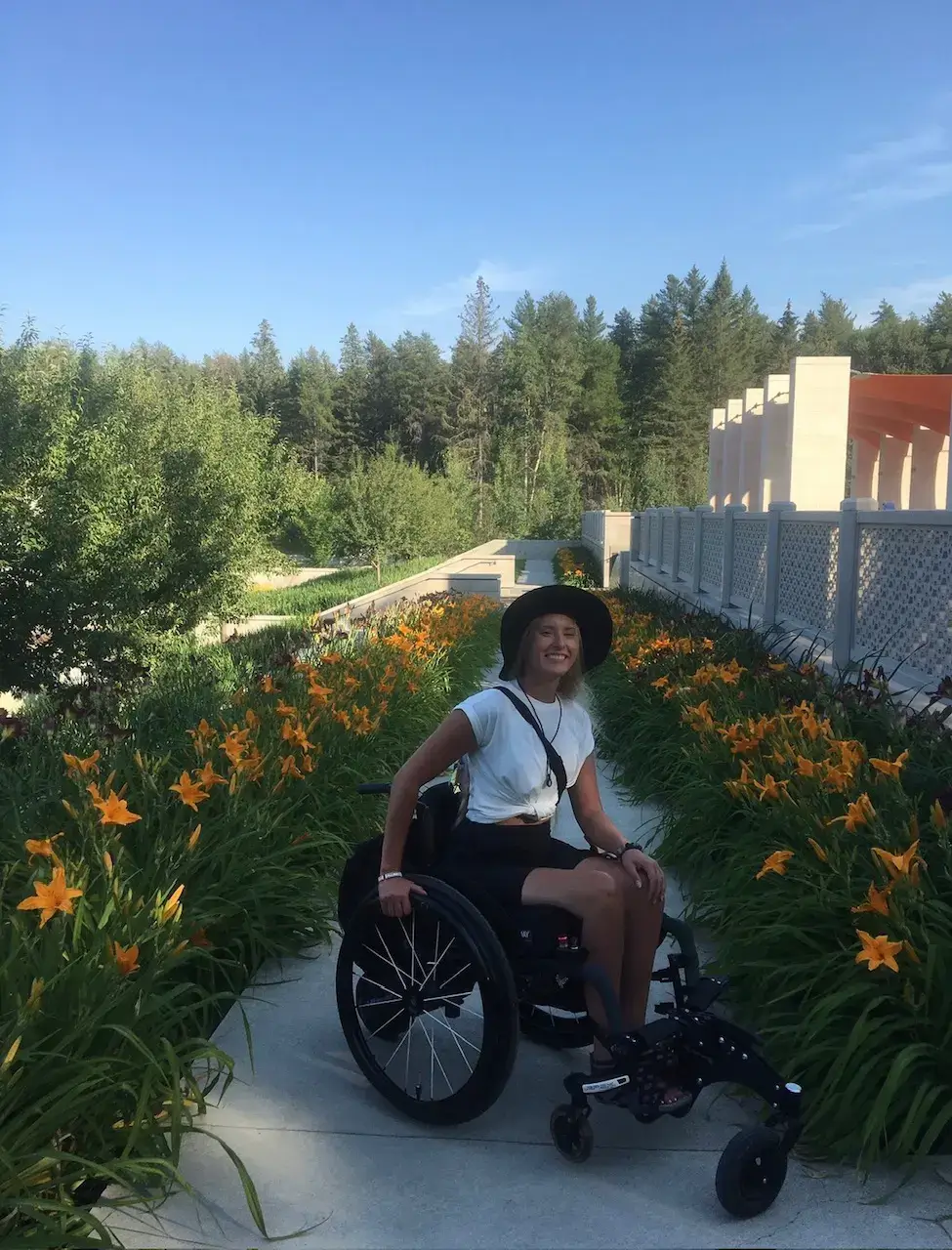
Travel planning today looks nothing like it once did. Each trip involves researching local infrastructure, topography and cultural attitudes toward disability, along with careful consideration of how accessibility is defined in that destination. Written descriptions often fall short, so confirming details directly has become routine. Some accessibility features are essential. Others can be adapted. Experience has taught her how to tell the difference. While planning requires more effort than before, she enjoys the research process, particularly when preparing for destinations that sit slightly outside well-established routes.
Inspired by the resources she once searched for herself, Kendra created WheelieGirlTravel to document her experiences and share practical information. Her blog and social platforms focus on living with a spinal cord injury and navigating the realities of accessible travel, offering an honest look at what preparation involves and what is realistically workable.
Before her injury, she often travelled solo. Now, travelling with family, friends or her partner feels far less stressful, especially when unexpected accessibility challenges arise. Extra hands help navigate obstacles and manage luggage, since travelling as a wheelchair user requires more equipment and supplies, something she readily acknowledges alongside her tendency to overpack. When travelling independently, she balances bags on her lap, backpacks on her chair and a rolling bag clipped behind, a system that works even if it slows her pace.
One of her first international trips as a wheelchair user took place in Mexico in January 2022 and marked only her second flight since her injury. The trip was originally planned for seven people, including two able-bodied travellers, but last-minute changes meant only three people went, all wheelchair users. That shift changed the dynamic in an unexpected way. When the plane landed without a jet bridge, each passenger was transferred into a narrow aisle chair and carried down a steep set of stairs onto the tarmac with nothing to hold onto, though everyone made it down safely. The resort had been chosen specifically for its accessibility, making it possible to relax, enjoy meals, spend time in the sun and access the beach. When help was needed, people stepped in, whether that meant assistance on ramps, moving lounge chairs or carrying Kendra into the ocean. The experience confirmed that independent wheelchair travel was still possible and that asking for help often led to generosity.

The largest barriers she encountered were emotional rather than physical. Early trips were shaped by worry and endless what-ifs. What if her wheelchair broke. What if she became sick. What if accessibility was overstated. Preparation and backup plans helped reduce risk, but constant worry did not. As she travelled more, positive experiences began to outweigh the negative ones, easing that mental burden and allowing confidence to build gradually.
Travel expanded step by step. Local outings came first, followed by day trips, overnight stays, weekends away and eventually longer journeys. At the time of writing, Kendra is one month into a five-week itinerary that includes Florida, Australia, Thailand and Japan, marking her longest trip since injury.
Sport played a significant role in rebuilding her confidence, particularly when it came to travel. Her first flight as a wheelchair user happened in November 2021, when she travelled with her sledge hockey team to New Jersey. Before the trip, she felt overwhelmed by the idea of flying in a wheelchair and managing the process for the first time. Having her teammates around, along with her father, made the experience manageable and eased the anxiety of being singled out or stared at. Travelling with other wheelchair users helped normalize the experience and showed her that the process could be handled.
Kendra now competes on Canada’s national Adaptive Waterski Team and has represented Canada at two world championships, most recently in Australia. Leading up to that event, she felt nervous about facing a 15-hour flight from Los Angeles to Sydney, the longest she had attempted as a wheelchair user. Two teammates were on the same flight, providing mutual support. Completing the journey reshaped how she thought about long-distance travel.
But not every trip has gone smoothly. A recent trip that included flights from Florida to Los Angeles, then to Sydney, followed by a flight to Melbourne and a final 3.5-hour van ride, proved just that. After arriving and unloading the van, it became clear that a trailer carrying equipment had come unlatched during the drive. Her wheelchair wheels, along with one set belonging to a teammate, were missing, likely lost somewhere along an Australian highway. Thankfully, hospital transport wheelchairs were provided temporarily. The following morning, members of the Australian team brought spare wheels from their own homes, and a friend in Canada later sent replacements for the remainder of her trip. What could have ended the experience instead became another lesson in how much accessible travel often depends on problem-solving and the willingness of others to step in when plans fall apart.
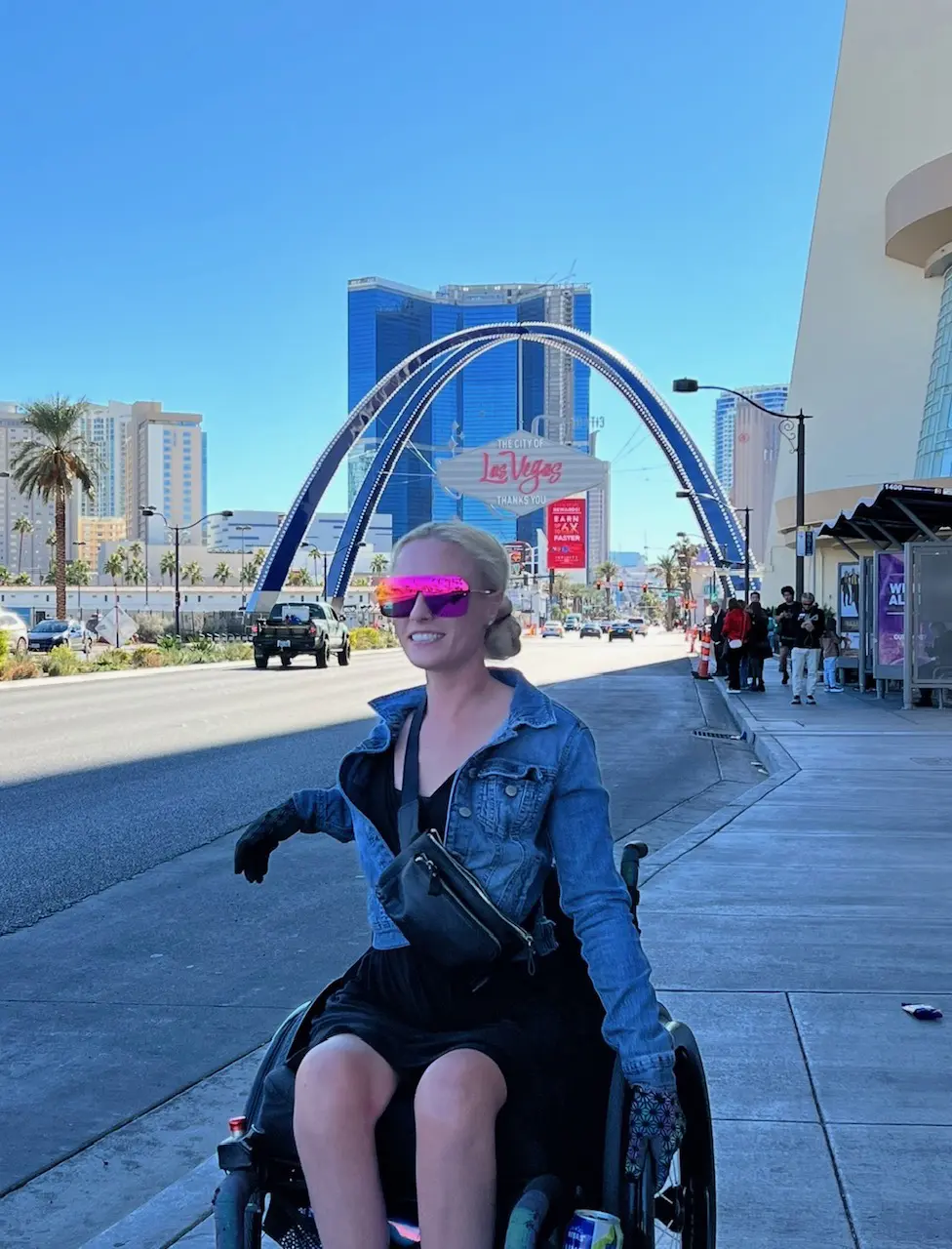
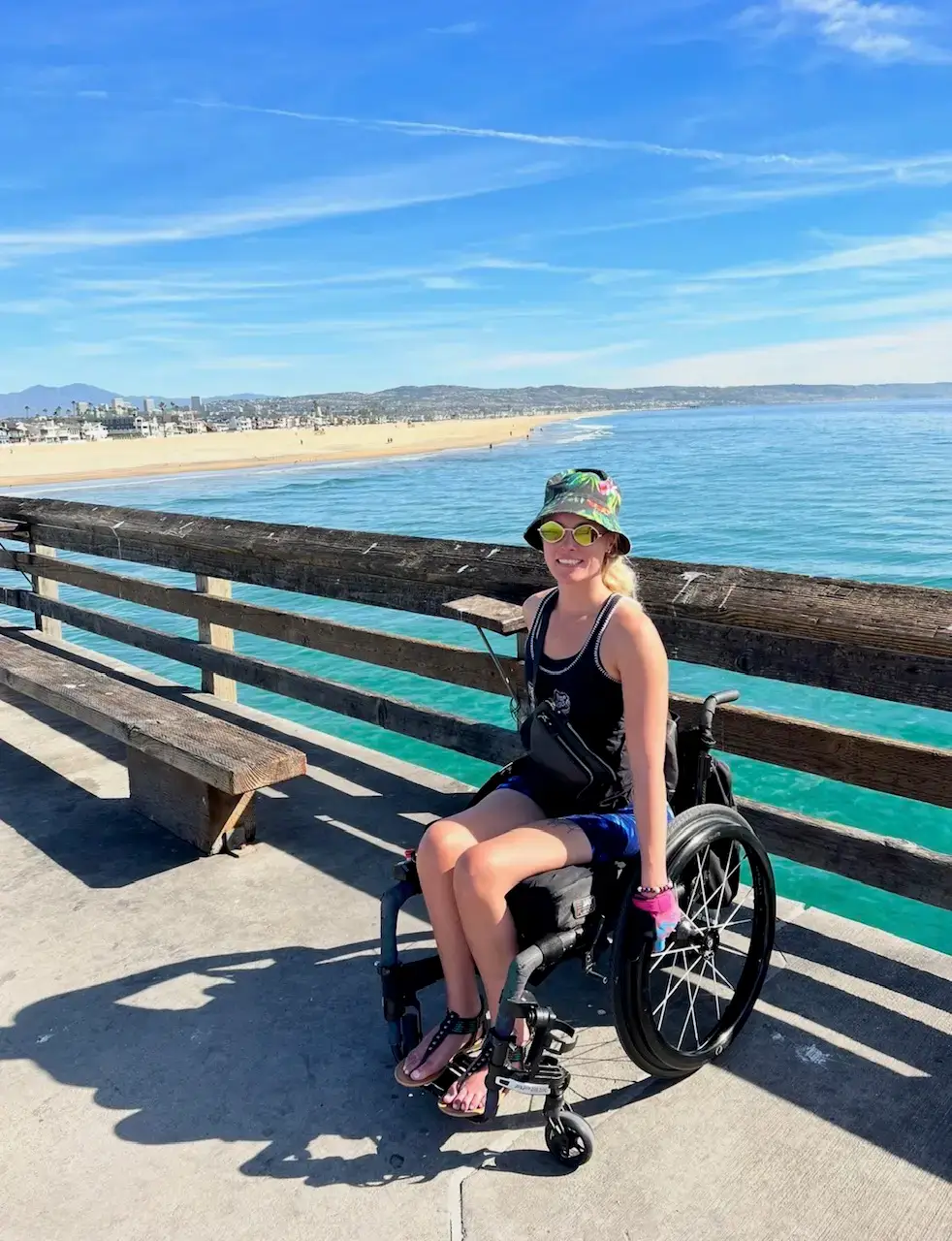
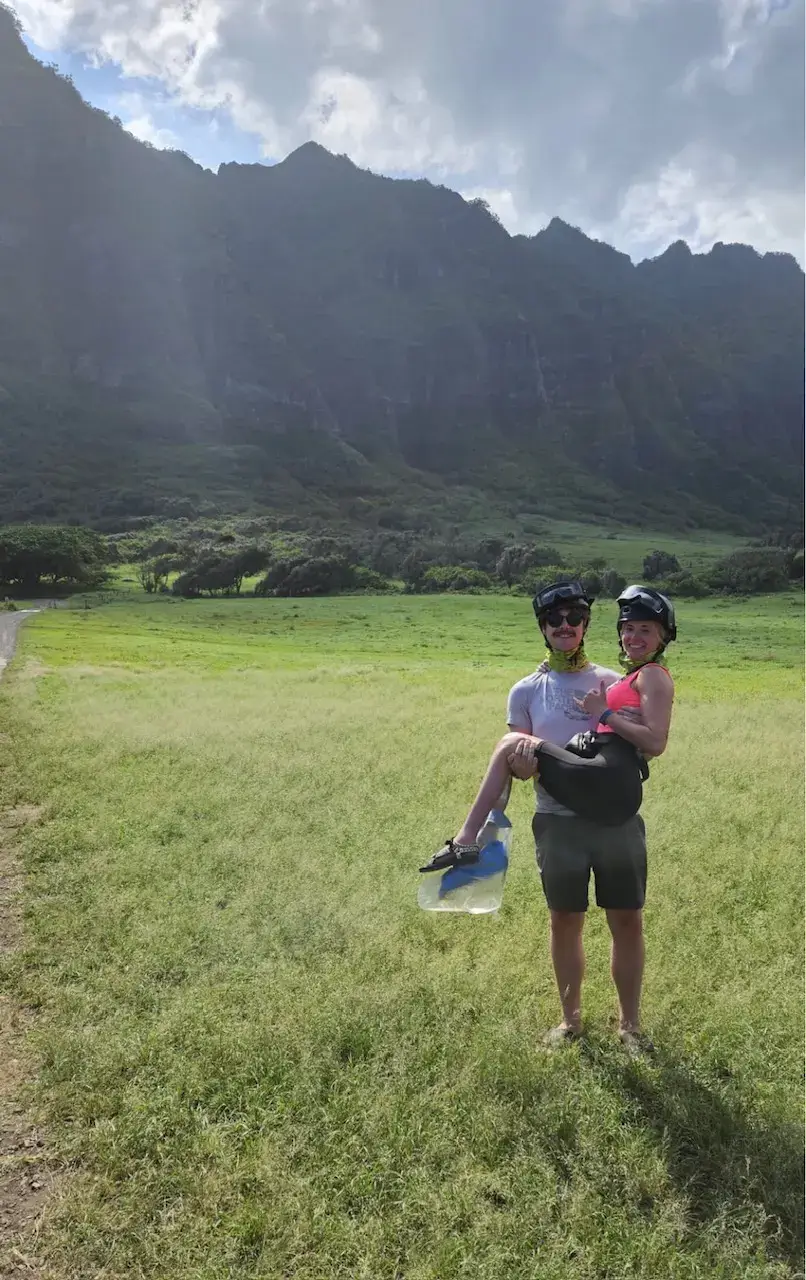
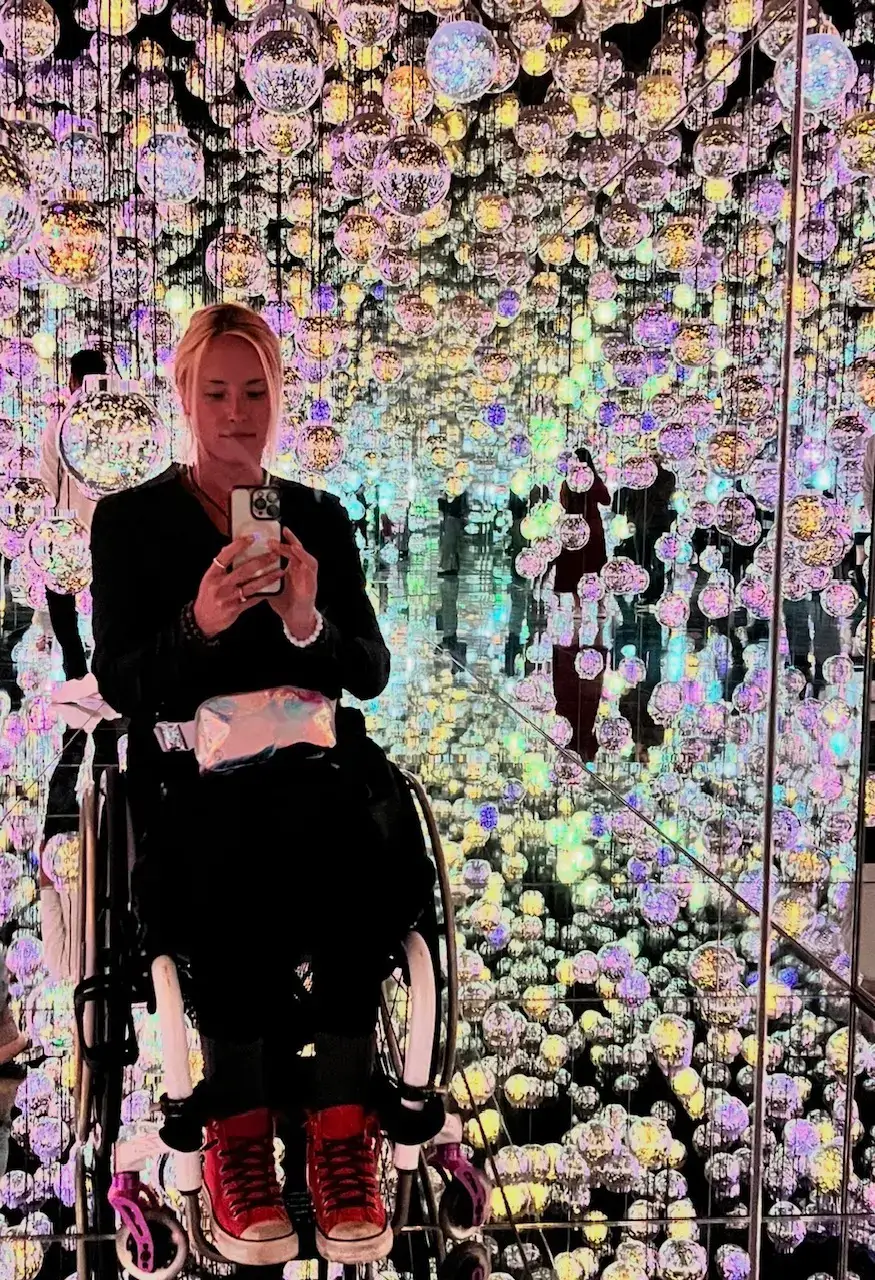
That reality extends beyond individual trips and into the broader travel landscape, where Kendra continues to encounter misconceptions around accessible travel, particularly the belief that accessibility works the same for everyone. Features like grab bars alone do not make a space usable without enough room to maneuver or proper placement, and stock photos often fail to reflect the actual layout of a room. Bed heights also vary widely, adding another layer of uncertainty. A lack of accurate information remains a major barrier, alongside cost, since travel with a disability often carries significantly higher expenses.
Still, her experiences point to a clear reality. Travel does not have to end after injury. It changes shape and demands more thought, planning and support, but it remains within reach for those able to build new systems and expectations over time.
Kendra’s top tips for women travelling with a disability:
- Know your rightswhen travelling and how to be friendly but assertive. You don’t have to exit the plane until your wheelchair is there waiting for you. Always be sure to take a video or pictures of your chair before boarding, and if there is any damage done to your chair, start the claims process at the airport. As a wheelchair user or traveller with a disability, you get an allowance for a medical bag that flies for free, so make sure you take advantage of this! It can only be medical supplies or other wheelchair related gear (not clothes or toiletries or stuff like that – I haven’t ever had anyone go through it and check, but I haven’t ever heard it happening to others).
- Keep safety in mind, especially when traveling to new places. Wear reflective clothing if rolling around at night, let others know where you are planning to be, and trust your gut instincts, if it feels risky, it’s not worth it. If travelling alone it can be helpful to book a local guide to help navigate accessibility concerns, especially if you don’t speak the local language. But learning some local phrases or using google translate can go a long ways in making your travel experience smoother.
- Bring more catheters, medications (in original bottles), and medical suppliesthen you think you need, and bring them in your carry on luggage. It can also be helpful to know the nearest hospital location if you need an emergency restock.
- Travel with airtags or tracking deviceson your bags and wheelchair. This can provide a lot of peace of mind and if anything is lost it can help expedite the process of getting things back.
- Give your chair a tune upbefore your trip and make sure everything is in working order. Practice your wheelchair skills and transfers to gain confidence in a variety of settings. Don’t be afraid to ask for help if needed, people are often wanting to help out, you just have to let them know how.
The world is only getting more and more accessible. Big change doesn't happen overnight, but little by little it gets better. By sharing our individual stories and being out and about increases visibility about accessible travel and helps spark the conversations to advocate for a more accessible world