Listen to this Article
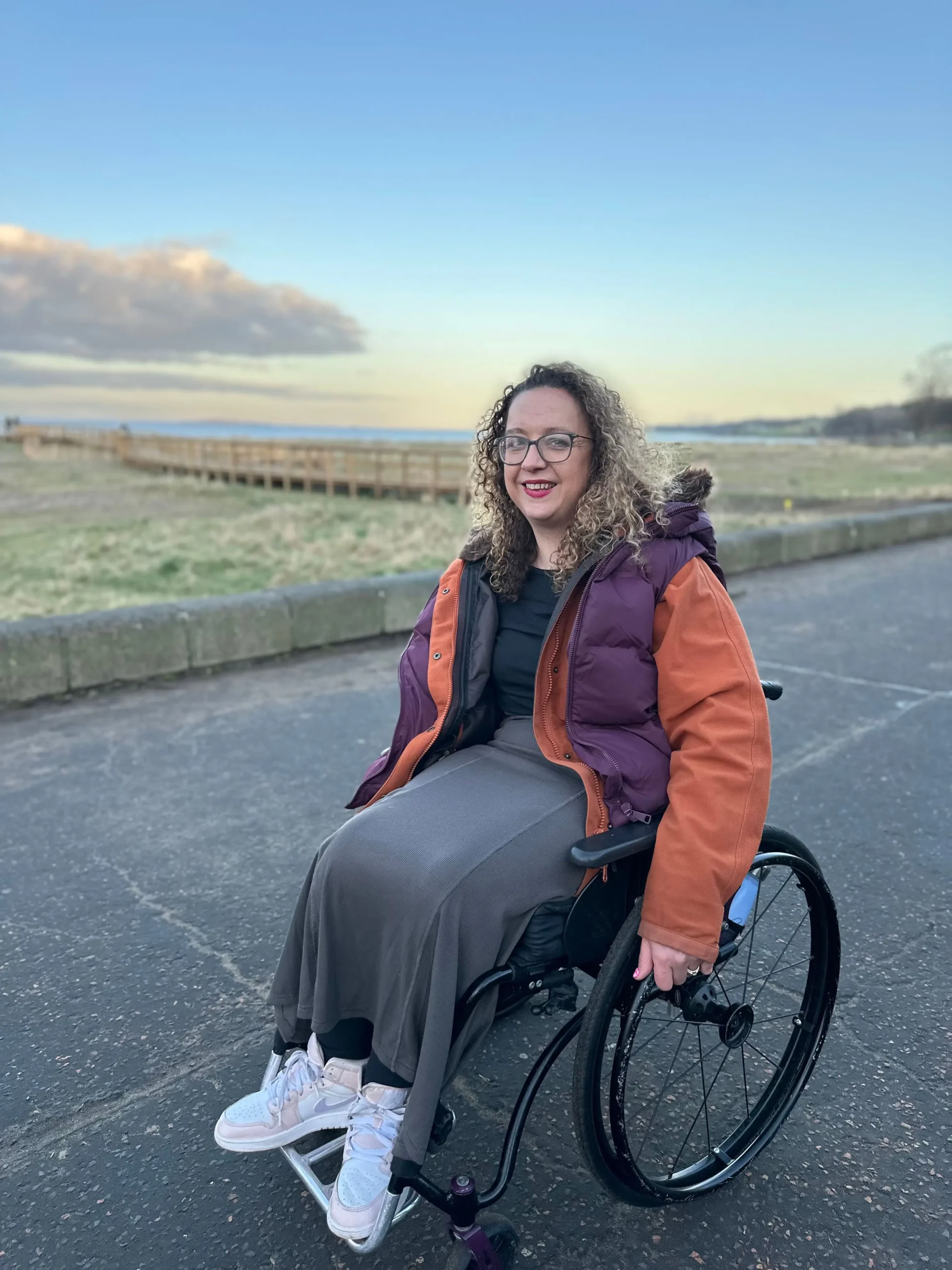
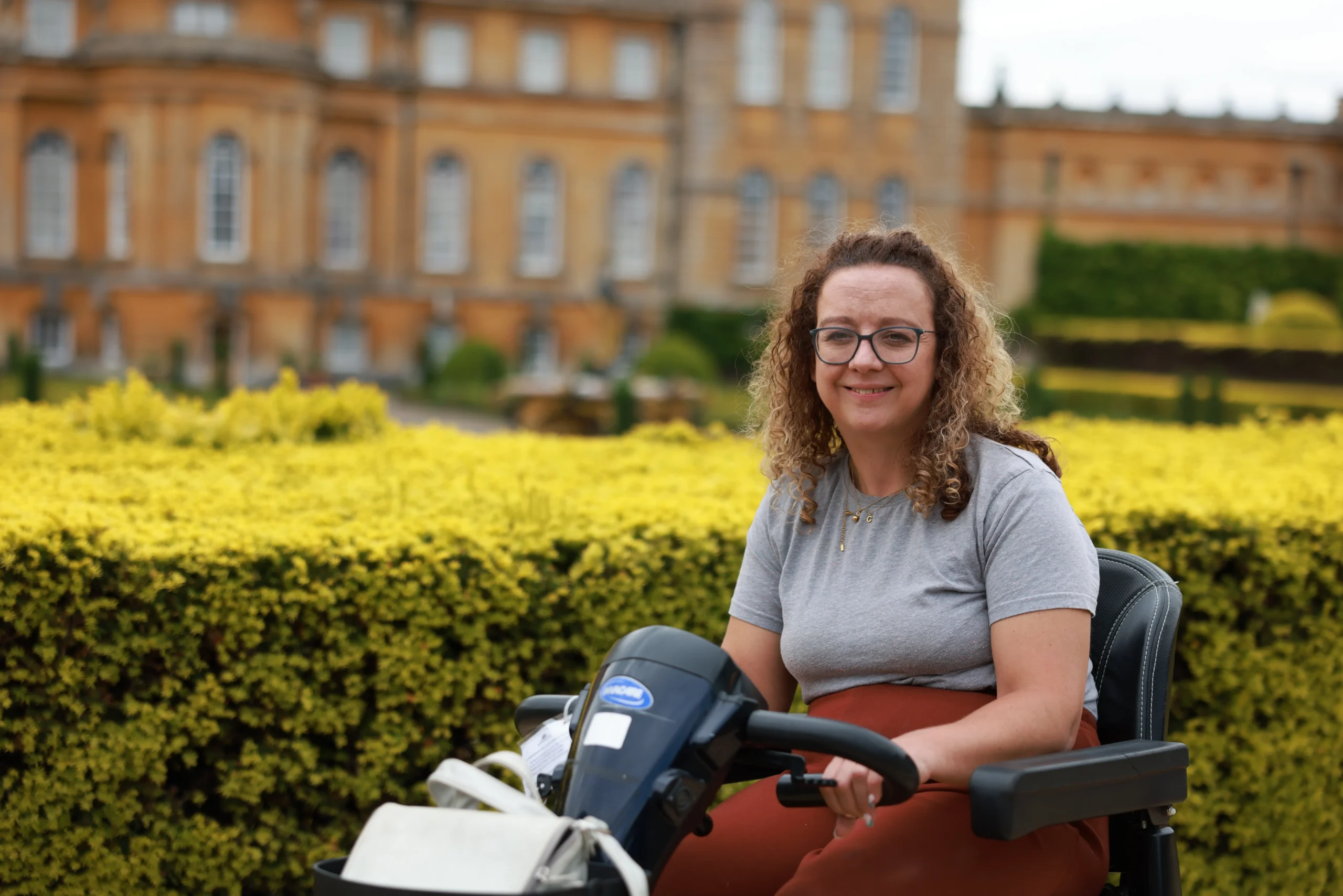
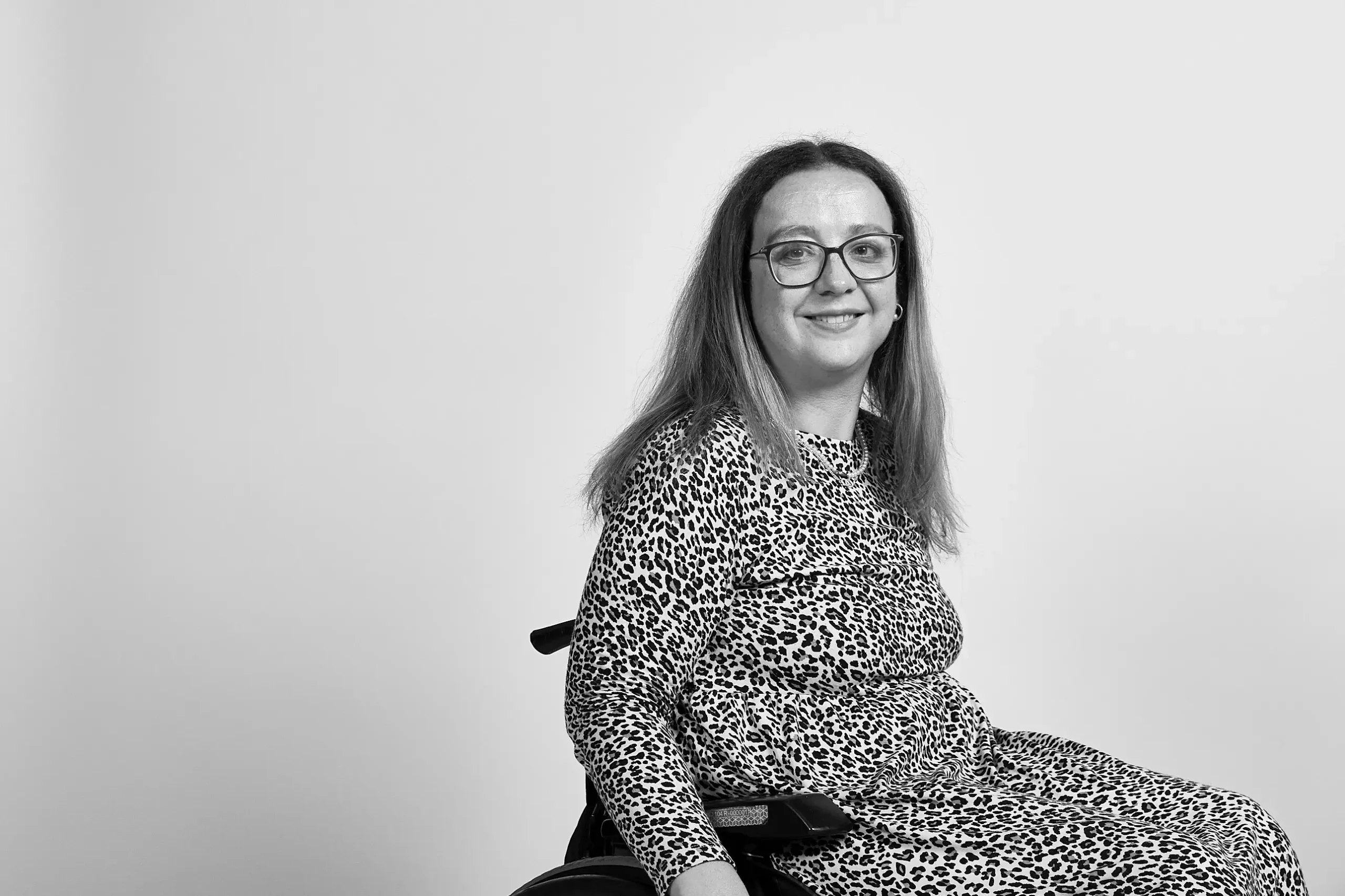
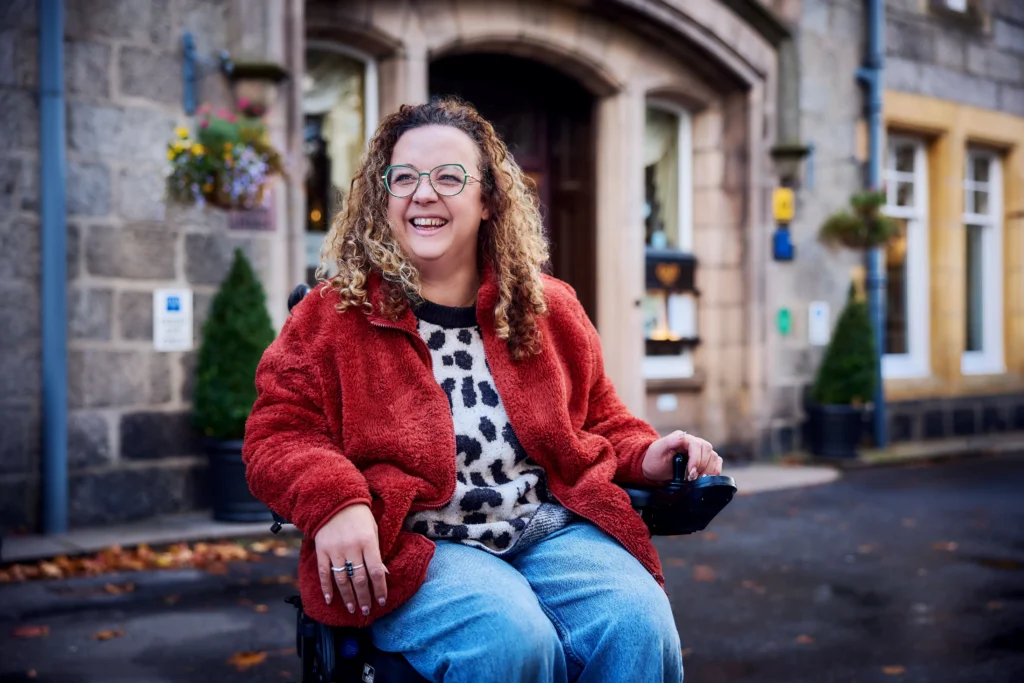
Carrie-Ann Lightley makes accessible travel feel doable because she writes the way many disabled travellers plan: with clear needs, real-world workarounds and a steady focus on what will make a trip feel easier on the day.
Lightley is a freelance writer, speaker and content creator specializing in accessible travel, with 20 years of experience in the field. Her work began in the early 2000s in an information role at a small charity. At the time, detailed accessibility information was difficult to find online and social media was still in its infancy. Travellers would call seeking accommodation in places like Spain that could meet specific access needs and group sizes, often requiring extensive research to identify suitable options.
A Scottish tourist board representative invited Lightley on a hosted trip in exchange for an article in the charity newsletter. She had barely written before and had never heard the term “press trip.” She went anyway: Edinburgh and Glasgow in 72 hours via train and public transport. When the printed newsletter landed in readers’ hands, the charity started getting phone calls and emails praising her piece. Readers said they felt represented in travel spaces and said the story showed what was possible. Lightley kept writing because she saw how travel stories can help someone book a trip they had been unsure to try.
Her work continues to centre on storytelling while covering a wider range of considerations. Alongside practical access details, she includes how spaces feel emotionally. As a wheelchair user who is neurodivergent and easily overstimulated, crowded and noisy environments such as airports and train stations require planning and forethought. That emotional layer matters because a trip can include barriers and still be a good trip, in her view. That nuance is also part of why her audience connects with her.
Start with needs, then add wants
When readers ask what she looks for in a hotel or destination, Lightley does not offer a universal checklist. She says any criteria list can only reflect the traveller using it, since disability needs and preferences differ even between people with the same condition or mobility aid.
Still, she shares a practical hierarchy that readers can copy.
Non-negotiables for her as a wheelchair user include step-free entry (via ramp or lift), doorways wide enough for her wheelchair and an accessible bathroom she can use, including getting in and out of the shower. If those basics are missing, she cannot use the property.
Once the basics are in place, independence and convenience become the focus. For a beach holiday, proximity matters, including whether the shoreline can be reached without assistance. The same applies to bars, restaurants and local attractions, along with the accessibility of public transport when it is needed. When travelling with her husband, constant requests for help every time she leaves the hotel are something she tries to avoid, favouring arrangements that allow everyday movement to remain simple and independent.
A final filter is trip style. The distinction between needs and wants matters, with a reminder not to get so absorbed in access research that the purpose of a holiday is lost. Choices often come down to pace and intent, such as a slow, restful week or a city break focused on exploration and museums.
Make information your first priority
Lightley identifies information, or the lack of detailed and trustworthy access information, as the biggest barrier to accessible travel. The issue is visible even at home in the Lake District, a major UK tourist destination that can be difficult to navigate due to uneven pavement surfaces, curb cuts that are not flat and challenging gradients. Familiarity helps locally, but that advantage disappears in unfamiliar places.
Recurring problems also appear on UK train journeys, where wheelchair spaces may be filled with luggage and pre-booked assistance to deploy a ramp does not always arrive at the destination. Dining presents another challenge, as accessibility details for restaurants and pubs are often missing from websites, even when other information is readily available. It can be easier to learn whether a café is dog-friendly than whether it offers level access or an accessible toilet.
Her advice is direct: use every tool available, but trust what is verified.
In the UK she uses AccessAble, an app and website with venue information verified by trained staff. It can provide granular details such as the distance from accessible parking to the entrance, doorway widths, lighting levels, noise levels and ramp gradients. She also uses Euan’s Guide, a review site designed for disabled people, similar in concept to TripAdvisor. Her view is that these two tools work best together: verified facts plus user reviews.
Social media also plays a role in crowdsourcing information and recommendations from other disabled travellers, with personal suggestions from people who understand specific access needs carrying more weight than a venue claiming to be “fully accessible.”
Reduce the disability time tax
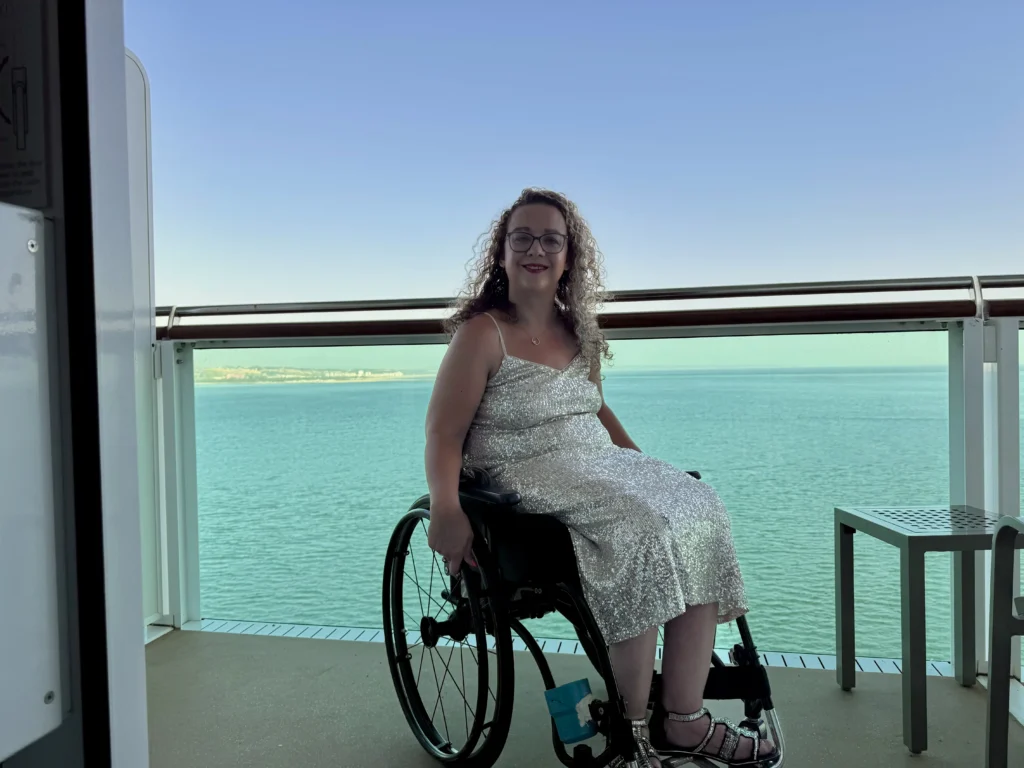
Lightley addressed the additional planning time many disabled travellers face, describing how much effort goes into searching for accessibility information and then having to trust or verify it. Even with careful preparation, she noted that pre-arrival anxiety is common on the day of travel, with the lingering question of whether a place will actually work or whether plans might need to change and the trip cut short.
Hotel booking was a clear example. If an accessible room cannot be booked online and instead requires a phone call or email, she said she will choose a different property. Being asked to make extra contact means spending more time and energy simply to secure the same service other guests can book instantly. She described this as part of the disability time tax and said it shows that accessibility has not been integrated into the standard booking process.
Prepare, pace and give yourself grace
Her top tips for women with disabilities who want to travel with more confidence translate well for all disabled travellers.
First, research and planning. Lightley admits that this should not surprise anyone but adds a clear caveat that travellers should not have to do so much extra work, but doing research and planning can still lead to the best possible experience. She encouraged looking at multiple sources, including accommodation and attraction websites, specialist access sites, blogs and content creators, to understand what is actually happening on the ground rather than relying on a single description.
Second, preparation. Prepare mobility equipment before travel is recommended, including checking that tyres are properly inflated and all components are securely tightened.. For air travel, having clear instructions attached to a wheelchair can help baggage handlers manage equipment correctly. Bringing more medication than required is also advised in case of last-minute changes or delays.
Third, pace your itinerary. Lightley suggests building in downtime or a rest day and checking whether you have expected too much from yourself.
Fourth, give yourself grace when access fails happen. Struggling to internalize access problems can still happen, even after thorough research and even when accessible travel is part of one’s profession.
Fifth, find “mirrors.” This comes from something a coach she worked with recently shared with her. The idea centres on finding people with a similar disability or impairment who also share a similar travel style, allowing individuals to see themselves reflected in someone else’s experience. This makes it easier to ask smaller, practical questions that are often missing from guides or official information, such as how a place feels emotionally, how manageable certain situations are in reality or where to find travel insurance that covers specific needs. These connections can be supportive and confidence-building, particularly with social media making them easier to find.
Finally, remember to enjoy yourself. She urges travellers not to let pre-arrival anxiety overshadow the reason for the trip.
Choose destinations with proven ease, then stay open to surprises
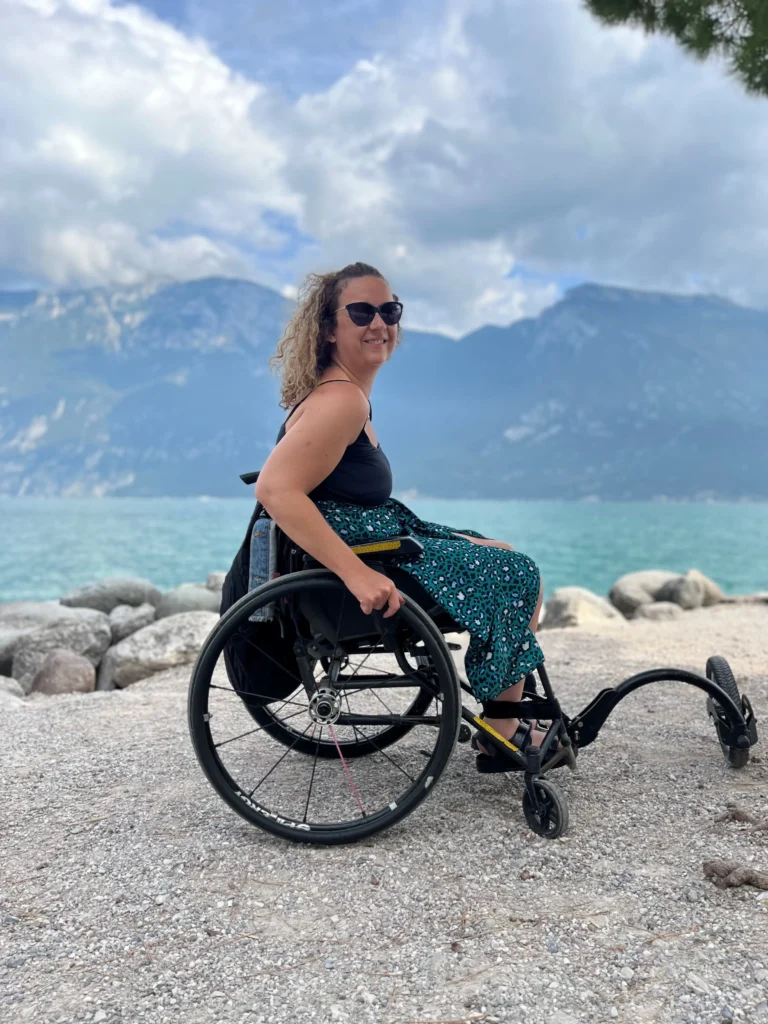
Barcelona is a frequent recommendation. A first visit in 2014 or 2015 marked an introduction to European city breaks, followed by a return trip. The city’s accessibility is linked to a strong Olympic and Paralympic legacy, with initiatives that have remained or been built upon. One evening highlighted that ease: an urgent need for an accessible toilet led into a tapas bar assumed to be inaccessible, only for staff to direct the way to a lift. This experience is often contrasted with London during the 2012 Games, when additional accessibility supports appeared temporarily and later disappeared.
Some destinations, however, exceeded her expectations. Rome raised concerns due to cobbles, historic buildings and transport access, but her husband’s encouragement to book the trip led to a successful visit. The city was navigated independently, without public transport, and all planned sites were accessed. After the trip, a reader shared that reading her article about it prompted a long-delayed return to Rome, a lifelong ambition set aside after becoming disabled later in life.
A standout experience in 2025 offered another lesson: support can bring ease. In May, travel with Limitless Travel, a specialist operator offering supported group holidays with care support, challenged expectations. Despite initial hesitation due to a preference for independent travel, the structure allowed guests to lead decisions while carers provided support as needed. The result was emotional ease and practical relief, including small moments such as help with footwear by the pool, allowing others to enjoy their time independently as well.
Accessible travel, in Lightley’s hands, becomes a series of smart choices: verify the facts, plan for your real needs, keep space for enjoyment and pick places that let you move through the day with less doubt.