









Listen to this Article
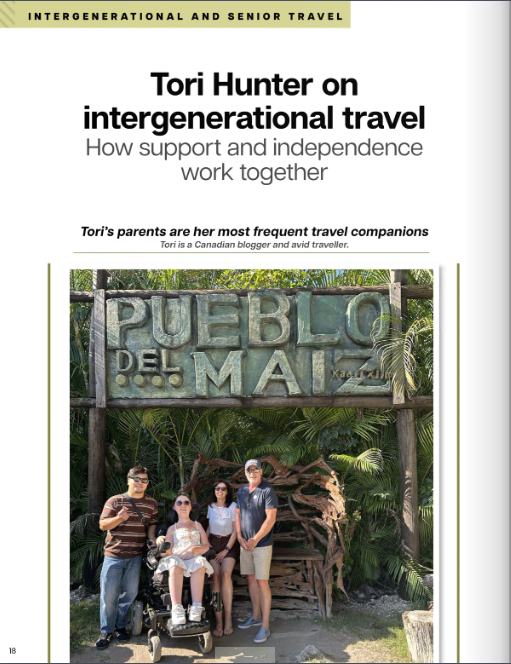
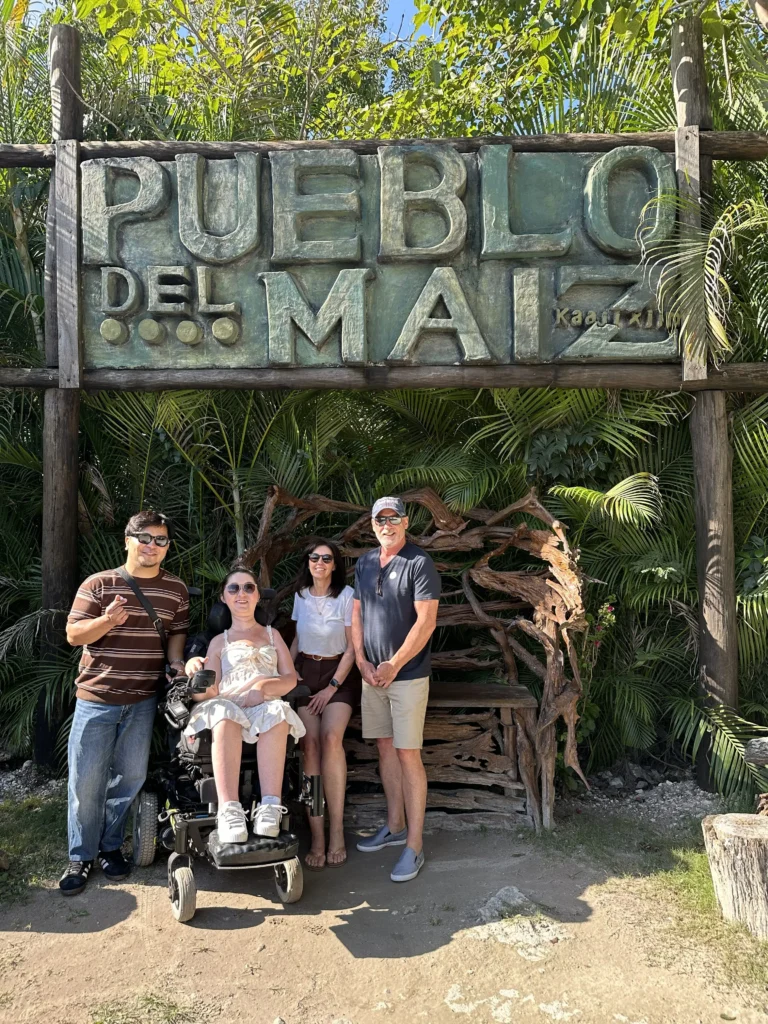
Tori’s parents are her most frequent travel companions
Tori is a Canadian blogger and avid traveller.
Family dynamics
Travelling with my parents makes everything significantly easier. They’ve been advocating for me since the day I was born — far longer than I’ve been advocating for myself — so they have a deep, intuitive understanding of my disability and my access needs. They’ve also had years of practice troubleshooting on the go, which means we’re rarely caught off guard. What I appreciate most is that travelling with them takes the emotional weight off of me. I don’t have to be my sole advocate in every moment — we function as a team, and that shared dynamic makes the whole experience feel lighter and more enjoyable.
Independence
Even when I travel with my parents, we typically bring a nurse or support worker along as well. This means I still have the independence to do my own thing — whether that’s pursuing an activity they’re not interested in or simply being on my own schedule in the mornings. It also takes some of the physical caregiving off my parents so that everyone can actually relax and enjoy the trip. When it’s just the three of us, it comes down to open communication and flexibility — which, honestly, applies to any group travel regardless of disability. There’s always a give-and-take. Since they’re providing a lot of physical support, I try to take on the things I can handle, like planning the itinerary, making restaurant reservations, and managing logistics. It balances out.
Practical planning
Luckily, my parents and I tend to enjoy the same kinds of activities, which makes planning much easier. They understand that our trips are built around accessibility, but that’s never felt like a limitation to any of us. City exploration, great restaurants, accessible hikes, beach days — there’s genuinely so much to enjoy. In my experience, most things can be made accessible with a little creativity and problem-solving, so no one ever feels like they’re missing out.
On larger family trips, we’ll sometimes split into smaller groups based on interest or mobility. For example, I often pair up with my grandparents since we tend to benefit from similar accessibility considerations, while my sisters might head off for something more physically demanding. It’s all about compromise and making sure everyone comes home having had a great time.
Tori on rewriting the rules of accessible travel
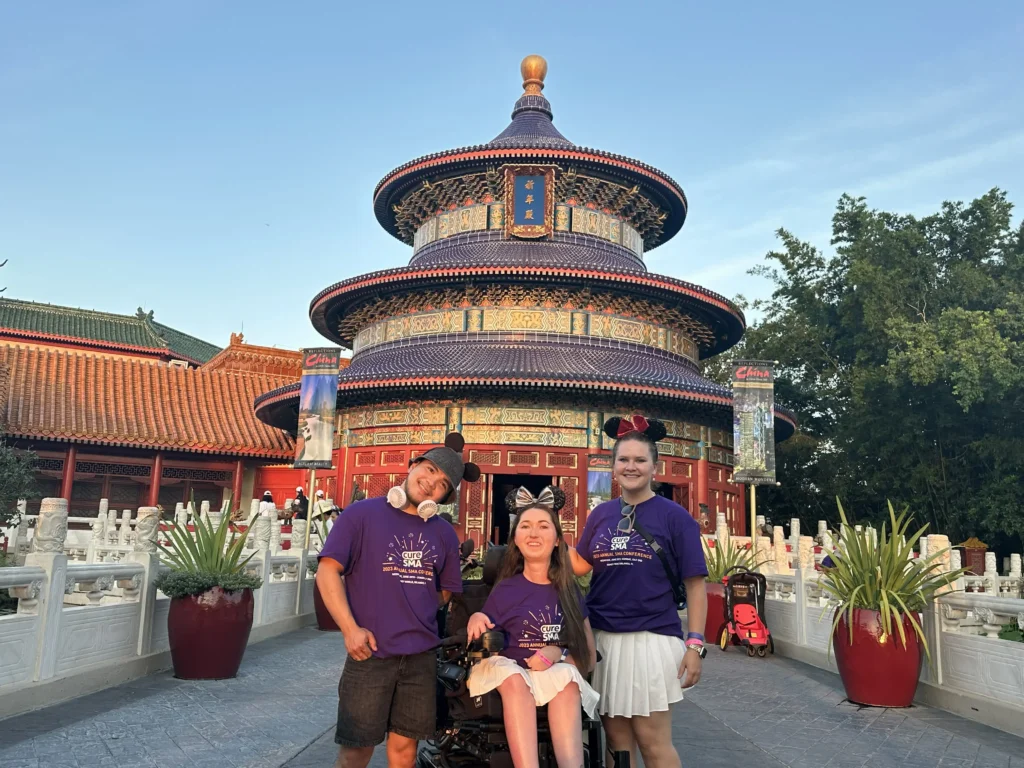
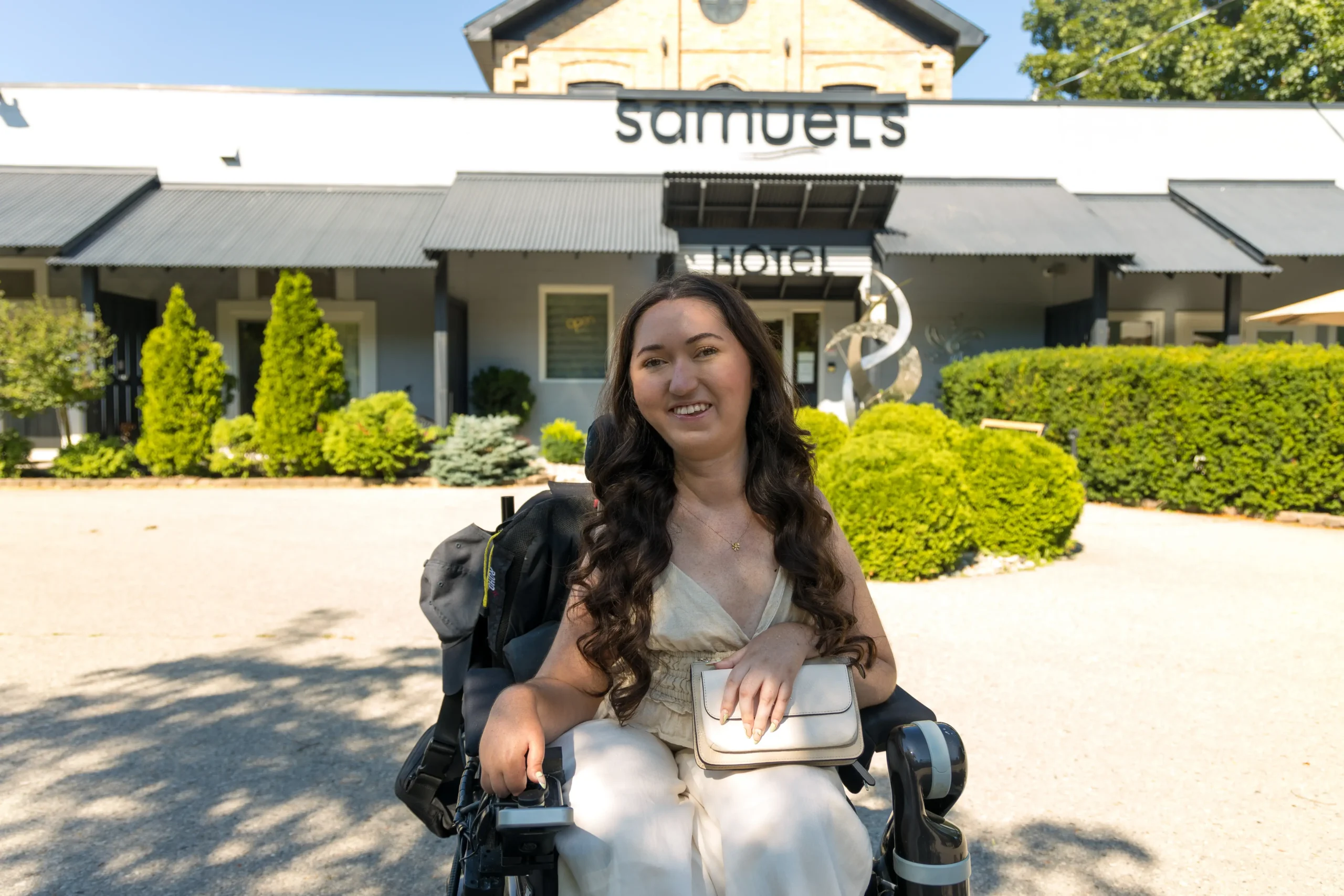
For Canadian traveller Tori Hunter, accessibility is not about following established rules, but about redefining them through lived experience. As a power wheelchair user, many of those rules are not designed with her reality in mind. Standard travel advice and industry definitions often fall short, leaving critical gaps in what accessibility actually means in practice. As a result, she documents her experiences to provide clear, reliable information that other disabled travellers can use to plan with confidence. Her work shows what accessible travel actually looks like beyond curated marketing promises, revealing a reality that is more complex, but also more empowering, than many travellers expect.
One of the first “rules” she has rewritten is the idea that accessible travel simply requires extra planning. Preparation is essential, but for Hunter, it is far more detailed. Every element of a trip must be carefully considered, from hotel layouts to whether an aircraft can accommodate her wheelchair. Because she cannot transfer out of her chair, transportation becomes the foundation of every trip. If she cannot move from point A to point B, the destination is not viable. This shifts the way travel is planned. While many travellers begin with accommodations or attractions, Hunter starts with logistics.
She also challenges how accessibility is marketed. “Wheelchair accessible” labels often fail to reflect real conditions. Rather than relying on listings, she verifies everything directly with providers, ensuring her needs are clearly understood before committing. Behind each trip is extensive preparation. Researching transportation, confirming details and advocating for accommodations requires time and persistence.
Air travel, in particular, remains one of the most challenging parts of the journey. While policies exist, they are often difficult to navigate and inconsistently applied. Hunter emphasizes the need for better accountability, especially when it comes to protecting mobility equipment. For her, lived experience matters more than marketing. Insights from other disabled travellers provide a more honest understanding of what to expect.
Ultimately, Tori travels with preparation, persistence and self-advocacy, showing what it takes to navigate systems that are still catching up.


Tori’s Tips
1. Before you book
Confirm real accessibility, not just labels
Do not rely on “wheelchair accessible” checkboxes on booking platforms. Contact hotels, airlines and tour operators directly to explain your specific access needs and confirm they can be met.Prioritize transportation first
Before booking accommodations, confirm that you can actually get there and move around. This includes checking aircraft size, airport processes and availability of accessible ground transportation.Know your exact requirements
Be clear about your needs (e.g., non-transfer, power wheelchair dimensions, accessible shower). Build your entire itinerary around what will realistically work.Research through lived experiences
Look to disabled travellers and content creators for honest reviews rather than relying on polished marketing.
2. Before you fly
Prepare detailed information about your mobility device
Have your wheelchair specifications ready: dimensions, weight, battery type and any handling instructions. You will be asked multiple times.Contact the airline in advance
Arrange accessibility services early, even if the process is time-consuming. Confirm all details related to your equipment and support needs.Advocate clearly and confidently
Be prepared to explain your needs multiple times across different stages of travel.Do your due diligence on aircraft and handling
Whenever possible, ensure the aircraft can safely accommodate your wheelchair and that proper handling procedures are in place.
3. At the airport
Be ready to repeat your needs often
You will interact with multiple staff members: check-in, gate agents, onboard crew. Each may need the same information.Know your rights as a disabled traveller
Staff may not always be fully informed. For example, you have the right to remain on the plane until your wheelchair is brought to the gate.Keep key information easily accessible
Store details about your wheelchair and requirements in your phone or notes for quick reference.Stay assertive but calm
Self-advocacy is essential to ensure proper handling and support throughout the journey.
4. If something goes wrong
Expect disruptions and stay flexible
Small changes can have a ripple effect on your entire itinerary. Adaptability is key.Travel with a strong support system
Companions who understand your needs can help troubleshoot and problem-solve quickly.Push for immediate solutions
If mobility equipment is damaged, insist that it is fixed right away, not after your trip. You need it to continue your journey.Do not accept inadequate replacements
Rental or generic wheelchairs are often not suitable. Your own equipment is essential.Ask for accountability and assistance
Airlines should assign someone to help resolve issues, especially in unfamiliar destinations.

Destination recommendations
- Hawaii
One of Tori’s top destinations, noting both its natural beauty and strong accessibility. Because it falls under the Americans with Disabilities Act, accessibility standards are more reliable.
- Spain (Malaga region)
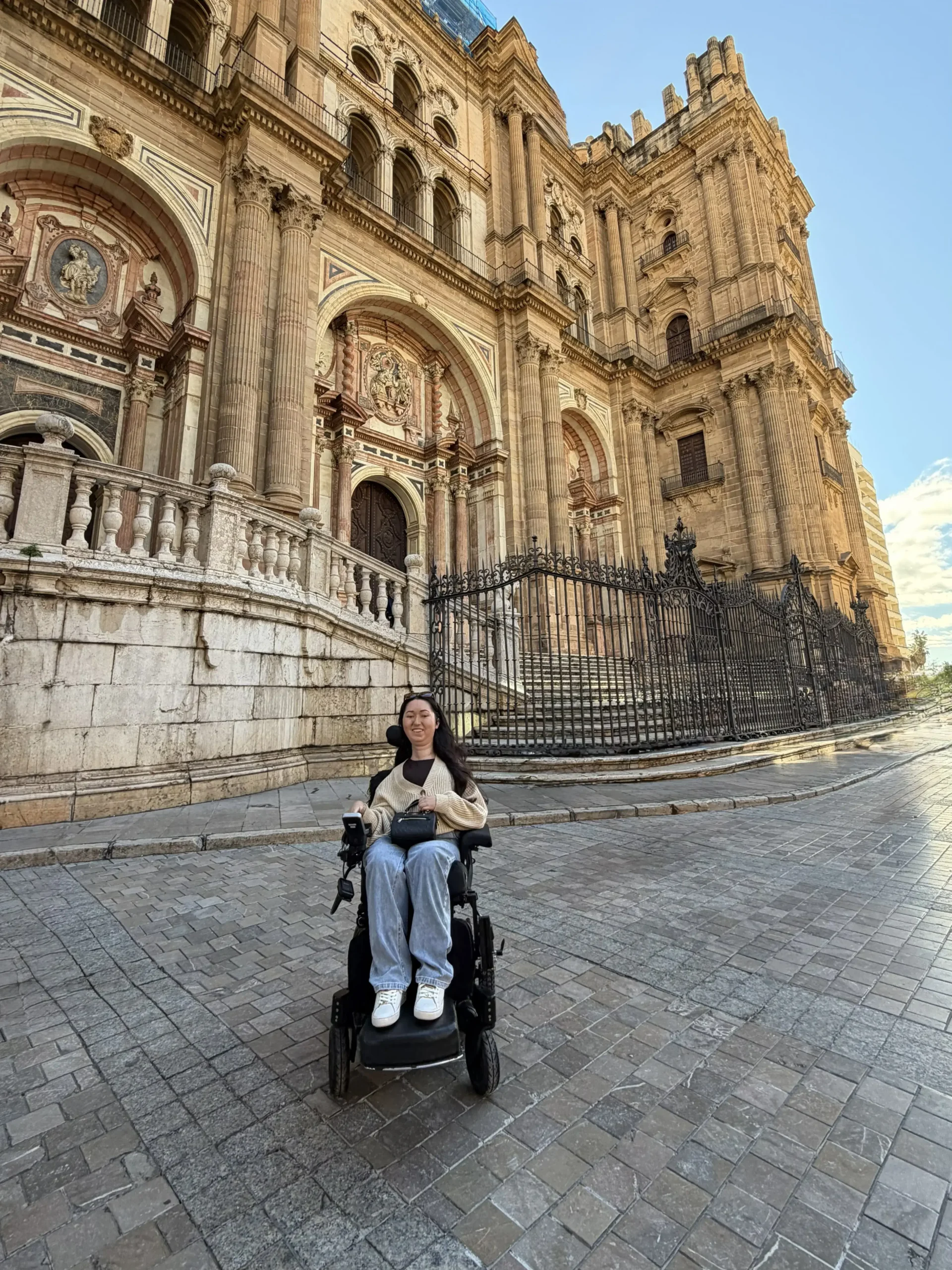
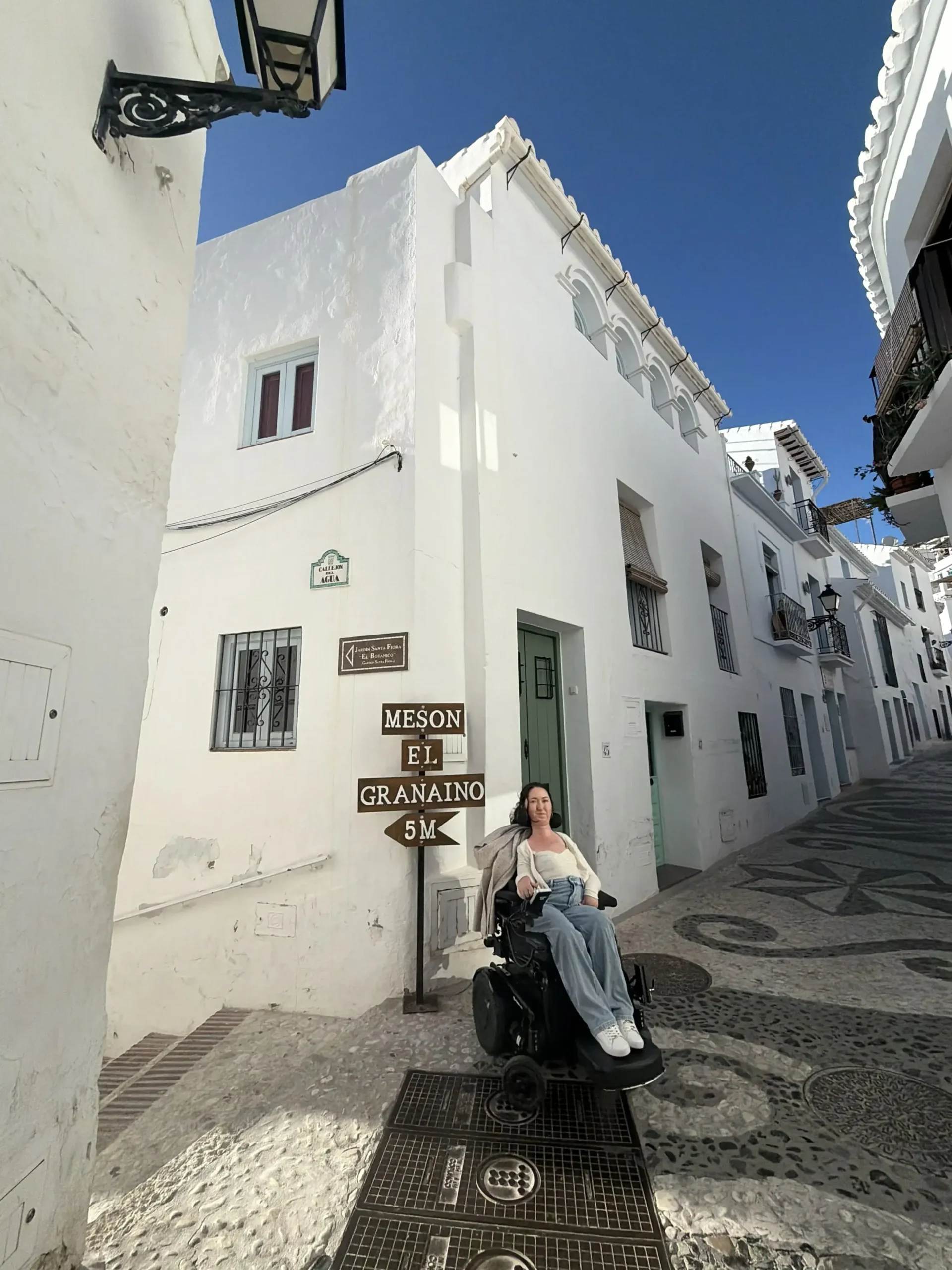
Tori recently visited Malaga and described it as an incredible experience complete with accessible day trips. Check it out on her Instagram account.
- Canada (especially Western Canada)
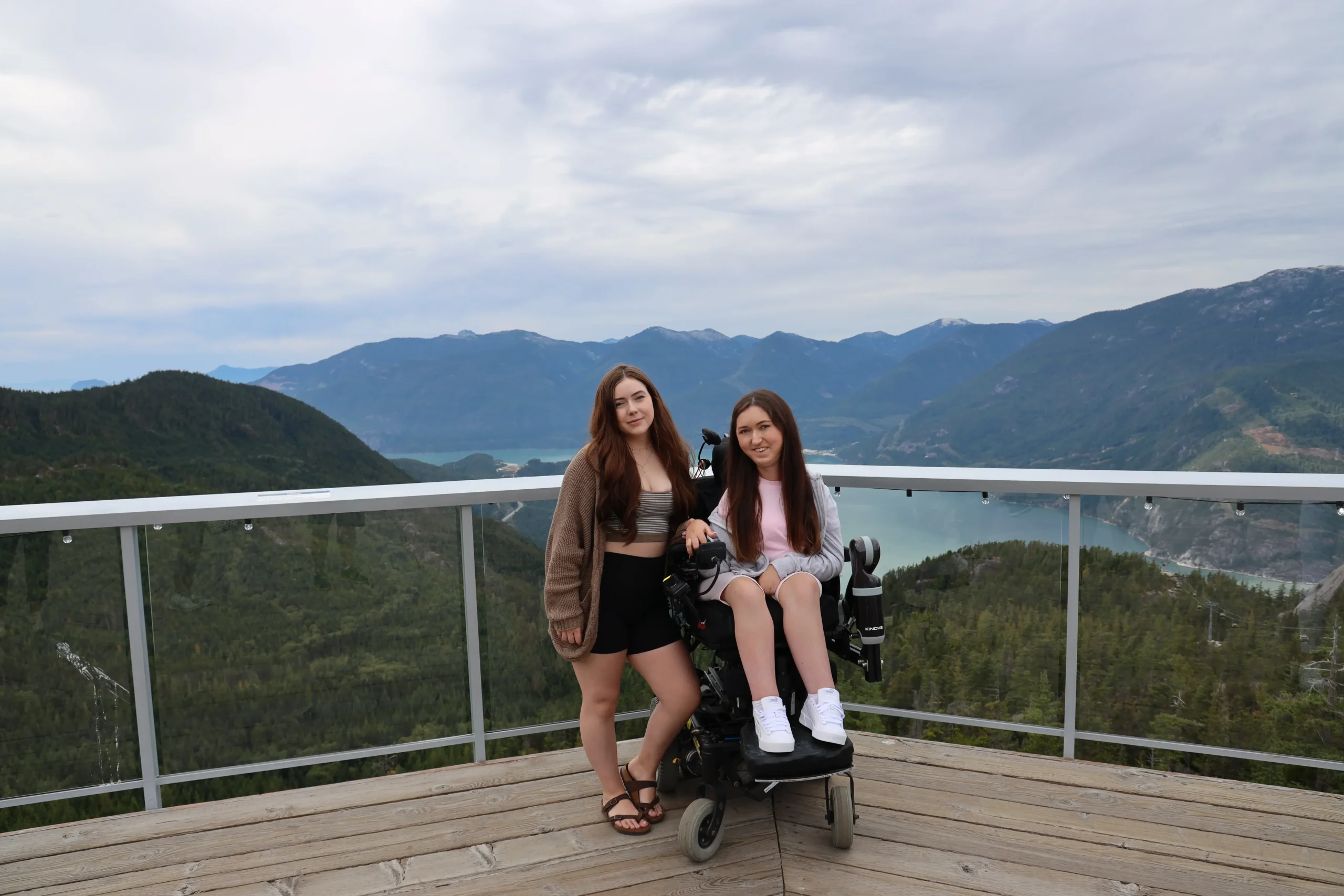
As a Canadian, Tori strongly recommends destinations like British Columbia, specifically Vancouver, Whistler, Kelowna and Victoria. She emphasized its beauty and accessibility across the region.