








Listen to this Article
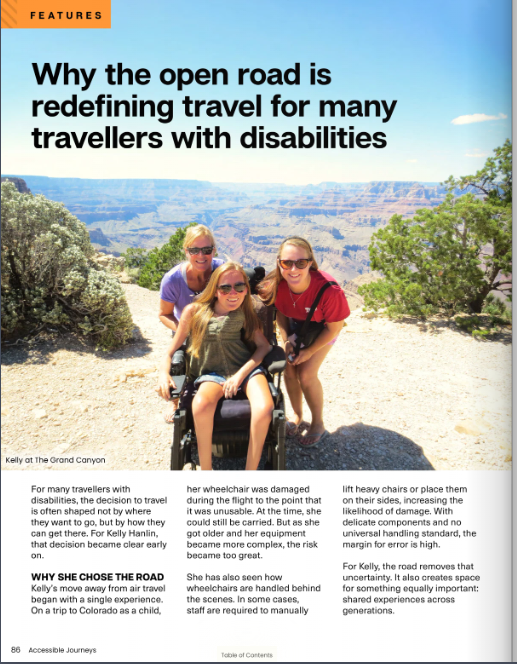
For many travellers with disabilities, the decision to travel is often shaped not by where they want to go, but by how they can get there. For Kelly Hanlin, that decision became clear early on.
Why she chose the road
Kelly’s move away from air travel began with a single experience. On a trip to Colorado as a child, her wheelchair was damaged during the flight to the point that it was unusable. At the time, she could still be carried. But as she got older and her equipment became more complex, the risk became too great.
She has also seen how wheelchairs are handled behind the scenes. In some cases, staff are required to manually lift heavy chairs or place them on their sides, increasing the likelihood of damage. With delicate components and no universal handling standard, the margin for error is high.
For Kelly, the road removes that uncertainty. It also creates space for something equally important: shared experiences across generations.
The role of intergenerational travel
For Kelly Hanlin, some of her earliest and most meaningful trips were shared across generations.
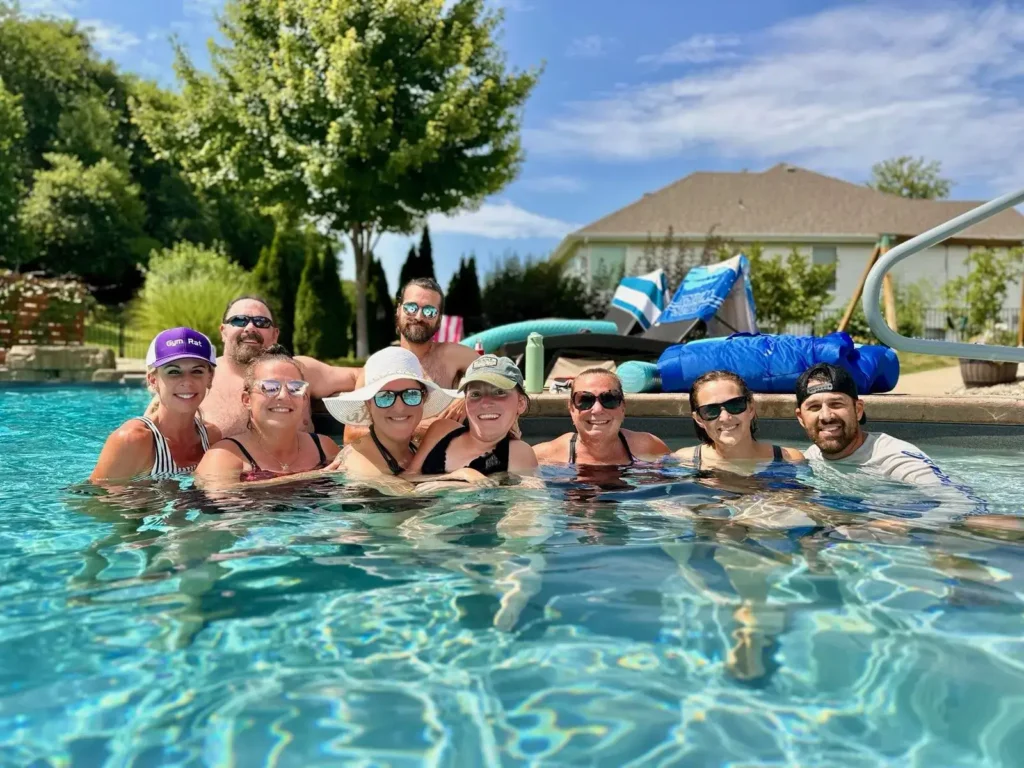
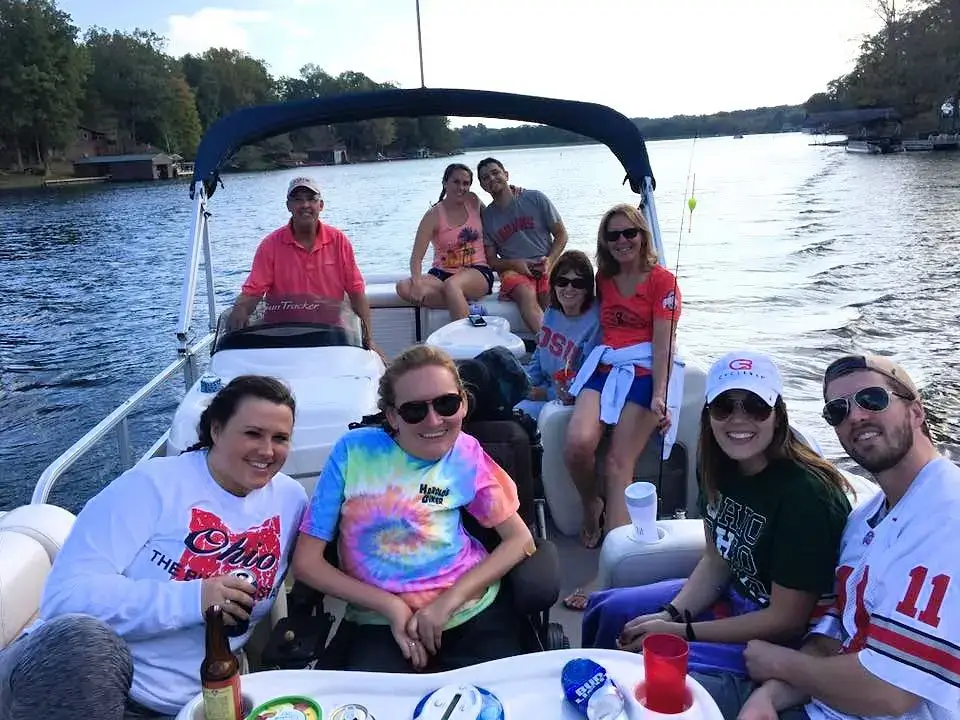
She recalls years of travelling to Hilton Head and Lake St. Louis alongside her grandparents, mother, father, sister, aunts, uncles and cousins. These trips brought together multiple generations, each contributing to the experience in different ways. For Kelly, this dynamic offered both practical support and a sense of continuity.
Travelling with family can ease some of the challenges that come with navigating accessibility on the road. There is often a shared understanding of needs, a willingness to adapt plans and an extra layer of support when unexpected situations arise. At the same time, it allows each person to engage with the journey in their own way, creating space for both independence and connection.
Today, while Kelly typically travels with a friend or family member, those earlier intergenerational trips remain a strong foundation. They reflect a version of travel that is not only about reaching a destination, but about who you experience it with.
In many ways, road travel naturally lends itself to this kind of shared experience. It creates time together, flexibility in planning and the ability to move at a pace that works for everyone.
And in that space, travel shifts from logistics to connection and creating memories.
Planning without over-planning
While road trips offer flexibility, they still require strategy. Interestingly, Kelly does not map out every stop in advance. Instead, her approach is adaptive. She often drives until she feels ready to stop, then searches for hotels within a nearby area.
The key step comes next: she calls ahead. She clearly explains that she uses a motorized wheelchair and confirms whether the property offers elevator access or a ground-floor room.
For accommodations like Airbnb or VRBO, she takes a more detailed approach, carefully studying photos to identify potential barriers such as steps or inaccessible layouts. If needed, she contacts hosts directly to clarify.
Rest stops and restaurants are less rigidly planned, though she notes that accessible restrooms can be particularly challenging. Larger family bathrooms have often been the most practical solution. In more recent years, Kelly has resorted to using a Foley catheter for longer road trips (12+ hours). Although UTIs can be a consequence of that approach, the ease it provides and the stress it eliminates more than makes up for that shortcoming.
Preparing before you leave
Preparation begins long before the engine starts. Kelly stresses the importance of ensuring all equipment is in proper working order.
She recalls trips disrupted by wheelchair motor failures, including one in Hilton Head where the nearest repair shop was two hours away. In that case, she was without her chair for at least two days.
Her advice is simple but critical: if something feels off before a trip, address it. Equipment issues on the road can quickly become major setbacks.
Building confidence through preparation
Kelly describes herself as someone who believes things will work out, but she pairs that mindset with practical preparation.
She recommends researching destinations in advance, especially if there are specific places you want to visit. Understanding accessibility features ahead of time can prevent challenges upon arrival and lead to a smoother experience.
At the same time, she does not believe in over-planning every detail. Flexibility remains an important part of the journey.
Why the car makes all the difference
For Kelly, one of the clearest advantages of road travel is control.
In a car, she has her wheelchair with her at all times. She can recline, adjust her position and bring everything she needs without restriction. That includes not only her chair but also medical supplies and equipment that would be difficult to transport by air.
This ability to manage comfort and space transforms the travel experience entirely.
Where she has travelled and what she found
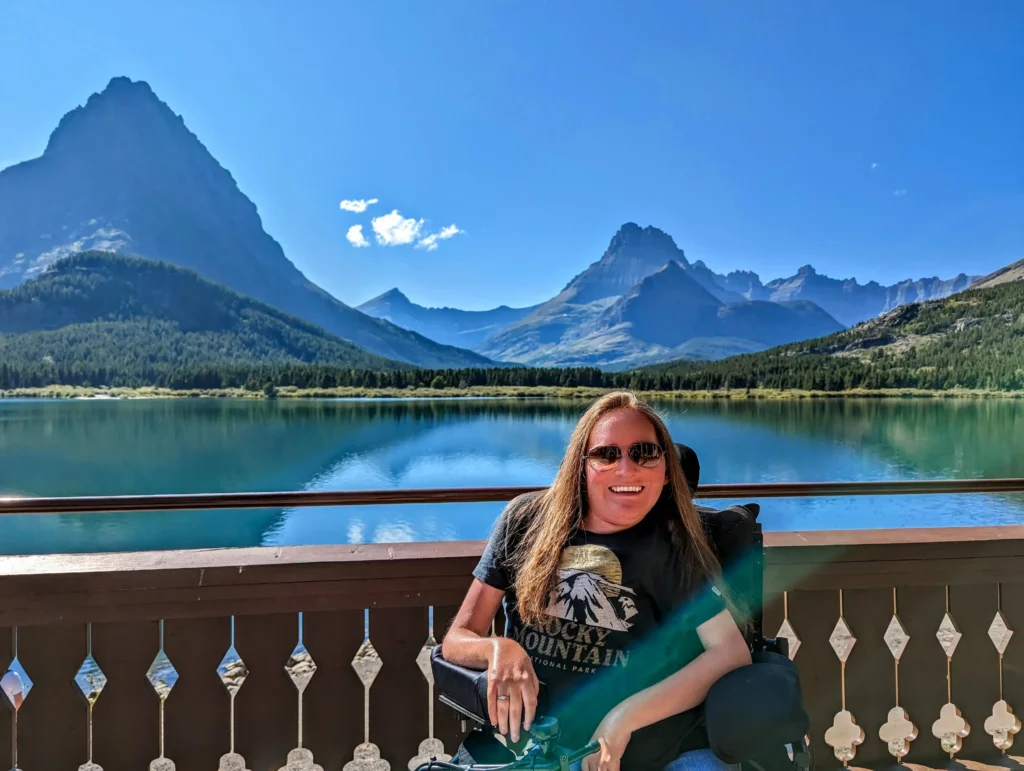
Kelly’s road trips have taken her to destinations such as Aspen, Maroon Bells, Sequoia National Park, Yellowstone National Park, Glacier, Hilton Head, Zion, the Grand Canyon, New York City, Washington, DC, Niagara Falls and Yosemite.
Overall, she found most of these destinations to be accessible, particularly the national parks. While not every trail can be navigated, paved paths and supportive staff allow visitors to experience the landscape in meaningful ways.
New York City presented more challenges, particularly with subway accessibility and inconsistent transportation options.
Unexpected accessibility that stood out
Some of the most memorable moments came from unexpected accessibility features.
In Aspen, a wheelchair-accessible gondola provided seamless access to mountain views, supported by experienced staff. In contrast, a similar experience in Whitefish, Montana proved far more difficult due to a lack of familiarity with power wheelchairs.
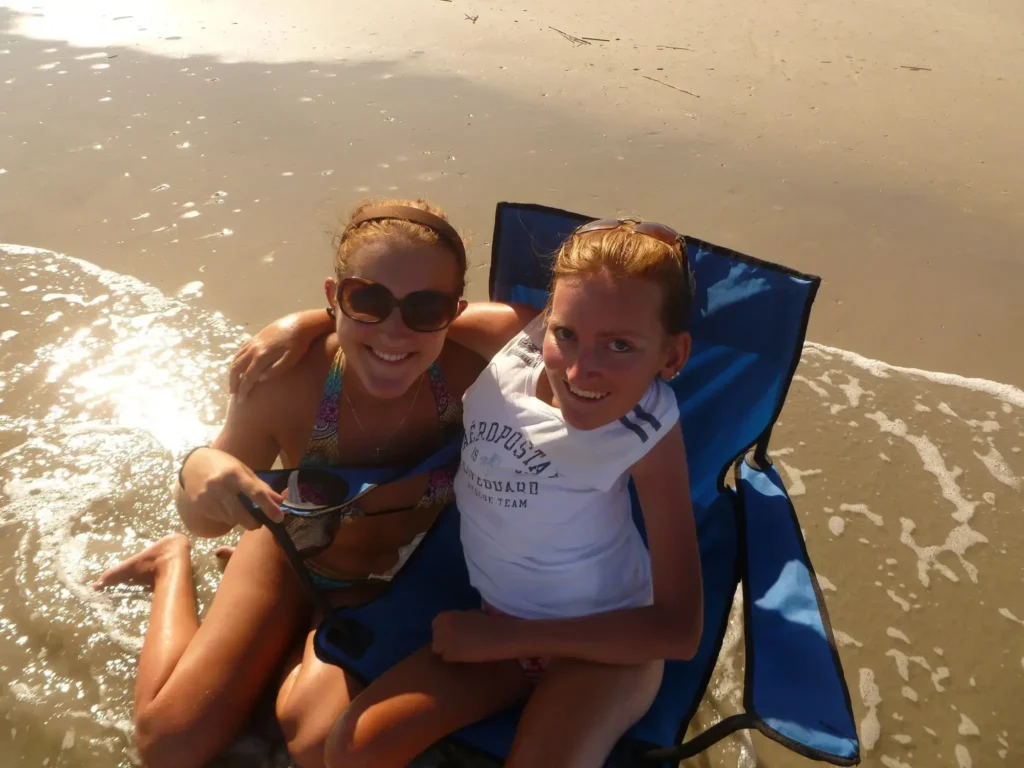
In Hilton Head, beach mats laid across soft sand created a pathway to the shoreline, allowing wheelchair users to reach the water without navigating loose terrain.
The drive that stayed with her
Of all her journeys, the drive from Yellowstone to Glacier stands out. Surrounded by mountains, lakes and forests, the scenery was constant and immersive. Unlike long, uneventful stretches of highway, this route offered continuous beauty. For Kelly, it was a drive she could have stayed on indefinitely.
Although challenges can be part of the road travel story, this method of travel goes beyond simply reaching a destination. It allows you to experience the journey with greater control, comfort and confidence.
Kelly’s five tips for planning an accessible road trip
Her advice for travellers is grounded in experience:
- Carefully review photos on booking platforms to identify potential barriers
- Communicate your specific accessibility needs clearly with hosts or hotels
- Research destinations and activities in advance
- Speak with a trusted doctor about contingency plans for health needs
- Stay adaptable and open to unexpected changes. Sometimes, hiccups make for the best stories
What she never travels without: Helpful products for accessible road travel
For travellers navigating mobility, respiratory or positioning needs, the right equipment can make all the difference. The following products, referenced by Kelly, may support greater comfort, safety and independence on the road:
- Z-Flo Positioning Cushions
Versatile, fluidized positioning cushions that provide adaptable support for sitting, resting and sleeping during long journeys. - BiPAP Machine
A non-invasive ventilation device that supports breathing, particularly during sleep or extended travel periods. - Roho Cushions
Air-filled cushions that enhance comfort and pressure relief, particularly useful on less supportive seating such as shower chairs. - CoughAssist Device
A mechanical insufflation-exsufflation device designed to help clear airways in case of respiratory distress or choking.
Kelly is an Invacare Ambassador