Listen to this Article
It did not begin as a travel plan.
Brad Ryan was in veterinary school, overwhelmed by the intensity of the work and the emotional toll that came with it. The connection he once felt with nature had faded, replaced by long hours indoors and a growing weight he could not shake. Anxiety deepened into depression, and at its worst, he describes constant suicidal thoughts as a quiet but persistent presence.
As a child growing up in southeastern Ohio, Brad shared a love of nature with his grandmother. They spent time outdoors together, visiting places like Blue Rock State Park and turning over rocks to see what lived beneath them. Those moments shaped how he saw the world and guided his path into wildlife veterinary medicine.
For ten years, however, they were estranged. Family dynamics following his parents’ divorce created distance that felt difficult to bridge. During one of the darkest periods of his life, Brad says his gut and heart told him he needed to be with her again, out in nature. She represented familiarity, safety and comfort.
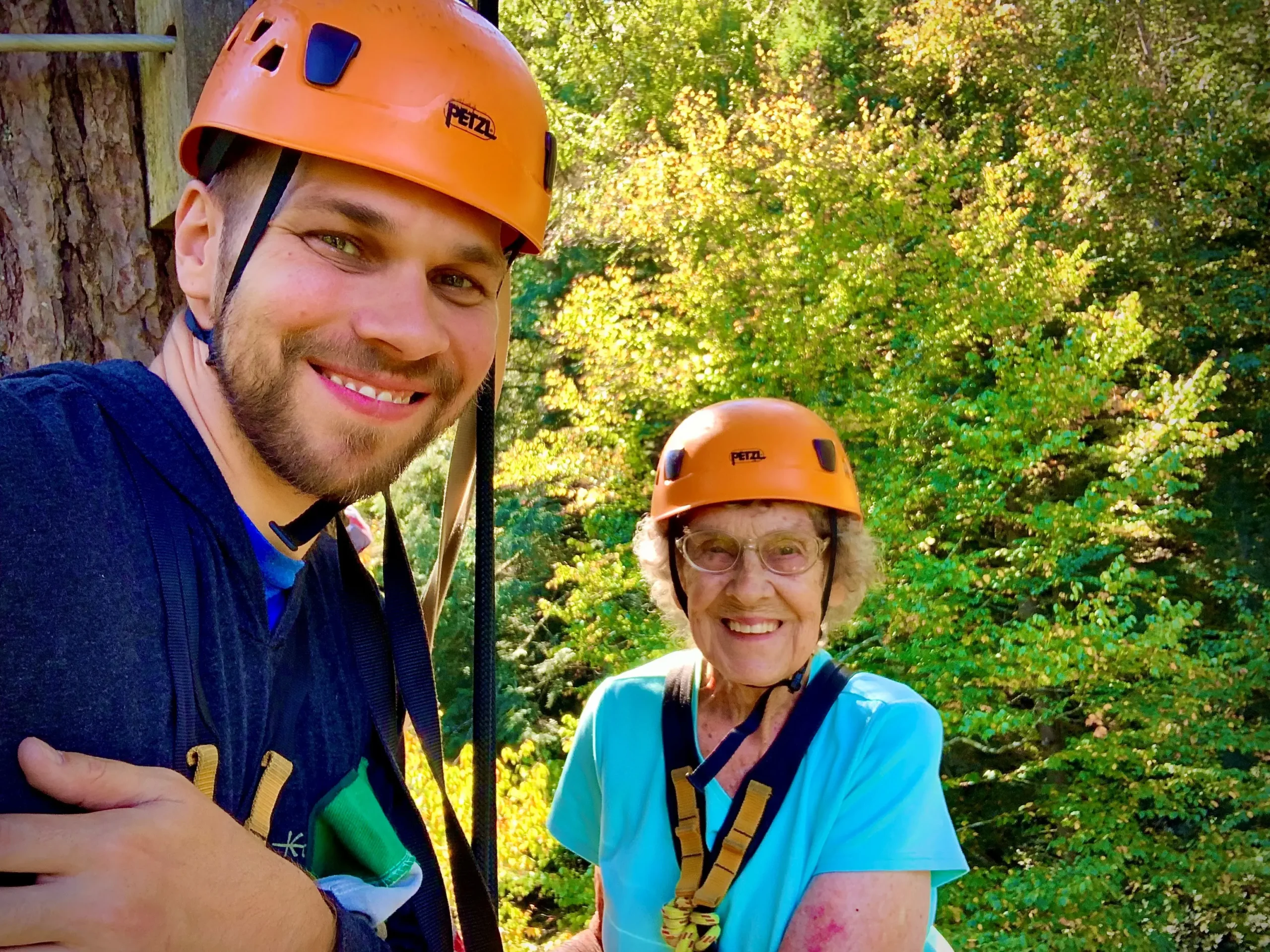
He reached out and invited her on a camping trip. At 85, Grandma Joy had never been camping. Still, she said yes without hesitation.
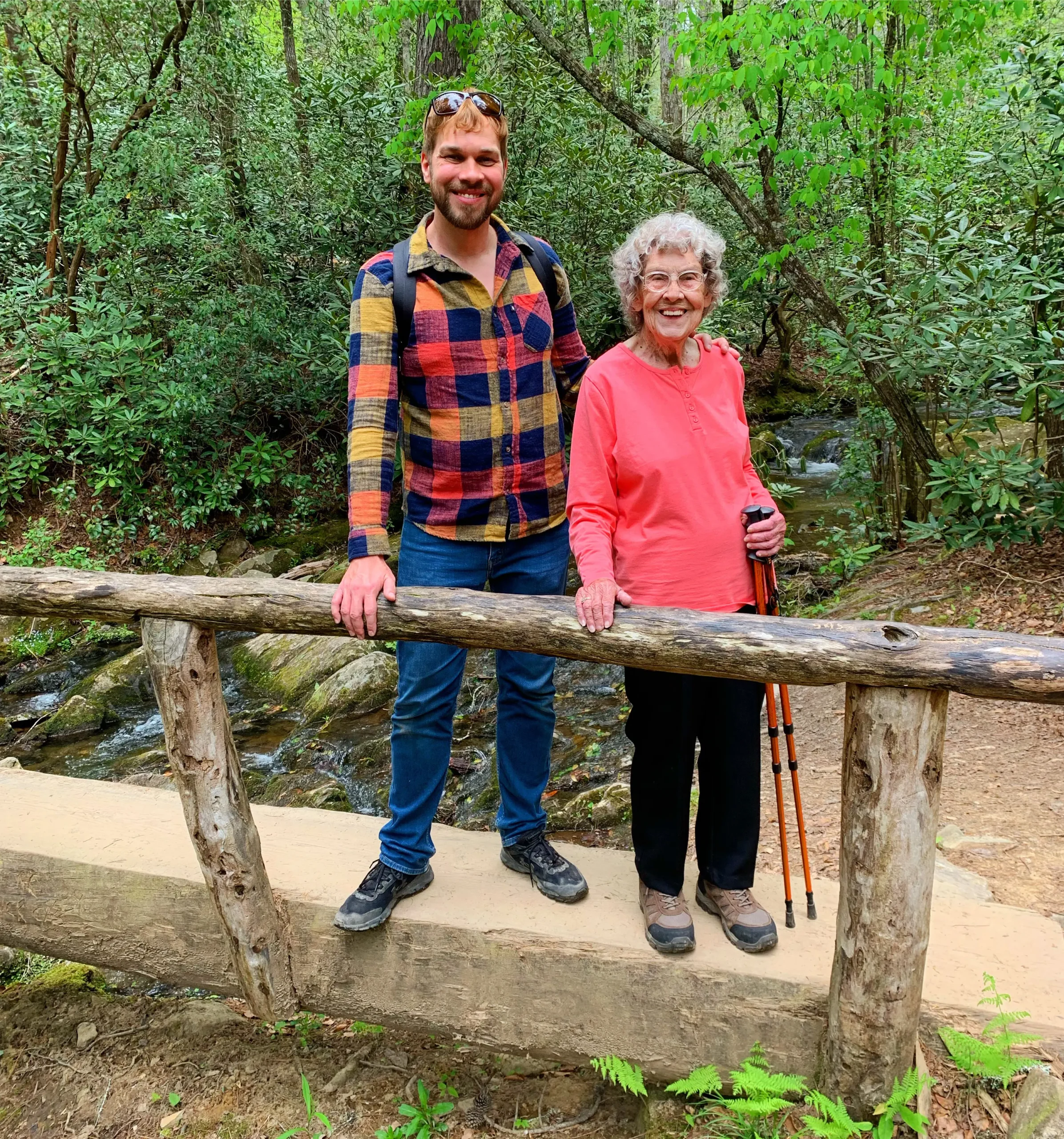
Their first trip to Great Smoky Mountains National Park began with uncertainty. Heavy rain followed them on the drive, and doubt crept in. Brad questioned whether he had made the right decision. He looked at her hands, fragile with age, and wondered how they would manage something as simple as setting up a tent.
That night, she stood beside him holding an umbrella while he worked. When they finally settled in, she fell off the air mattress a few times, and they laughed together in a way they had not in years.
By morning, fog covered the mountains she had never seen before. They waited, talking as they drove. When the fog lifted, the landscape revealed itself. At a trail marked “moderate to strenuous,” Brad hesitated. When he asked if she wanted to try, her response was simple: “Sure. We can always turn around.”
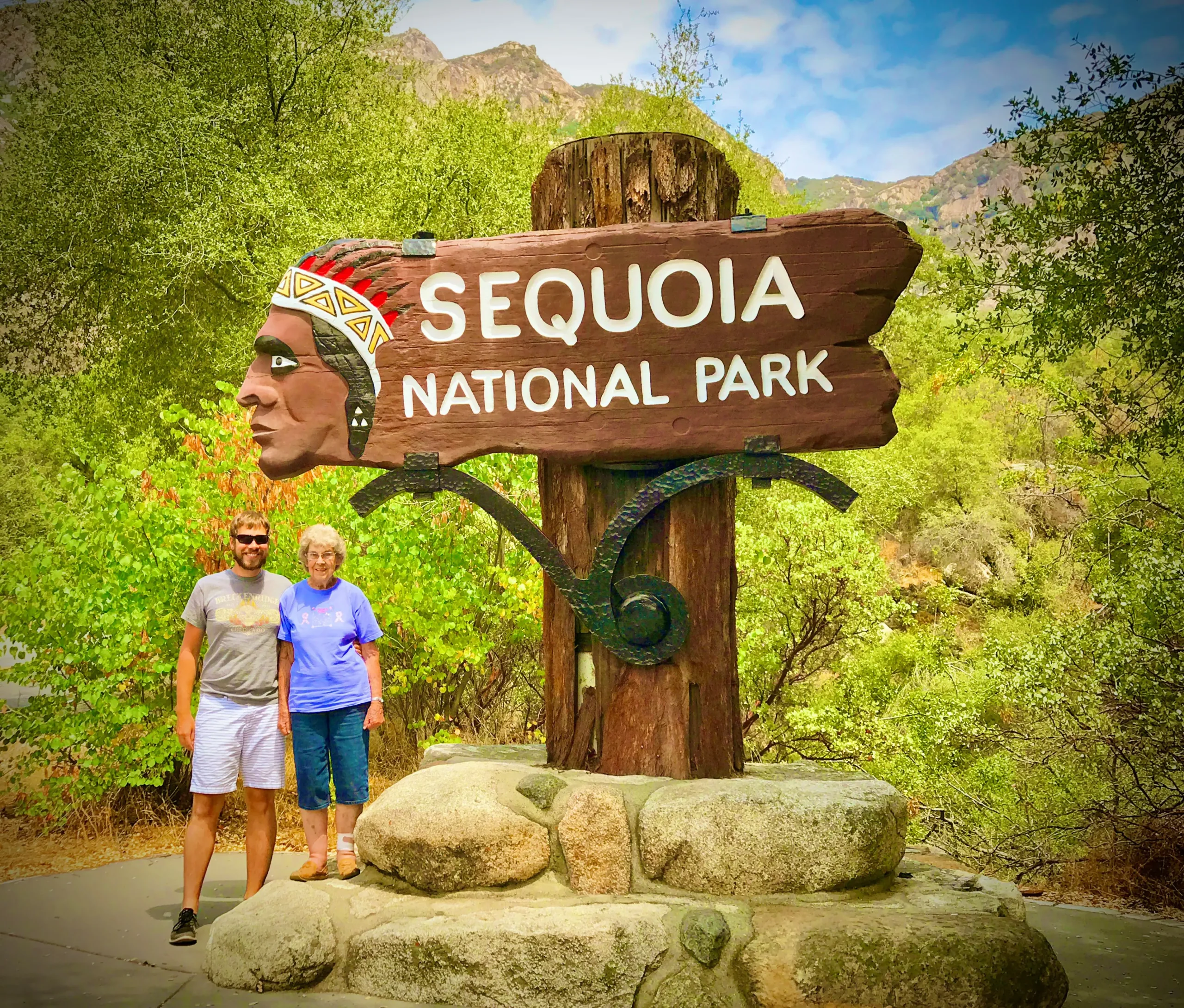
That willingness became the thread that carried them forward.
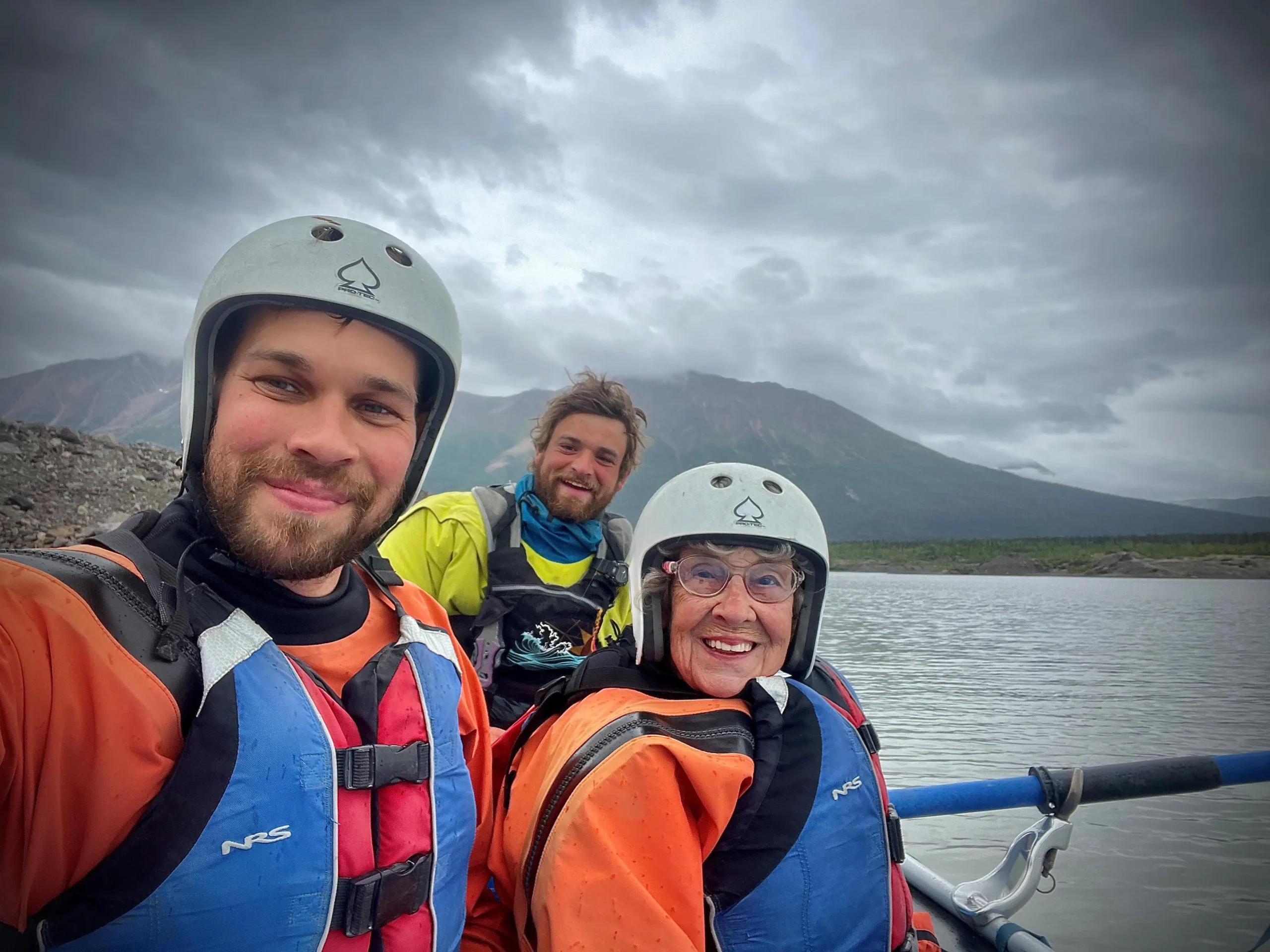
What began as a single trip grew into a seven-and-a-half-year journey across all 63 U.S. national parks. The distance they travelled was not only geographic. It was emotional.
On long drives, some moments were light and filled with humour. Others were shaped by years of distance and difference. The journey required them to learn each other again.
Brad describes himself as expressive, someone who processes emotions openly. His grandmother, shaped by a different generation, often kept her feelings internal. When those feelings surfaced, they sometimes appeared as frustration rather than vulnerability. Learning to understand each other took time.
They were also navigating physical differences. There were moments when Brad pushed too far on trails, only to find themselves deep into a hike with no easy way back. These were not seen as failures but as lessons in awareness, responsibility and listening more closely.
Gradually, something shifted. “I had to learn that there is a lot of beauty in slowing down,” Brad reflects.
Slowing down changed how he experienced everything. Details emerged that had always been there but overlooked. The colours of lichen on trees. The movement of insects across the forest floor. The textures of a place often missed when the focus is on reaching the next destination.
It also changed how they moved together. His grandmother grew stronger over time. Her stamina improved, and she was able to do more than either of them expected. At the same time, Brad slowed his pace. They met in the middle, finding a rhythm that worked for both of them.
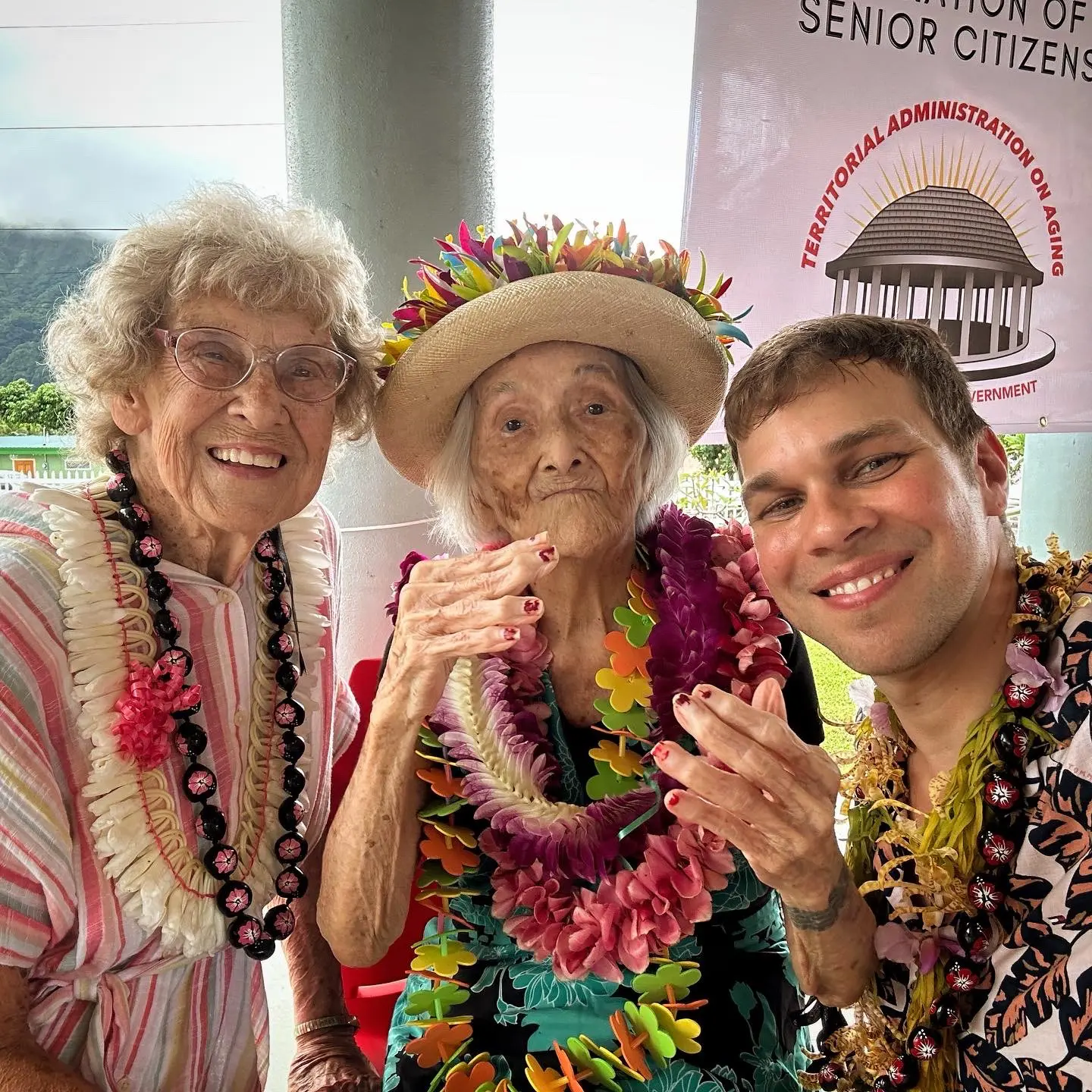
They eventually travelled to American Samoa, the final U.S. national park on their journey. Getting there was not simple. The pandemic created delays and uncertainty about whether they would complete the journey together. When they arrived, the moment carried a quiet sense of relief. There, they experienced something unexpected: a sense of belonging within a community where intergenerational connection was deeply embedded. They spent time by the ocean, engaged with local residents and observed traditions passed from one generation to the next.
Even after completing all 63 parks, their journey did not end.
They continued travelling, reinforcing that this was never about a checklist of destinations but about moving through the world together. Brad’s understanding of his grandmother deepened. She was no longer only part of his past, but someone fully seen, shaped by resilience, loss and strength. He now describes her as a superhero, not because of where she went, but because of how she lived.
Their travels became therapeutic. Nature created space for healing and softened difficult conversations. It allowed them to reconnect without pressure and rebuild what had been lost.
It also revealed something deeper. They were both lonely.
Brad speaks openly about the isolation he experienced during their estrangement. He also points to a broader reality: many older adults live with deep loneliness. Their journey therefore became, in part, a response to that reality. They chose connection.
The journey also reshaped how Brad understood accessibility. Across all 63 national parks, they found something they could experience at each location. Accessible visitor centres, scenic drives and thoughtfully designed pathways made meaningful engagement possible.
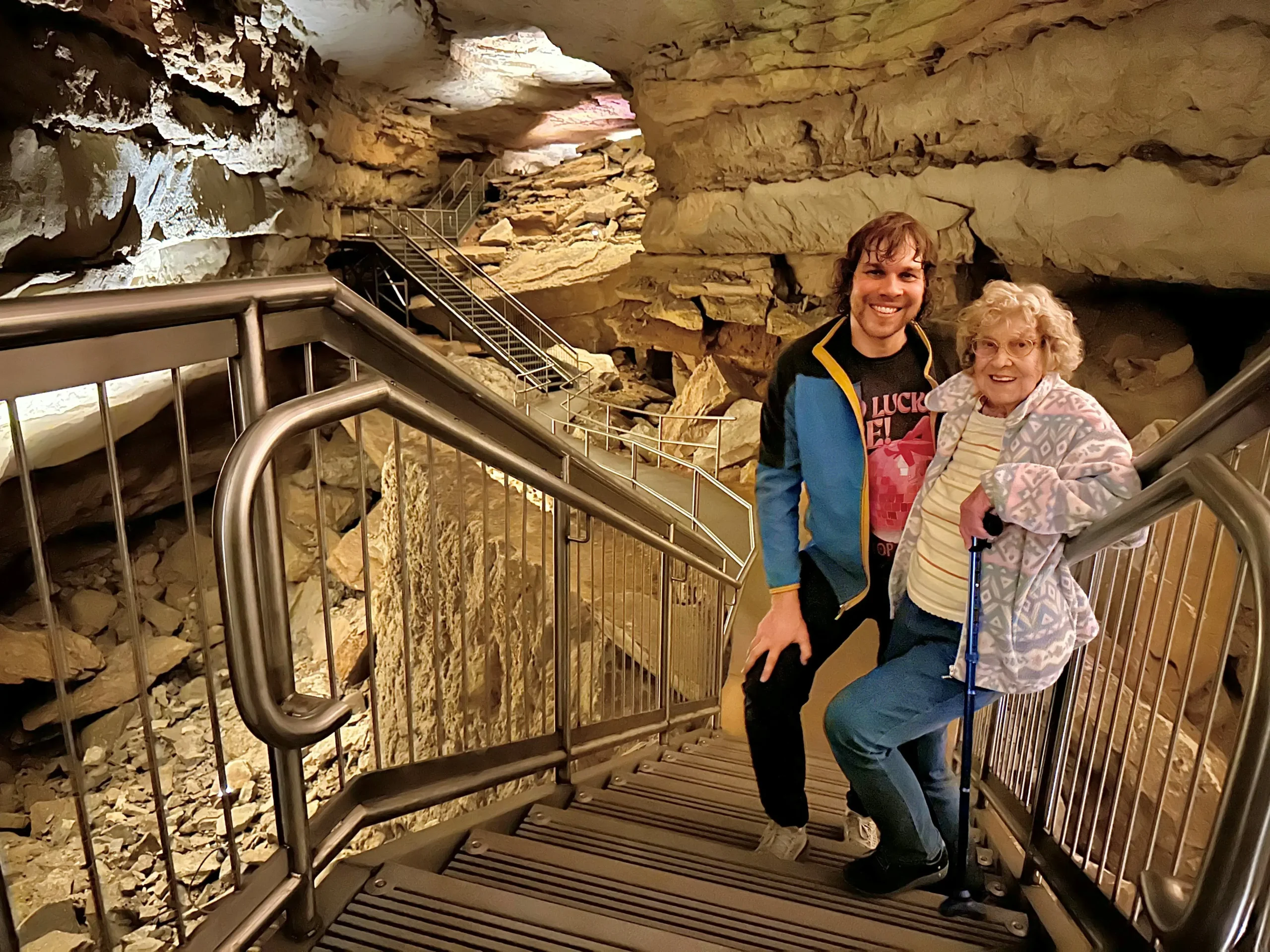
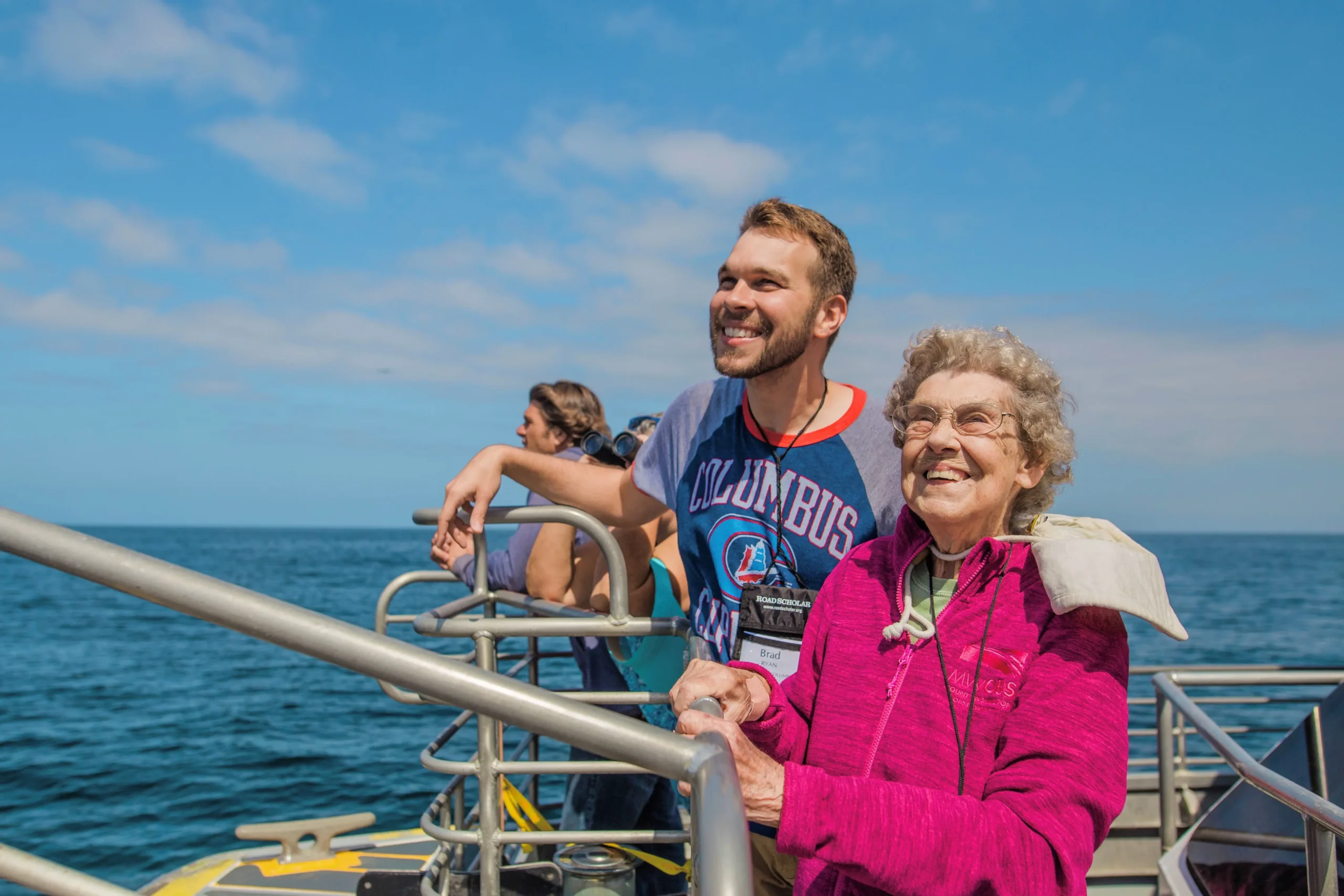
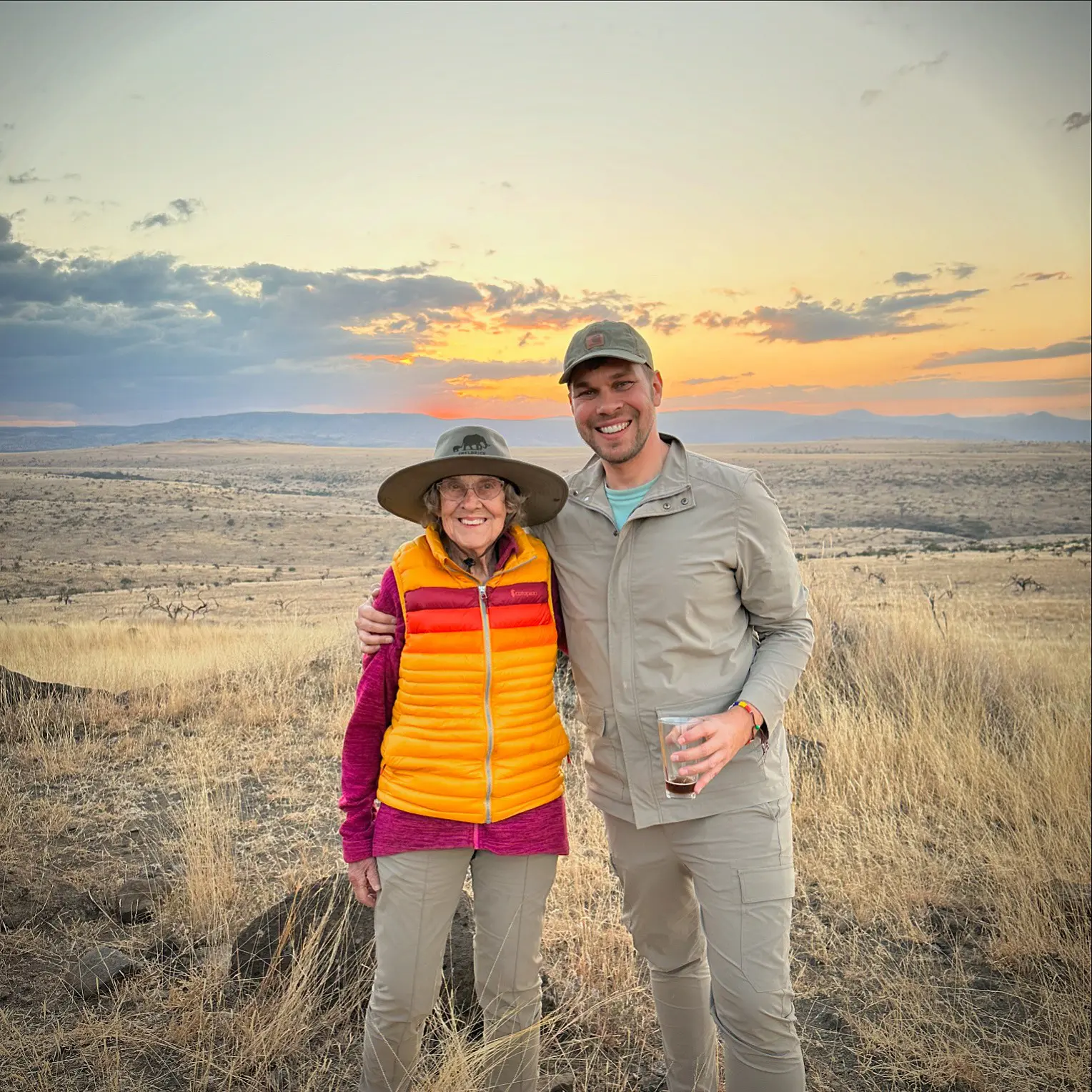
There were moments when certain experiences could not be shared, and he continued on alone, something she encouraged. Those moments were difficult but did not define the journey. Instead, they adapted, asked questions and worked with park staff to find options aligned with her abilities. They focused on what they could experience together.
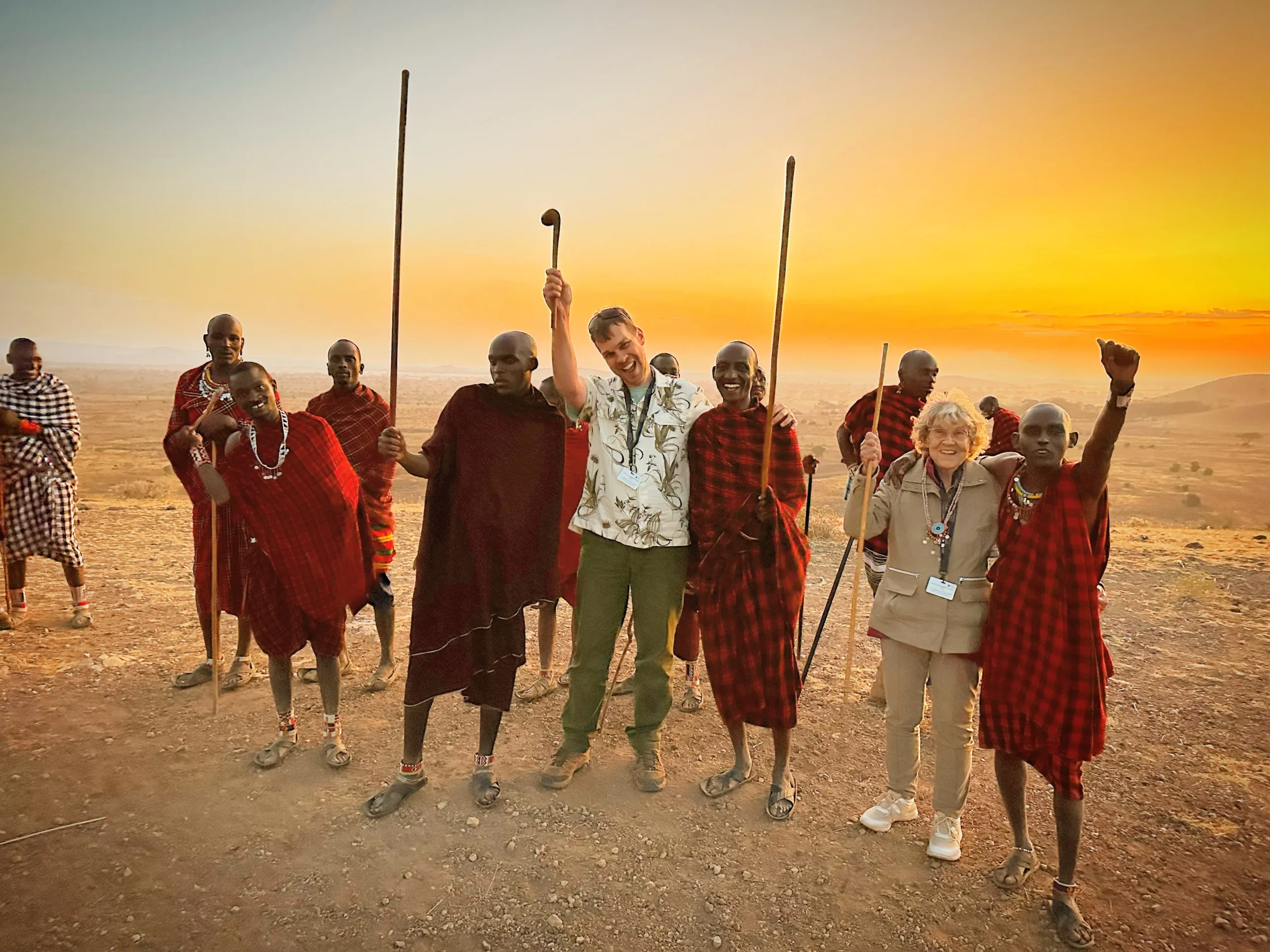
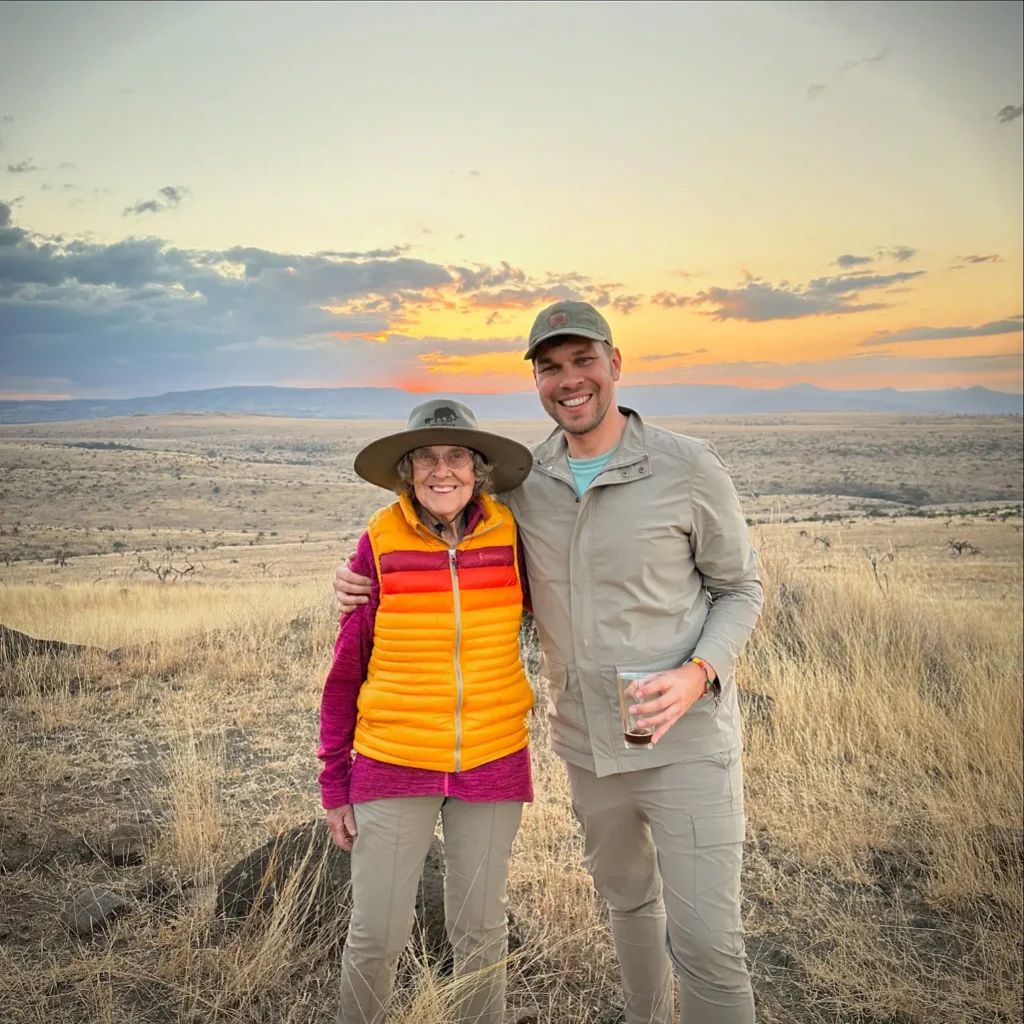
Their travels extended beyond the United States. In Kenya, they visited a Maasai village. For Brad, it was familiar. For his grandmother, it was entirely new, yet it felt recognizable. Surrounded by livestock and community life, it reflected her upbringing as a farm girl in Ohio. Grandma is now 96 years old, yet their adventures continue. Ireland is their next destination this April.
Intergenerational travel is often seen as limiting. For Brad, it expanded everything.
It reconnected him to nature, to family and to himself. It transformed travel from something to complete into something to experience.
There is beauty in slowing down. In that slower pace, connection, healing and meaning often emerge in ways that cannot be reached by moving faster.
Benefits of intergenerational travel
- Emotional healing and reconnection
- Therapeutic impact on mental health
- Reduce loneliness and deeper connection
- Improve physical health and stamina
- Cause a shift in pace and perspective
- Create greater understanding across generations
- Rediscover identity and purpose
- Expand view of accessibility and possibility
- Create lasting, meaningful memories
The Memoir
When Brad Ryan invited his 85-year-old Grandma Joy on a weekend trip to the Great Smoky Mountains, he simply hoped to fulfill her lifelong dream of seeing a mountain. Nearly a decade had passed since they’d spoken, and the trip was a tentative step toward repairing their relationship. Instead, it became the start of an extraordinary eight-year journey to all 63 U.S. National Parks—culminating in Grandma Joy becoming the oldest person to visit them all.
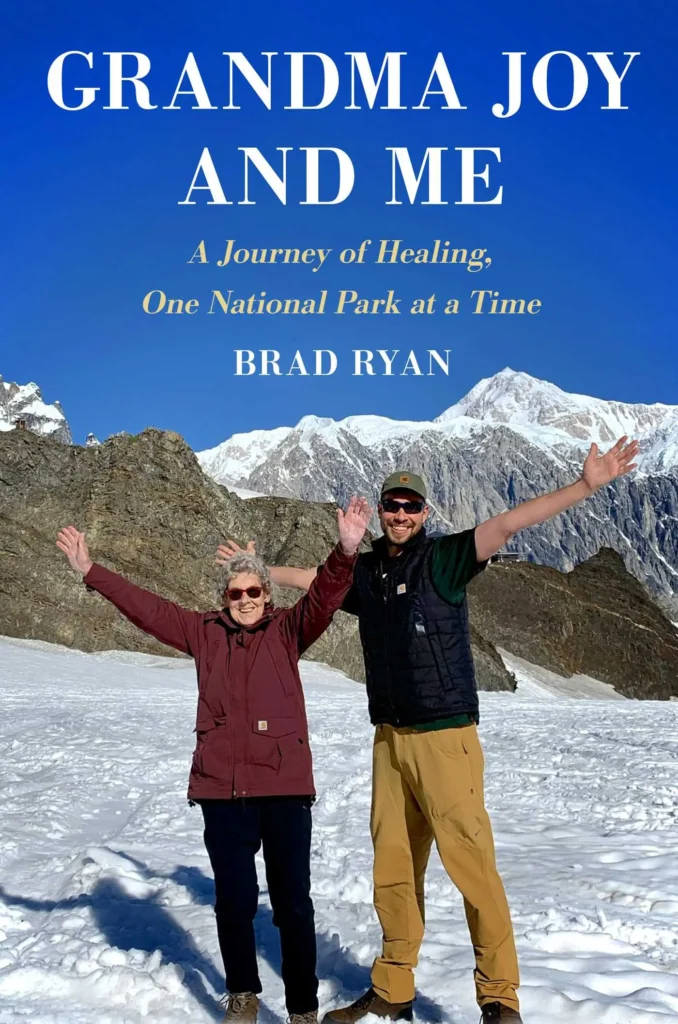
In his memoir, GRANDMA JOY AND ME: A Journey of Healing, One National Park at a Time (Simon & Schuster; June 16, 2026; 304 pages; $29), Ryan chronicles their cross-country adventure and the healing that unfolded along the way. Raised in Appalachia, Grandma Joy’s life was shaped by hardship and limited opportunity. Brad, meanwhile, carried the weight of family rifts, unresolved pain, and the challenges of growing up gay in rural America. Together, they set out not only to explore the country’s most awe-inspiring landscapes—from Denali’s towering peaks to the Everglades’ subtropical wilderness—but also to confront long-standing wounds and generational misunderstandings.
Along the way, they navigated bison traffic jams in Yellowstone, hiked among ancient redwoods in California, and rolled down vast sand dunes in Colorado. As they traveled, Brad reckoned with his strained relationship with his father and rediscovered the wisdom, humor, and resilience of Grandma Joy by his side. Each park became both destination and classroom, offering lessons about nature, forgiveness, courage, and connection.
GRANDMA JOY AND ME follow an 8-year adventure of intergenerational healing, wherein a grandmother and grandson find themselves released from the injustices—real and imagined—that had long held them hostage. An emotionally charged exploration of love, forgiveness, and resilience, this unique bond between a young man and his ninety-year-old grandmother is more than just any travel tale; it is a testament to what makes us deeply human.