Listen to this Article
For many disabled travellers, deciding where to go is only one part of planning a trip. The details that follow can determine how comfortably and confidently that journey unfolds, from accessible transportation and accommodation to communication support and the ability to share experiences with family and friends. Accessible Travel Americas for All focuses on addressing those practical details before the journey begins.
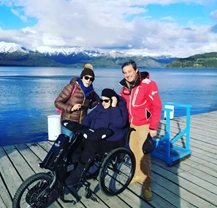
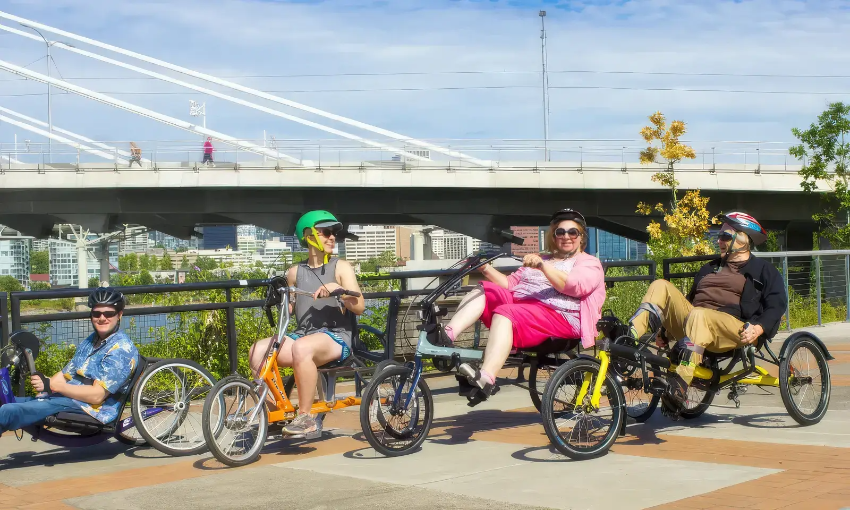
Rather than taking a conventional itinerary and adapting it after the fact, the company develops trips around the traveller’s mobility, communication, assistance and pacing requirements. Its services include accessible door-to-door transportation, accommodation planning, wheelchair rentals, assistance with particular activities and professional sign language interpretation in ASL, LSE and LSF. Deaf and hard-of-hearing travellers, wheelchair users, people with reduced mobility, seniors and families are among those the company serves through customized itineraries, escorted small-group tours and cruises. Friends and relatives can travel alongside them, making the experience less about separating an “accessible” trip from everyone else’s and more about finding ways for people to experience a destination together.
That approach opens the door to places and experiences that some travellers may have assumed were beyond reach. Accessible Travel Americas offers journeys throughout Chile, Peru, Brazil, Ecuador and Costa Rica, with programs that can take travellers from Patagonia and Chile’s Lake Region to Cusco, Lake Titicaca, the Amazon, the Galápagos Islands, Rapa Nui and Iguassu Falls. The itineraries are not limited to sightseeing from a distance. Depending on the destination and individual requirements, trips can incorporate national parks, wildlife, boat journeys, local communities, food, wine, history and cultural experiences. An Ecuador itinerary, for example, can combine the Andes, Amazon communities and the Galápagos, with transportation, accommodation, bilingual guiding and assistance for identified activities considered during the planning process. For travellers, that advance conversation is important. “Accessible” can mean very different things from one person to another, so discussing transfers, walking or wheeling distances, bathroom requirements, communication needs, equipment and the desired pace of a trip can reveal far more than a general accessibility label. With operations connected to both Chile and Oregon, the company combines regional knowledge with decades of experience organizing leisure, educational and specialist travel.


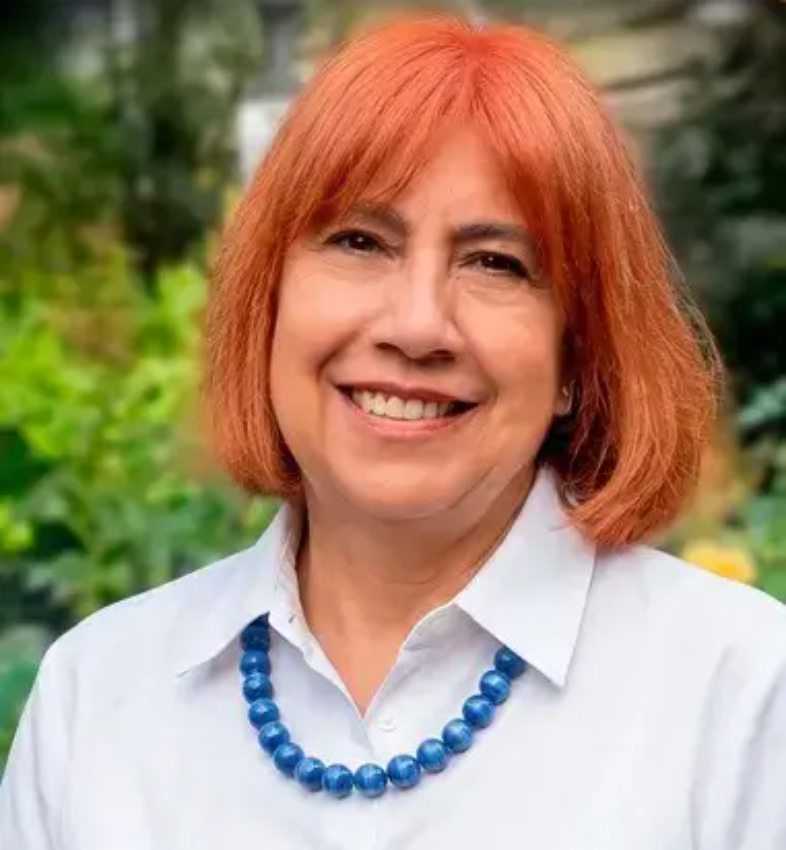
The person behind that philosophy is Consuelo Miranda Albónico, CEO and founder of Accessible Travel Americas for All, whose fascination with travel began in childhood in Santiago, Chile. The youngest and only daughter in her family, she grew up surrounded by books and music and became curious about languages and the world beyond Chile’s borders. A two-month journey through Patagonia became an early turning point. She began visiting travel agencies, studying itineraries and creating imaginary journeys of her own. Years later, while living in Oregon with her American husband, travel became intertwined with education when they created an immersion program for Chilean high school and university students studying English and explored the Pacific Northwest with them on weekends. After completing an interdisciplinary master’s degree, Consuelo and her husband established Anglatin Travel, organizing technical and study tours that brought professionals together to exchange practical knowledge. In 2014, her work moved in a more personal direction with the creation of Accessible Travel Americas for All. Her brother’s diagnosis with multiple sclerosis had exposed the barriers created by inaccessible environments and inadequate travel planning. Her family’s experience with her father’s Parkinson’s also deepened that understanding. For Consuelo, accessibility became inseparable from dignity, independence and the freedom to experience the world. Travel had always been her passion. Accessible Travel Americas became a way of ensuring that more people could share in it.