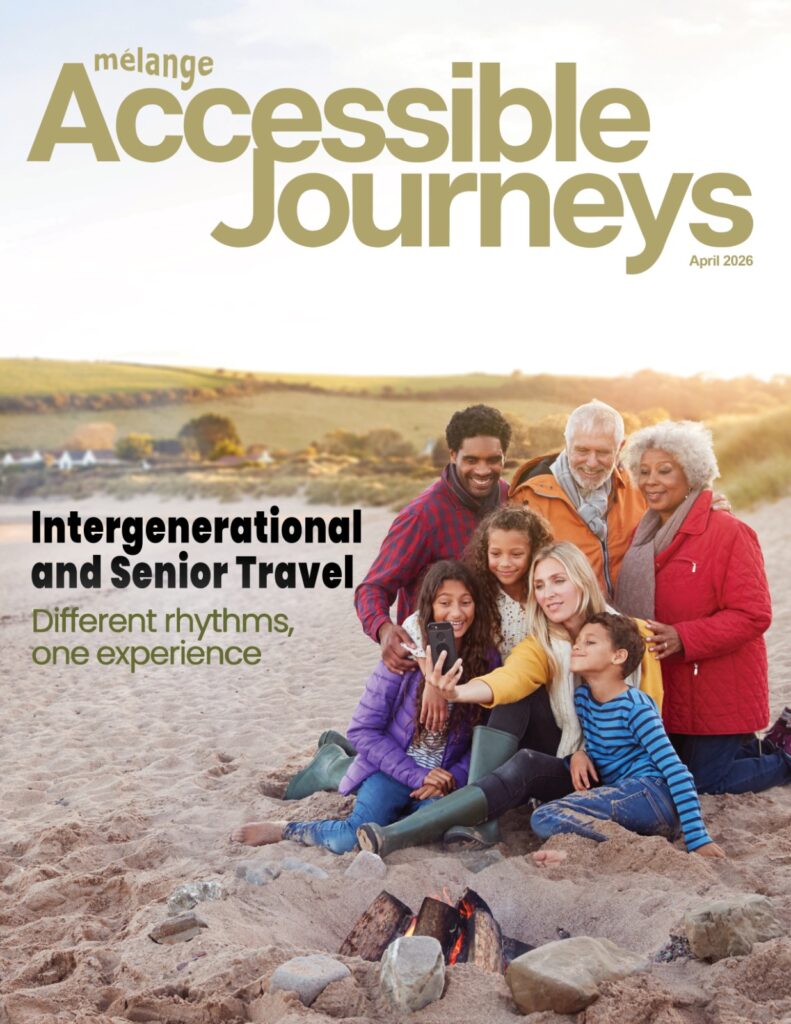
Travel has a way of revealing what really matters. It shows us what we rely on, what we take for granted, and what we need in order to feel confident, dignified, and free.
For me, travel is at its best when the world is accessible, because when it is, the experience is pure joy. Independence feels natural, not negotiated. And the journey becomes something to enjoy, not endure. This issue’s focus on intergenerational travel matters deeply. When children, parents, grandparents, and carers travel together, the challenges can quickly add up.
10 practical tips for creating a rewarding intergenerational travel experience
Plan with everyone, not for everyone
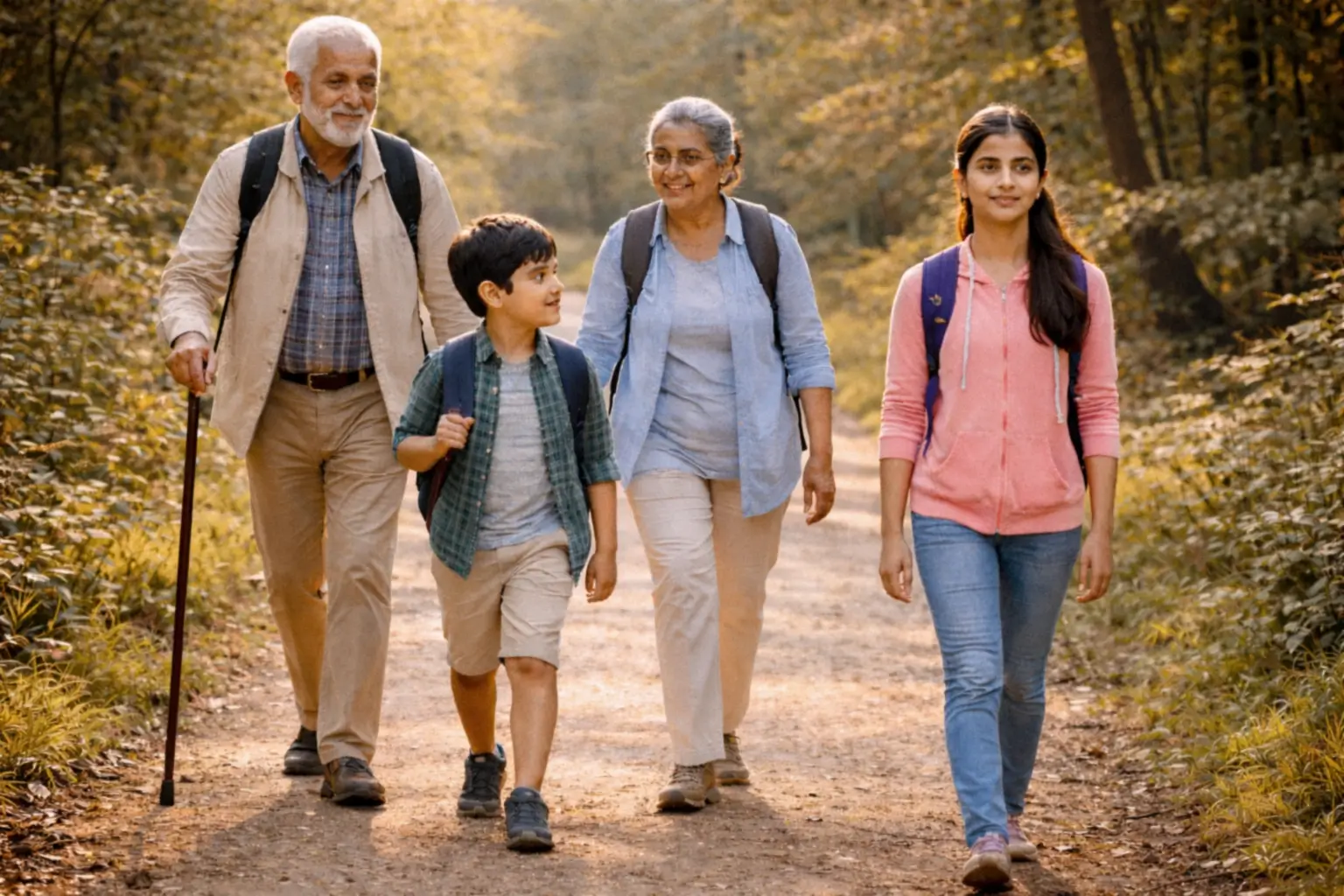
Include each generation in the planning process. Even young children and older adults can share preferences. This builds anticipation and ensures no one feels like an afterthought.
Prioritize comfort and accessibility
Choose accommodations and destinations that support different mobility levels, energy levels, and sensory needs. Proximity to attractions, elevators, seating areas, and quiet spaces matter more than you think.
Intergenerational travel creates stronger families and more
confident young people
For some families, a trip abroad ends when they return home. Photos shelved, stories briefly shared, then life resumes. However, for Lynette and Michael Rooker of Montreal, the impact continues long after. What they bring back remains present and influential. It surfaces in conversations, ambition and in the way their children and grandchildren carry themselves long after the beaches, cities and hotel rooms are behind them. It continues to shape how each generation sees the world.
How Traveling Savvy Seniors founder Mary R Johnson
helps seniors travel and live abroad with confidence
Kanya Sesser arrives at an airport prepared. She asks questions, sets expectations and knows exactly what she needs before moving through security or boarding a flight. Travel is part of her work and her routine, shaped by years of competing, modelling and appearing on international stages.
Tori Hunter on intergenerational travel: How support and independence work together
Travelling with my parents makes everything significantly easier. They’ve been advocating for me since the day I was born — far longer than I’ve been advocating for myself — so they have a deep, intuitive understanding of my disability and my access needs. They’ve also had years of practice troubleshooting on the go, which means we’re rarely caught off guard.
When generations travel together:
The realities no one posts about
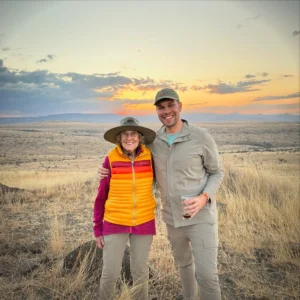
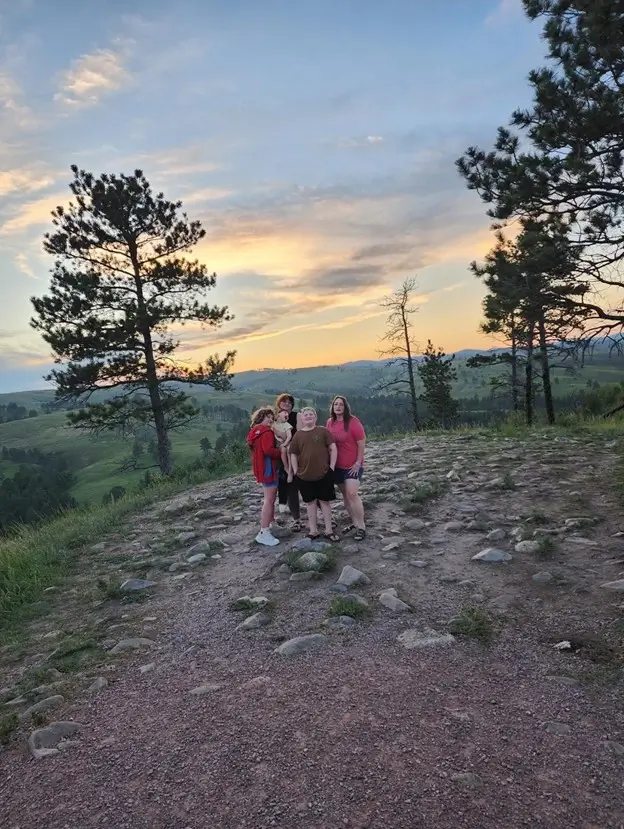
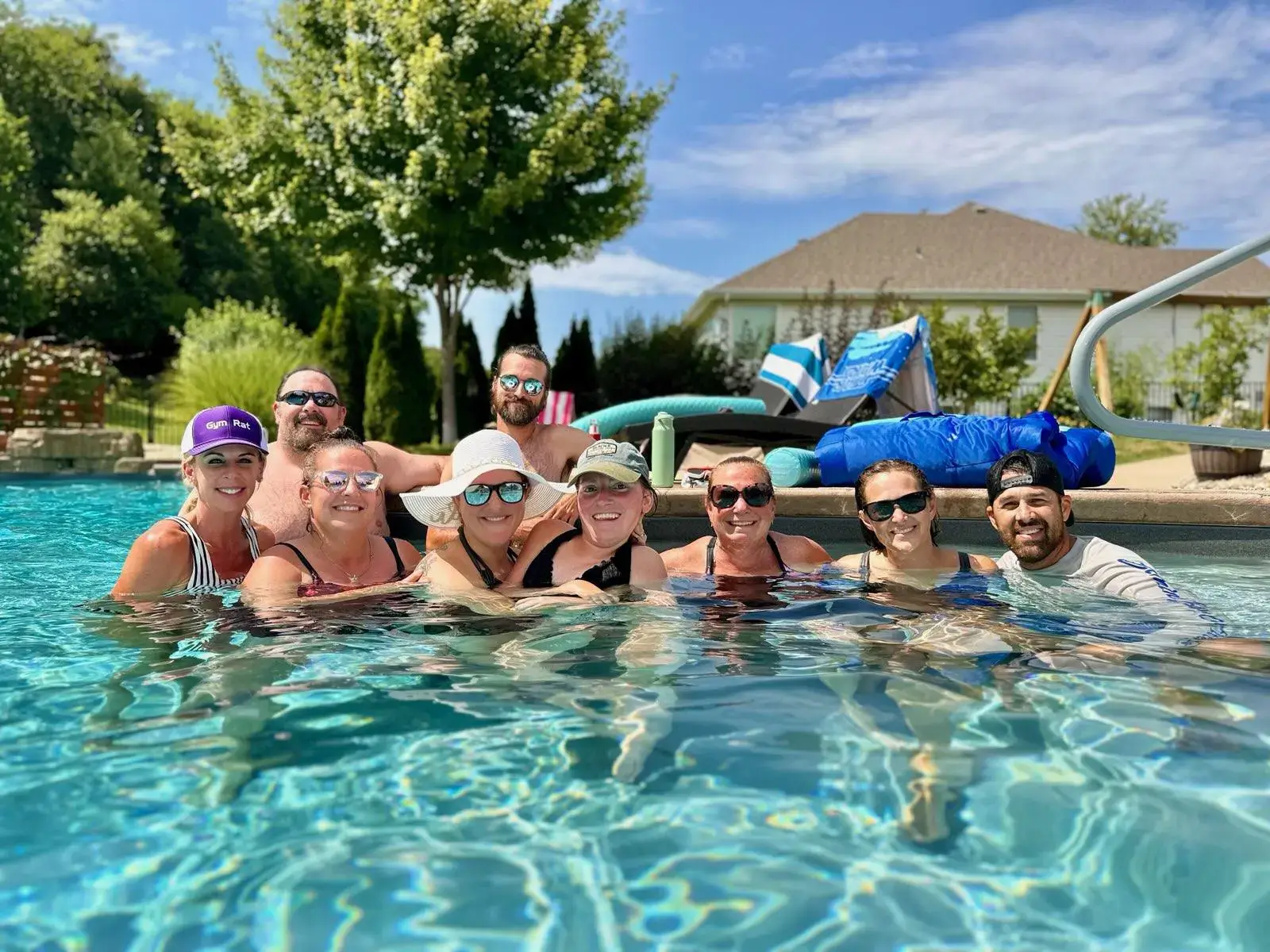
The photos always seem effortless: three generations stand shoulder to shoulder at sunset, a grandparent holding a toddler’s hand while adult children smile radiantly in the middle. The caption usually reads something like “Making memories” or “So grateful for this time together.”
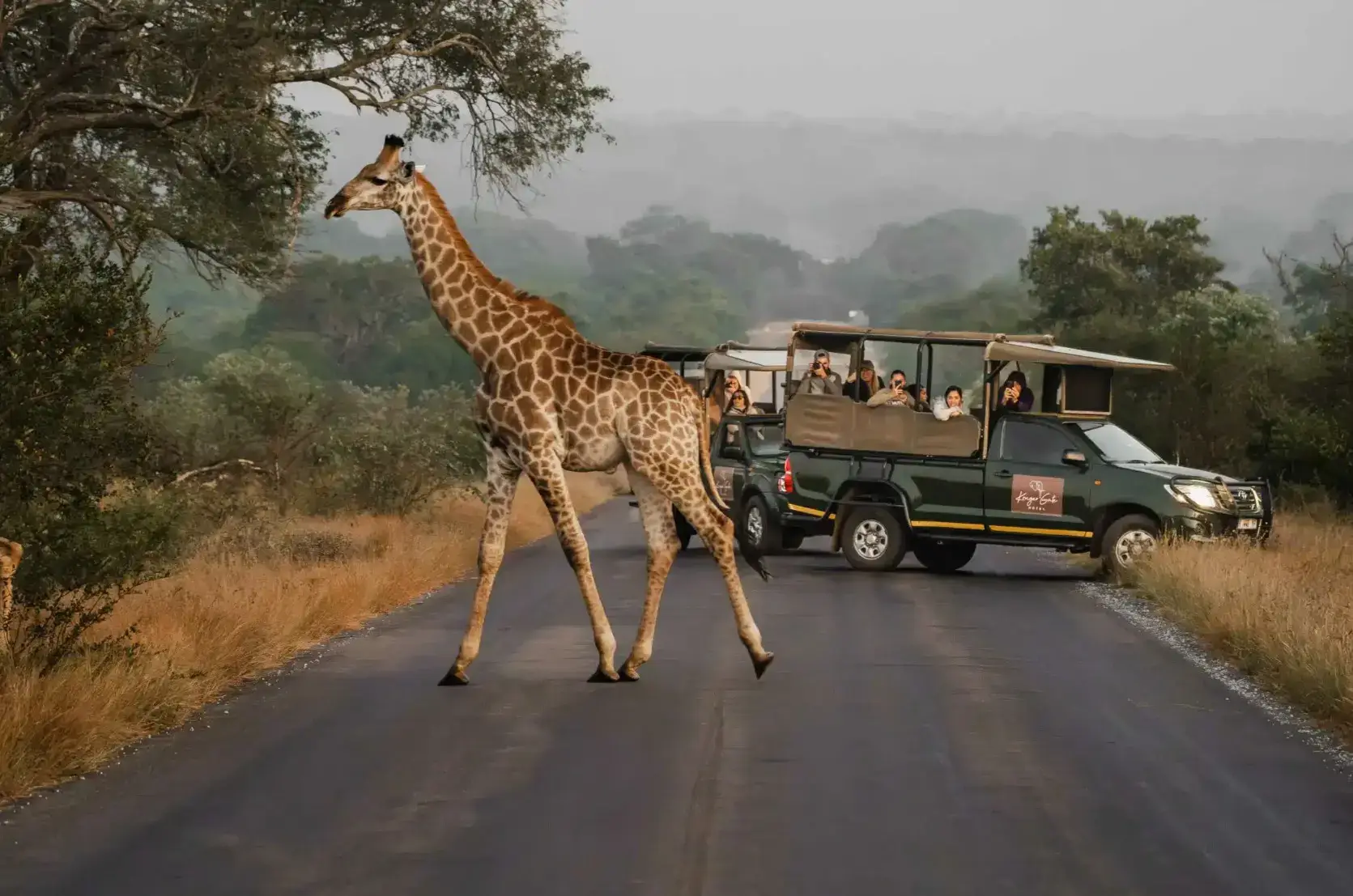
Senior Safaris make African travel easier and more accessible for older travellers
For many travellers, the idea of a safari brings to mind long drives, wide open landscapes and a sense of unpredictability that can feel both exciting and overwhelming. For older travellers, those same elements can sometimes feel like barriers. Questions around logistics, mobility and safety can quietly push travel dreams aside.
Independence in travel starts with better product design
By Sumaira Latif
Traveling always brings the excitement of discovering a new destination, especially for the first time. For me, that excitement is always mixed with a bit of trepidation as I figure out how to adapt to an unfamiliar environment, its cultural norms, and potential language barriers. And often, that challenge shows up in the most ordinary products, as I discovered on a recent trip to Tokyo.
A grandson and his grandmother find healing through intergenerational travel: Grandma Joy and me
It did not begin as a travel plan.
Brad Ryan was in veterinary school, overwhelmed by the intensity of the work and the emotional toll that came with it. The connection he once felt with nature had faded, replaced by long hours indoors and a growing weight he could not shake. Anxiety deepened into depression, and at its worst, he describes constant suicidal thoughts as a quiet but persistent presence.
Q&A How inclusive product design is transforming travel experiences
By Sam Latif
Travel has a way of revealing what really matters. It shows us what we rely on, what we take for granted, and what we need in order to feel confident, dignified, and free.
For me, travel is at its best when the world is accessible, because when it is, the experience is pure joy. Independence feels natural, not negotiated. And the journey becomes something to enjoy, not endure. This issue’s focus on intergenerational travel matters deeply. When children, parents, grandparents, and carers travel together, the challenges can quickly add up.
Intergenerational travel brings together different ages, abilities and expectations, which means the destination matters as much as the itinerary. The most successful destinations are those that offer flexibility, accessibility and a range of experiences that can be enjoyed at different paces. While there is no one-size-fits-all answer, here are some destinations that consistently stand out for their ability to accommodate diverse needs across generations.
The Palm Beaches, Accessible Destination Spotlight
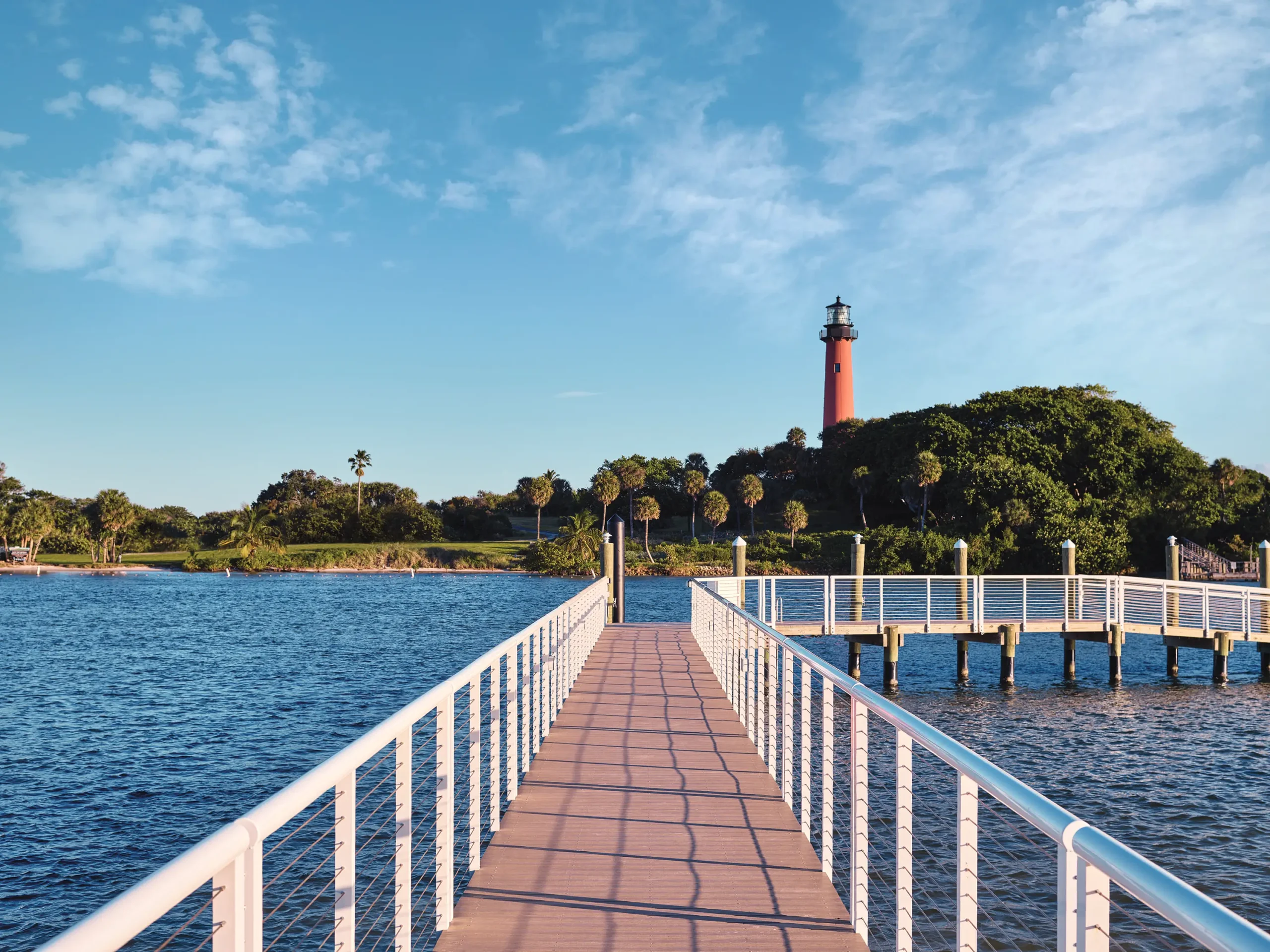
Located in southeast Florida, The Palm Beaches are a collection of 39 vibrant coastal towns. Visitors can immerse themselves in the colorful culture and nightlife of West Palm Beach, soak up natural beauty in Jupiter, travel back in time in luxurious Palm Beach, and sample the culinary treasures of Boca Raton. In between, dozens more towns await — from trendy Delray Beach to the golf haven of Palm Beach Gardens.
Sebastian “Zuco” Carrasco’s adaptive climbing journey proves adventure does not end after injury
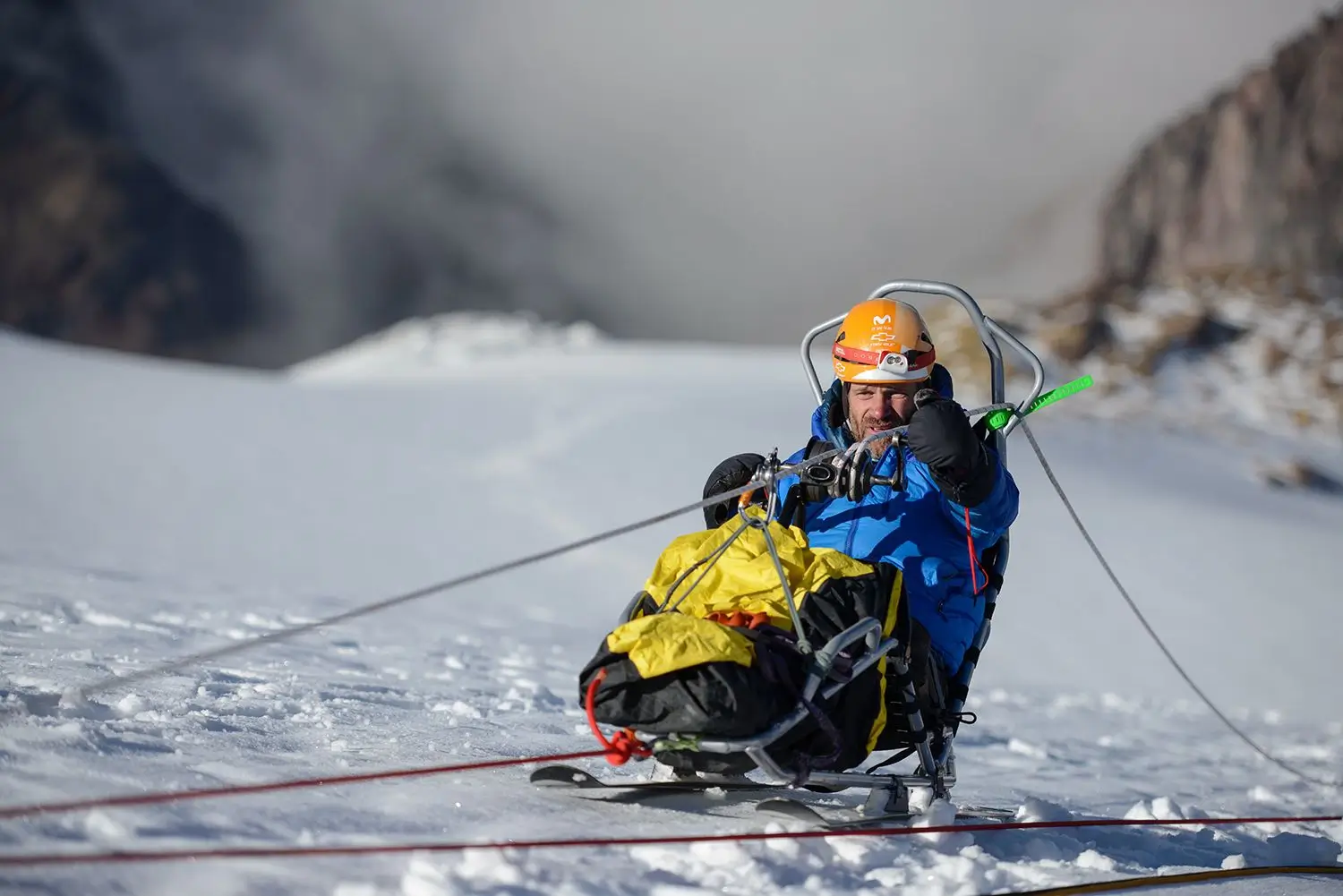
Sebastian Carrasco Zuffi, also known as Zuko, built his life in the mountains long before his path changed. As a UIAGM-certified mountain guide and international climber, he travelled and climbed across Canada, Australia, New Zealand and South America. His profession demanded technical precision, endurance and independence. That reality shifted dramatically after a fall resulted in a C6 spinal cord injury, altering not only how he moved through the world but how he would continue to engage with it.
What happens when things go wrong (delays, meltdowns, inaccessible service)?
A: I noticed the question was worded as “when,” not “if,” because in real life it’s inevitable that something will go wrong. I’m not sure if our roles as disability parents make us more flexible, knowing that we need to hold each day with open hands, or if our need for control, and so little ability to have any, makes us that much more anxious to clench our fists and hold on. Regardless, the only way to enjoy life is to let go of whatever remaining control you think you have.
This winter was a season of caring for family needs. This provides me with the unique gift of time. Instead of rushing to share all that we’ve done, I’d like to use this issue to take a step back and share some of our absolute favorites. These are destinations where welcome is woven into every experience and accessibility will never have to cross your mind because inclusive design has made you limitless.
The more the merrier: adding multiple
generations into the chaos of family
travel
By Amy Tarpein
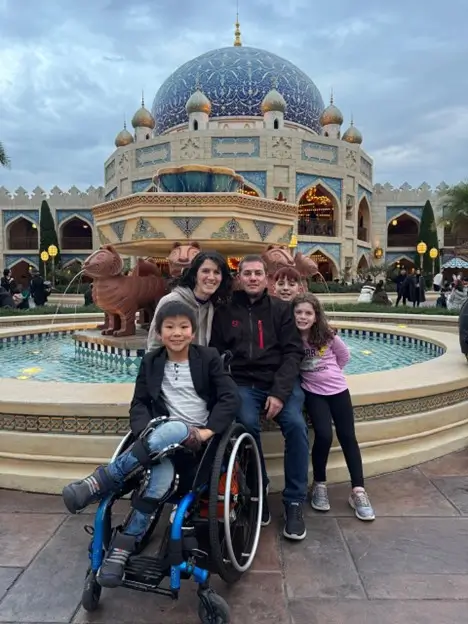
In many ways, families like ours who are raising children with disabilities are already ahead of the curve when it comes to adding parents and grandparents to the travel mix. We know how to choose accessible destinations. We move at a pace that works for everyone, from toddlers to grandparents. And we’re used to adapting when medical or mobility needs shift the plan.
What happens when things go wrong (delays, meltdowns, inaccessible service)?
A: I noticed the question was worded as “when,” not “if,” because in real life it’s inevitable that something will go wrong. I’m not sure if our roles as disability parents make us more flexible, knowing that we need to hold each day with open hands, or if our need for control, and so little ability to have any, makes us that much more anxious to clench our fists and hold on. Regardless, the only way to enjoy life is to let go of whatever remaining control you think you have.
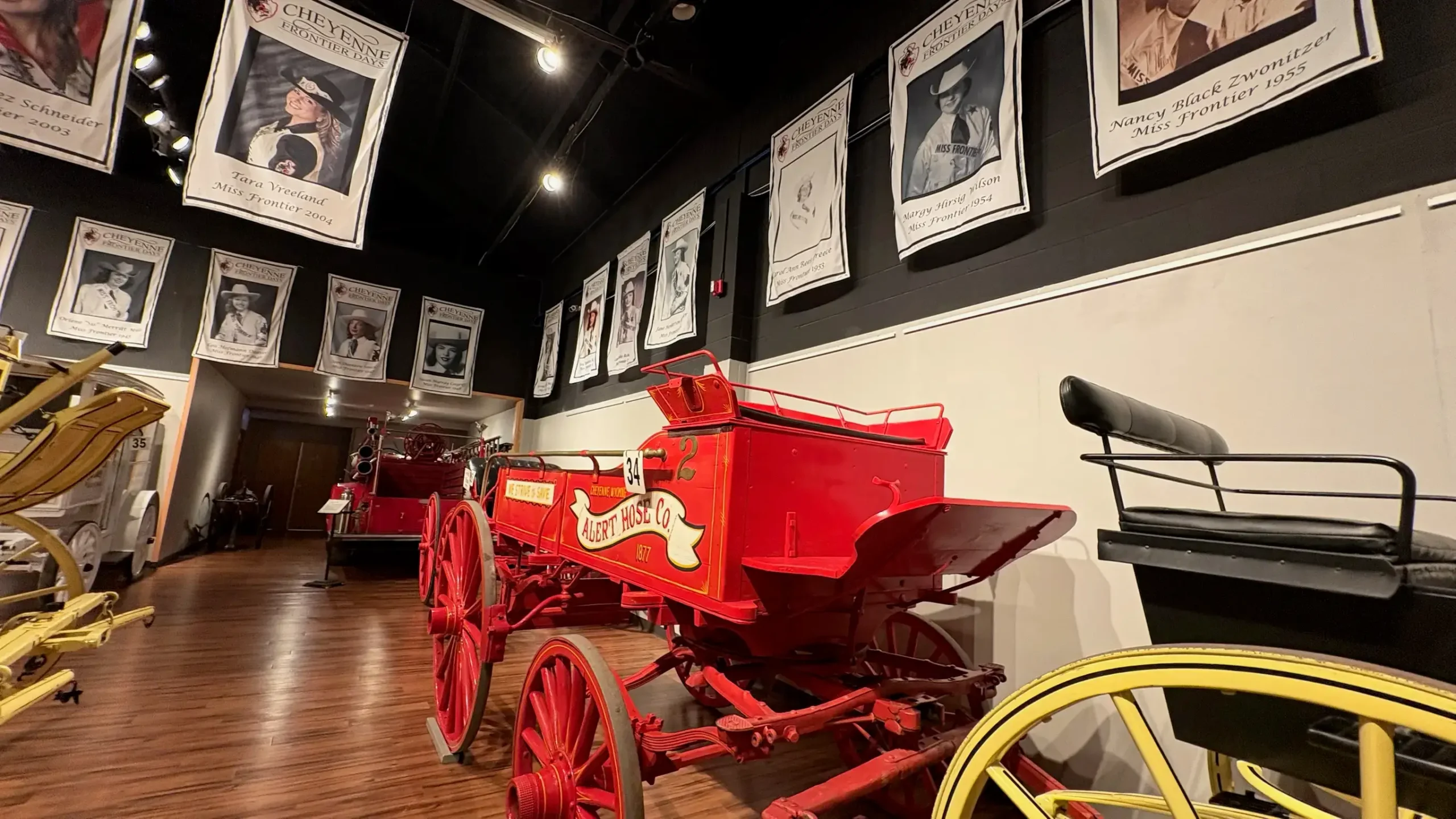
When I think about the wild west, wheelchair accessible isn’t what comes to mind. Cheyenne, Wyoming, changed thatopinion. It was a fun and informative trip with my brother, Mark. As hesitant as I was at first, I quickly saw a city with plenty to offer and accessibility nearly everywhere we went.
Jackson’s African Safaris creates accessible experiences with dignity and detail
For many travellers, an African safari is a dream shaped by images of wildlife, wide-open landscapes and luxury lodges. For disabled travellers, that dream often comes with additional questions: Will the room work? Can the vehicle accommodate my needs? Will I feel safe, respected and properly supported in a remote environment? According to Timothy Jackson of Jackson’s African Safaris, those answers depend less on marketing language and more on knowledge, planning and honest communication.
Where the Shoreline Opens: Accessible Beaches, Ocean Tourism, and the Power of Belonging
By Elsie Gabriel
No Gravity. Nirvana. The sea has always promised freedom.
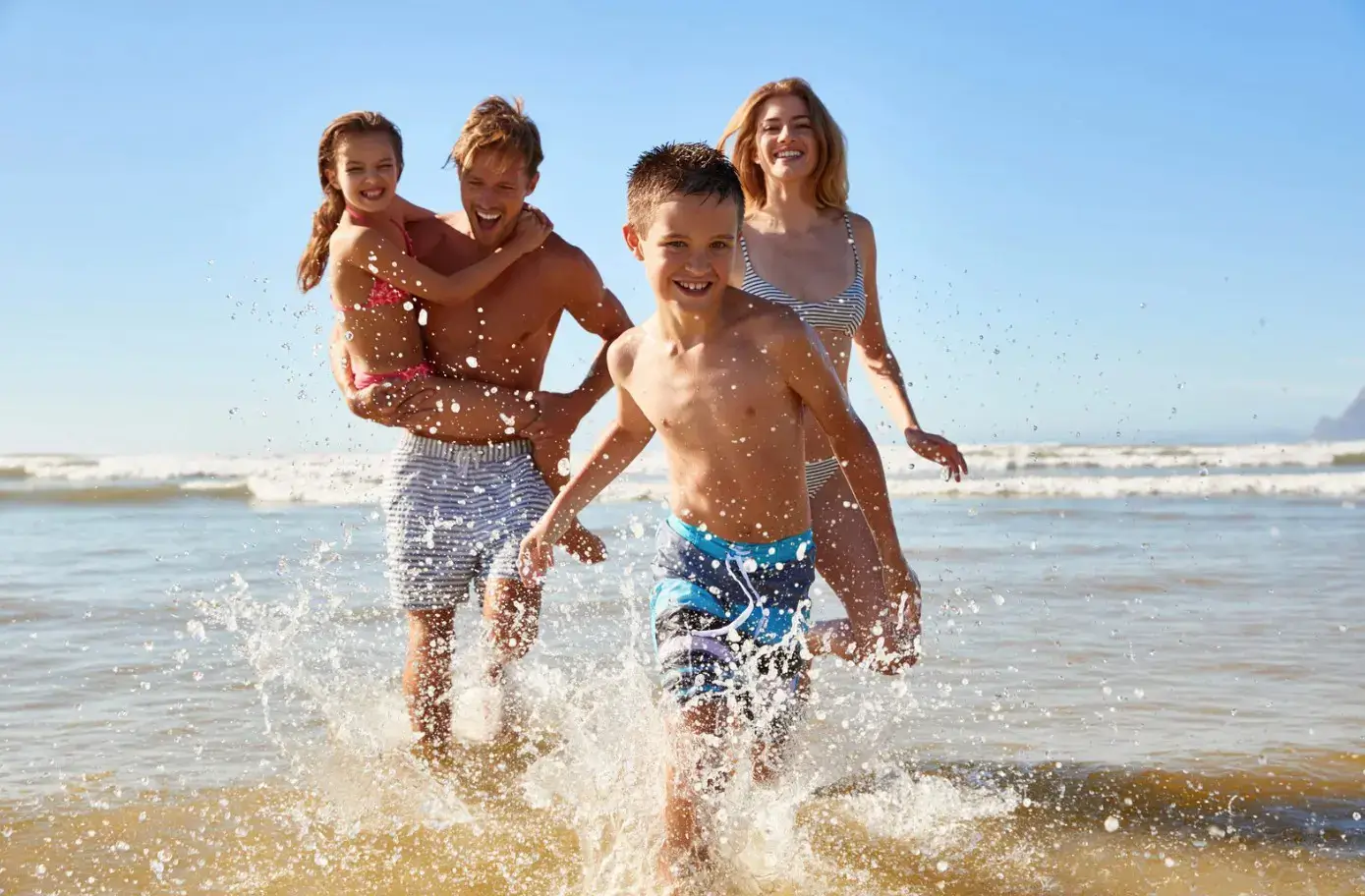
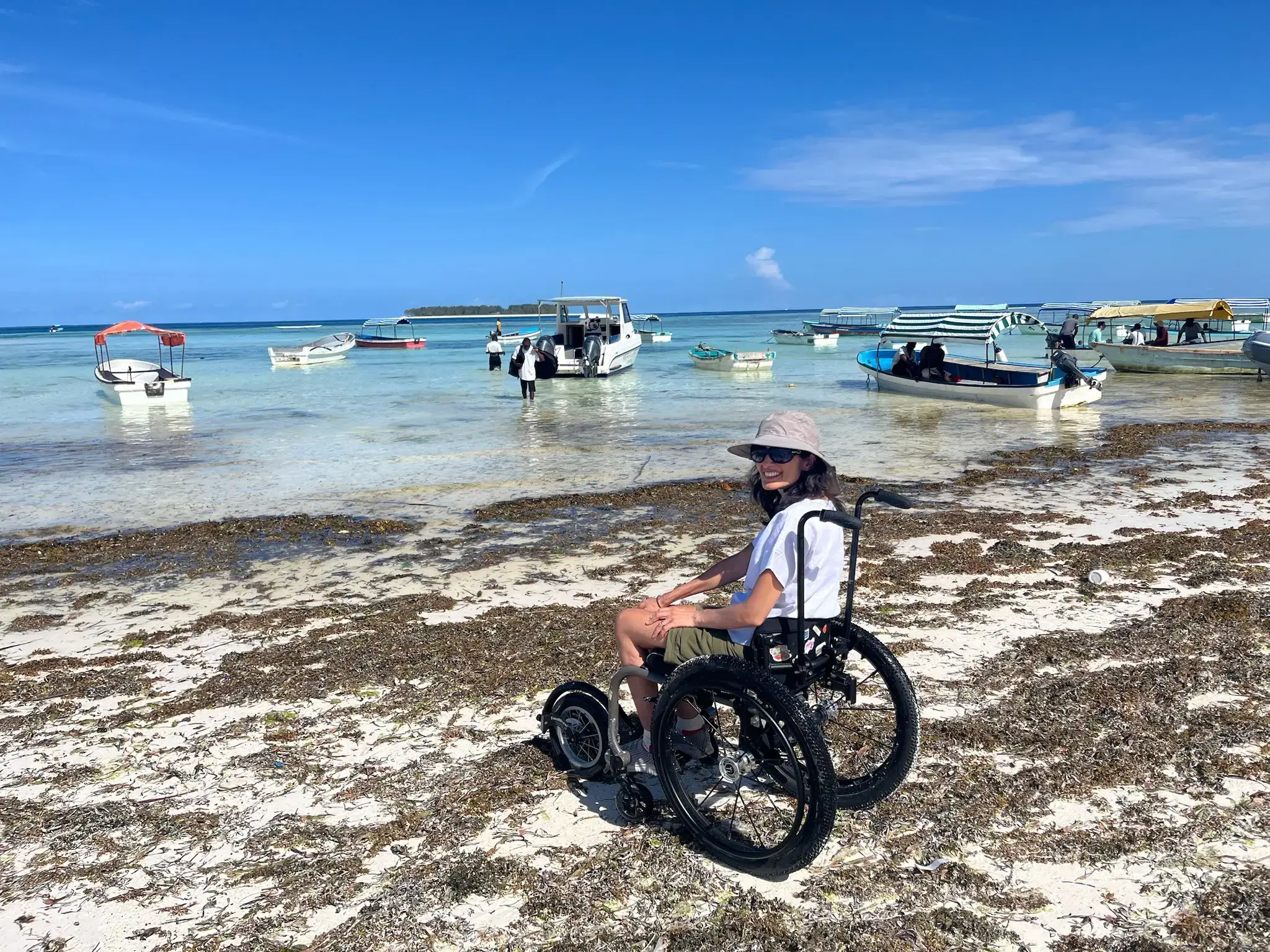
For travellers from all over the world , the shoreline is a place of simple joy, walking barefoot across soft sand, simply listening to waves ripple against the shore, feeling the salt wind on one’s face. Yet for millions of people with disabilities, that same shoreline can be a quiet barrier. A short flight of steps, deep rugged sand without pathways, boats without transfer systems, or the uncertainty of whether assistance will be available can transform a dream of an ocean trip into a question mark.
Why the open road Is redefining travel for many travellers with disabilities
For many travellers with disabilities, the decision to travel is often shaped not by where they want to go, but by how they can get there. For Kelly Hanlin, that decision became clear early on. Kelly’s move away from air travel began with a single experience. On a trip to Colorado as a child, her wheelchair was damaged during the flight to the point that it was unusable.
I used to love going to the beach. The feel of sand in my toes, the warm water of the Indian Ocean lapping, searching for shells on the beach. Like many things the young do I took it- and the ability to walk stroll, touch for granted. When I was first diagnosed with MS, again, like many young people I was sure disability would not happen to me. I had some weakness, some trouble walking but… I didn’t expect the worst.
Where Queer Inclusion and Accessibility Meet: 8 Standout Destinations Redefining Travel in Europe and Asia
Where inclusivity meets accessibility, and every traveller belongs
Travel should feel like a possibility. But for many 2SLGBTQIA+ travellers, especially those of us navigating the world with accessibility needs, it often begins with something else entirely: questions. Considerations. Calculations that many other travellers never have to think about.