
By Allie Mason
Listen to this Article
Q: You’ve redefined “adventure” as something that doesn’t have to be extreme. What’s a small travel moment that’s felt enormous to you?
A: The beauty of redefining adventure is that you’re no longer chasing that feeling, but instead seeking lasting contentment. For me, at least, there’s no standout moment that feels more significant than the others, but rather a growing collection of slower, gentler memories that weave together to create something magical to look back on.
Q: When you first arrive somewhere new, what’s the very first thing you feel as an autistic traveller? Is it sensory, emotional, or something else entirely?
A: Definitely sensory – I notice the sunlight, whether it’s a different colour or brightness to what I’m used to at home, the background hum of a place and all the different noises it’s made up of, how the air and humidity levels feel against my skin. These are also the things I remember long after I’ve returned from somewhere new.
Q: You’ve written about the comfort of structure. What does your ideal travel routine look like when you’re on the road?
A: Downtime to rest and decompress is a non-negotiable for me whilst I’m travelling, whether that be a planned break in a coffee shop whilst we’re out and about or taking an afternoon nap back at the hotel between morning and evening activities. I get tired due to overwhelm very easily in unfamiliar environments, so this practice is key to maintaining my energy levels and enthusiasm throughout a trip.
Q: On your roller-skating adventure through Berlin, what surprised you most?
A: My training for the marathon had mostly been completed in the parking lot of a local retail park during the early hours of the morning, so I don’t think I was fully prepared for how different the experience would feel in Berlin on the day. I went from an empty space with low lighting and very few people around to a loud, bustling, bright marathon village. It was a shock to the system!
Q: Many travellers romanticise European train journeys. For you, how do trains compare to planes in terms of comfort, control, and sensory overwhelm?
A: I would love to do a long-distance European train journey myself, as I love travelling by train on a holiday. Here in the UK, trains aren’t a particularly pleasant way to travel unless you’re in First Class. However, my experience in the rest of Europe has mostly been positive. I like the comfort and the increased autonomy that comes with train travel, but mostly I appreciate the slower pace. I love watching as the landscape changes outside my window and actually feeling the distances go by.
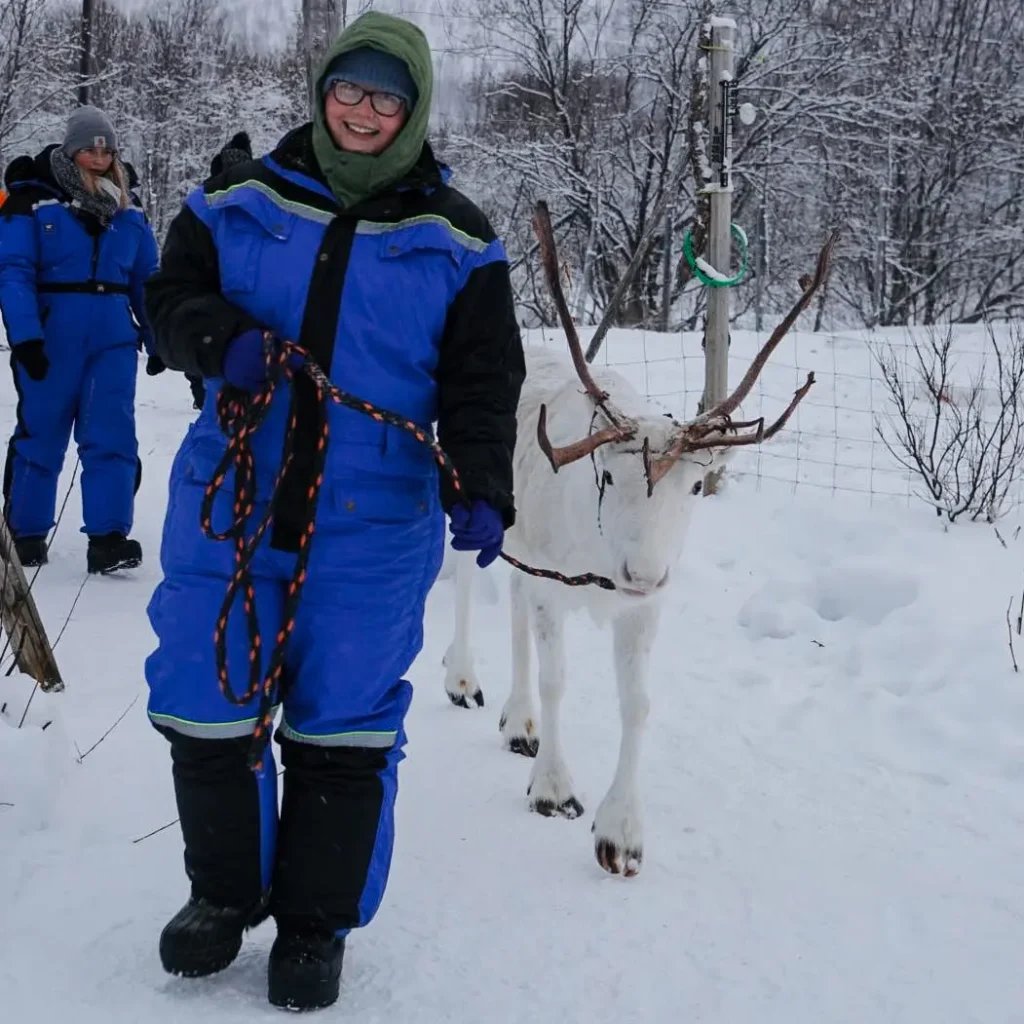
Q: Have you discovered European destinations that truly feel sensory-friendly, where calm and inclusion aren’t afterthoughts, but part of the design?
A: I can’t say that I’ve visited a destination where it felt sensory-friendly by design, but I can certainly recommend travelling to Tromso – a Norwegian town in the Arctic Circle – during Polar Night for a sensory-friendly experience. We were there in early December a couple years ago and I fell in love with the silence, the marshmallow-soft snow and the pale lilac light heralding midday.
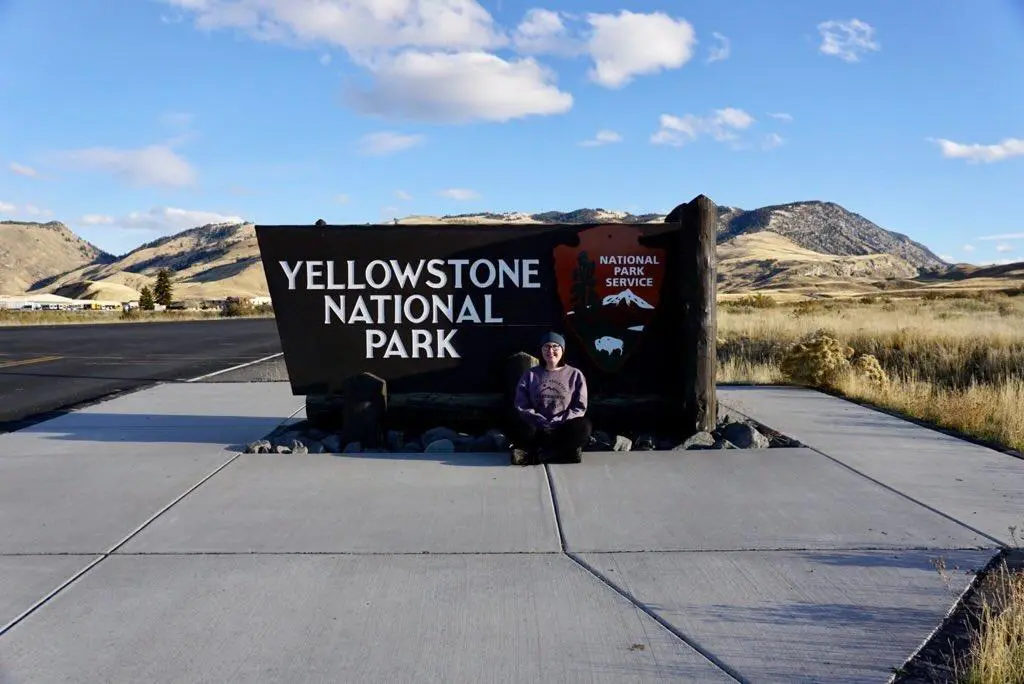
Q: You’ve spent time in the Pacific Northwest and Yellowstone. What stood out most to you?
A: For the Pacific Northwest, it’s the miles and miles of fairytale evergreen forest that I see when I close my eyes. For Yellowstone, I picture the vastness of the landscape, the distant horizon framed by snow-capped mountains. Both were magical places to experience and I’d love to go back to explore more of the Pacific Northwest one day.
Q: In The Autistic Guide to Adventure, you include sensory-rich activities like stargazing and wild swimming. Which of those experiences made you feel most connected to yourself?
A: I often talk about stargazing being my favourite activity from The Autistic Guide to Adventure, because it acts as a grounding reminder that I am but a small part of a much bigger story. On a cold night, with my breath misting the air and inky blackness all around, it’s just me and the stars. Everything else falls away.
Q: Nature can be unpredictable… storms, noise, crowds. How do you self-soothe or adapt when your surroundings shift suddenly?
A: I love the classic Alfred Wainwright quote: “there’s no such thing as bad weather, only unsuitable clothing”. I take that approach to mitigating the unpredictability of nature – if I’m prepared for most eventualities, then I’ll always have options to hand when the situation starts to become unsupportive to my needs.
Q: Many of us struggle with travel budgeting and planning. When unpredictability itself can feel stressful, how do you plan in ways that bring calm?
A: If I’m honest, the ‘prepare for most eventualities’ approach outlined above is something I apply to every aspect of my life. With planning, I leave nothing up to chance; it’s a lot more effort up-front, but it pays off when I’m able to fully relax and enjoy my travel because I know I’ve prepared for whatever curveballs might be thrown my way.
Q: Cultural translation can be trickier than language. Have you experienced moments abroad where your communication style clashed, or unexpectedly connected, with a different culture?
A: As someone who communicates in a very direct and literal way, I love travelling in Germany and Austria, because the German language is also very direct and literal. As a broad observation, Germans and Austrians don’t beat around the bush, something which drives me crazy in British culture! I can always breathe a sigh of relief in those countries, because I don’t need to worry about how my communication style will be received.
Q: Are there countries or cultures you’ve found naturally slower, softer, or more comfortable for autistic travellers?
A: From my experience, Scandinavian countries have a gentler pace of life that really resonates with me. There seems to be a real value placed on community and connection that prioritises time spent with loved ones over busyness, as well as an understanding that getting outdoors is a natural tonic for the soul.
Q: And finally, looking ahead, where in the world do you dream of going next, and how would you shape that journey to celebrate both adventure and neurodivergence?
A: As a wildlife lover, I dream of exploring the Great Bear Rainforest in British Columbia and catching a glimpse of the elusive Spirit Bear. I think the routine and structure that comes with staying at a wildlife lodge would be so supportive of my needs, as well as the quiet and stillness required once in the hides themselves. Autistic people can often prefer the company of animals to other humans, so this would be the perfect celebration of both adventure and neurodivergence.
Related Articles: