
Listen to this Article
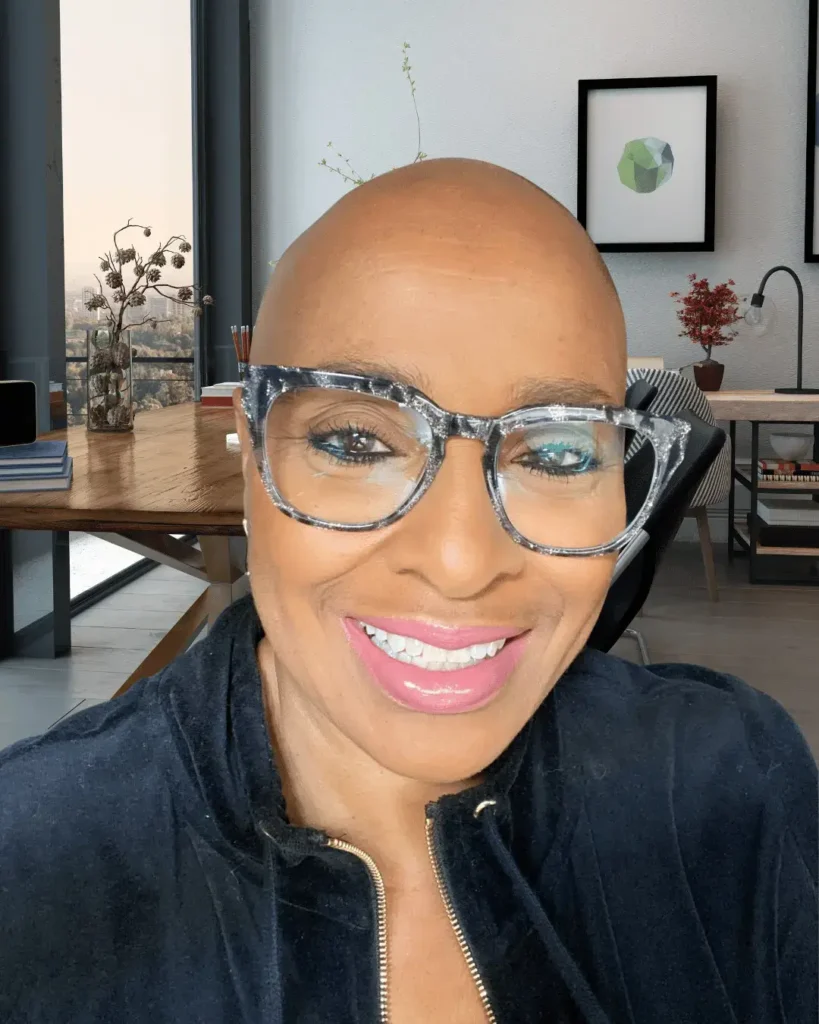
Mary Johnson is the creator of Traveling Savvy Seniors. A solo traveler, author, and certified travel advisor, she believes that life—and travel—doesn’t have to slow down after 50. It just evolves.
After stepping into this lifestyle herself, she realized there were not enough real, practical resources for older adults who still wanted to explore the world—especially those navigating changes in mobility or starting over later in life. That’s what led her to create her platform, where she shares honest insights, simple strategies, and encouragement to help others travel with more confidence and less overwhelm.
Through her book The Slow Path to Wellness and her work online, she focuses on helping people discover a more comfortable, intentional way to see the world—one that works with their lifestyle, not against it.

You made a bold decision to reinvent your life abroad in your mid-60s. What pushed you to take that leap, and what fears did you have to work through first?
I reached a point where I knew I wanted something different for my life—more freedom, less stress, and the ability to live on my own terms. Moving abroad felt like a bold step, but staying where I was felt even more limiting.
The fears were definitely there—finances, healthcare, being in an unfamiliar place, and simply wondering, “Can I really do this at my age?” But I realized those fears weren’t signs to stop—they were just part of the process.
Instead of letting them hold me back, I focused on simplifying the journey and taking it one step at a time. That experience shaped the way I now help others approach travel and relocation in a way that feels manageable and realistic.
Many seniors feel travel becomes more limited with age. What do you think people get wrong about travel after 50?
I think the biggest misconception is that travel has to look the same at 60 or 70 as it did at 30—and if it doesn’t, then it’s no longer possible or enjoyable.
In reality, travel after 50 isn’t about doing less—it’s about doing things differently. It can be slower, more comfortable, and actually more meaningful because you’re more intentional about how you spend your time and energy.
What many people don’t realize is that there are ways to adapt travel to fit your lifestyle, your pace, and even changes in mobility. Once you shift your mindset from “keeping up” to creating an experience that works for you, a whole new way of traveling opens up.
Your platform emphasizes “slow travel.” How would you define that in practical terms for someone planning their first trip later in life?
I like to think of slow travel as taking the pressure off. You’re not trying to do everything—you’re just allowing yourself to enjoy where you are.
That might mean choosing one city instead of three, planning lighter days, and giving yourself space to rest when you need it. It’s a much gentler way to travel, especially if you’re starting later in life or navigating mobility changes.
Once people try it this way, they often realize travel doesn’t have to be exhausting to be meaningful—it can actually feel calm and enjoyable.
Living abroad after 50
More seniors are considering relocating abroad. What are the biggest misconceptions about living overseas later in life?
That moving abroad later in life is either too complicated or too risky to even consider. Many people assume it requires a lot of money, perfect health, or that everything has to be figured out before they go.
In reality, it’s much more flexible than people think. There are many affordable places to live, healthcare can be accessible, and you don’t have to make a permanent decision right away. You can start with a short stay, learn as you go, and adjust over time.
Another misconception is that you’re “starting over” in a negative way, when it can actually be a chance to create a lifestyle that better supports your needs and well-being.
Based on your own experience, what are the key factors someone should evaluate before deciding to relocate?
From my experience, it really comes down to a few key areas: healthcare, cost of living, lifestyle fit, and overall comfort in your day-to-day environment.
Healthcare is usually the biggest concern, so understanding what’s available locally and how you’ll access it is important. Cost of living matters too, but it’s not just about what’s cheaper—it’s about what allows you to live comfortably without constant stress.
Lifestyle is often overlooked. Factors like walkability, noise levels, climate, and ease of getting around can make a big difference in your daily life.
What I always encourage is taking a slower approach—spend time in a place before making a full move. That way, you’re making a decision based on real experience, not just research.
You’ve mentioned that living abroad can actually simplify life rather than complicate it. What does that look like day-to-day?
It really comes down to how my days feel. They’re calmer, less structured in stressful situations, and more aligned with what I need, physically and mentally.
I’m not rushing from one thing to the next. I can take breaks, go at my own pace, and build routines that support my lifestyle instead of draining it.
In many ways, it’s about removing the extra noise—financial pressure, constant busyness, and unnecessary stress—and replacing it with a simpler, more manageable way of living.
For someone not ready to fully relocate, what is a “test-drive” version of living abroad that you would recommend?
I always recommend starting with a longer stay instead of a quick vacation—something like a few weeks to a few months in one location. That gives you a chance to experience what daily life actually feels like, not just the highlights.
During that time, try to live as normally as possible—shop for groceries, use local transportation, explore healthcare options, and settle into a routine. That’s where the real clarity comes from.
It takes the pressure off making a big decision and turns it into a learning experience. You’re not committing—you’re simply giving yourself the space to see if it feels right.
Emotional and lifestyle shifts
Travel at this stage of life often becomes less about sightseeing and more about meaning. How does that shift show up in the way people travel?
I think people start to let go of the pressure to see and do everything. Instead, they focus more on what actually feels good and what they’ll truly enjoy.
That might mean fewer activities, more rest, and spending more time in one place instead of rushing around. It becomes less about keeping up and more about creating an experience that fits your energy and your lifestyle.
That shift is powerful because it makes travel feel more fulfilling rather than exhausting.
What emotional or psychological changes have you personally experienced since adopting a slower, more intentional travel lifestyle?
One of the biggest changes has been a sense of calm. I’m not constantly rushing or feeling like I have to keep up, and that alone has made a huge difference in how I experience each day.
I’ve also become more confident in myself—especially in navigating new environments and trusting my own pace. There’s less pressure to do things a certain way and more acceptance of what works for me.
Emotionally, it’s created a deeper sense of peace. Life feels more manageable, more intentional, and more aligned with how I actually want to live.
Many seniors worry about loneliness when travelling or living abroad. What have you learned about building connections in new places?
Loneliness is something many people worry about, and I understand that. But what I’ve experienced is that connection often comes in simple, unexpected ways.
It might be a conversation at a local market, recognizing familiar faces in your neighborhood, or meeting other travelers who are on a similar path. Those small interactions can go a long way.
I’ve also learned that slowing down plays a big role. When you’re not constantly moving, you create space for relationships to form naturally.
It doesn’t happen overnight, but if you stay open to it, connection tends to find its way to you.
The Slow Path To Wellness
Your book, The Slow Path to Wellness: How Slow Travel Heals at Every Age, explores a deeper philosophy of travel. What inspired you to write it?
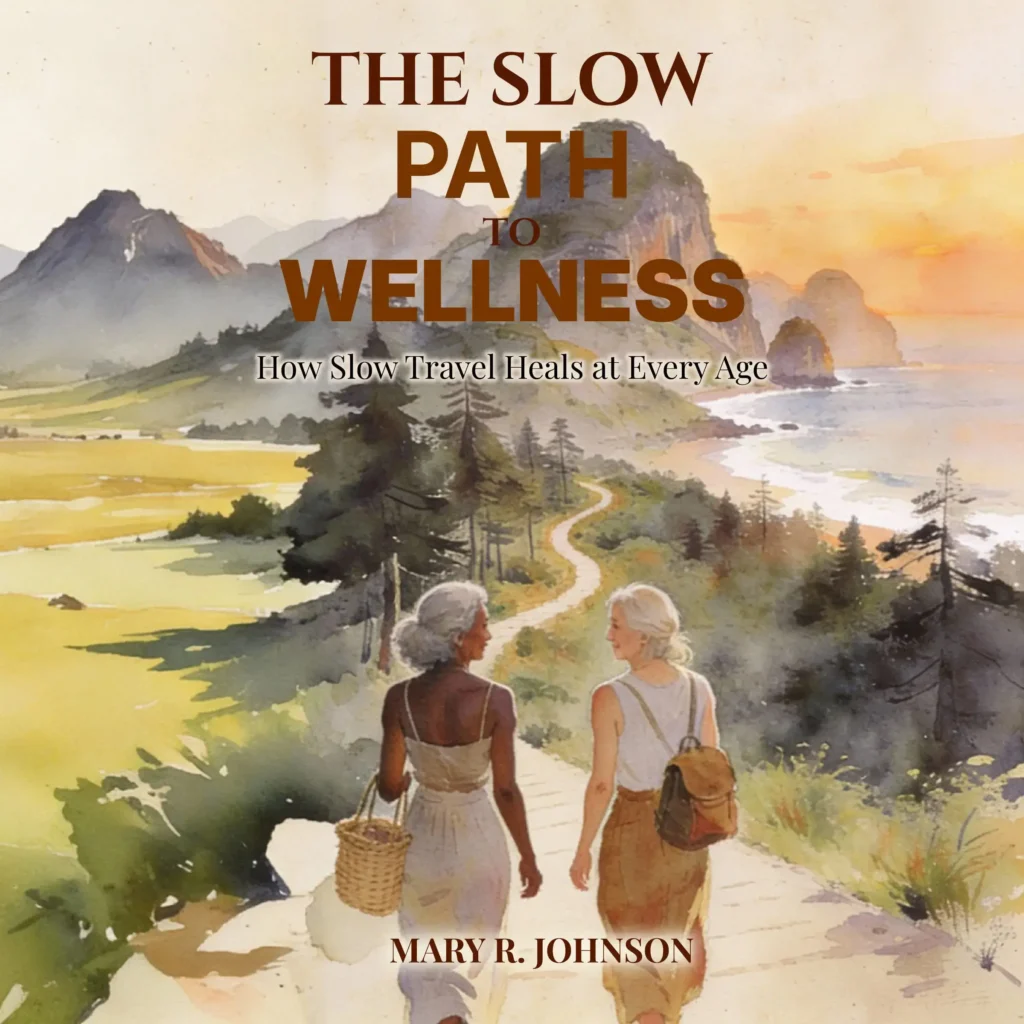
The inspiration really came from my own experience. As I began to slow down and travel differently, I noticed how much it was impacting not just my lifestyle, but my overall well-being—physically, mentally, and emotionally.
I realized that what I was experiencing wasn’t just about travel, it was about a different way of living. And I didn’t see many conversations around that, especially for people over 50 or those navigating changes in mobility or lifestyle.
I wrote The Slow Path to Wellness to share that perspective in a simple, relatable way—to help people see that travel can be healing, supportive, and accessible when it’s approached with intention.
The idea that travel can support wellness is powerful. Can you share a specific example of how travel has improved health or wellbeing, either for you or someone you’ve worked with?
For me, one of the biggest changes was how slowing down affected my stress levels. When I shifted away from fast-paced travel and started living at a more relaxed pace, I noticed I was sleeping better, feeling less anxious, and just more at ease overall.
Simple things like having time to walk daily, eat more fresh foods, and not feel rushed made a real difference in my physical and mental well-being.
It showed me that travel, when done intentionally, can actually support your health rather than drain it.
What are some of the most practical takeaways readers will gain from your book when it comes to planning their own travels?
One of the biggest takeaways is learning to approach travel in a way that feels manageable rather than overwhelming. I walk readers through how to slow the process down, simplify their plans, and focus on what actually works for their lifestyle and comfort level.
There’s also a strong focus on shifting mindset—moving away from the idea that travel has to be fast-paced or complicated, and showing how it can be flexible and supportive instead.
Most importantly, readers walk away with a clear, realistic way to get started, even if they’re feeling uncertain or hesitant.
You also touch on long-term travel and even living abroad in the book. What guidance do you offer for someone considering that transition?
I guide people to shift their thinking from “I have to move abroad” to “I can explore what this lifestyle could look like.” That small change makes a big difference.
Instead of rushing into a major decision, I recommend taking it step by step—visiting, staying longer, and allowing yourself to adjust gradually.
It’s also about building confidence along the way. The more you experience, the less overwhelming it feels, and the more empowered you become to make the right decision for yourself.
Real-world insights
Was there a moment during your travels where things didn’t go as planned, but ended up teaching you something important?
There have definitely been moments where things didn’t go as planned—whether it was a housing situation, navigating something unfamiliar, or just feeling out of place in the beginning.
One experience that stayed with me was realizing that not everything needs to be perfect for it to still work out. I had to slow down, adjust my expectations, and trust that I could figure things out one step at a time.
That moment really reinforced the idea that flexibility is just as important as planning. It’s something I carry with me now and something I try to share with others—because things will come up, but it doesn’t mean you can’t handle them.
What’s one destination that surprised you in terms of accessibility, affordability, or quality of life for seniors?
Vietnam really surprised me, especially in terms of affordability and overall quality of life. I found that I could live comfortably on a much lower budget while still having access to fresh food, helpful services, and a slower pace of life.
What stood out most was how manageable daily life felt. Simple things like getting around, finding local markets, and settling into a routine became easier than I expected.
It showed me that there are places where you can create a comfortable, supportive lifestyle without the financial pressure that many people assume is unavoidable.
Can you share a moment where you thought, “This is exactly why I chose this lifestyle”?
It wasn’t a big milestone—it was actually a very simple moment. I had a day where everything felt calm, manageable, and unhurried.
I wasn’t trying to fit too much in or push through exhaustion. I was just living at a pace that felt right for me.
And I remember thinking, “This is it. This is what I was looking for.”
Practical travel advice for seniors
For seniors who feel overwhelmed by planning, what are the first three things they should focus on to make travel feel manageable?
I always tell people to focus on just three things to start: where you want to go, where you’ll stay, and how you’ll get there.
You don’t need to plan every detail right away. Once those three pieces are in place, everything else can be figured out step by step.
The key is to keep it simple and not overwhelm yourself by trying to do everything at once. Travel becomes much more manageable when you break it down into small, clear decisions.
You speak a lot about travelling based on your health, mobility, and budget. What are some specific ways seniors can realistically plan around those factors?
It really starts with being honest about what you need and planning around that, instead of trying to push through or keep up with a certain type of travel.
For health and mobility, that might mean choosing destinations that are more walkable, booking accommodations with easy access, or building in rest days so you’re not overextending yourself.
When it comes to budget, it’s about simplifying—staying longer in one place, traveling slower, and choosing locations where your money goes further.
The key is to make decisions that support your comfort and well-being first. When you do that, travel becomes much more realistic and enjoyable.
What are some common mistakes you see seniors make when planning international travel, especially for longer stays?
I’d say the biggest mistakes are overplanning, moving too fast, and not considering how daily life will actually feel.
People often focus on flights and attractions but overlook factors like walkability, access to groceries, and ease of getting around. Those everyday details matter more than people expect.
Another mistake is not giving themselves enough time in one place, especially for longer stays. Slowing down makes everything easier and more enjoyable.
When you shift your focus to comfort and simplicity, a lot of those common issues naturally fall away.
For travellers with mobility concerns or chronic conditions, what are some simple yet often overlooked strategies to make a trip significantly easier?
I think one of the most overlooked things is giving yourself permission to make travel easier. That might mean staying closer to where you need to be, doing less in a day, or asking for help when it’s available.
Small adjustments—like planning shorter outings, allowing time to rest, or choosing more accessible accommodations—can make a big difference.
When you focus on comfort instead of pushing through, travel becomes not only doable, but actually enjoyable.
You often highlight affordability. What are some realistic ways seniors can travel or even live abroad on a modest income?
A few practical strategies can make a big difference. First, travel slower—longer stays often come with lower accommodation costs and fewer day-to-day expenses.
Second, be intentional about where you go. Some countries offer a much lower cost of living while still providing a high quality of life.
And third, adjust your expectations. Living more like a local—shopping at markets, cooking at home, and keeping a simple routine—can significantly reduce costs.
When you combine those three things, traveling or living abroad on a modest income becomes much more realistic than people think.
If a reader is sitting at home thinking, “I want to do this, but I don’t know where to start,” what is the very first step they should take?
The very first step is to start small and get clear on what you want your life or travel experience to feel like—not just where you want to go.
Once you have that, choose one place that fits that vision and begin exploring it simply. You don’t need a full plan—you just need a starting point.
That one small step shifts you from thinking about it to actually moving toward it, and that’s where everything begins.
What would a realistic first trip look like for a senior who has never travelled internationally before?
A realistic first trip would be simple, comfortable, and not overly packed. I usually recommend choosing one destination, staying in one place, and giving yourself enough time to settle in—maybe one to two weeks—rather than trying to move around.
Focus on a location that feels easy to navigate and has access to what you need day-to-day—groceries, transportation, and healthcare, if needed.
And most importantly, keep your schedule light. Plan one or two things a day at most, and allow plenty of time to rest. The goal isn’t to do everything—it’s to feel comfortable and build confidence for future trips.
What would you say to someone who feels it might be “too late” to start exploring the world?
I would say that feeling is more common than people think—but it’s not the truth.
It’s easy to believe that opportunities have passed, but in reality, there’s still so much available to you. The key is to approach it differently—more slowly, more intentionally, and in a way that supports your needs.
It doesn’t have to be big or overwhelming. Even a small step toward exploring the world can open the door to something meaningful.
The Slow Path to Wellness: How Slow Travel Heals at Every Age
Get the book
Connect with Mary Johnson