
Listen to this Article
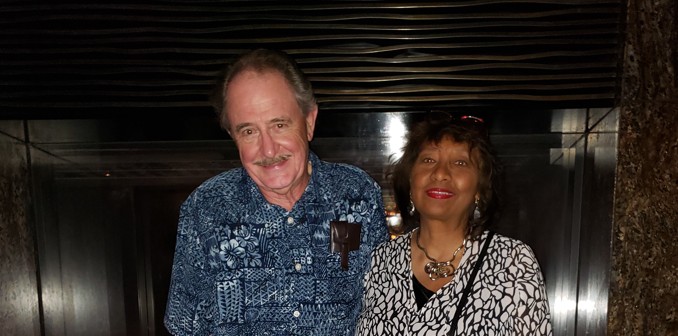
For some families, a trip abroad ends when they return home. Photos shelved, stories briefly shared, then life resumes. However, for Lynette and Michael Rooker of Montreal, the impact continues long after. What they bring back remains present and influential. It surfaces in conversations, ambition and in the way their children and grandchildren carry themselves long after the beaches, cities and hotel rooms are behind them. It continues to shape how each generation sees the world.
Their family life has stretched across England, Ireland, Jamaica, Montreal, Ghana and several parts of Asia, shaped by movement, work and constant change. Michael, a civil engineer, often travelled on assignments that relocated the family across continents. Lynette joined him on many of those postings, absorbing each place in her own way before eventually putting those experiences into a book, encouraged for years by friends who insisted her stories deserved a wider audience.
The response to her book was strong, but one moment stood apart. A friend in Burlington had spent years trying to engage a mentally challenged older man in reading. Newspapers did not work neither did magazines. Then he noticed Lynette’s book on a coffee table, picked it up and began reading it. That moment captured something simple yet powerful. A well-told travel story can draw someone in and hold their attention in a way few things can. That same pull becomes even stronger when travel is shared across generations, where stories are not only told but lived together in real time.
The response to her book was strong, but one moment stood apart. A friend in Burlington had spent years trying to engage a mentally challenged older man in reading. Newspapers did not work neither did magazines. Then he noticed Lynette’s book on a coffee table, picked it up and began reading it. That moment captured something simple yet powerful. A well-told travel story can draw someone in and hold their attention in a way few things can. That same pull becomes even stronger when travel is shared across generations, where stories are not only told but lived together in real time.
For the Rookers, intergenerational travel has never felt rigid or over planned. One of the clearest examples came in 2019 when Lynette and Michael travelled to the Caribbean island of Grenada with two grandchildren, aged 17 and 13. It was the grandchildren’s first island visit. The kids’ days were filled with swimming, snorkelling and simple pleasures that felt more meaningful because everything was entirely new. The experience included a visit to the island’s underwater sculpture park, encounters with a massive starfish and time spent connecting with relatives they had never met before. One moment still stands out, swimming with a turtle, a memory their grandson continues to talk about.
Those moments stayed with them, but the lasting impact reached beyond the scenery and adventure. Intergenerational travel, in this case, shaped how the grandchildren saw themselves and what was possible for their future. They met her brother Royston, owner of the five-star Spice Island Beach Resort located on world-famous Grand Anse beach. Her grandson, in particular, paid close attention. He watched how Royston moved through his resort with quiet confidence, how he interacted with guests and carried the evidence of a life built with intention, proudly yet effortlessly. Royston’s presence carried weight. Knighted by Queen Elizabeth II at Buckingham Palace in April 2005 for his contribution to tourism across Grenada and the Caribbean, he became the first hotelier in the region to receive that honour, earning the title Sir Royston. For a young observer, that level of achievement was impossible to ignore. A visit to Sir Royston’s office revealed awards, achievements and years of work made visible. Something shifted in her grandson that day.
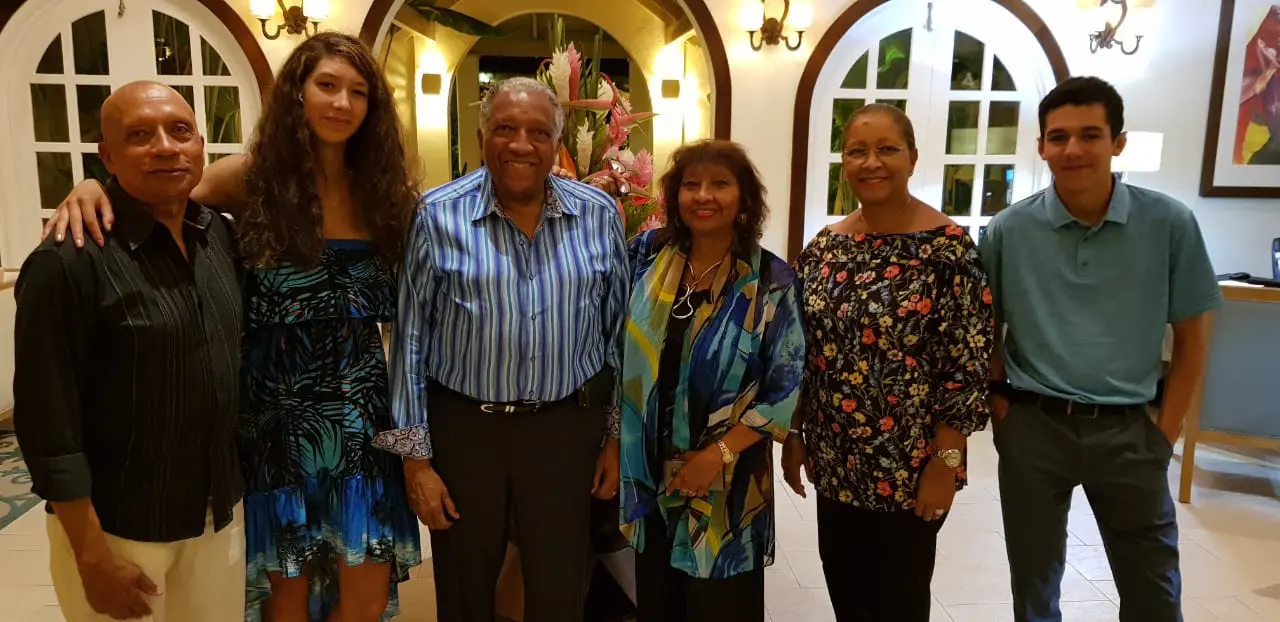
Back in Montreal, the change was immediate. School performance rose sharply, with grades climbing into the 90s, then inching towards 100 and holding steady. At 16, he became the youngest student to graduate from his private school. A year later, he walked into an establishment seeking a part-time job. The staff were impressed enough to offer him a position, initially assuming he was older than he was. Momentum continued. He completed a McGill online accounting course in a fraction of the expected time, began learning investment fundamentals and took on managing a large cottage rental property. By 20, he set out on a six-month trip across Hong Kong, Sydney, Singapore, Malaysia, the Philippines, Vietnam and China, with plans to end in Tanzania doing charity work.
Lynette is clear on where it all began. The spark was lit in Grenada at her brother’s resort. Travel made that cross-generational interaction possible, giving her grandson direct exposure to Sir Royston’s work, achievements and way of engaging with others. He witnessed it firsthand and that moment left a lasting impression. This is where intergenerational travel shows its strength. It creates space for meaningful exchanges between generations in real settings. A trip can cause a shift in direction. It can expand what a young person believes is possible and quietly set a new standard for what comes next.
The Rookers saw similar growth in their granddaughter. In Grenada, she bonded closely with a cousin near her age, explored the island, jumped into waterfalls and embraced experiences far removed from her everyday life in Canada. Time spent with family across generations, in a setting rooted in shared heritage, gave her both connection and perspective, strengthening her confidence. She later completed a university course in forensic science and is now spending six months in Australia through a Canada-Australia exchange program, intending to study law at McGill upon her return.
Intergenerational travel, in this family, did more than build confidence. It tightened bonds in ways that felt natural and lasting. Time in Grenada brought their grandchildren closer to extended family and gave shape to a heritage that had previously existed at a distance. Evenings unfolded around shared meals, laughter, storytelling and the steady pulse of local music. The island’s easy social rhythm drew them in, inviting participation rather than observation.
That sense of continuity is encouraged by the experience created at the resort. It is now led by Sir Royston’s daughter, Janelle, who serves as President and Managing Director and carries forward his vision following his passing. Alongside her mother, Lady Betty, she welcomes guests with the same warmth, maintaining the high standard her father established while shaping the resort with families in mind. This includes activities for children and flexible dining options that allow each generation to move comfortably through the day.
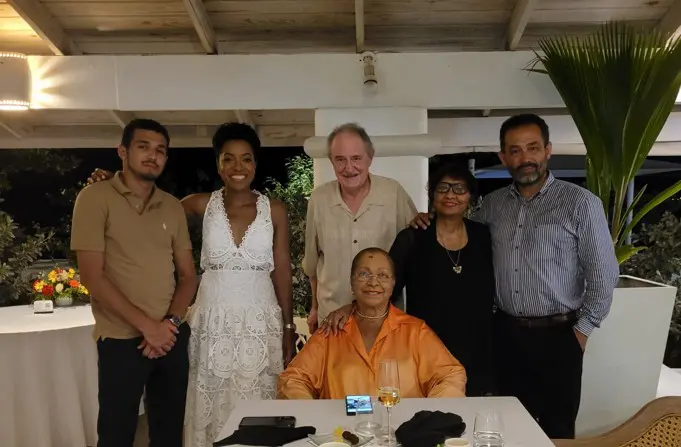
Resorts such as Spice Island Inn support intergenerational travel, creating a space where different age groups can connect, engage at their own rhythm and share meaningful time together in a way that naturally brings generations closer. Within that context, connections form across generations with ease, and the understanding and bonds that follow are what stay with them.
That was evident in the moments the grandchildren remembered most. Lynette recalls her granddaughter laughing as she shared that Auntie Di had shown them how to lime (socializing the Caribbean way). Michael remembers his grandson sharing how meaningful it was to watch his grandparents dancing together to the rhythm of a live steel band. In that moment, he saw them differently.
These kinds of memories cannot be scheduled into an itinerary. They unfold in the in-between moments, when time slows and younger relatives begin to see older ones in a new and positive light, not only as caregivers or authority figures, but as individuals with personality, joy and lived experience. Intergenerational travel creates the conditions for that shift in a way everyday life rarely does. Away from routine, there are fewer distractions, fewer competing responsibilities and more shared time in new environments. Within that context, parents and grandparents engage, adapt and enjoy the experience alongside younger family members. It becomes a quiet learning experience, where understanding deepens and relationships take on a new dimension that continues well beyond the return home.
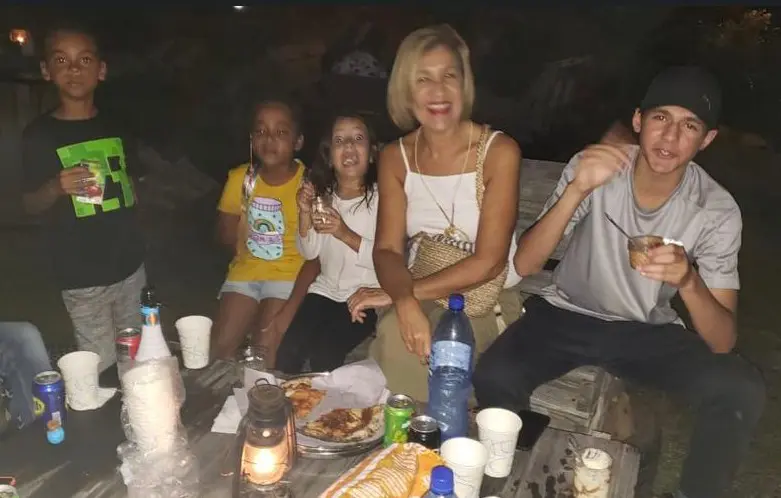
The Rookers also make a practical case for travelling across generations. They do not pretend every age group wants the same things. The younger ones have bigger appetites for sea swims, snorkelling and motion. So, the family does not force constant togetherness. In Grenada, they often separated during the day and met at lunch or in the evening. That rhythm worked. That same balance between independence and connection also extends to how the family approaches safety.
Parents and grandparents bring a layer of lived experience that naturally shapes how safety is approached during intergenerational travel. In Ghana, where the Rookers once lived on a secure compound during a politically difficult period, their children explored freely within clear boundaries while the adults remained watchful. That balance between independence and oversight carried forward into how the family travels together today. Lessons are shared, not imposed. In Malaysia, a frightening incident involving a drugged bus passenger became a caution the family passed on to the younger generation. Now, their grandson, travelling the world, avoids drinking alone in bars, checks in daily and sends frequent photos. His parents also track his location through their phones, offering reassurance while still allowing him the freedom to explore.
There are clear generational differences in energy and travel styles, but the Rookers remain firm on the gains. Intergenerational travel creates opportunities for shared learning, where history, culture and observation come to life across age groups. It allows children and grandchildren to see how other people live while learning alongside parents and grandparents. It sharpens curiosity, strengthens communication and builds flexibility. Most importantly, it brings families closer in ways that are difficult to replicate at home. The Rookers’ experience suggests something else too. A trip taken together can echo for years in school choices, work habits, self-belief and family identity.
Some vacations fade as soon as the laundry is done but the Rookers’ family trips do the opposite. They continue to speak through the choices, confidence and purpose that guide the generations that follow.