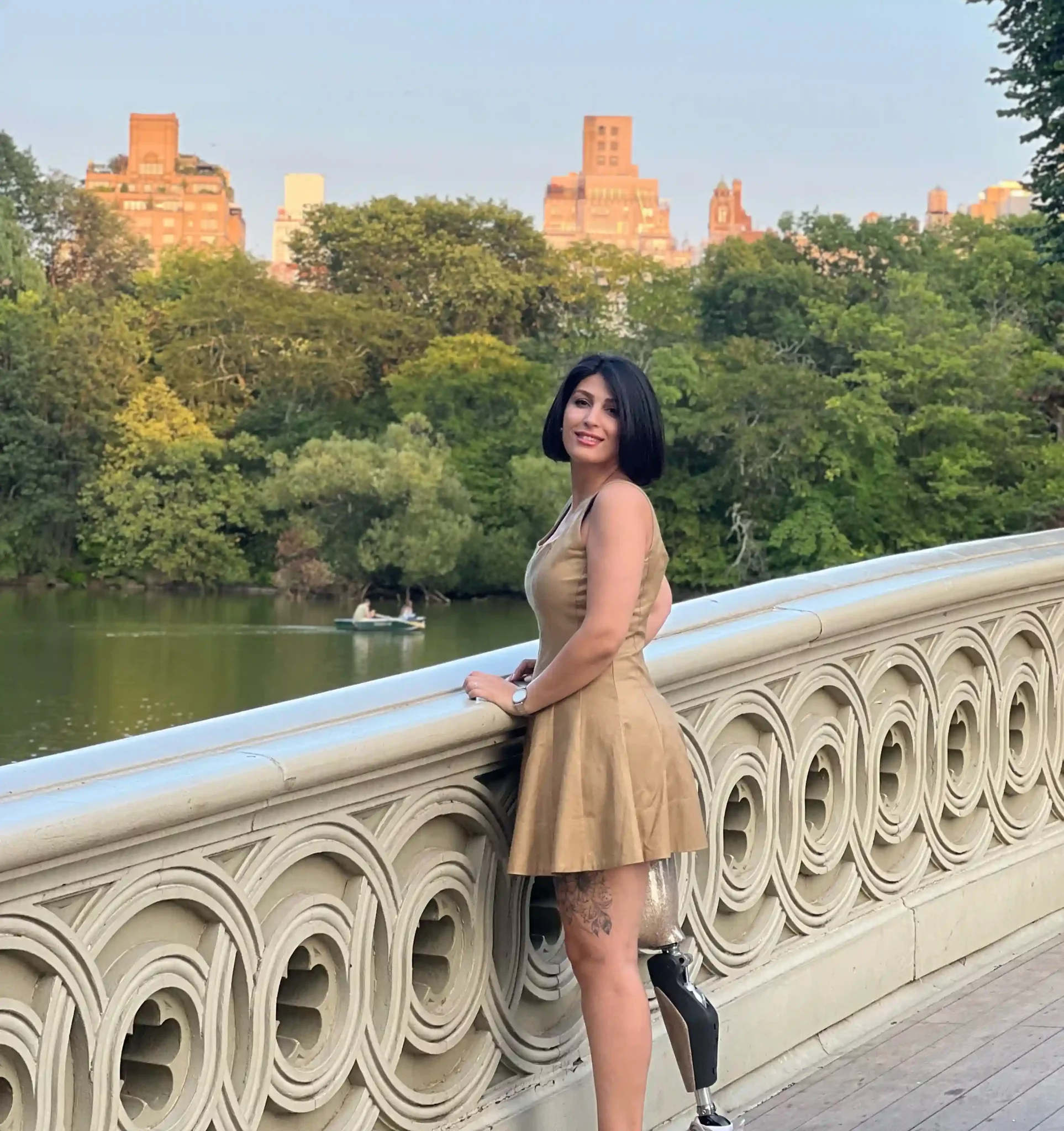
Sara Banaeirad inspires women with disabilities
to travel boldly and stay visible
Listen to this Article
On a hot day near Paris, Sara Banaeirad went into a restaurant washroom, took off her prosthetic and pressed ice to her leg. It felt like it was burning from the heat, and the long day of walking had made the fit increasingly uncomfortable. She had been visiting a large palace in Paris with friends and family, following a detailed plan her French friend created. The visit involved extensive walking through the palace rooms, and the schedule continued into the evening with a theatre-style show and fireworks. At the end of the day, her husband told her she had walked 15 kilometres. Hearing that stopped her in her tracks, “I never knew that I could do it” she said.
Sara is 35. She grew up in Iran, where a bus crash led to an amputation above the knee a decade ago. Three years later she and her husband landed in Vancouver, Canada to a new country, new language, new healthcare system and new streets to learn with a prosthetic leg. She studied, became a programmer and now works remotely from home.
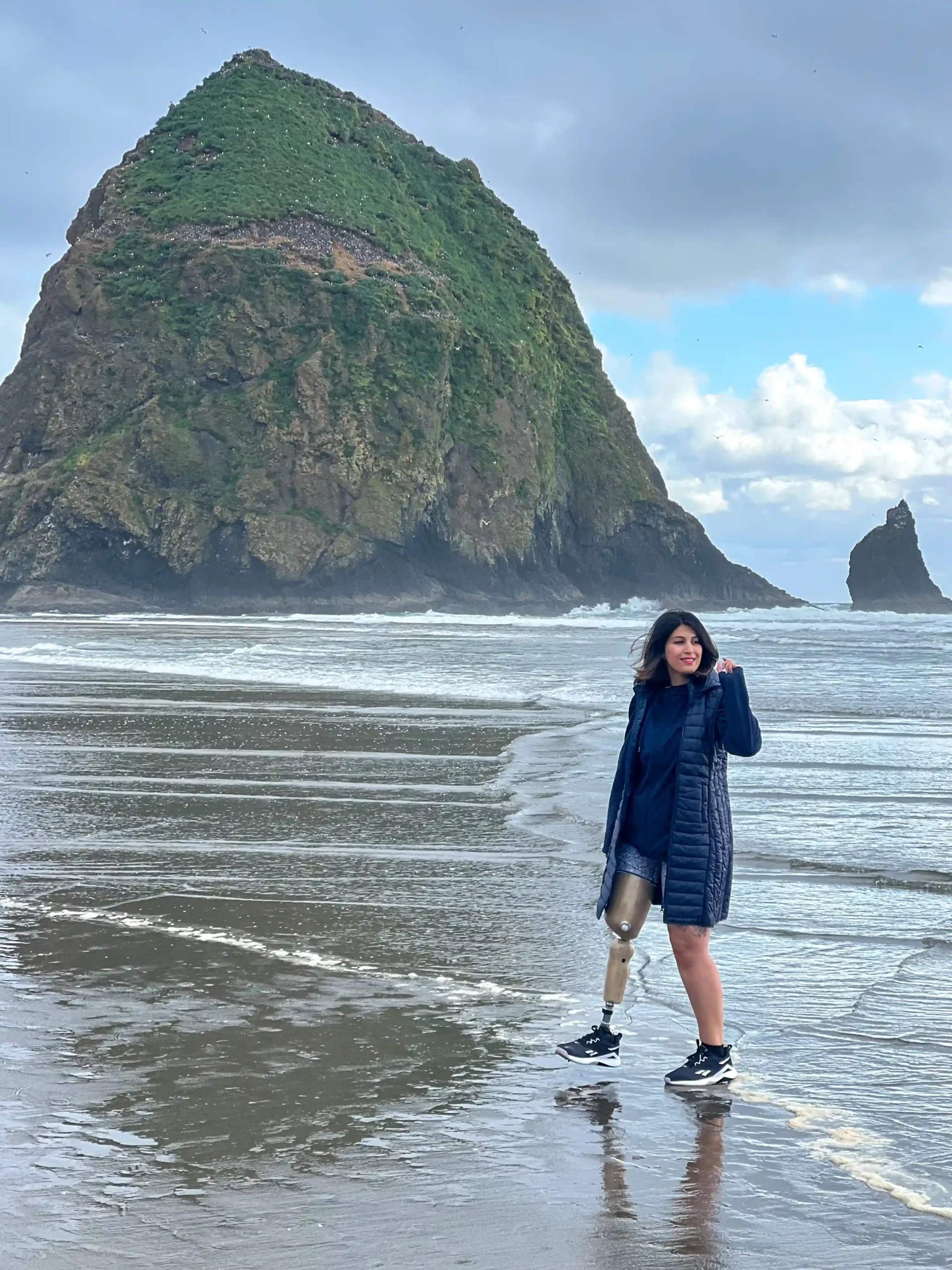
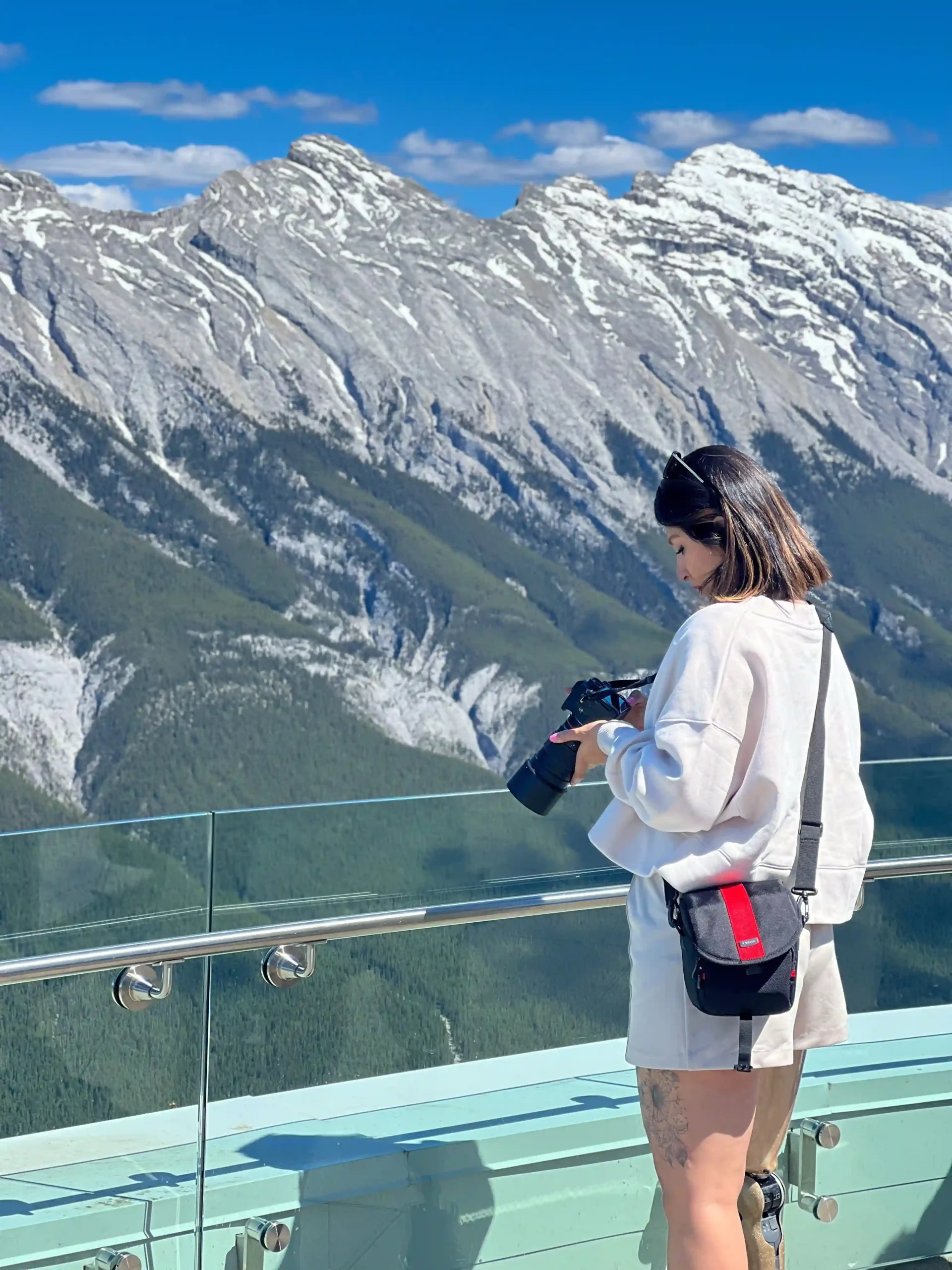
Free time, though, belongs to the road. Weekend brunch might mean a quick drive to Squamish or Whistler instead of a neighbourhood café. A free Saturday can somehow turn into “let’s just cross the border for a bit” and suddenly they are in Washington or Oregon. Longer breaks have carried them to Quebec City, Montreal, New York, Florida, Las Vegas, Amsterdam, Belgium, Rome and Paris.
Before her accident, and for many non-disabled travellers, travel inspiration often started with an Instagram post from an influencer in Santorini or a dreamy video from the Amalfi Coast. See it, book it, go. Planning a trip works differently for her now. She learned that the first time she chased a long-held wish for trip to Positano, Italy. “It was on my list forever,” she recalls. “Then I arrived and saw the stairs. Endless stairs.” She could climb them slowly, sure, but each step shifted her socket, loosened the fit and pushed her pain higher. The town looked stunning but completely exhausting at the same time. Eventually she admitted the truth: this place did not match her body, at least not in a way that would feel like a holiday.
Instead of forcing herself to keep going, she changed course and found nearby Sorrento, flatter and kinder to her leg, where she finally relaxed and enjoyed the coast. That experience rewired how she travels. “I learned that I need my own plan,” she says. “Not my friends’ plan, not a blogger’s or influencer’s but my own.”
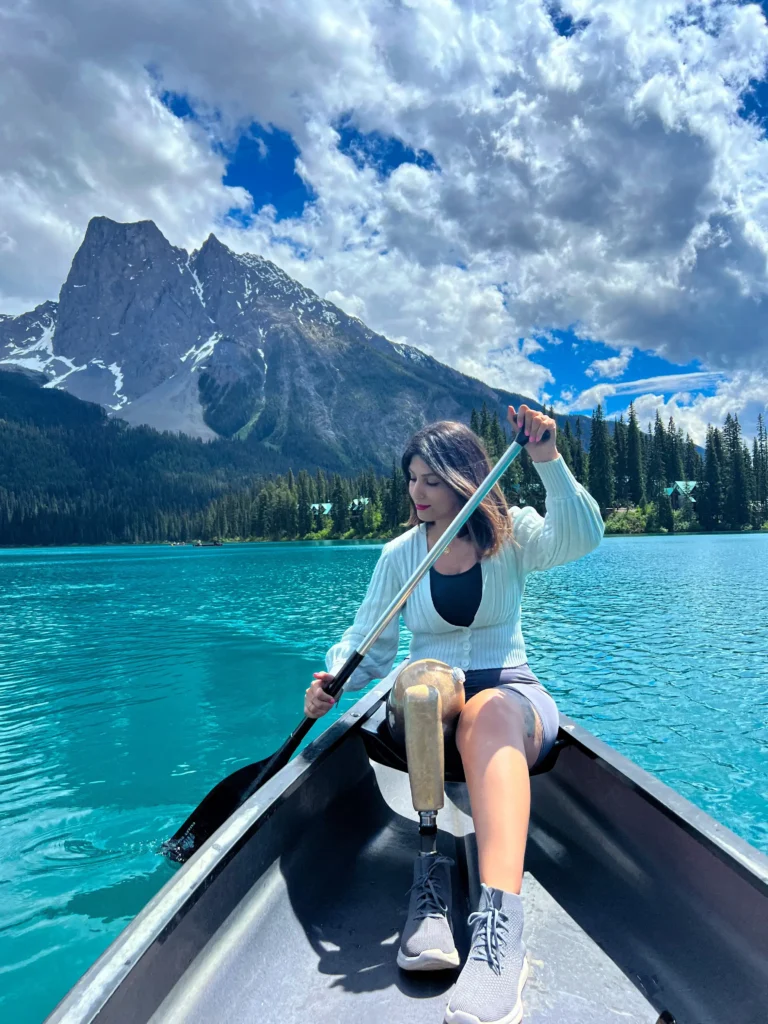
These days, planning starts long before tickets are booked. She watches YouTube videos to understand terrain. She digs into official sites, hunting for real information on lifts, ramps, stairs and crowds. When something is labelled “accessible,” she has learned to ask follow-up questions. A ramp that climbs forever can feel as punishing as a staircase. For an above-the-knee amputee, flat ground and elevators can matter more than any ramp. Her wish for the travel sector is simple and sharp: clear, specific accessibility pages that recognize different types of disability instead of one vague logo with a wheelchair symbol.
Sara’s relationship with her prosthetic has changed just as much as her relationship with airports and cobblestones. At first, she wanted a cover that made the leg look closer to flesh. Then she realized the cover limited her movement. She had to choose: look “neater” or walk better. She chose function and never went back.
Now she dresses with her prosthetic in mind the way others dress for eye colour or hair type. She will try as much as 20 dresses in a fitting room to see how the lines work with the metal and carbon. The goal is not hiding. The goal is harmony. There is a safety logic too. In New York, she wore a long, loose dress one hot day. Strangers could not see her leg and grew impatient when she moved slowly on a hill. On other days when she wears shorts, people notice the prosthetic quickly, give her space and move around her with more care. Visibility, in that sense, lowers her risk.
Travel with a disability always involves a bit of math: energy in, energy out. Sara has learned to claim every support she can. Wheelchairs in airports, accessible hotel rooms with proper shower chairs, shorter lines at attractions . . . she encourages other women with disabilities to see these not as favours but as rights.
“Travel is hard even when everything goes smoothly,” she says. “So if help exists, ask for it. You need that energy for the fun parts of your trip.”
Salt and alcohol, she has learned, can swell her stump and ruin a day, so she is careful with both on trips. One constant item that always travel with her, right beside sunscreen and phone chargers: her accessible parking placard, which has worked throughout Canada, the United States and even Europe. That little blue tag can be the difference between arriving at a site with energy or arriving already drained.
Beyond museums and beaches, travel has reshaped how Sara sees independence. Even though she often travels with her husband, they sometimes split their days. He wanders for long city walks while she slips into museums he would rather skip. She navigates new buildings, foreign languages and unfamiliar streets on her own, asks strangers for help when she needs it and finishes the day thinking, “I did it.”
Part of that independence came from seeing someone who had already walked a similar path. Years ago, a Brazilian amputee model she found online changed how she saw her own body. Her posts were in Portuguese, a language Sara does not speak, but the images spoke clearly: stylish outfits, visible prosthetic, full life. That account nudged her to make her own Instagram public.
Now she hears from gym-goers who say watching her exercise encourages them to keep going. Travellers on trails congratulate her when they realize how far she has walked. Kids ask if she is a robot, then want to know who picked the colour of her leg. Other amputees lift pant legs in Miami parking lots so they can compare prosthetic brands. These encounters show her how often people feel encouraged after seeing what she can do and “every time I manage something new,” she said, “I feel so good. I did it!”
Sara intends to keep planning her own routes through the world, one bold booking at a time. And somewhere out there, another woman with a fresh prosthetic and a head full of doubts will open her phone, see Sara in a sundress on a cobblestone street, and confidently start packing.