
Listen to this Article
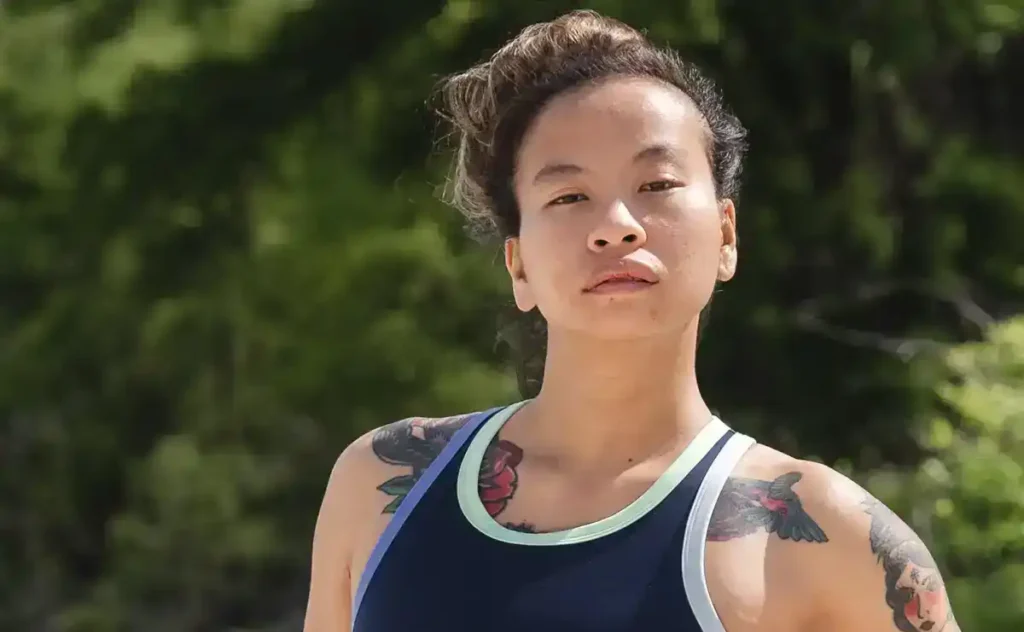
Kanya Sesser arrives at an airport prepared. She asks questions, sets expectations and knows exactly what she needs before moving through security or boarding a flight. Travel is part of her work and her routine, shaped by years of competing, modelling and appearing on international stages.
Sesser was born without legs. As a baby in Thailand, she was found on the side of a road, wrapped in a pink blanket near a temple school. A woman heard her crying, took her in and discovered there were no signs of amputation. Sesser later lived in hospital care in Pak Chong, Thailand, moving between nurses and foster homes.
In 1998, an American family in Oregon adopted her. Nearly six years old at the time, Sesser was keenly aware of the disruption that came with a new country and a new language. Thai was her first language. She recalls crying and screaming as she struggled to understand her surroundings and communicate in English.
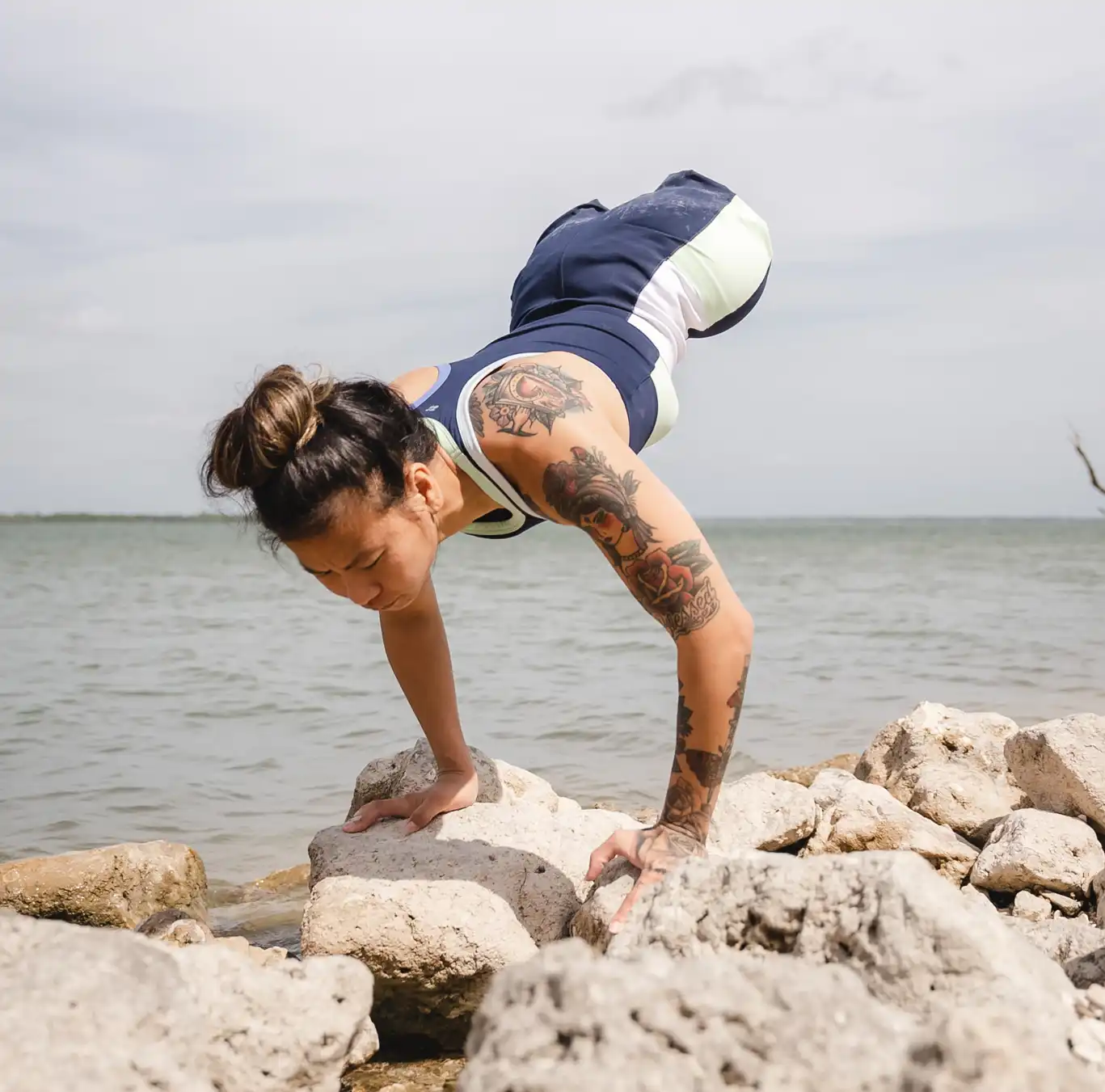
Today, her work includes motivational speaking, acting and modelling. She is a two-time Guinness World Records holder, with one record for the longest handstand on a skateboard without legs while moving and another for the most modelling campaigns. She also has a children’s book illustration scheduled to be released later this year.
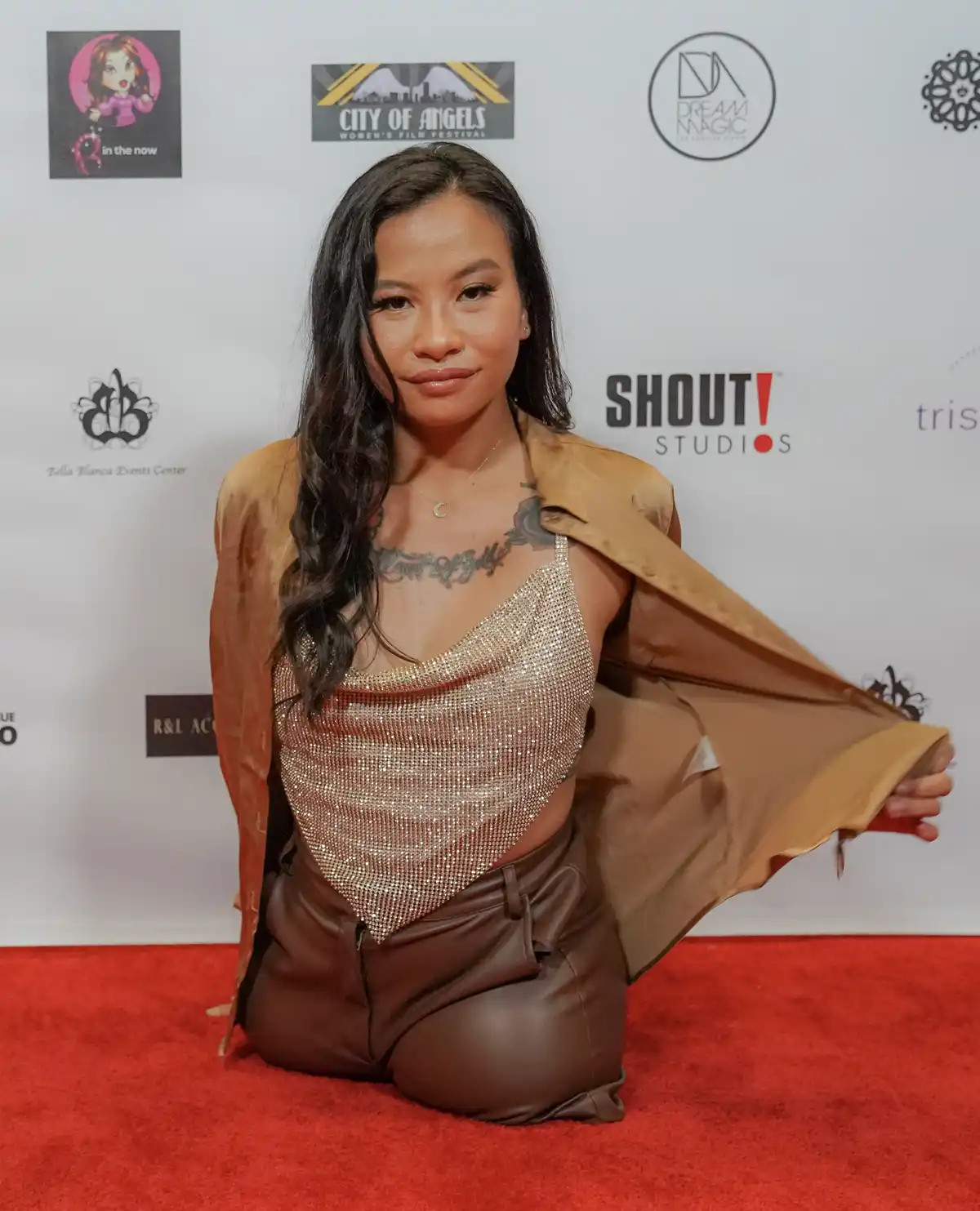
Travel is a regular part of her schedule, driven largely by competitions and work for shows and magazines. Modelling has taken her to the Victoria’s Secret event with Runways of Dreams in Brooklyn in 2023, which featured lingerie designed with accessibility in mind for people who cannot use their legs and find standard underwear difficult to put on. She has also worked with Sweaty Betty, Abercrombie’s active line and Adidas Skate.
International travel picked up quickly after Kanya Sesser’s Guinness World Records were confirmed. Romania, Spain and Italy followed, each trip linked to competition or media work. Romania brought an unexpected detour into television: a celebrity guest spot on a cooking show, a Thai dish inspired by her cultural background and a silver knife presented as a friendship knife. Italy delivered a different kind of spotlight, with Sesser taking part in a large televised show connected to Guinness World Records. Spain included competition in Vigo at a world skateboarding event, with Portugal as the lead-in and a three-hour drive north to reach Vigo.
The itinerary stretches beyond those headline stops. Switzerland and Germany are also on the list, destinations tied to years in Paralympic track. Sesser said track was part of her life for 12 to 16 years before leaving when it stopped feeling fulfilling. One earlier chapter stands out: a month-long training stay in Switzerland during high school, marked by homesickness and the daily recalibration required by unfamiliar food, sleep routines and bathroom setups.
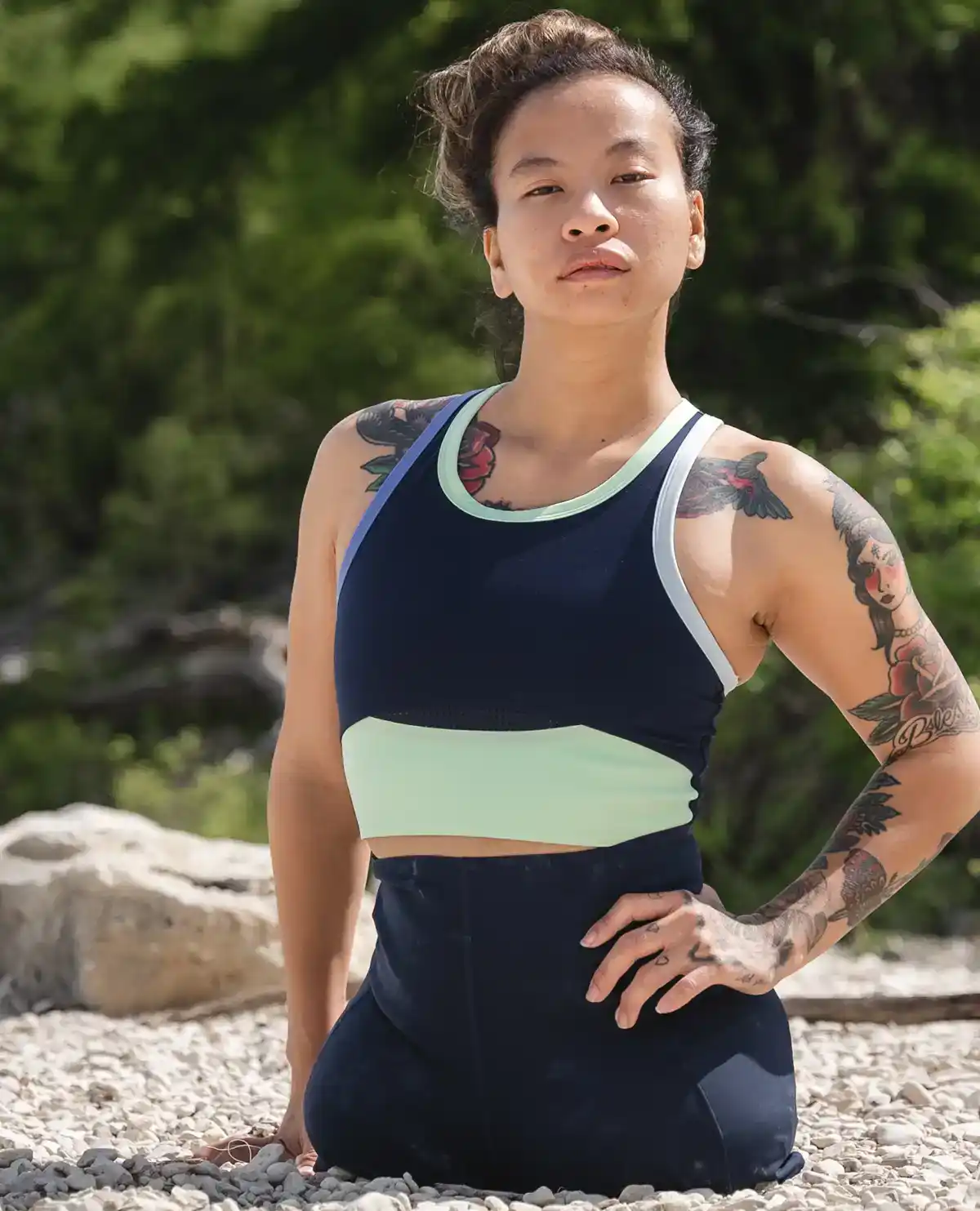
When the topic shifts to accessibility, Sesser does not soften the assessment. Italy, in her experience, felt cleaner and offered more accessibility. Spain felt tougher, with limited accessibility and streets that were not great. Older neighbourhoods add another layer, with cobblestones creating barriers even in places that otherwise read as modern and updated.
Reception matters, too. In the European countries visited, Sesser said adaptive skaters were met with strong acceptance and a welcoming attitude, an experience that continues to draw her back.
Air travel comes with a predictable flash of nerves. Takeoff and landing trigger it, turbulence adds to it. The rest of the trip is described differently: excitement, curiosity and a focus on respecting local culture and history while getting to know a new place.
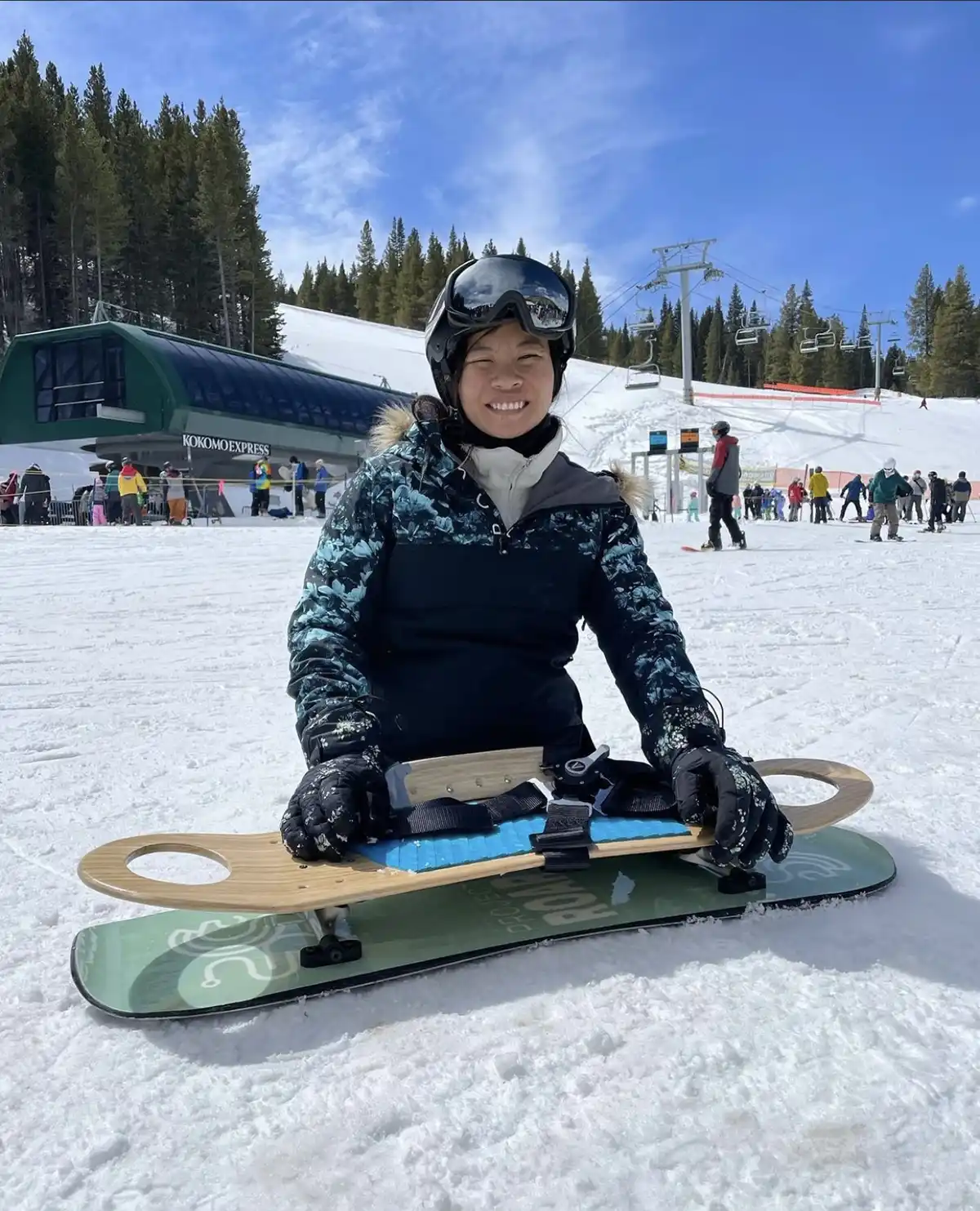
Mobility choices shift with the setting. A wheelchair comes into play when height is practical, including grocery shopping or going out with friends to restaurants. A skateboard or snowboard changes the equation, with Sesser describing a greater sense of ease. Many day-to-day skills were learned independently, including walking on her hands and climbing without being taught.
Independence, though, does not rule out support. Sesser said solo travel is common, but international trips often include an assistant for safety. That backup provides a second perspective and an added voice if problems arise, whether the issue is damaged equipment, missing items or disagreement over what happened.
Asked for travel advice for women with disabilities who hesitate because of logistics, safety or confidence, Sesser focused on three practical priorities. Start with communication: speak clearly with agents and staff, ask questions and state needs directly. Without that, discomfort can build quickly during flights or transfers. Next, consider travelling with an assistant or trusted partner when possible, especially in unfamiliar countries, framed as preparation and safety. Finally, pack thoroughly. Essentials matter, extras matter and tools matter, including equipment connected to mobility, since replacements and accommodations may not be readily available abroad.
Longer trips also call for mental management. During the Switzerland training stay, Sesser described stepping outside, taking in the surroundings and using breathing techniques, including slow breathing from the stomach, to steady the mind and move past negative thought patterns.
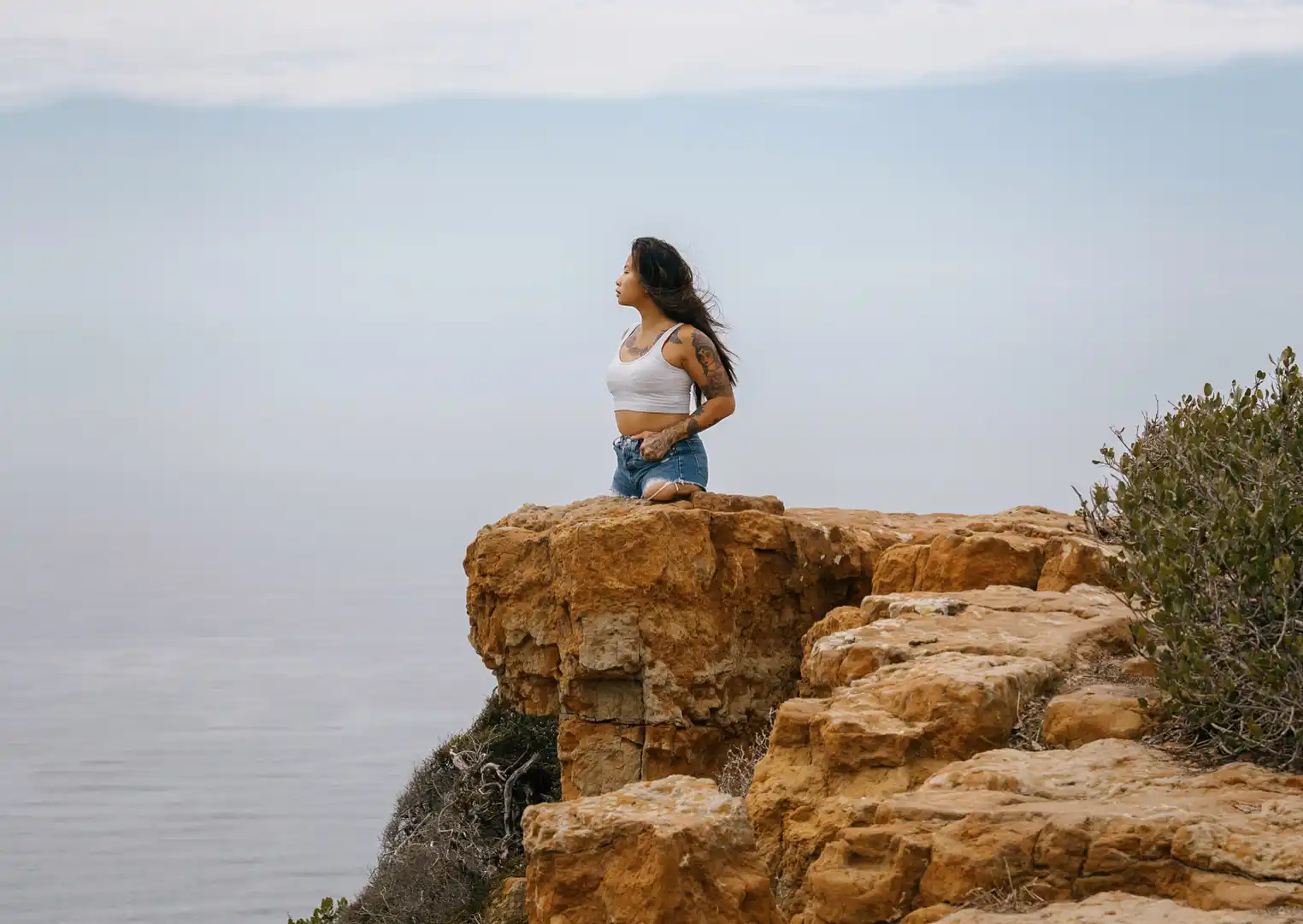
There are firm opinions on how disability is handled in public spaces and sport. Sesser said strangers and even acquaintances can assume they know what is best, speak over her or decide what is possible without asking. Hiking came up as a clear example, with Sesser noting the ability to walk on her hands for two hours to reach a 100-foot waterfall independently.
Skate culture brings another set of concerns. Rigid categories that divide skaters by gender and restrict adaptive women’s participation remain a target. Sesser said adaptive women were excluded from certain events and demonstrations, including SLS and a Paris demo. Pay equity also remains in view, with references to major competitions including the X Games, the Dew Tour and the Olympic and Paralympic Games.
Work continues to move the calendar and the map. A film titled The Keeper is in development, with plans to shoot in the United Kingdom and Canada during the summer, including scenes near a lake. Dragonfly Agency is part of the professional picture, while management is handled independently.
Across the travel discussion, the core message stays consistent: communicate clearly, prepare thoroughly, then move forward.