
Listen to this Article
No Gravity. Nirvana. The sea has always promised freedom.
For travellers from all over the world , the shoreline is a place of simple joy, walking barefoot across soft sand, simply listening to waves ripple against the shore, feeling the salt wind on one’s face. Yet for millions of people with disabilities, that same shoreline can be a quiet barrier. A short flight of steps, deep rugged sand without pathways, boats without transfer systems, or the uncertainty of whether assistance will be available can transform a dream of an ocean trip into a question mark.
But something remarkable is beginning to change along coastlines around the world. From community beaches in India to accessible marine tourism initiatives abroad, the shoreline is slowly becoming a powerful pathway to dignity, independence, and visible social change. Through my work advancing inclusion in ocean tourism, I have seen how a few thoughtful adaptations—and a willingness by communities to learn—can transform the experience of the sea. What begins as an accessibility initiative often grows into something much larger: a shift in how communities think about belonging.
The First Step onto the Sand
On a warm morning along India’s western coast, a group of hospitality students gathered near the waterline. They had spent the previous day learning about inclusive tourism—not from textbooks, but from people who navigate travel with disabilities every day.
The tide was low. The sea stretched out like polished glass.
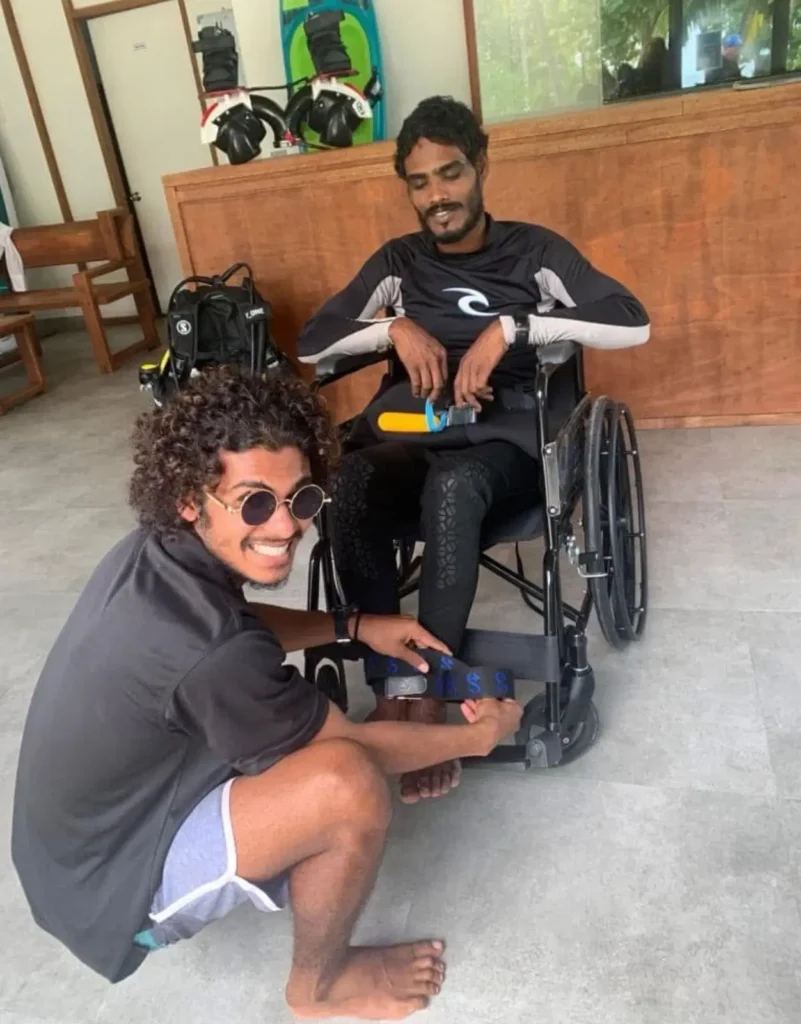
Among the participants was a young man in a wheelchair who had never before entered the ocean. His family hovered nearby, both excited and anxious. Like many families of persons with disabilities, they had spent years navigating spaces that were never designed with them in mind.
The students helped carry him and into shallow water.
The moment he reached the surf, he laughed.
It was not a small laugh. It was the kind that carries across the beach—the sound of surprise and relief, of disbelief. For him, the sea was no longer distant scenery. It was something he could feel.
Around him, the students watched carefully, learning that accessibility is not merely about infrastructure. It is an attitude—a willingness to ask what participation looks like for everyone.
Travel and the Question of Welcome
Globally, more than one billion people live with disabilities—roughly one in six people on the planet. Yet many travellers with disabilities still plan their journeys with a level of uncertainty that others rarely consider:
- Will the hotel entrance have steps?
- Will the boat crew understand how to assist safely?
- Will there be an accessible restroom nearby?
Even the beach itself—a symbol of openness—often lacks the features needed for access. Deep sand can become an immovable barrier for wheelchair users. The absence of tactile guidance can make independent navigation difficult for people with visual impairments. Crowded or chaotic environments can overwhelm those with sensory sensitivities.
These barriers are rarely intentional. Most beaches evolved as informal recreational spaces rather than designed environments. But as tourism expands and awareness grows, destinations are beginning to recognize that accessibility is not only about compliance—it is an opportunity.
Accessible tourism is one of the fastest-growing segments of the global travel industry. Families increasingly travel together across generations, and travellers seek destinations where everyone in the group can participate fully. The shoreline, once redesigned with accessibility in mind, becomes one of the most powerful inclusive spaces imaginable.
Small Changes, Big Impact
One of the most encouraging discoveries in this field is that accessibility improvements are often simpler than many destinations expect. When coastal tourism operators approach access through a practical lens, small adaptations can unlock an entire shoreline experience.
So here’s what you and your organization can work towards-Consider the following changes that can dramatically transform a beach visit:
- Beach access mats that allow wheelchairs and mobility devices to travel across soft sand toward the shoreline.
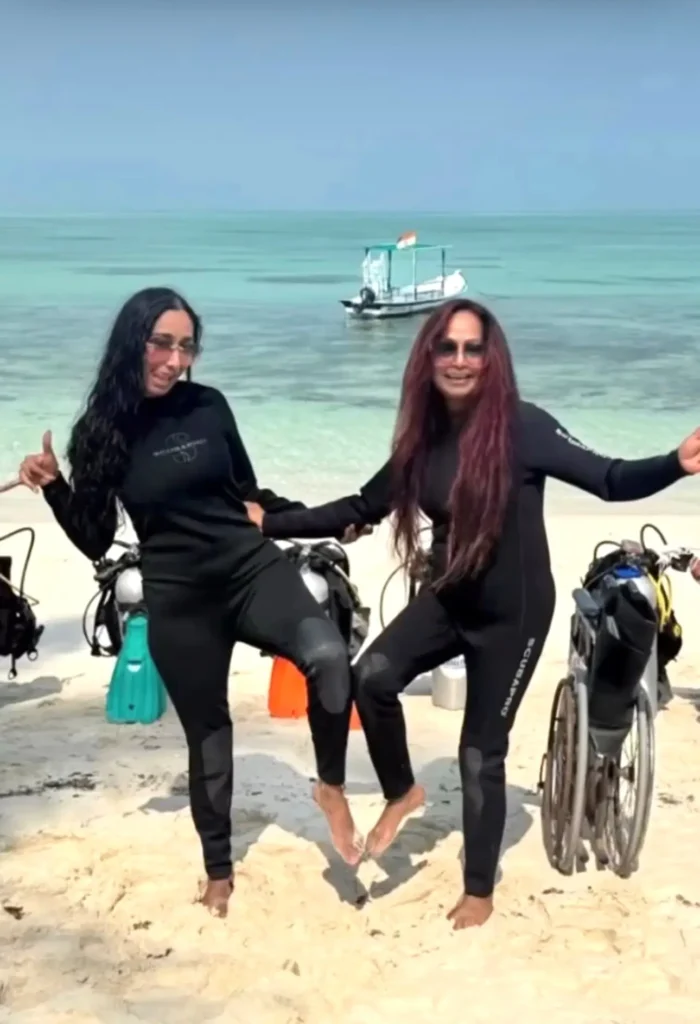
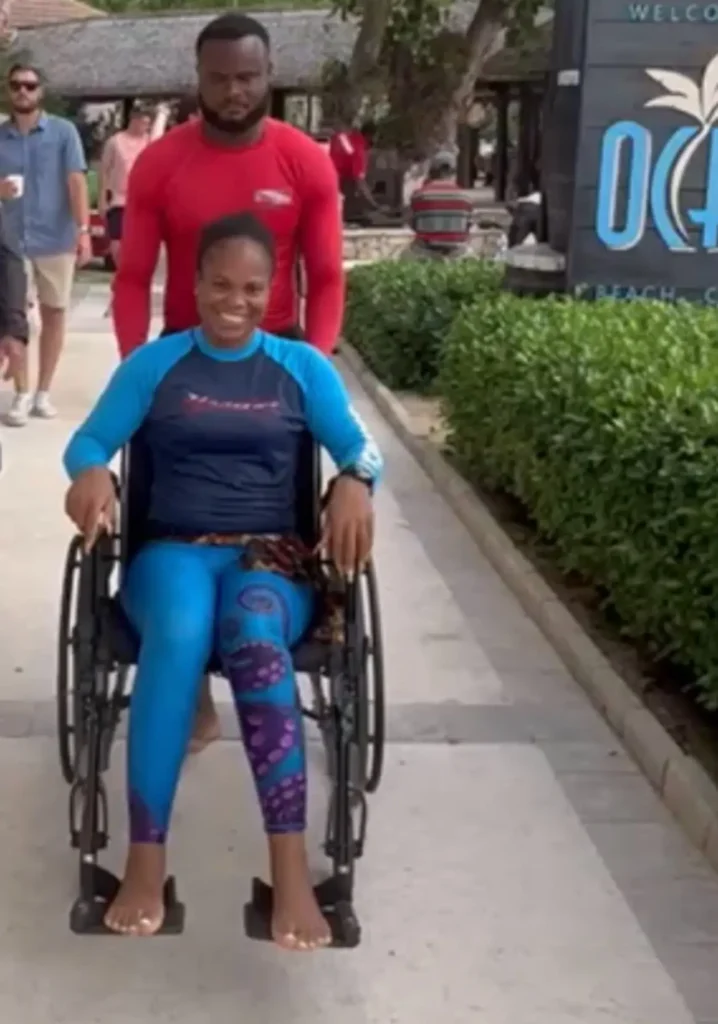
- Amphibious beach wheelchairs designed to float safely in shallow water.
- Trained lifeguards and volunteers who understand safe transfers, water entry assistance, and inclusive safety protocols.
- Clear signage, shaded rest areas, and accessible restrooms positioned close to the beach.
Accessibility does not stop at the waterline. The entire coastal tourism ecosystem plays a role.
Beach resorts with step-free pathways, accessible guest rooms, roll-in showers, and trained staff create the confidence travellers need when planning ocean holidays. For many guests with disabilities, the decision to visit a beach destination begins with one question: Will I be able to stay comfortably near the sea?
Beachfront restaurants and cafés can make simple but meaningful adjustments too-level entrances, accessible seating, wider circulation between tables, and menus in multiple formats ensure everyone can enjoy the atmosphere of dining beside the ocean. Even a small accessible deck overlooking the water allows families to share the experience together rather than separating members with mobility needs.
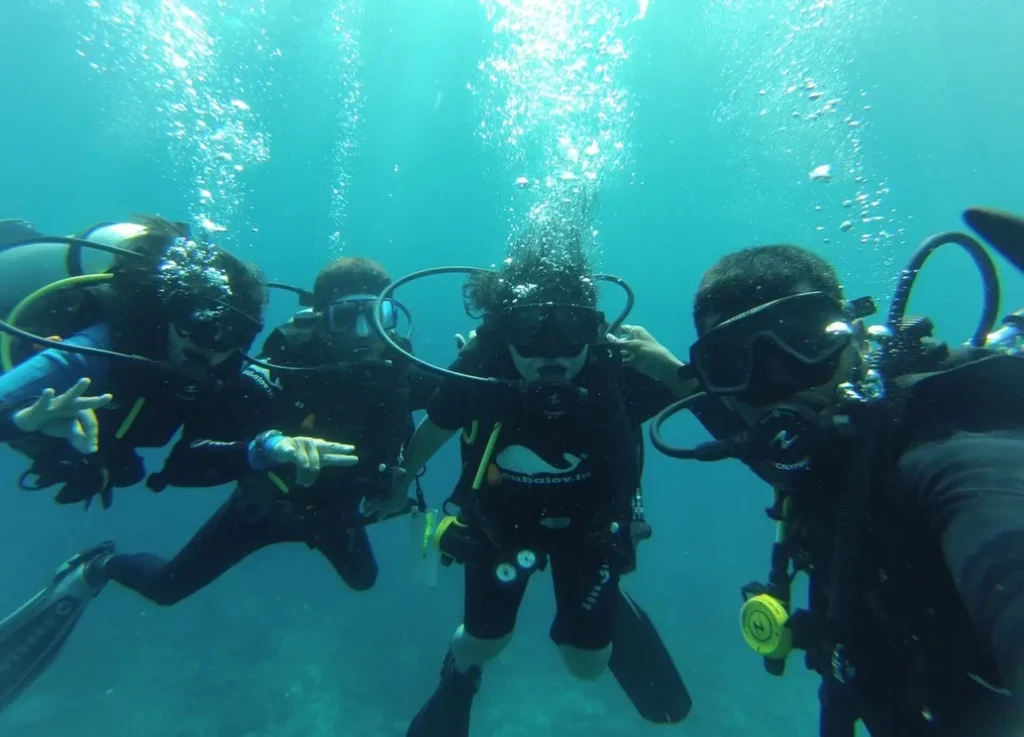
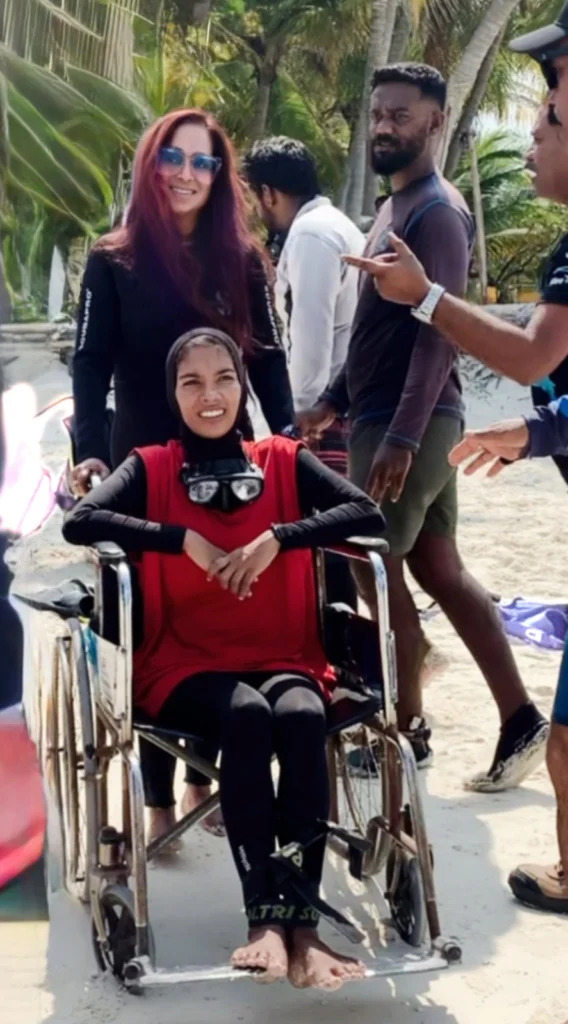
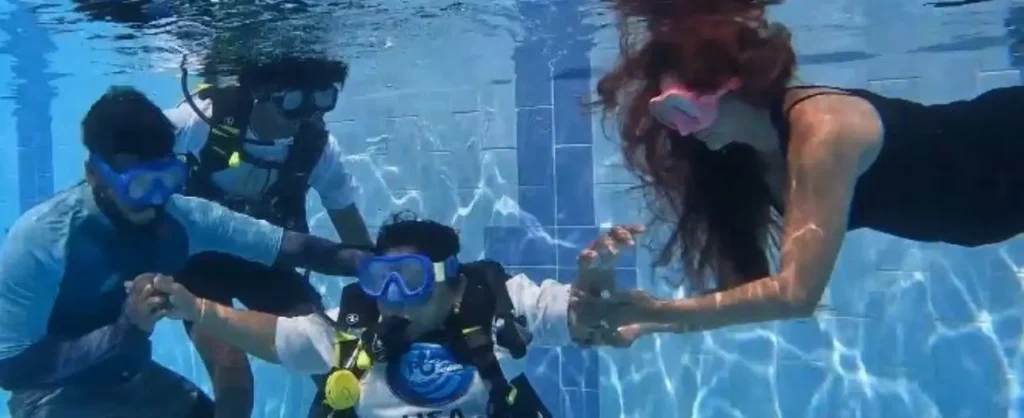
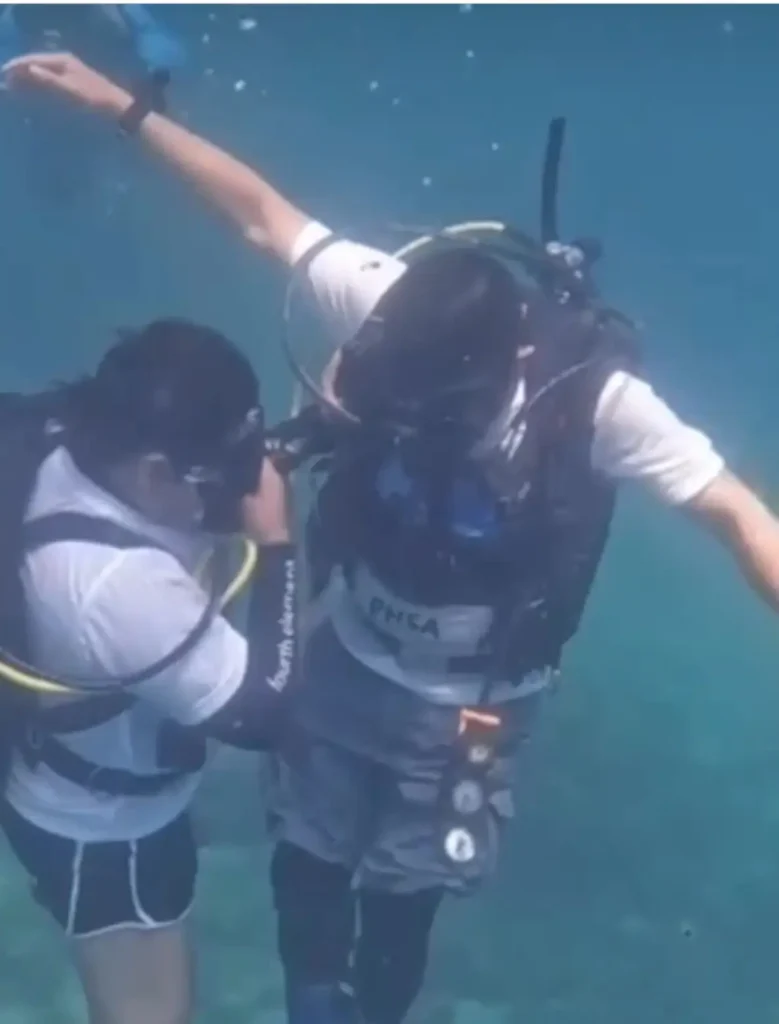
Water sports centres are another area where innovation is rapidly expanding opportunities. Adaptive kayaking, supported snorkelling, modified surfboards, and trained adaptive instructors are enabling travellers with disabilities to experience marine adventures that were once considered out of reach. With proper safety training and adaptive equipment, activities such as sailing, scuba diving or paddle sports become inclusive experiences that build confidence and independence.
Equally important is accessible medical support along beach areas. Coastal destinations that provide clearly marked first-aid stations, trained emergency responders familiar with disability needs, and accessible transport routes to nearby healthcare facilities create reassurance for travellers and their families. For visitors who rely on medication, mobility equipment, or specialised care, knowing that medical assistance is nearby makes participation possible.
None of these interventions require massive engineering projects—they require coordination, training, and a commitment to inclusive design.
When Communities Lead
Accessible shoreline initiatives rarely succeed through infrastructure alone. They thrive when local communities take ownership.
In several coastal regions where we have worked, fishermen, lifeguards, tourism operators, non profits and local families have become active collaborators in building accessible beach experiences. This partnership creates something deeply meaningful.
When a fisherman helps stabilize a transfer into a beach wheelchair, or when a lifeguard guides a visually impaired visitor safely into the surf, accessibility becomes a shared community effort rather than a specialised service.
For local residents, it also changes perceptions. Many communities have had limited opportunities to interact closely with persons with disabilities. Inclusive beach programs create moments of connection that challenge stereotypes and expand understanding. Children playing nearby watch someone with a wheelchair enter the sea for the first time. Volunteers learn that assistance is not about pity—it is about partnership. These moments quietly reshape attitudes.These can become part of the CSR ( Corporate Social Responsibility)for many ocean resorts and water sports centers.
The Emotional Landscape of the Sea
For travellers with disabilities, the emotional significance of reaching the shoreline can be profound. Water carries a unique symbolism: freedom, movement, possibility.
For individuals who navigate daily life within environments that frequently restrict mobility, entering the ocean can feel like reclaiming a space that was never meant to exclude them. I remember speaking with a mother whose daughter has cerebral palsy. They had travelled extensively, but beaches had always been places where the family stayed on the promenade rather than the sand.
When her daughter finally entered the sea using an adaptive beach chair, the mother watched quietly from the shore.
“She’s not being watched,” she told me afterward. “She’s just part of it.”
That sense of belonging—the ability to participate without being treated as an exception—is one of the deepest goals of accessible tourism.
Learning From Global Frameworks
The movement toward accessible tourism is supported by a growing global framework of rights and policies that recognise access to recreation and travel as essential components of inclusion.
International disability rights agreements emphasise equal participation in cultural life, leisure, and tourism. These frameworks encourage governments and industries to design environments that accommodate diverse abilities from the beginning rather than retrofitting spaces later.
But policies alone rarely create meaningful change. What truly shifts the landscape are practical models that communities can see, experience, and replicate. When a beach introduces accessible pathways and trained volunteers, neighbouring destinations take notice. Tourism boards recognise the potential to attract new visitors. Hotels and tour operators realise that accessibility improvements benefit a wide range of travellers, including seniors and families with young children. Accessibility becomes not only the right thing to do but the smart thing to do.
Hospitality Students at the Frontline
One of the most exciting developments in accessible tourism is the involvement of hospitality students.
During training programs,Tourism and Hospitality students often arrive with curiosity but limited exposure to disability inclusion in real travel environments. By the end of the experience, many describe a fundamental shift in perspective. They learn how to communicate respectfully with travellers who have different needs, cognitive or physical disabilities, practice safe assistance techniques, and observe firsthand how accessible design improves the travel experience. Most importantly, they witness the joy that comes from enabling participation.
These future hotel managers, tour operators, and event planners carry those lessons into their careers, creating a ripple effect across the tourism industry.
The Economic Case for Inclusion
Accessible tourism is sometimes framed purely as a social responsibility. In reality, it represents a significant economic opportunity.
Travellers with disabilities rarely travel alone—they often bring family members, caregivers, or friends. Destinations that provide inclusive infrastructure and welcoming environments attract entire groups who might otherwise choose a different location.
Investing in accessibility often increases visitor loyalty. Travellers remember places where they felt genuinely welcomed. Inclusive tourism strengthens local economies while reinforcing a culture of hospitality.
The Power of Visible Change
Perhaps the most powerful impact of accessible beaches is their visibility.
Unlike policy documents or conference discussions, a wheelchair rolling across a beach mat toward the sea is something everyone can see. It becomes a public demonstration of inclusion in action. Tourists notice. Local residents notice. Children notice. Once people see what inclusion looks like, it becomes harder to imagine returning to exclusion. Accessible shorelines show that communities can adapt spaces that once seemed difficult to modify. They demonstrate that participation is possible with creativity and collaboration.
A Shoreline for Everyone
The future of travel is increasingly defined by inclusivity. Beaches belong to everyone. They are public spaces where nature meets community, where visitors and residents share the same horizon.
When those spaces become accessible, the change reaches far beyond tourism. It influences education, employment, urban design, and social attitudes. Inclusion is not a special feature—it is a fundamental expression of dignity. Not only Ocean hospitality and restaurants, In fact this can apply universally for the tourism sector in any geographical location- is to advertise and display the accessibility welcome detailed note on their websites and social media platforms to encourage more patrons. It’s a win win situation for everyone.
Because when the shoreline opens, it does more than provide access to the sea—it opens the possibility of belonging.
