
Listen to this Article
How close can a city come to removing the barriers that shape a visit? For many travellers, the answer starts before they reach the first attraction. It starts with practical questions about airport access, transportation and accessible washrooms, as well as knowing that the places you enter have considered people whose needs or identities may differ from the majority.
For someone planning a trip to Thunder Bay, Ontario much of that information is available before leaving home. Tourism Thunder Bay provides information on accessible transportation and services, along with a 2SLGBTQIA+ welcoming guide and business directory, while Thunder Bay International Airport details its accessibility services online. The airport is fully wheelchair accessible and offers accessible washrooms, curbside assistance and the Hidden Disabilities Sunflower Program. Travellers with non-visible disabilities can pick up a free Sunflower lanyard at the airport, quietly signalling to trained staff that they may need a little more time, assistance or understanding. It may not be the part of a trip that ends up in the photographs, but for many disabled travellers, this is where a destination starts to show what kind of experience it intends to offer.
Getting into the city brings another practical consideration. Thunder Bay Transit buses are wheelchair accessible on all routes. Visitors who cannot use conventional transit for all or part of their journey can also apply for temporary access to Lift+, the city’s door-to-door specialized transit service.
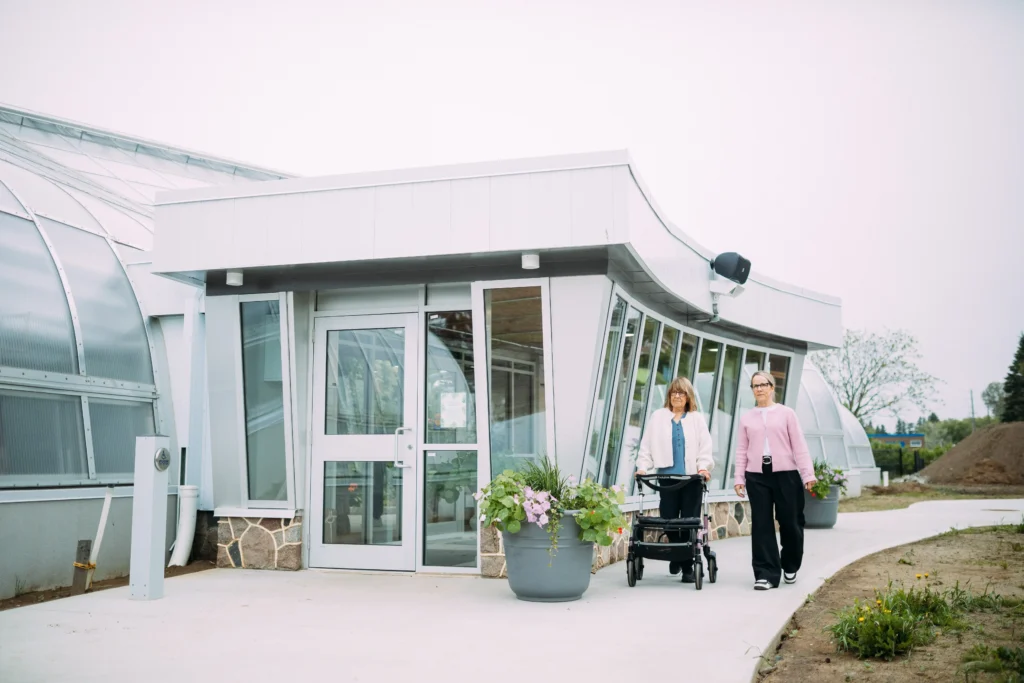
The Thunder Bay Museum makes an interesting first stop. There is a ramp to the entrance, automatic door openers and an elevator, while exhibit spaces have been designed to allow unimpeded movement. The museum says all its washrooms are accessible with the first-floor washroom meeting full accessibility requirements. Washrooms on the first and third floors are gender-neutral. Those details matter because accessibility and inclusion rarely come down to a single feature.
Later, Goods & Co. Market offers a chance to spend time among local businesses rather than rushing between conventional tourist attractions. Located in the former Eaton’s building on Red River Road, the market has more than 25 local food and merchandise vendors, along with an art gallery, seating and event spaces. Its main entrance has no stairs, all areas of the market are accessible and an accessible washroom is available. The building also has all-gender washroom facilities.
That same attention to accessibility and inclusion can also be seen in some of the city’s smaller businesses. Tourism Thunder Bay’s directory describes Sweet Cherry Spa on Victoria Avenue East as wheelchair accessible, neurodivergent-friendly and trauma-informed. Silent services are available, clients can choose their music and fidget toys are offered. The spa also uses gender-neutral language and provides gender-neutral services and washroom facilities. For a visitor, these are useful things to know before arriving. They can make planning a little easier and reduce some of the uncertainty.
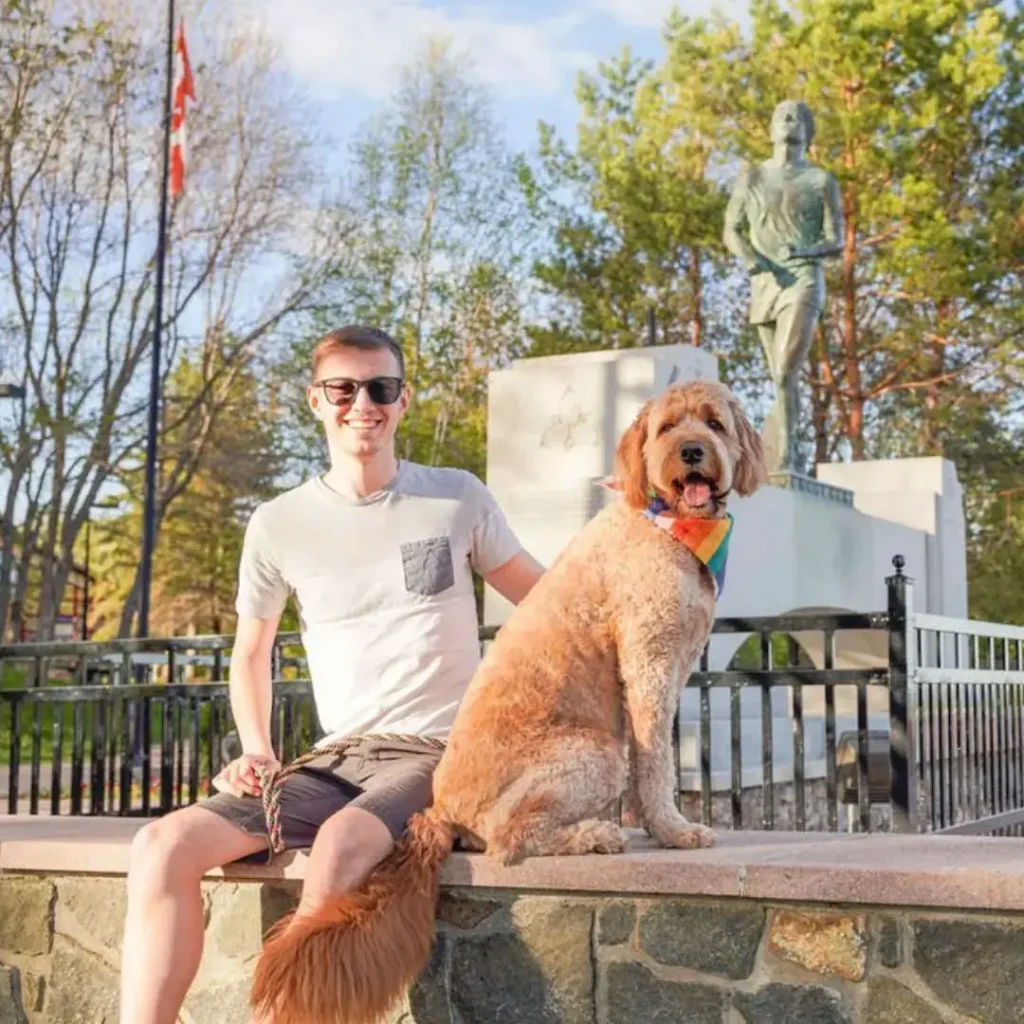
No destination will work equally well for every traveller. Disabled visitors will have individual access requirements, and 2SLGBTQIA+ travellers may have their own questions about where they will feel comfortable. What makes the city interesting is the amount of practical information already available to help answer some of those questions.
Can Thunder Bay become a city without limits? No city can remove every barrier for every person, but progress can be seen in the choices it makes. Accessibility needs differ from person to person, and inclusion cannot be measured by a single accessible entrance, transit service or welcoming business. What is already visible across Thunder Bay suggests a broader effort to make the city easier to navigate and more welcoming. Accessible transportation, clearer information, inclusive public spaces and businesses that consider both disability and 2SLGBTQIA+ travellers can all influence how fully someone is able to participate in a destination.
A welcoming trip is built from practical details. Knowing how you can get from the airport, what to expect when entering a building and which places may suit your needs can make a real difference. In Thunder Bay, the attention given to these details helps create a visitor experience that is more accessible, inclusive and welcoming to a wider range of people.