Listen to this Article
Q&A with Juliana Medina, co-owner and CEO of Impulse Travel, Columbia

For a disabled traveller considering Colombia for the first time, what experiences would you most want them to know are possible, and where would you encourage them to begin?
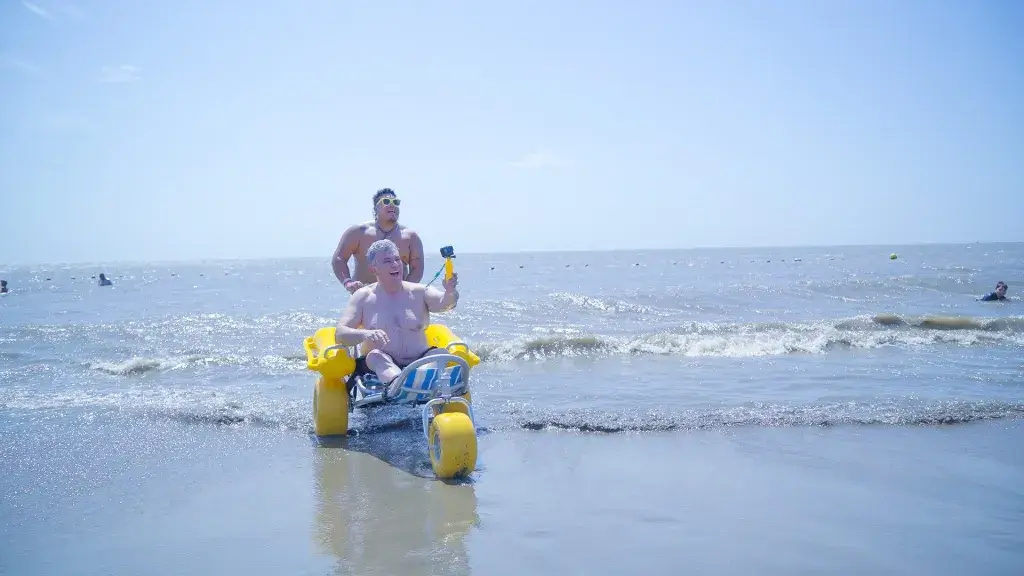
That Colombia is open to them, beyond a short list of “accessible sights.” With the right planning, travellers can cook with local families, spend a morning on a coffee farm, listen to live Caribbean music, take a boat out on the Caribbean Sea, or go birdwatching in one of the most bird-rich countries on earth.
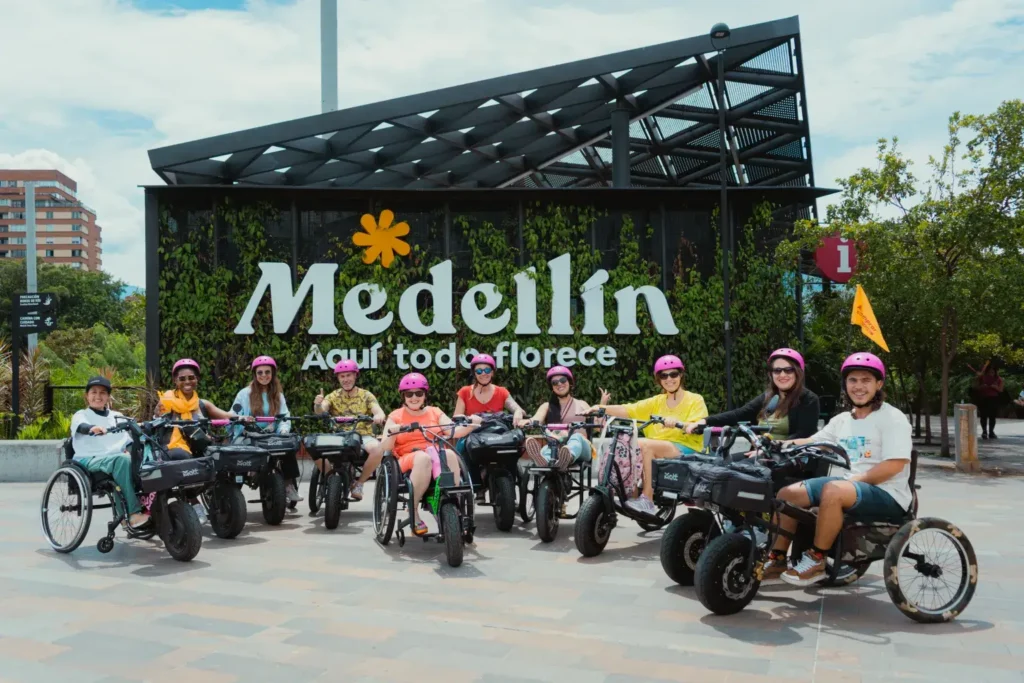
For a first trip, we usually suggest starting with Bogotá, Cartagena and Medellín. Bogotá being the capital with everything to offer, Cartagena sits at sea level and its historic center is compact, and Medellín has a mild climate year-round and a lower altitude than Bogotá. Together they give a strong sense of the country without demanding too much physically.
What are some of the most memorable places, food experiences or cultural encounters you can include in an accessible journey through Colombia that give travellers a genuine sense of the country?
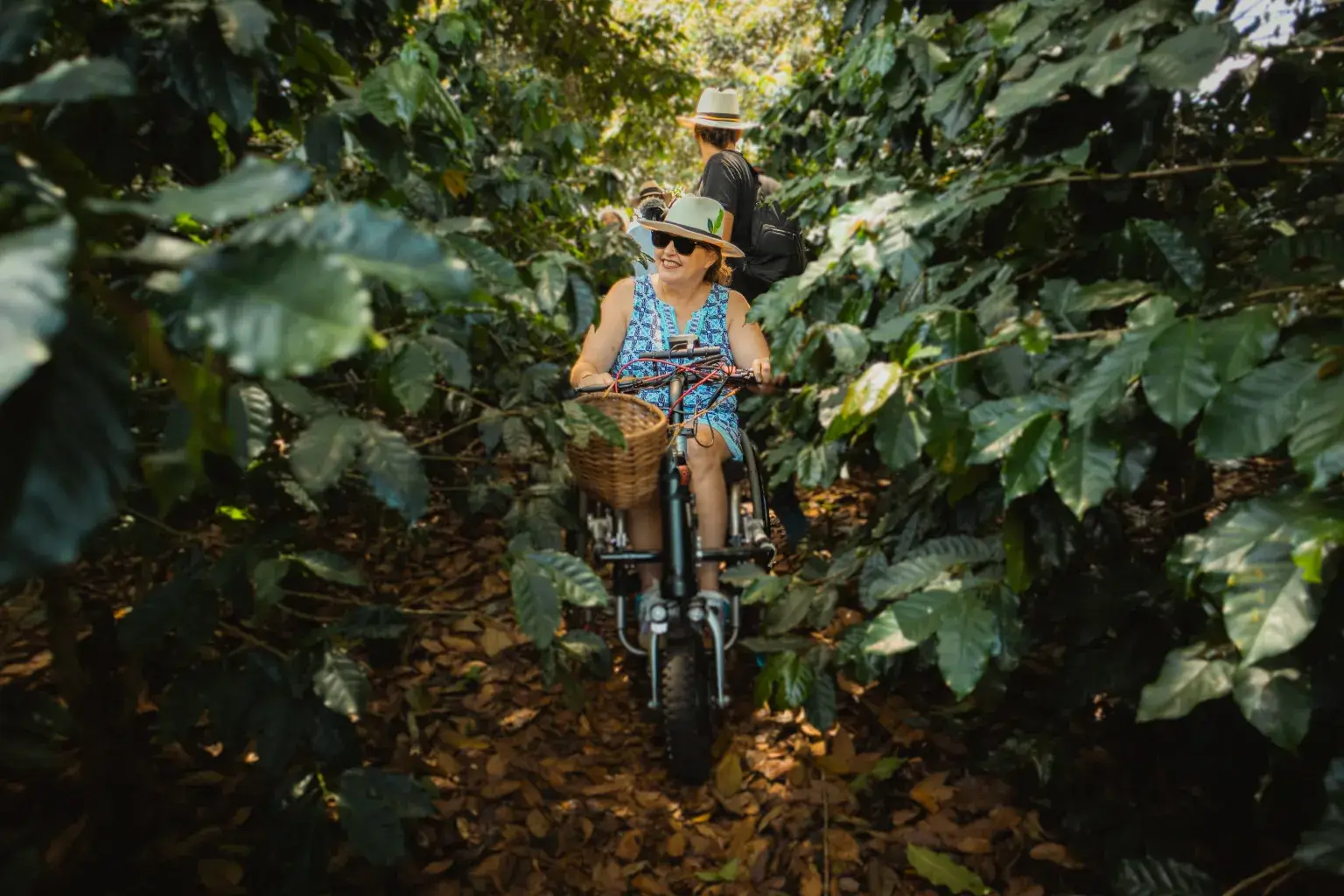
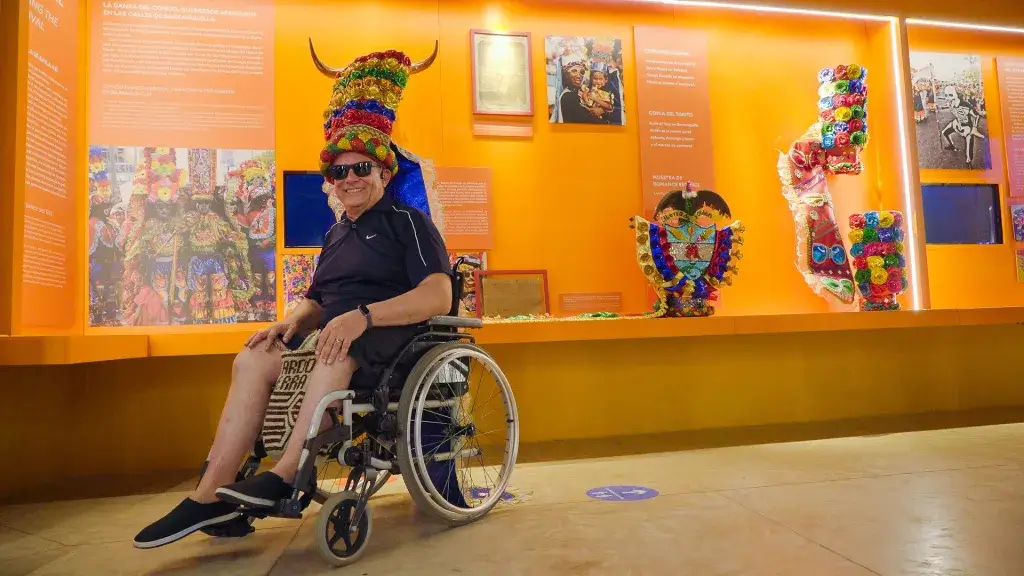
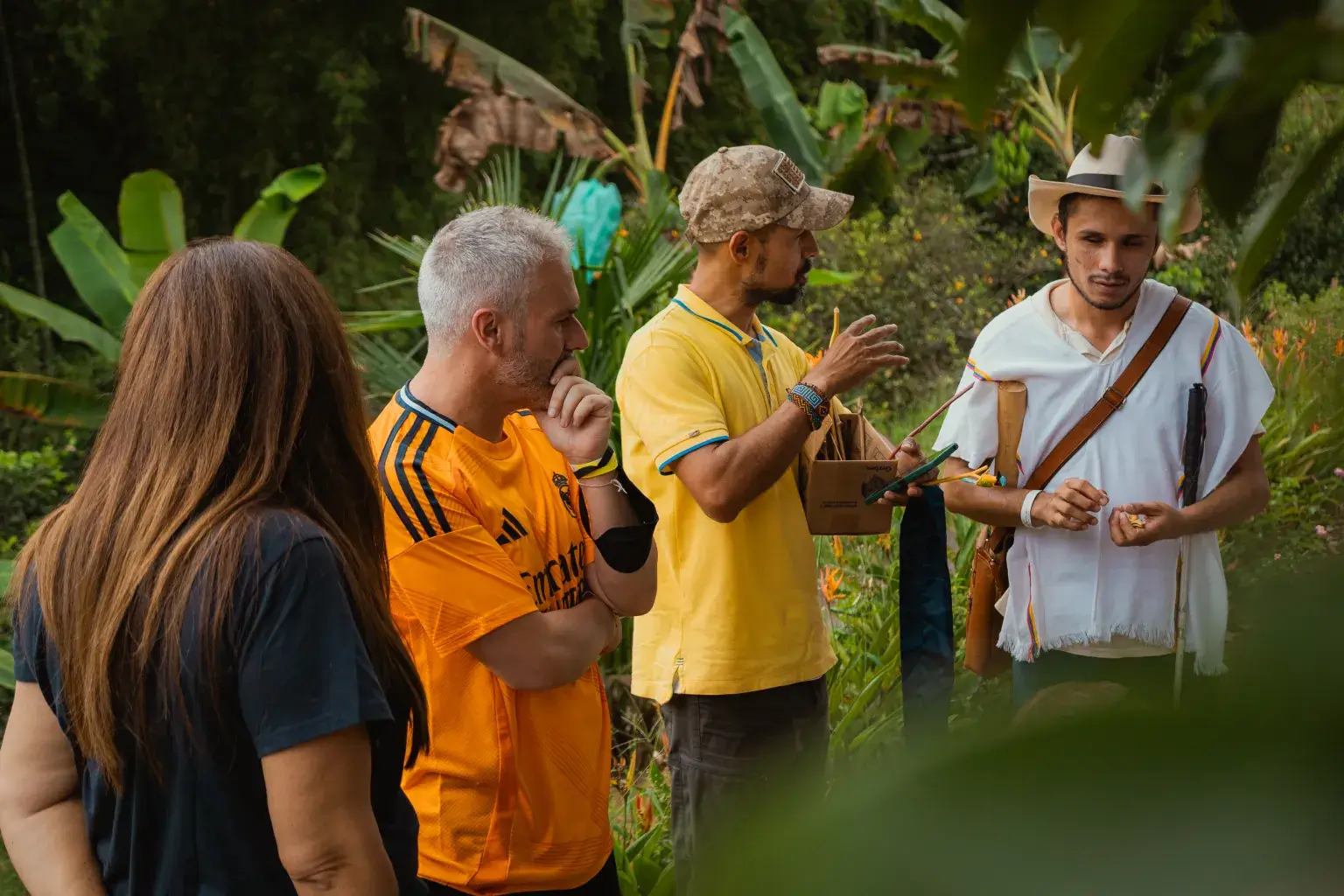
The moments people remember most are almost always about the people. A cooking session with a local cook on the Caribbean coast, where the recipes come with family stories. A visit to a coffee farm, chosen for its terrain as much as its coffee, where the producer explains how the harvest has shaped their family. Music and dance in Cartagena or Barranquilla, whose Carnival is recognized by UNESCO as part of humanity’s intangible heritage. Many of these encounters can come to the traveler rather than the other way around, so the location never decides who gets to take part.
Colombia’s historic streets, landscapes and older buildings can sometimes present accessibility challenges. How do you plan around those realities while still giving travellers an experience that feels rich rather than restricted?
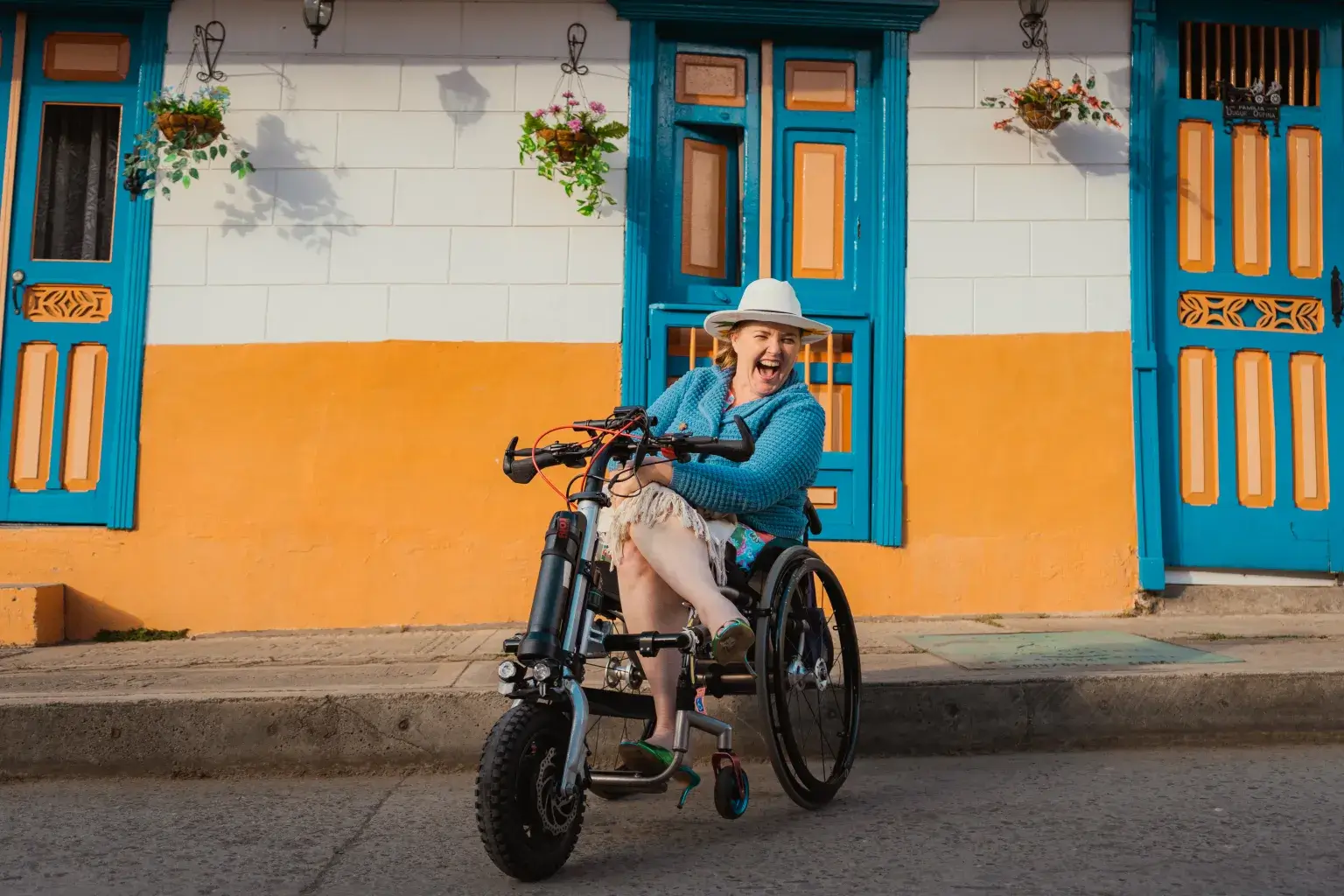
We start by being honest about those challenges. Cobblestones, narrow sidewalks, high curbs, and Bogotá’s altitude are real, and we discuss them openly before the trip, not on the ground. Then we plan around them: we check hotels room by room rather than by brochure, look at bathroom layouts and door widths, choose routes and times of day carefully (the Caribbean heat matters), and pick venues where the experience doesn’t depend on stairs. Our Head of Product, Laura Castrillón, has led the integration of accessible experiences into our portfolio, and Impulse was the first company to run an accessible familiarization trip in Colombia for international buyers, together with ProColombia. We repeated it this year. That work on the ground is what lets us say yes to more.
When someone contacts you about a trip, what do you learn about them before designing their itinerary, and how does that shape everything from transportation and accommodation to the experiences you recommend?
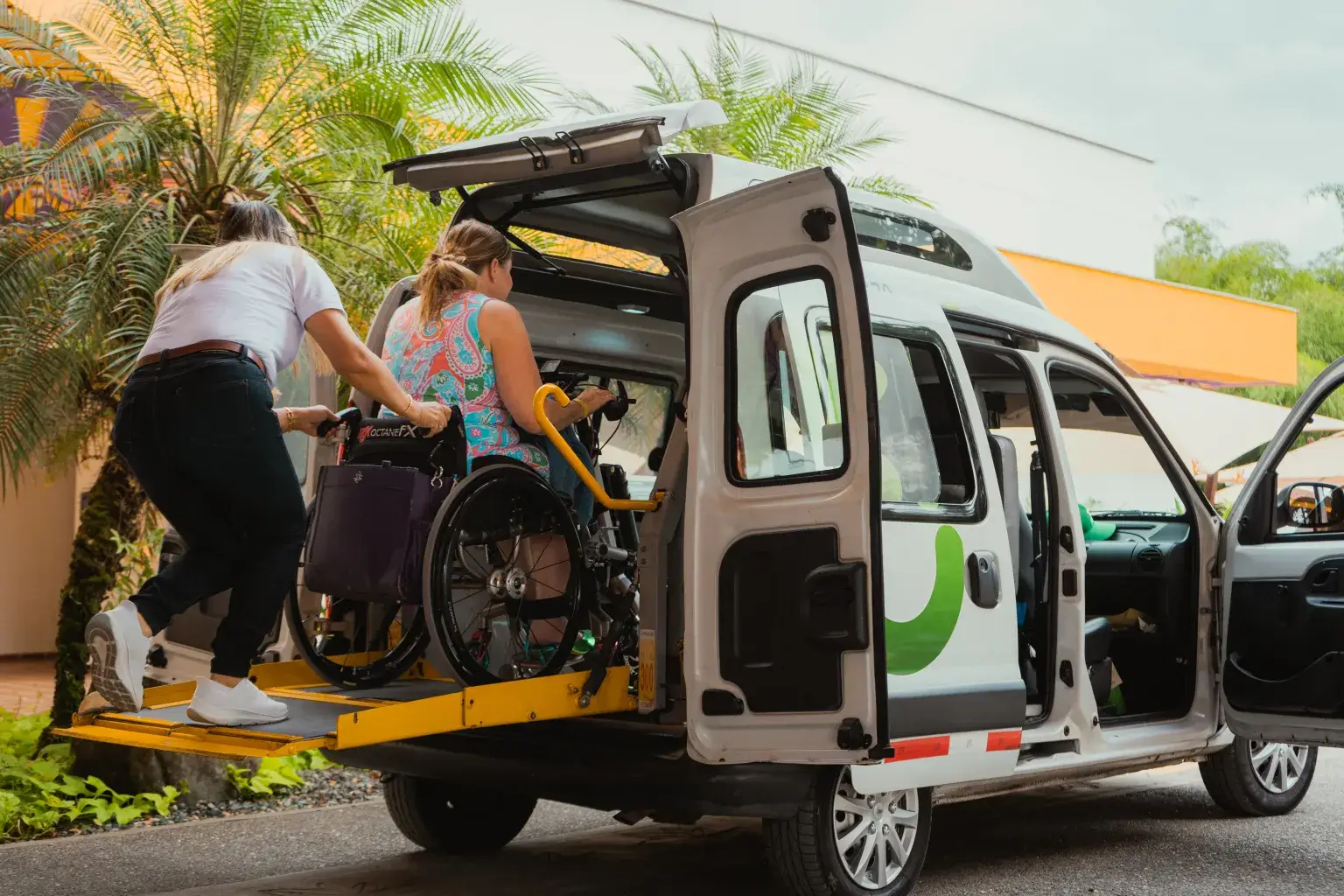
Almost everything, because accessible journeys can’t be copied and pasted from one traveler to the next. We ask about their story and what Colombia means to them, their daily routine and energy levels, the type of mobility equipment they use, the level of personal assistance they need, any medical considerations such as altitude, and their level of Spanish. Those answers decide which airline and aircraft we recommend and how the wheelchair will be handled, which vehicles we use for transfers, which hotel and room we book, and how many activities fit into each day. Pace is as important as infrastructure: the goal is a trip that feels enjoyable, not exhausting.
If one of our readers came to you and said, “I want to really experience Colombia, not simply visit the accessible places,” what kind of journey would you create for them?
We’d start with a conversation about what “really experiencing” means to them. Food? Music? History? Nature? Then we’d build the trip around people rather than sites. Picture a few days in Cartagena with a cook, a musician, and a historian who know the city from the inside, followed by Medellín, where locals share how the city transformed itself, and a coffee farm where the producer hosts you at their own table. The accessibility work happens behind the scenes, in the vehicles, the rooms, the timing, and the choice of hosts, so the traveler can focus on the place and the people.