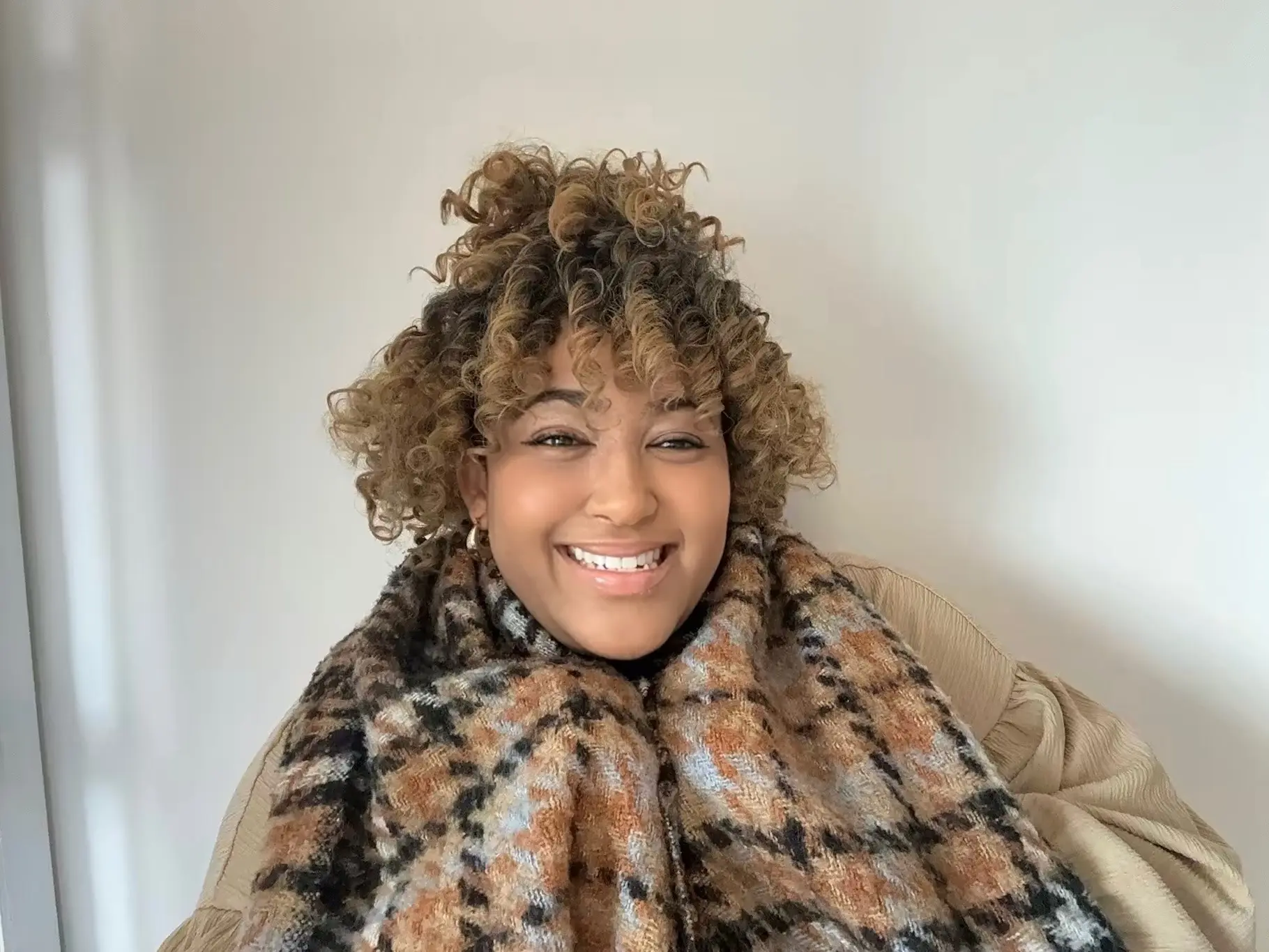
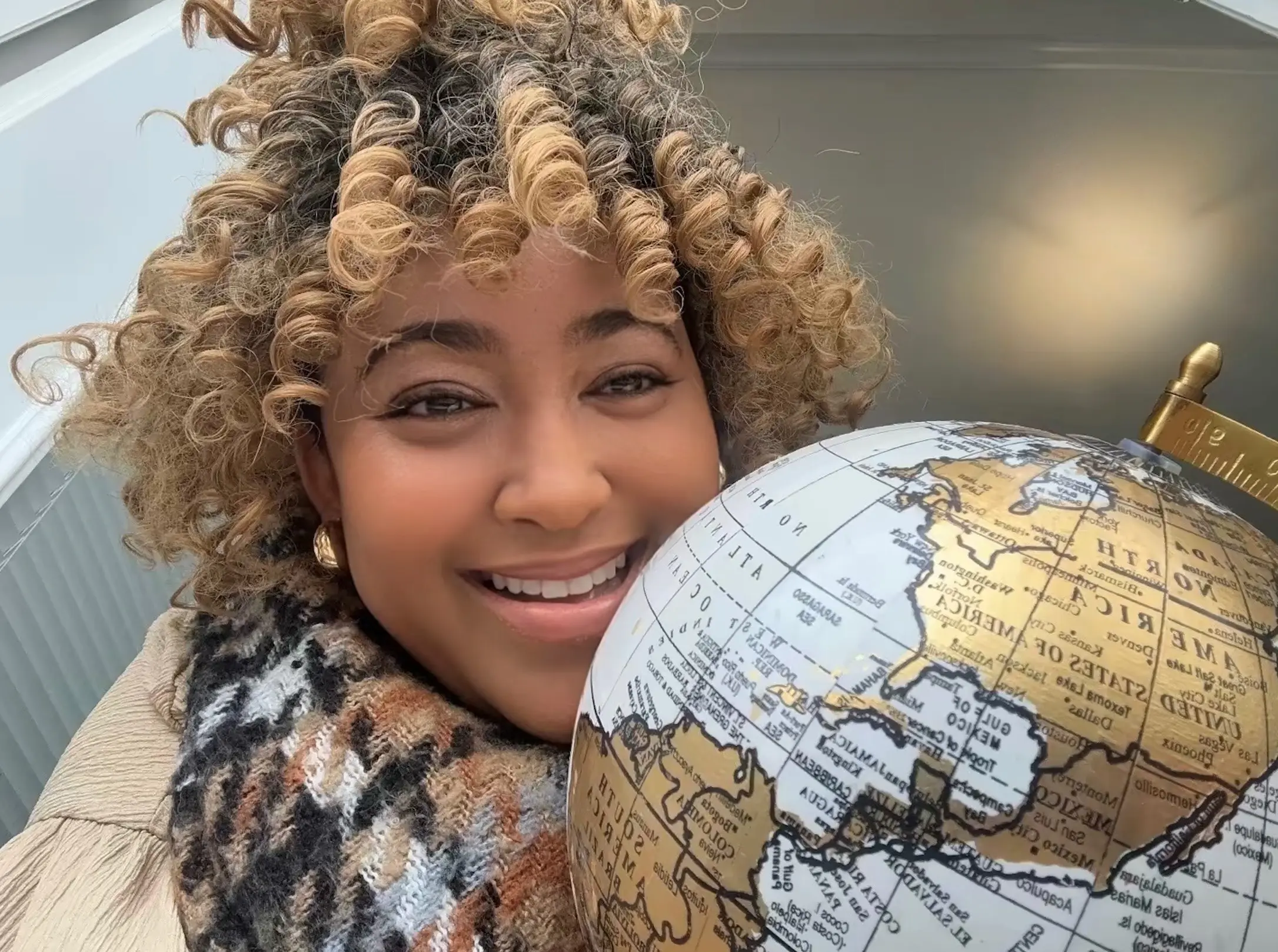
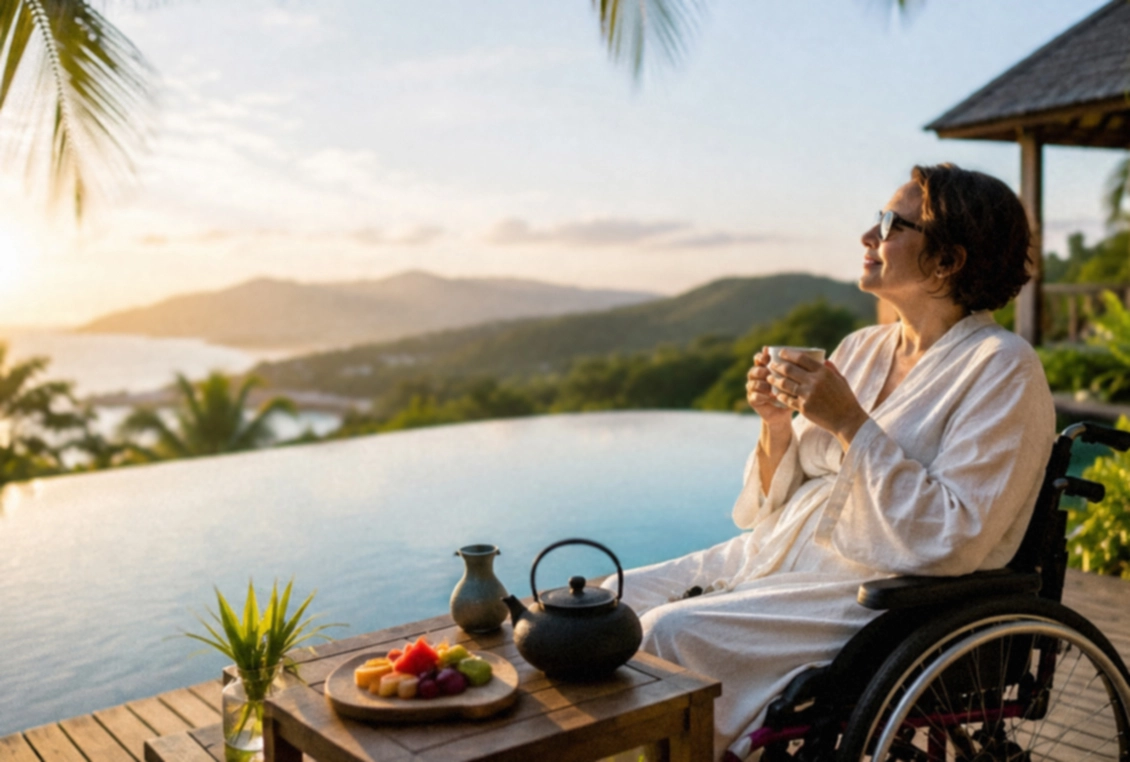
For a long time, I thought wellness had to look a certain way. Before I truly began looking inward, I assumed everyone experienced the world the same way I did. I did not always realize that what felt calming to one person could feel overwhelming to another, or that something others considered relaxing could leave me feeling exhausted.
I imagined wellness as perfectly planned routines, peaceful mornings, long walks, beautiful destinations and the ability to completely disconnect from everyday life.
A neurodivergent perspective on wellness and travel
Accessibility begins with feeling calm
When people hear the words “accessible travel,” they often think about ramps, elevators and accessible hotel rooms. Those things matter, but for me, accessibility begins much earlier. It begins with whether an environment allows me to feel calm.
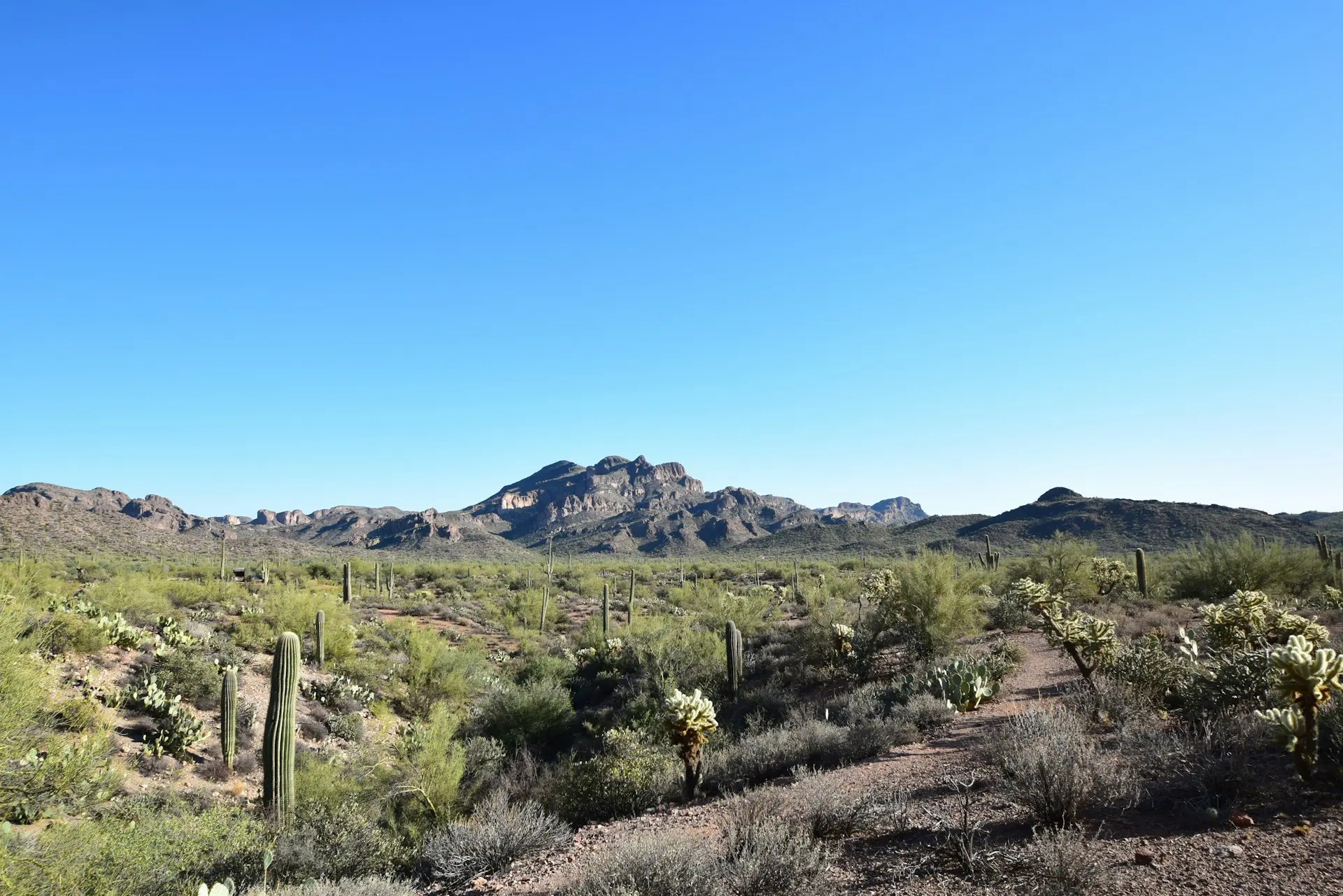
Why choose Mesa, Arizona, for an accessible wellness trip?
Forget the postcard, the golden-hour desert shot and the promise of total ease. For a huge number of travellers, wellness doesn’t start there at all. It starts somewhere much smaller and much earlier, with the question that can shape the entire trip: What will this actually feel like when I arrive? Will the space be easy to navigate? Will there be places to rest? Will the pace, noise, lighting and layout feel manageable? Will there be room to pause if the experience becomes too much?
The benefits of wellness travel for people with disabilities
A change of place can do powerful things. New surroundings, different routines, fresh air, gentle movement, good food and time away from the usual demands of daily life can help the mind and body reset.
For some disabled travellers, travel can also build confidence. It can create space to practise independence, make choices, meet people and move through the world in a way that may not always feel easy at home. Research has linked travel and leisure experiences for people with disabilities to improved self-esteem, communication and social skills.
Water experiences are becoming a powerful form of wellness travel
One of the most restorative elements of wellness is also one of the simplest. Water.
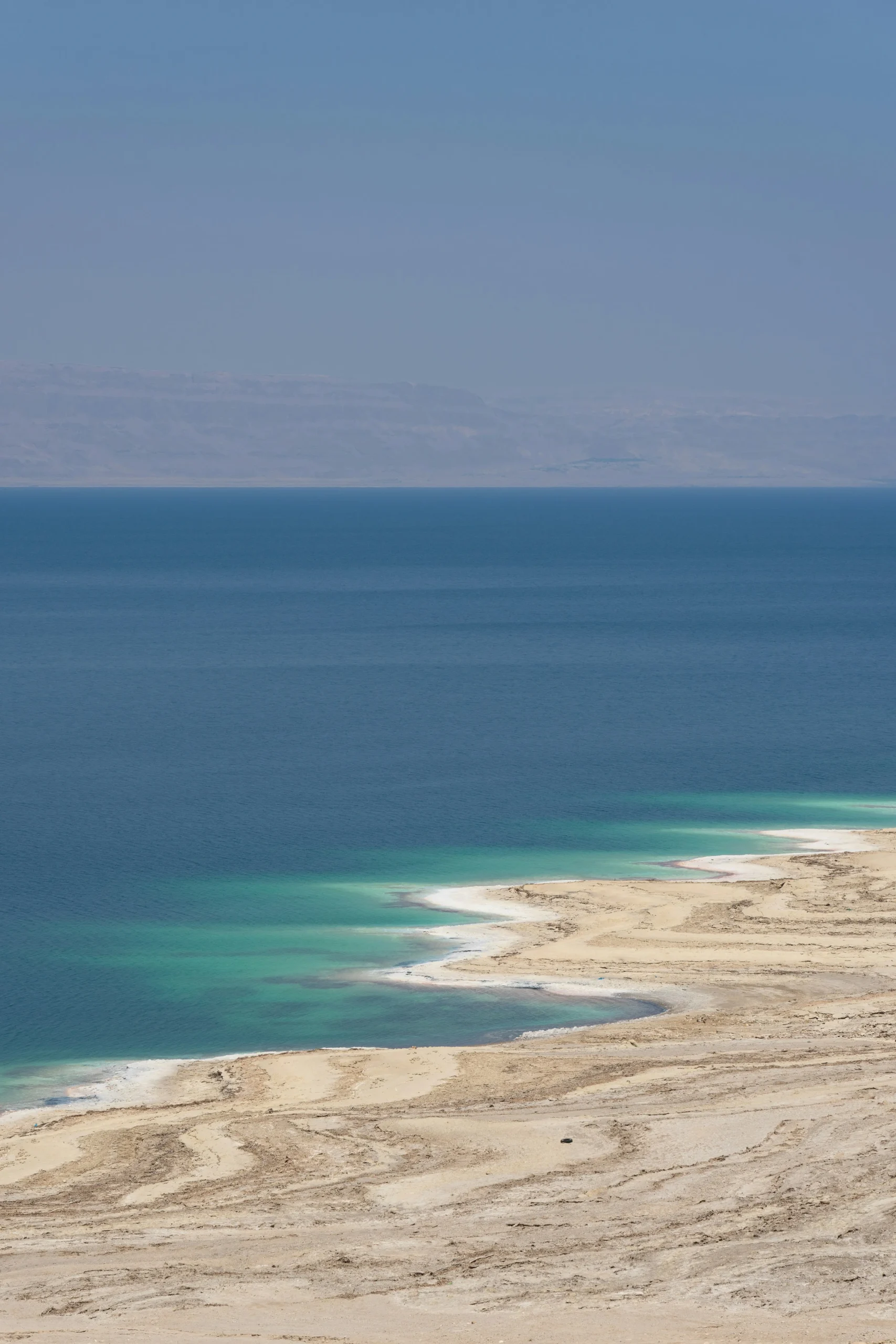
Travel is often associated with discovering new places, but it can also be a way to restore the body and mind. For many people, that journey leads to water. A mineral spring tucked into the mountains, a warm hydrotherapy pool, a quiet lake at sunrise or the steady rhythm of waves along the shore can all become the reason for the trip itself. Travelling to water is, for many people, a form of wellness travel.
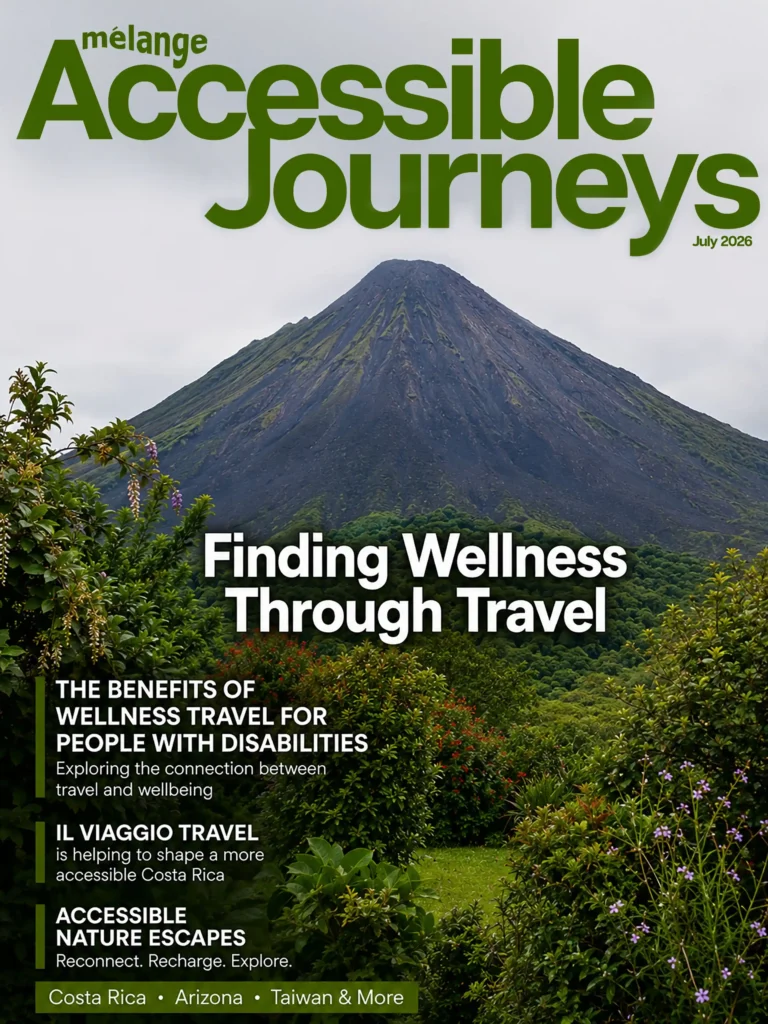
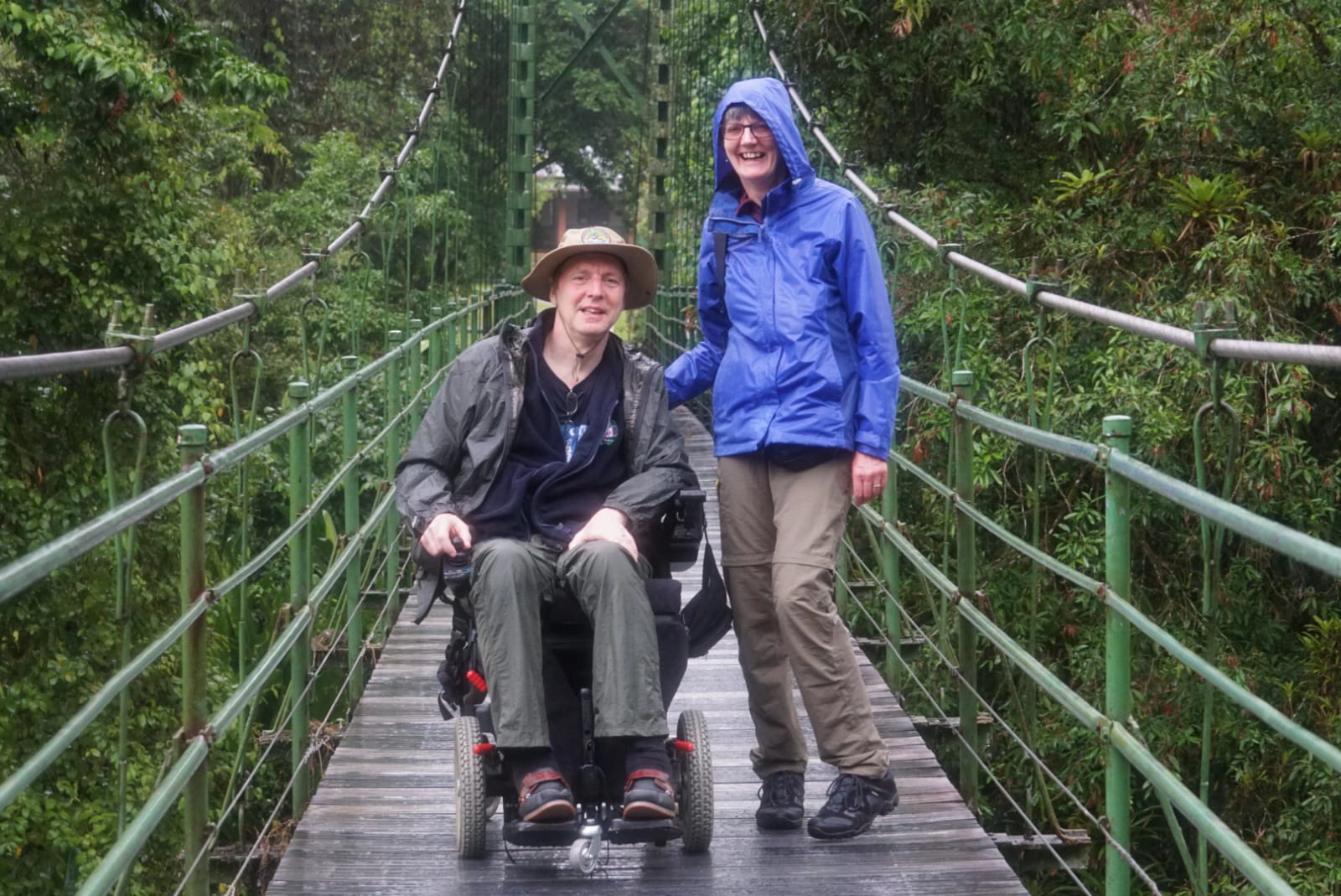
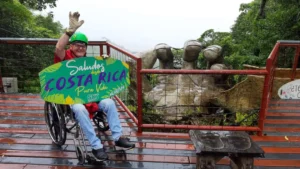
At Arenal Volcano National Park in Costa Rica, nature offers its own kind of renewal through rainforest sounds, fresh mountain air, abundant wildlife, mineral-rich hot springs and peaceful surroundings. While the national park itself presents accessibility challenges, the surrounding Arenal region offers opportunities for many travellers with disabilities to enjoy a restorative getaway.
Some of the most restorative experiences happen far away from treatment rooms. They happen beneath towering trees, beside a quiet lake, along an accessible boardwalk overlooking the ocean or while watching the sun set across a desert landscape.
Vivienne Gunning shows how
Africa restores body mind and spirit
Some of the most restorative experiences happen far away from treatment rooms. They happen beneath towering trees, beside a quiet lake, along an accessible boardwalk overlooking the ocean or while watching the sun set across a desert landscape.
Abena Christine Jon’el travels toward
wellness on her own terms
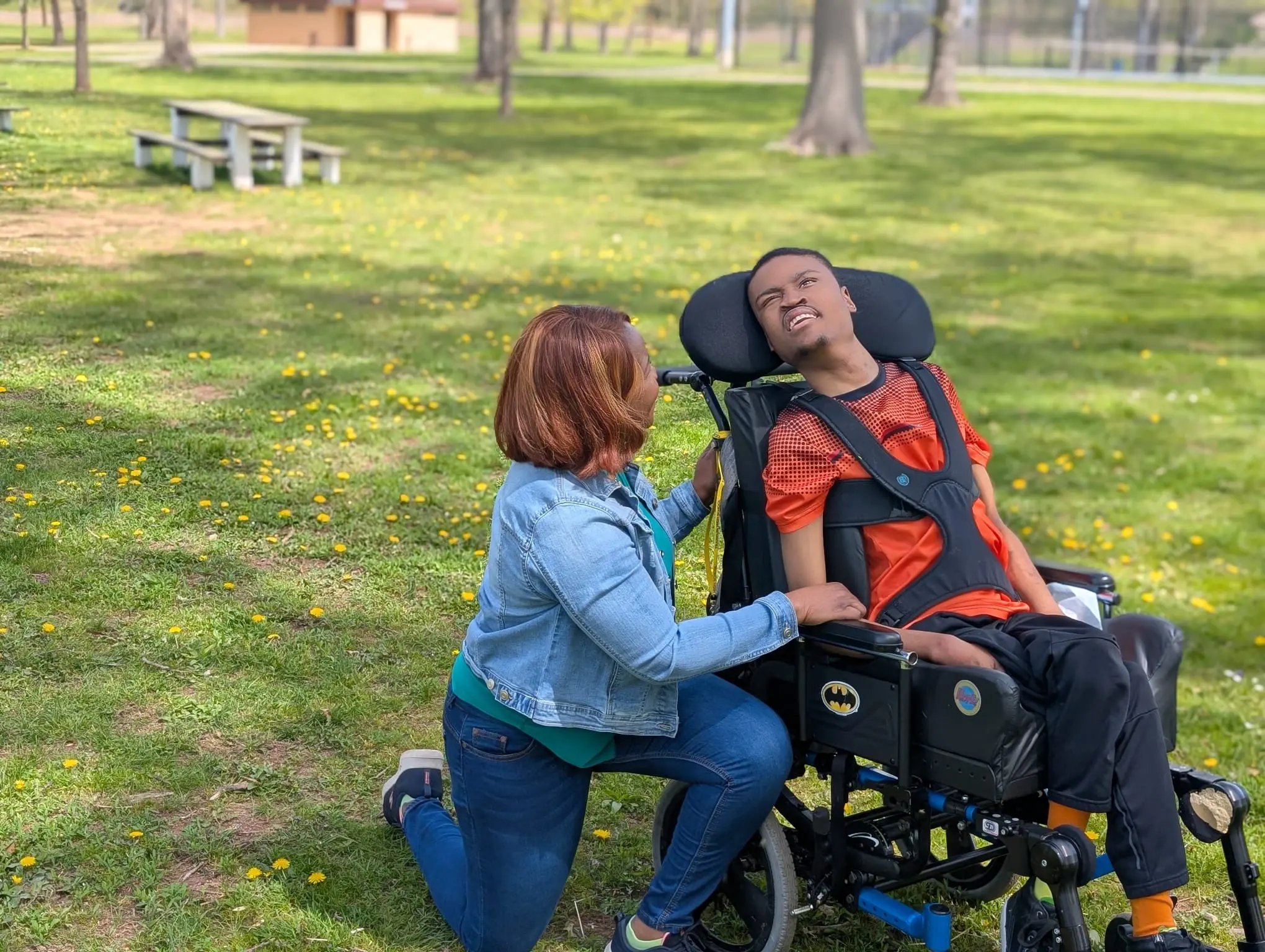
For Abena Christine Jon’el, wellness travel begins where comfort, access and self-connection meet. It is the feeling of arriving somewhere and sensing her body, spirit and nervous system slowly come back into rhythm. It is meditation, good food, moisturized hair, skin care, prayer, rest, massage and a room that does not make her fight for comfort. It is also an elevator, reliable electricity, a larger shower, a charged prosthetic leg and people who do not make her feel like her disability is the main event in the room.
When many people think about wellness travel, they immediately imagine yoga retreats, luxury spas, massages, meditation sessions or detox programs. While these experiences certainly have value, at IL VIAGGIO Travel we believe wellness is much broader than that.
For us, wellness begins the moment a traveller feels safe, understood and free from stress.
When Stephanie Sheehy Protti and her husband Emilio Zuñiga, founded Il Viaggio Travel in 2004, they wanted to build a company around personal attention and individualized service. Their goal was to create travel experiences shaped by each traveller’s needs, expectations and reasons for visiting Costa Rica.
Their earlier experience in the tourism industry had shown them how easily personal details can be lost in large-scale travel operations. A visitor might be planning a long-awaited holiday, a family celebration or a dream journey, but the planning process did not always leave enough room for the person behind the reservation.
Cruises work exceptionally well for us because they are almost “all-inclusive.” Our lodging, food, and entertainment are all taken care of in one place.
If I could offer one piece of crucial advice to a first-time cruiser, it would be to work with a travel agent who has specific experience booking for travelers with accessibility needs. Every disability is different, so having an experienced professional in your corner can alleviate a lot of anxiety and help you avoid major pitfalls.
Travel has always been core to who we are as a couple — we love new places, new food, new cultures. As Aadam’s mobility declined, cruising became our easiest way to keep doing that, since our accommodations move with us. But when he had his spinal cord injury, everything stopped. For a long time, I genuinely didn’t know if we’d travel again. Life shrank down to doctor’s appointments and physical therapy — and staying inside our safety bubble.
Travelling well with hearing loss starts long before you leave home
Airports, train stations and guided tours are built around sound, announcements, conversations and instructions that move quickly and often without repetition. For travellers with hearing loss, navigating these environments requires more than simply showing up. It calls for planning, adaptability and the right tools to stay connected. According to hearing health advocate, writer and speaker Shari Eberts, that preparation can make all the difference between a stressful trip and an enjoyable one.
Seven years ago I packed my three kids into the minivan for our first trip to New York City. My oldest son was only six and my little boy and girl were going on three. Jaden had just gotten his first wheelchair and we were ready to take on the world.
We rode the ferry into the city, stayed in Chinatown, and hit the major sites like Lady Liberty and the Brooklyn Bridge.
Traveling with a medically complex child teaches you to see the world differently.
You start noticing the things most travelers never think about, the slope of a ramp, the kindness of a stranger, the presence of shade, the sound level of a crowd.
And every once in a while, you find a place that doesn’t just “accommodate” your child…
The special needs mama bear guide to traveling with teens and young adults with mobility disabilities
By Christine E Staple Ebanks
As many of us know, as special needs parents, when we plan family vacations we’re not just thinking about where we’re going—we’re thinking about what the experience will create for our children.
Lately, everyone keeps asking me, “What are you doing for the summer?” Honestly, I’m working on a plan.
Q: What if the wheelchair breaks while traveling? A: This is what every parent dreads, isn’t it? It’s good to know that airlines have loaner chairs for just such an emergency. They don’t have custom or pediatric options. They’ll give you more of a bare bones option like you would use in hospital halls. These chairs won’t work for every child, especially those who need significant positioning support, but for kids who can sit independently they can provide a temporary backup option.
A destination in progress: What it looks like when a place chooses accessibility
By Amy Tarpein
Some destinations are already fully accessible. Others are trying. And then there are the places in between the ones choosing, day by day, to grow. Those are the places my family remembers most.
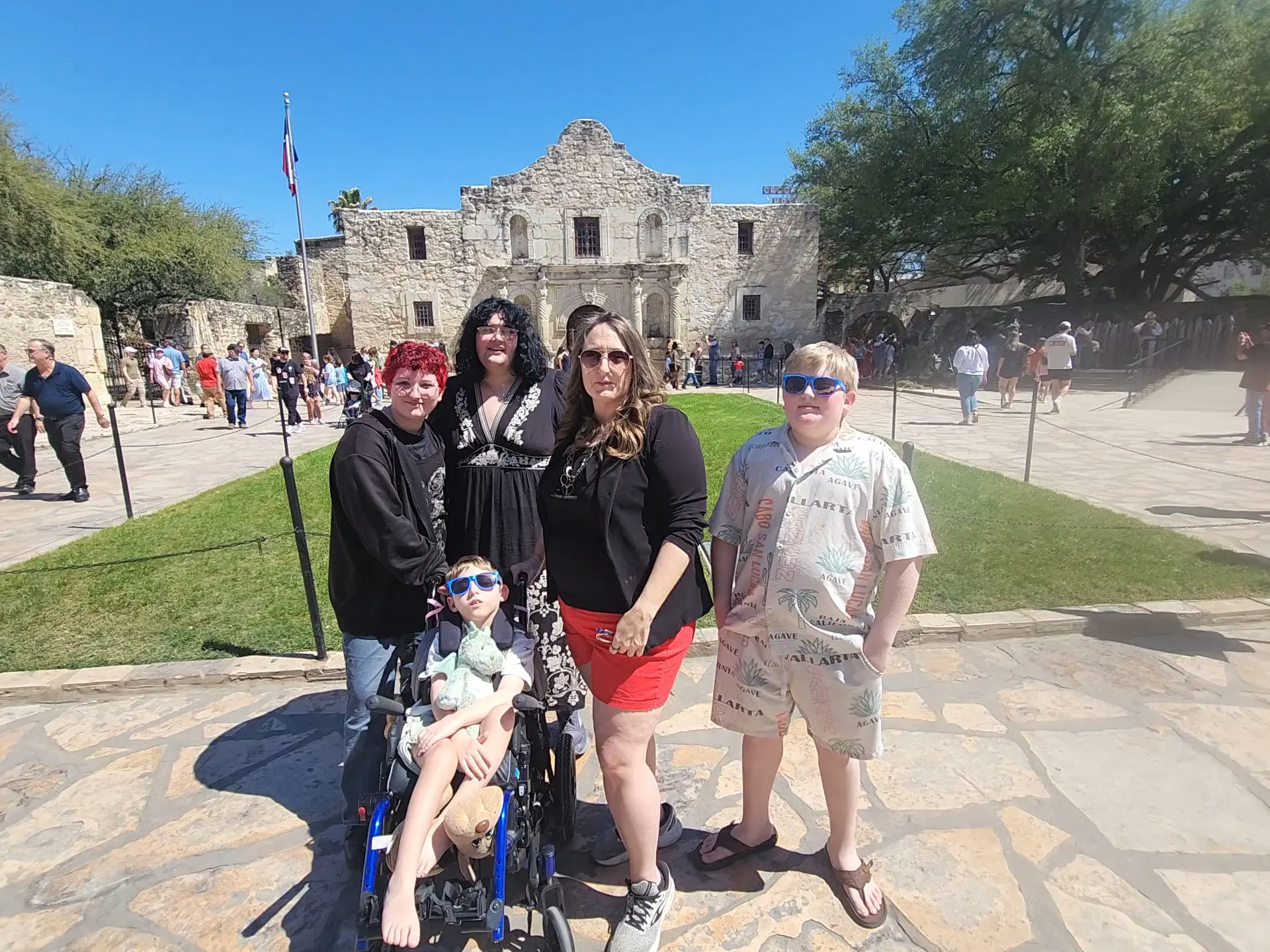
Traveling with four kids and a wheelchair means we see the world differently. We notice the ramps tucked behind buildings, the quiet corners that become sensory sanctuaries, the staff member who kneels down to Elijah’s eye‑gaze level and waits patiently for him to speak. We also notice the gaps the heavy doors, the steep curbs, the moments that remind us how far we still have to go.
Free Trackchairs help make Sleeping Bear Dunes trails, beaches and overlooks more accessible for visitors with mobility challenges
Sleeping Bear Dunes National Lakeshore is known for its sweeping Lake Michigan views, forested trails, sandy dunes, beaches and dramatic overlooks. It is also a place where the landscape itself can create barriers to visitors. The dunes are sandy, the trails can be hilly, rooted and difficult to navigate. Some of the most beautiful parts of The Park, including the beaches and overlooks, can also be some of the hardest places to reach for visitors with mobility issues.
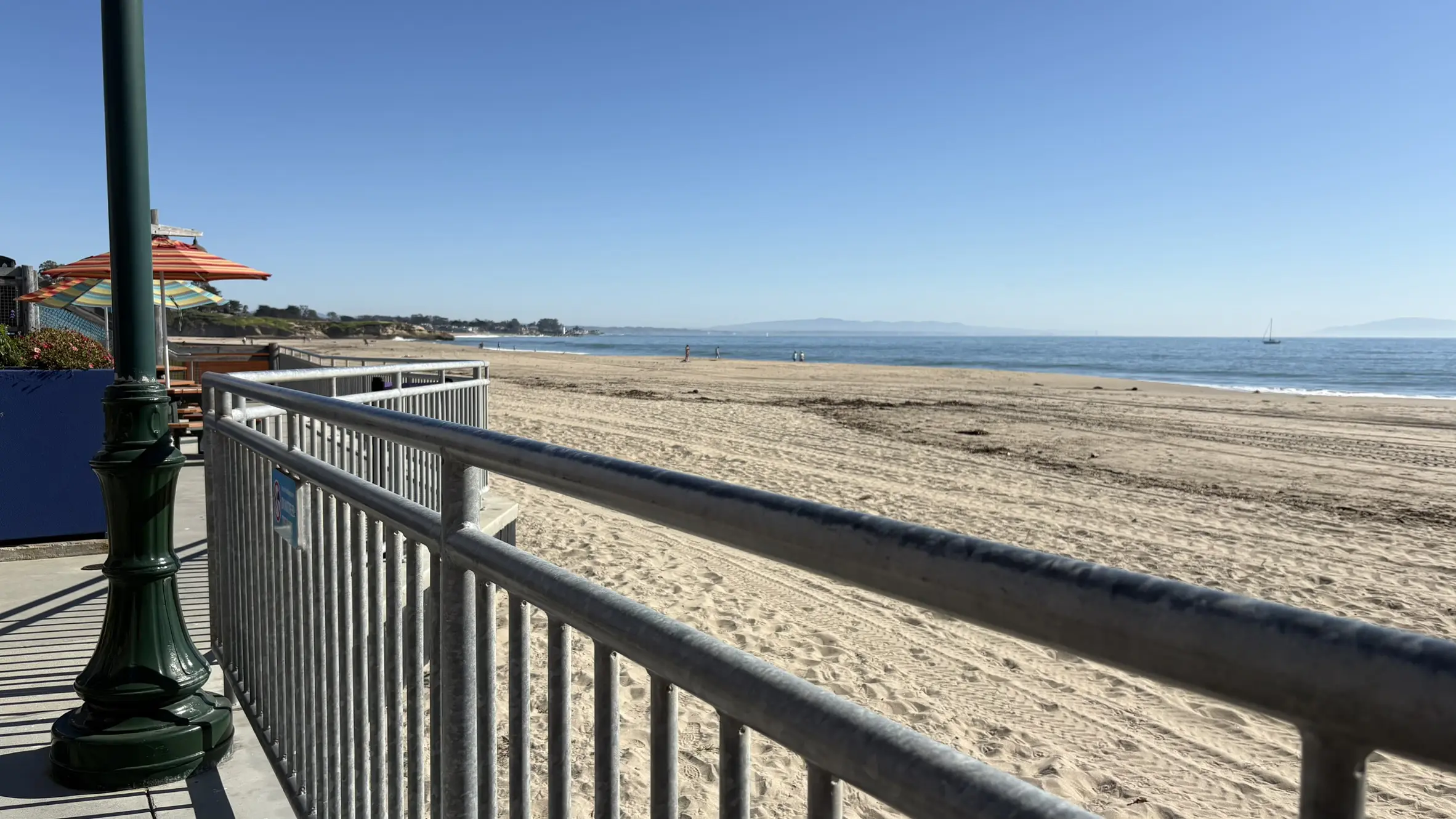
Santa Cruz & Torrance: two California Beach towns embrace accessibility
By Marcia Frost
It’s the year of California for me with four completely different trips there. One of my favorite states is stepping up its accessibility and they want everyone to know about it. I am happy to be one of those invited to explore the advances for those with disabilities.
When it comes to the Golden State, beaches are one of the top attractions. It fits Santa Cruz and Torrance, two completely different beach towns in different halves of the state both offered plenty for wheelchair users to see and do beyond the ocean views.
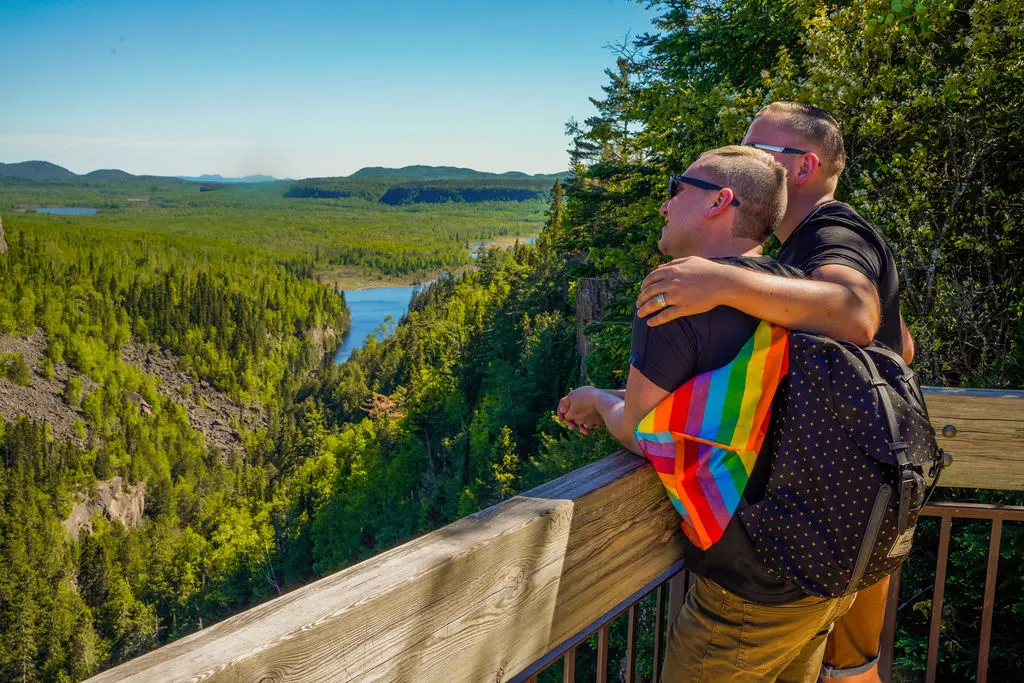
Thunder Bay, Ontario: A destination that welcomes everyone
Some destinations talk about inclusion but Thunder Bay, Ontario actually lives it. Perched on the northwestern shore of Lake Superior, this Canadian city in Northern Ontario is quietly building a reputation as one of the country’s most welcoming destinations, not just for one community, but for many. From its formal Rainbow Registered accreditation for 2SLGBTQIA+ travellers, to its impressive portfolio of barrier-free experiences for visitors with disabilities, Thunder Bay is threading inclusion into the fabric of how it welcomes guests.
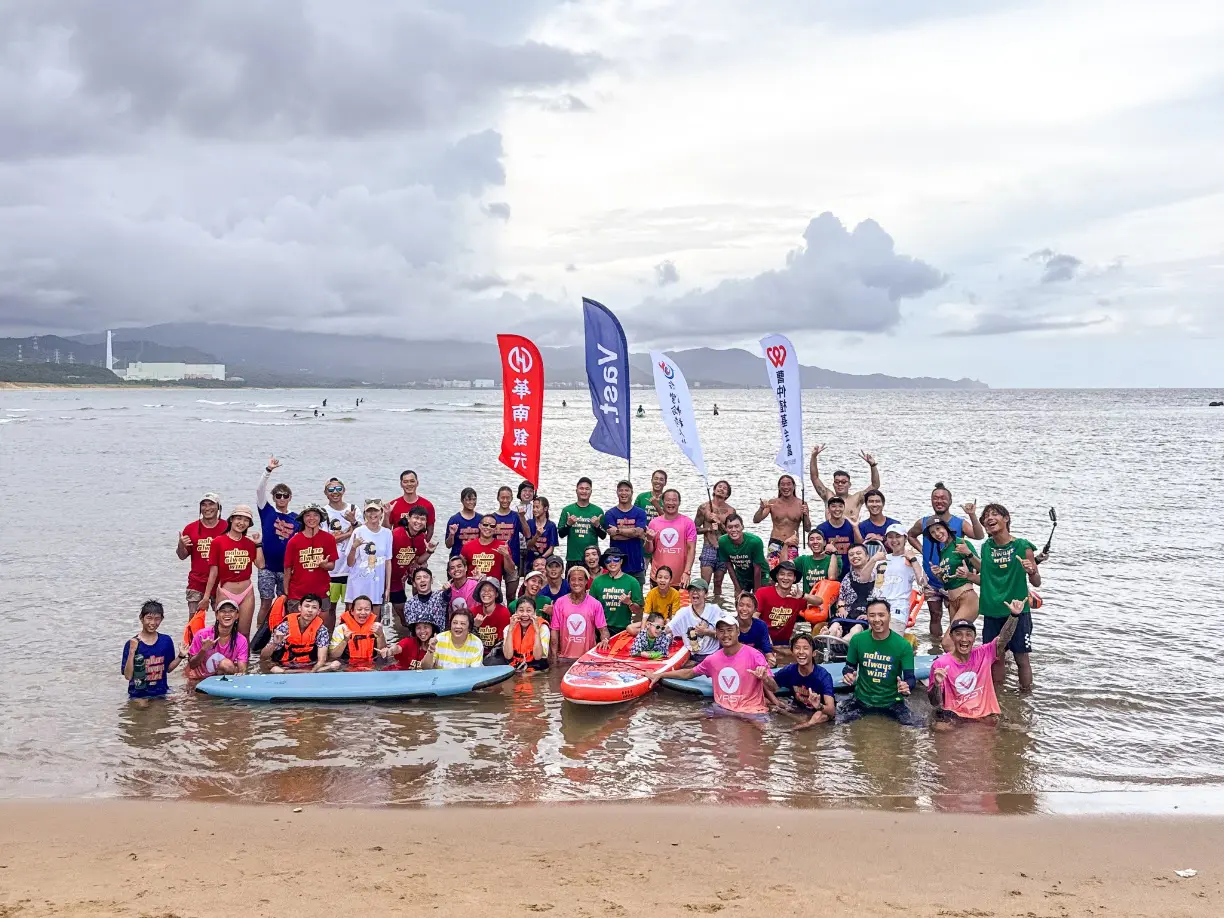
Taiwan offers wheelchair users freedom across cities, coastlines and mountains
For wheelchair users visiting Taiwan, freedom can begin with something as simple as boarding a train. In Taipei, the capital’s Mass Rapid Transit system (MRT) allows wheelchair users to move across the city with considerable independence. Elevators, accessible routes and assistance from station staff connect travellers with neighbourhoods, cultural attractions, restaurants and shopping areas throughout the city. The Taiwan Wheelchair Association believes that freedom demonstrates what becomes possible when the environment supports disabled people.
Beyond Pride: why inclusion is more than a campaign
By Matthew Mederios
July arrives quietly.The rainbow logos disappear from social media profiles. Storefront displays come down. Marketing campaigns shift to the next seasonal promotion. For many companies, Pride Month becomes a memory until next June.
But for 2SLGBTQIA+ people and disabled people, our lives do not exist in monthly campaigns. We wake up on July 1st the same way we did on June 30th. We are still here. The question is whether the commitment to inclusion is still here too.
Argentina stands out for me. I speak Spanish, which made everything much easier, and I found it really simple to find food that worked for me. There were also a lot of vegan-friendly options, which helped a lot – I find vegan restaurants are the best at adapting to my specific eating needs.
Overall, it just felt easy in a very natural way. It was clean, people were incredibly friendly, and I settled in quickly. I also made friends quite fast, which always makes travelling feel more comfortable and grounded.
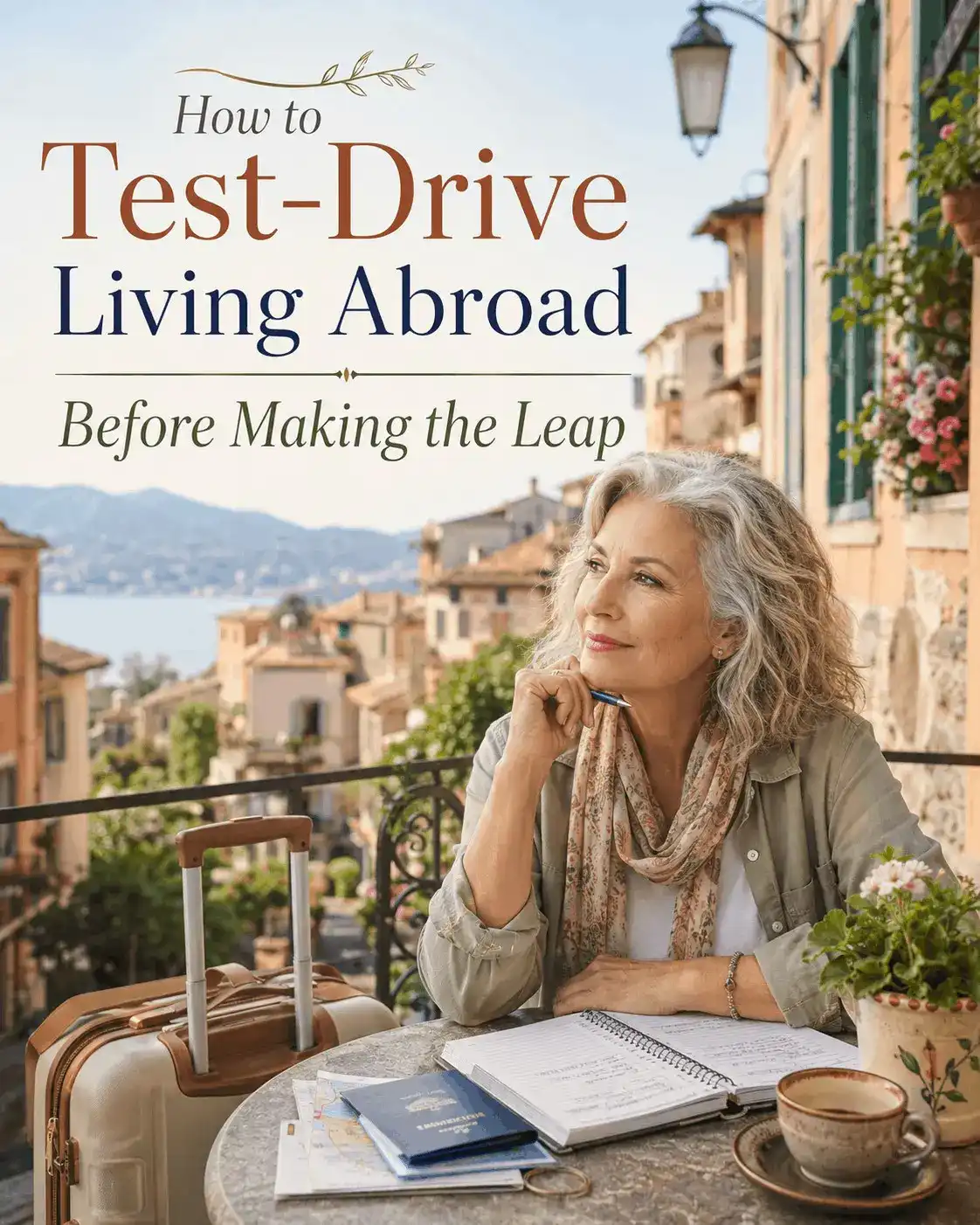
How to test-drive living abroad before making the leap
Most people treat moving abroad like a marriage proposal — a serious, high-stakes decision that you either commit to fully or don’t make at all.
That framing stops a lot of people cold. And I understand why.
The idea of uprooting your life, leaving familiar doctors, routines, friends, family, neighborhoods, and support systems can feel overwhelming. For older adults, especially those managing health needs, mobility concerns, limited stamina for walking, or simply a desire for more predictability, the idea of moving abroad can feel less like an adventure and more like a risk.