Listen to this Article
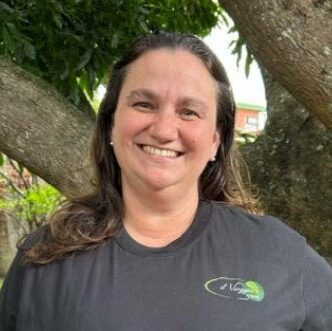
When Stephanie Sheehy Protti and her husband Emilio Zuñiga, founded Il VIAGGIO TRAVEL in 2004, they wanted to build a company around personal attention and individualized service. Their goal was to create travel experiences shaped by each traveller’s needs, expectations and reasons for visiting Costa Rica.

Their earlier experience in the tourism industry had shown them how easily personal details can be lost in large-scale travel operations. A visitor might be planning a long-awaited holiday, a family celebration or a dream journey, but the planning process did not always leave enough room for the person behind the reservation.
Il VIAGGIO TRAVEL was created with a different approach. The company focused on personalized trip planning, sustainability, service and the small details that make travel feel meaningful. Over time, that people-first philosophy became the foundation for something much larger.
A key moment came in 2012, at FITUR, the international tourism trade fair in Spain. Stephanie placed a wheelchair symbol on the company’s stand as a way to gauge interest in accessible travel to Costa Rica. The response was immediate. Wheelchair users, people travelling with guide dogs and travellers with a range of access needs began approaching the booth to ask whether Costa Rica could welcome them.
The interest was clear, but so was the challenge. At the time, Costa Rica’s accessible tourism infrastructure was still developing, and Stephanie was advised that the destination was not yet fully ready to promote itself in that way.
Instead of treating that as a reason to step back, she saw it as a sign of the work that needed to be done.
She returned to Costa Rica with a clear question in front of her: if travellers with disabilities wanted to come, what would it take to make the experience work in a real, practical and dignified way?
The answer was not simple. Accessible travel is rarely about one hotel room, one ramp or one adapted vehicle. It depends on the full chain of the trip. It begins with honest information before a traveller books. It continues through airport transfers, hotel rooms, bathrooms, restaurants, excursions, guides, beach access, emergency planning and the confidence that someone has checked the details before arrival.
Stephanie began looking closely at that chain. As an interior designer, she understood measurements, space, movement and how small design decisions affect whether someone can use a room, enter a bathroom or move through a property with confidence. What she found was that many tourism spaces had some accessibility features, but they were not always functional for travellers who needed them. A grab bar might be in the wrong place. A ramp might exist but be too steep. A room might be described as accessible but still leave a guest unable to shower safely or move comfortably.
So Il VIAGGIO TRAVEL began building the product from the ground up. Stephanie worked with hotels, reviewed rooms, looked at transportation and began investing in the equipment and training needed to make accessible itineraries possible. In some cases, that meant helping hotel owners understand why a room needed to be adjusted. In others, it meant investing directly in changes so they could see that accessible travel was not a theory. It was a real market, with real travellers ready to visit Costa Rica if the country could welcome them properly.
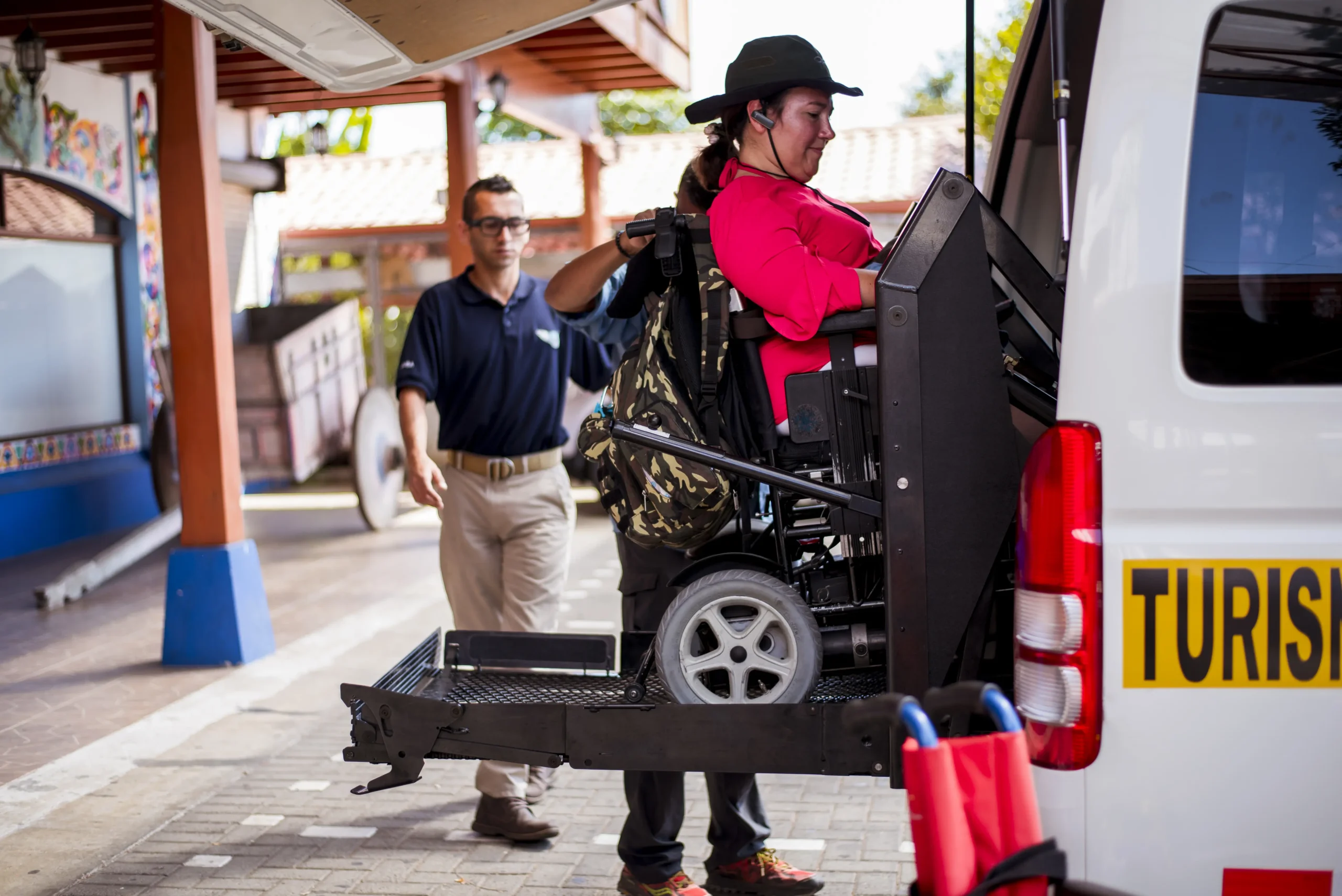
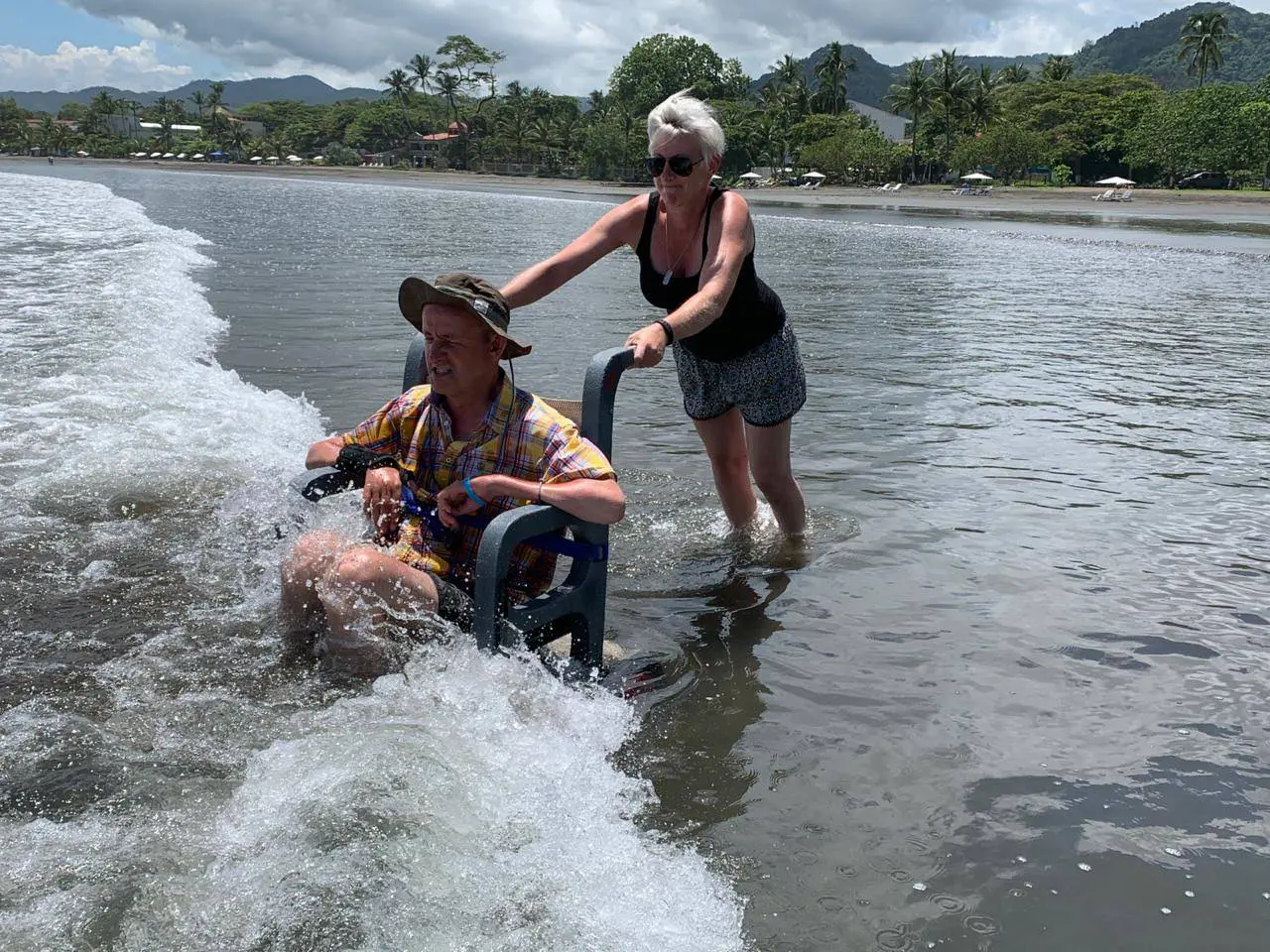
From 2012 to 2016, that work became a period of research, investment and trial. Il VIAGGIO TRAVEL brought in accessible vans from Europe, along with lifts, anchoring systems, amphibian chairs and different types of ramps. The company also began developing the knowledge needed to plan accessible tours across a country known for nature, adventure and outdoor experiences.
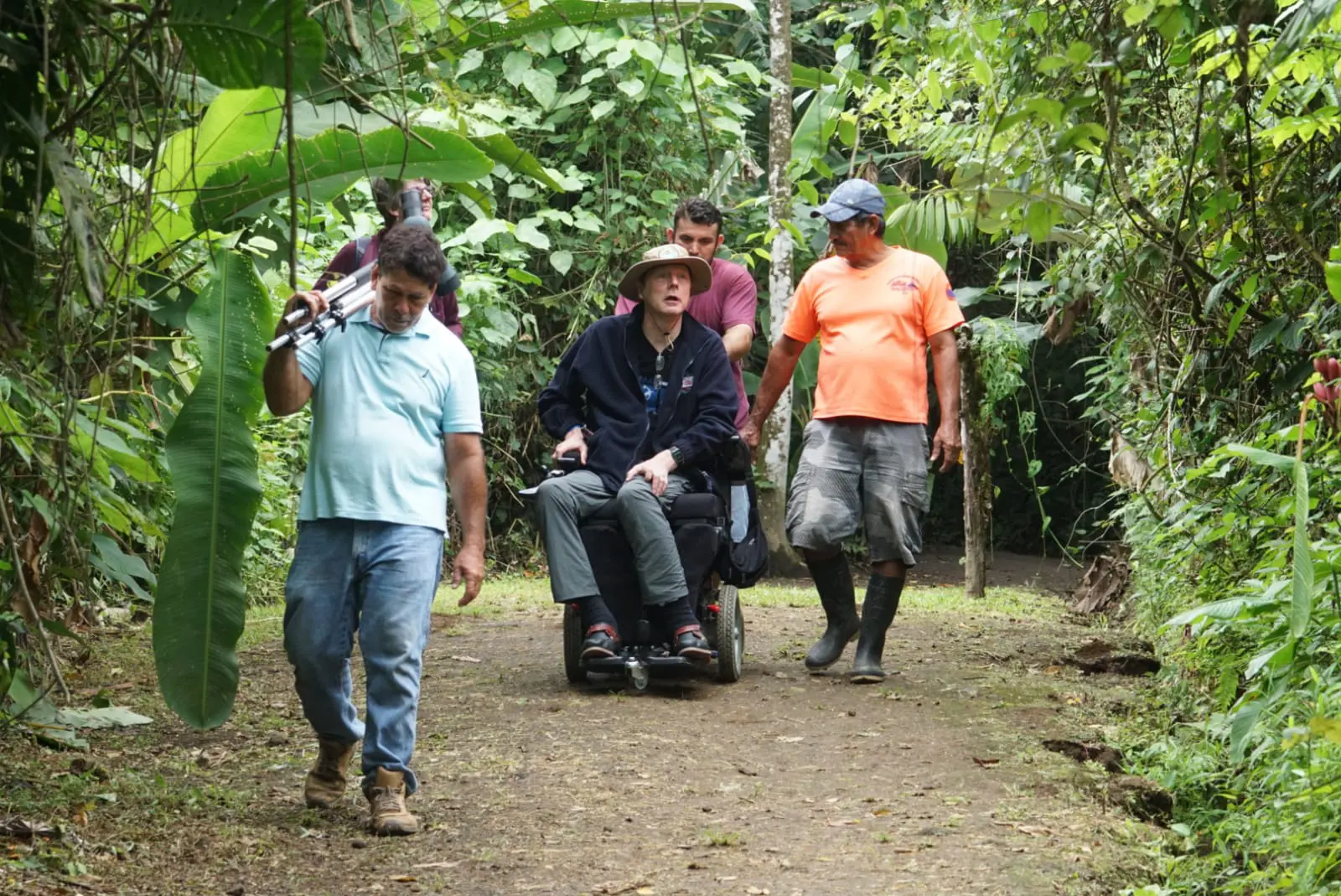
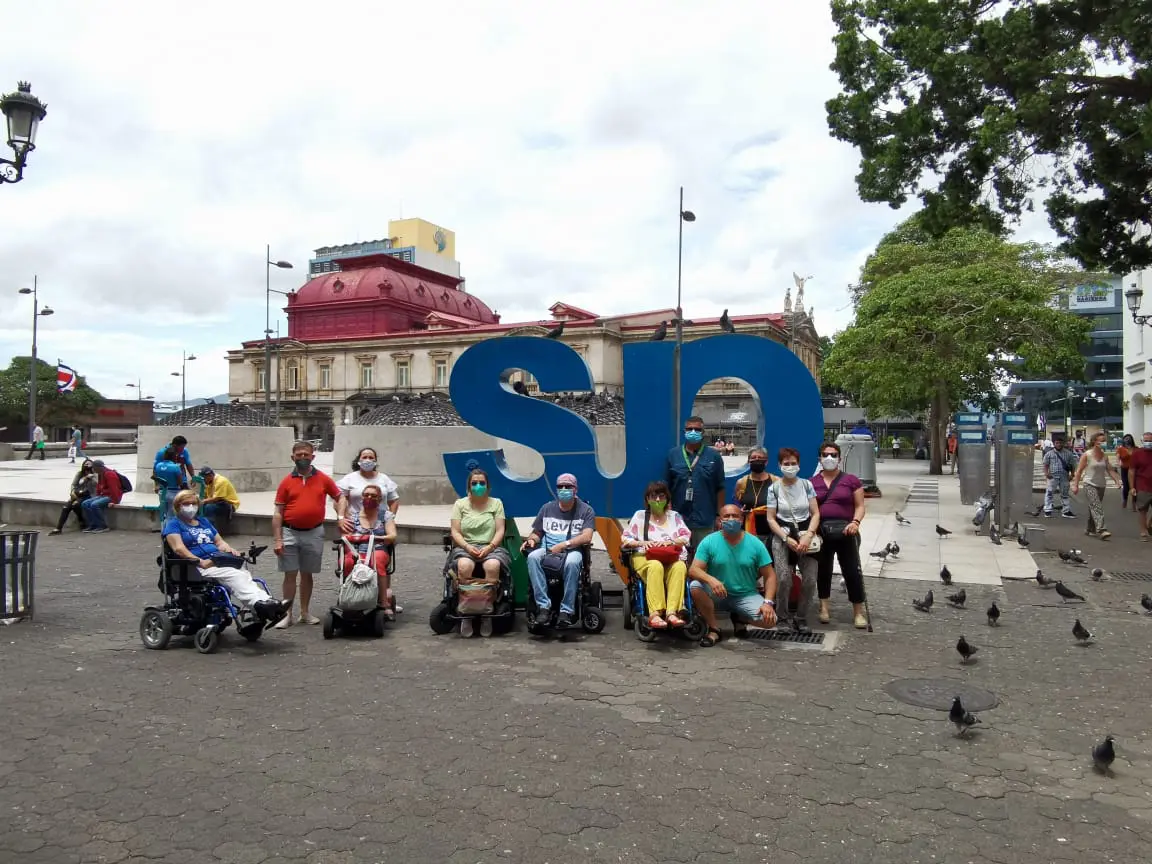
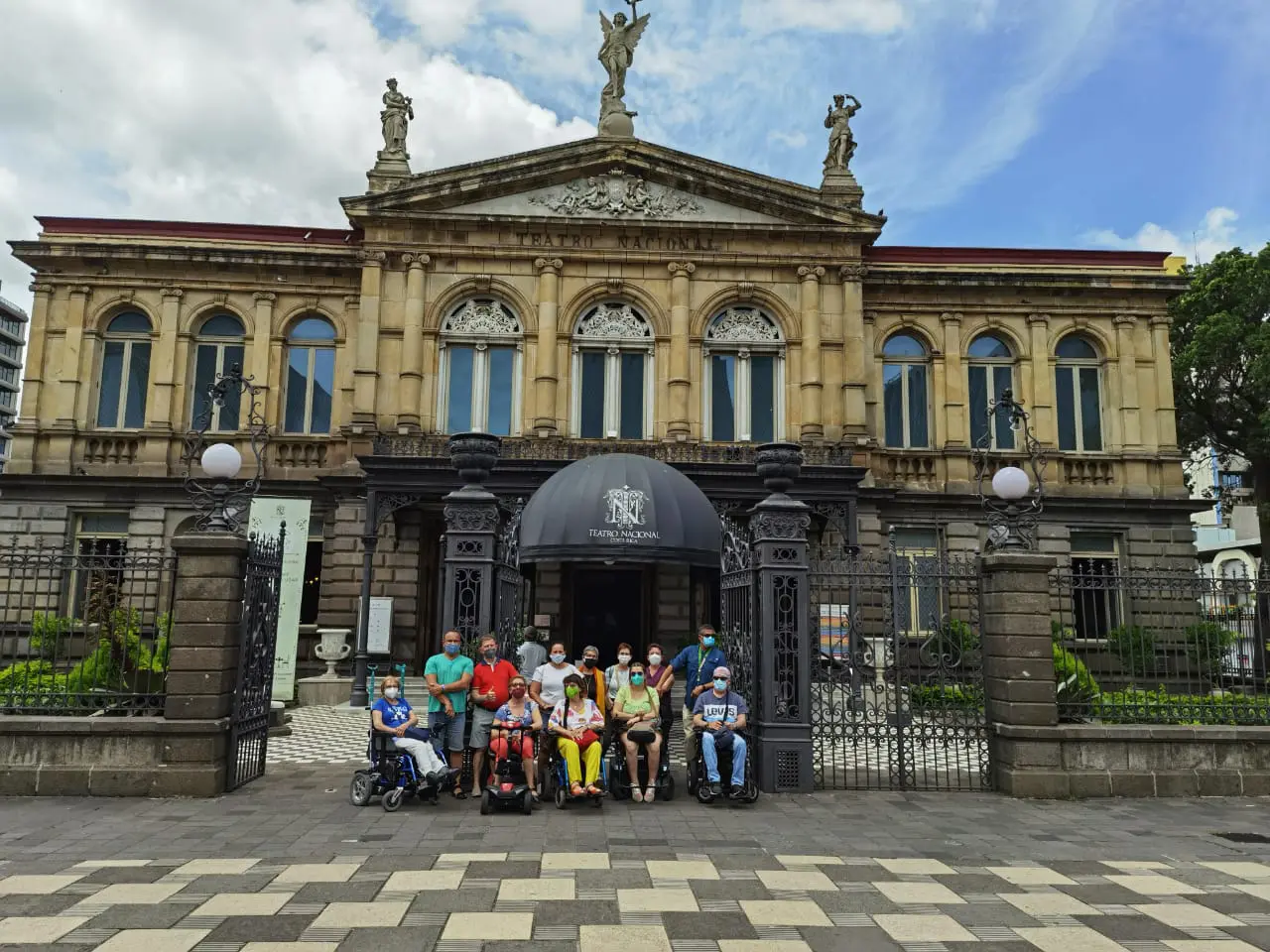
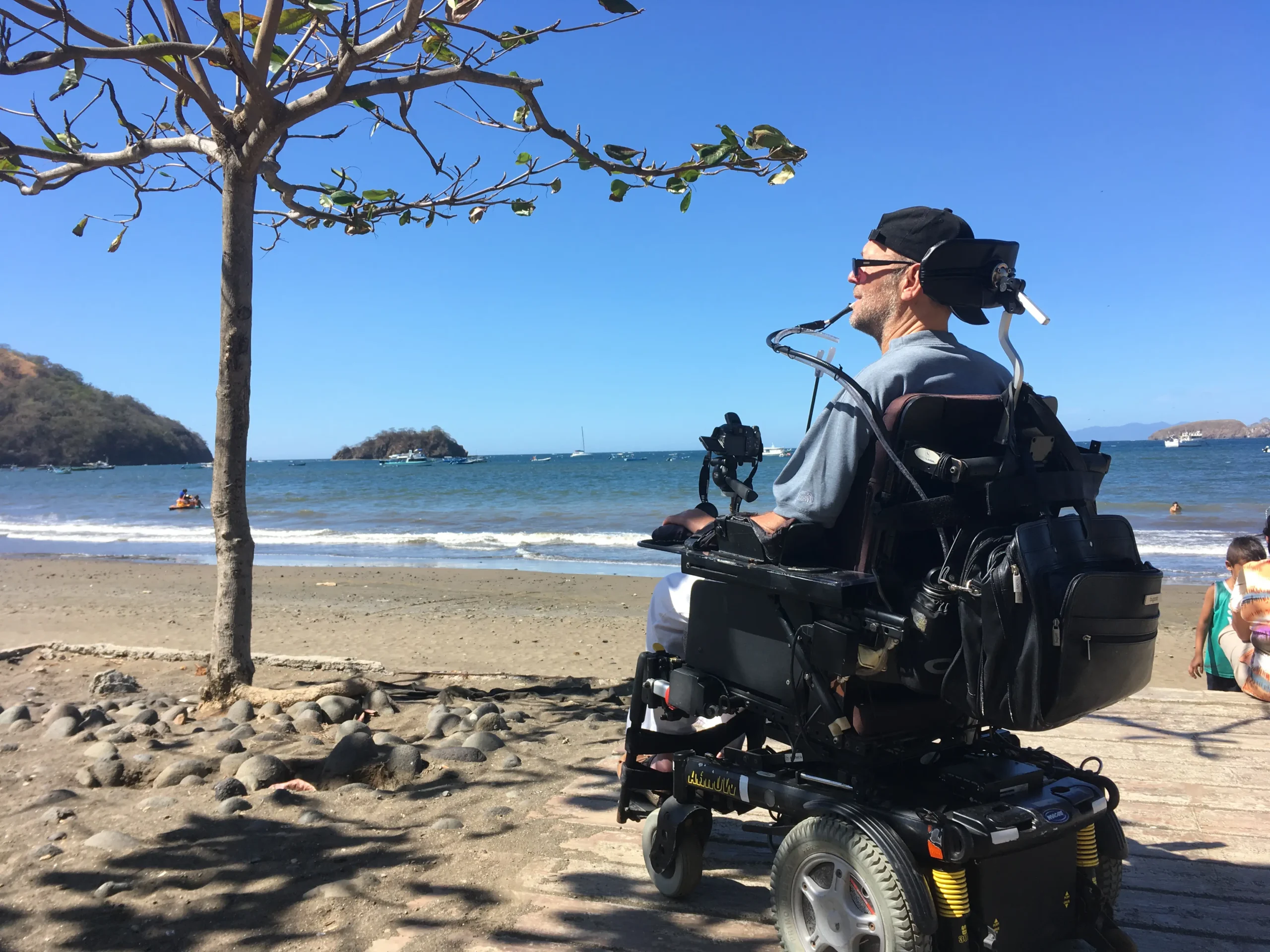
In 2016, the first group of five electric wheelchair users arrived from Spain. That trip became a live test of the accessible travel experience Stephanie had been building. Some parts worked well. Others revealed what still needed to change. For Stephanie, that was part of the process. Accessibility could not be created only from behind a desk. It had to be tested in hotel rooms, on roads, at beaches, on trails and during excursions where visitors were trying to experience Costa Rica as fully as anyone else.
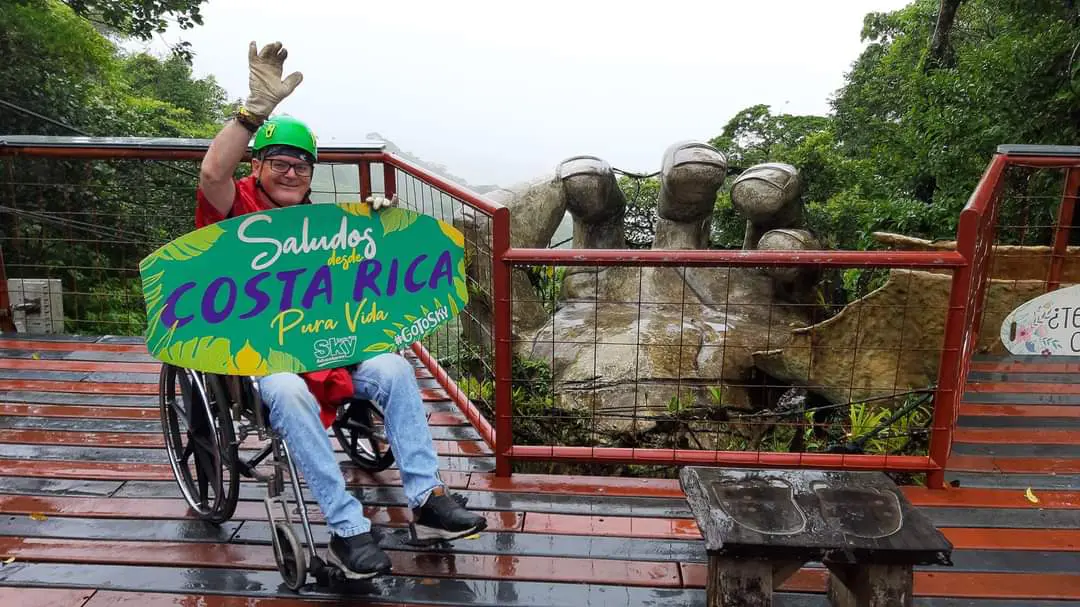
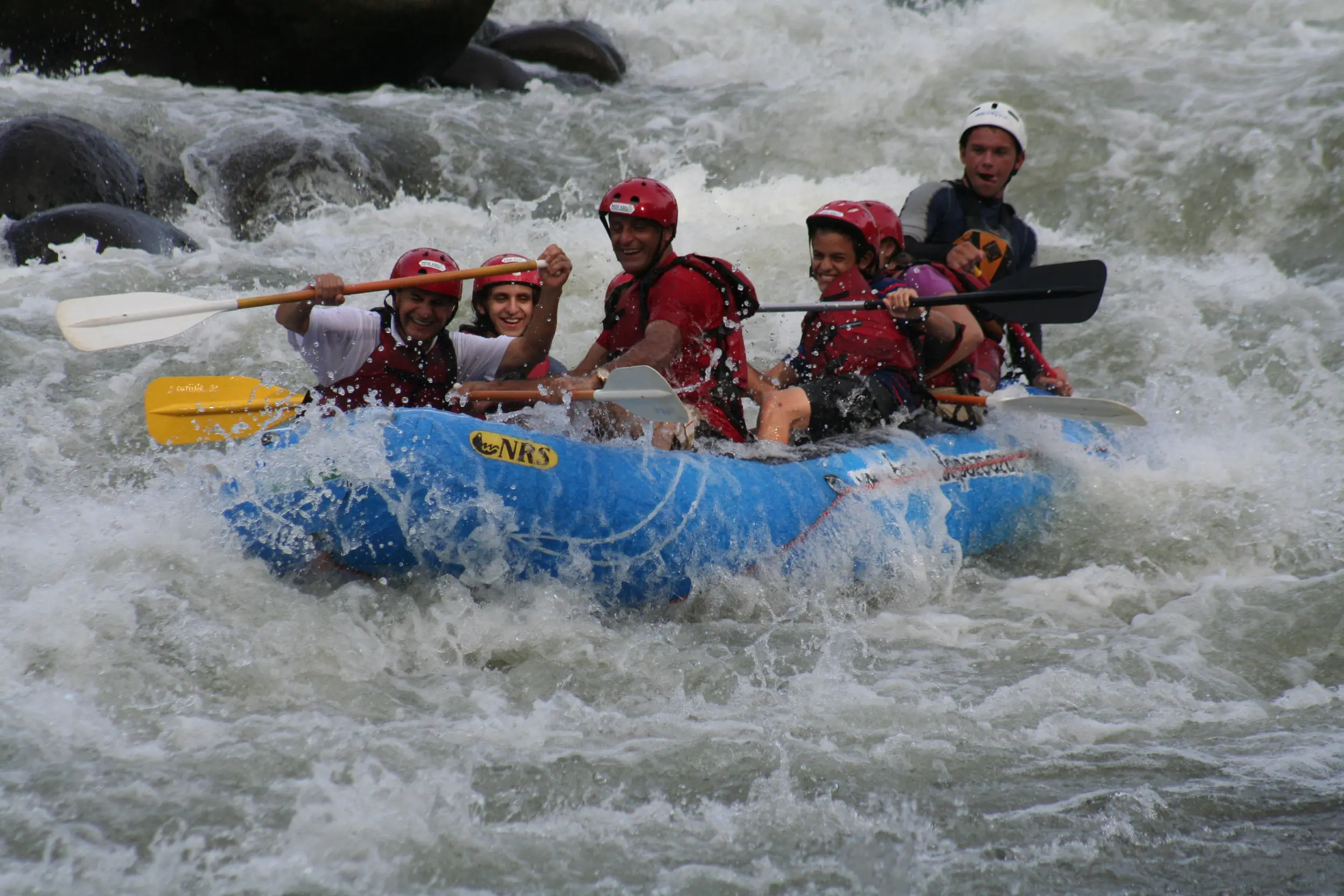
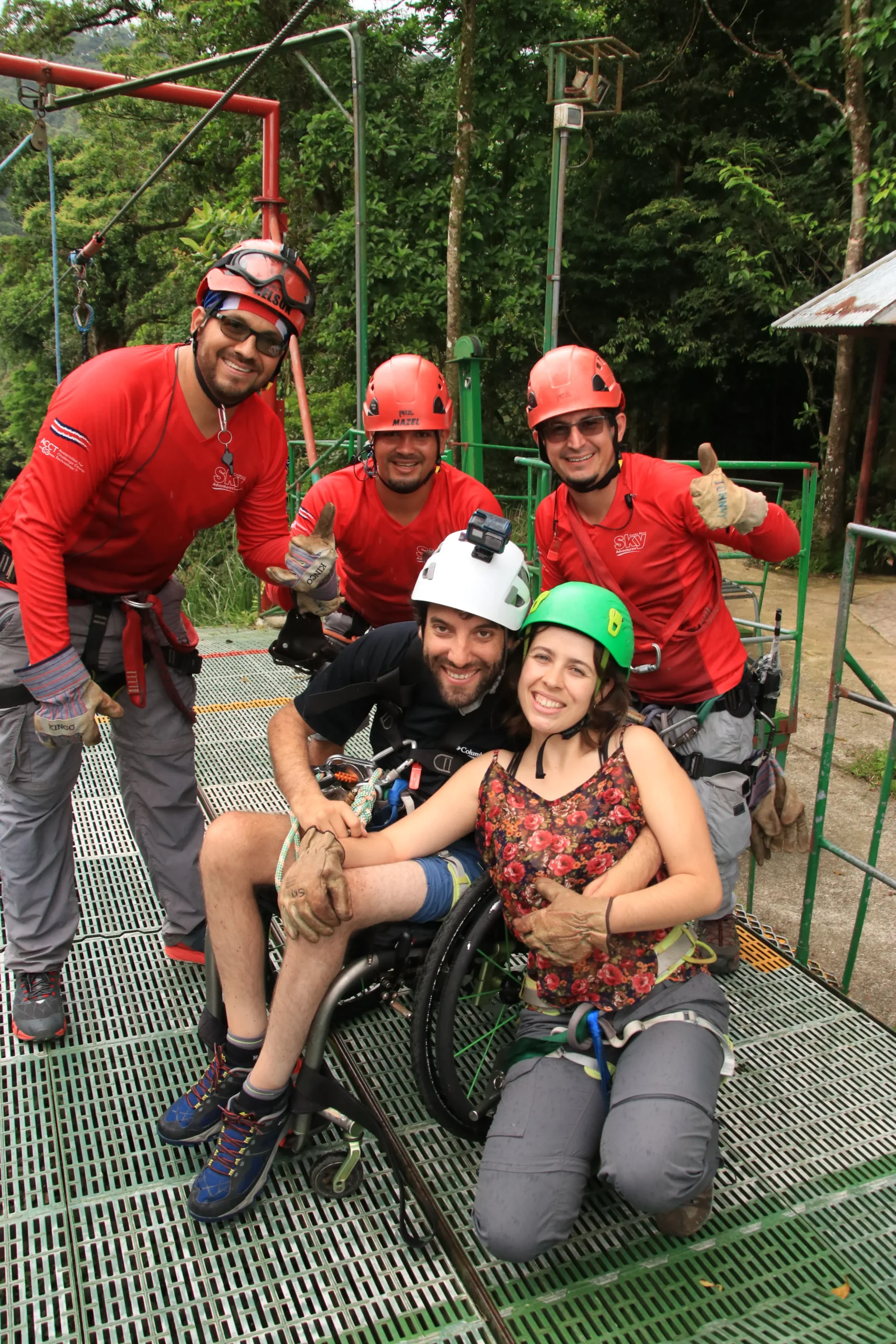
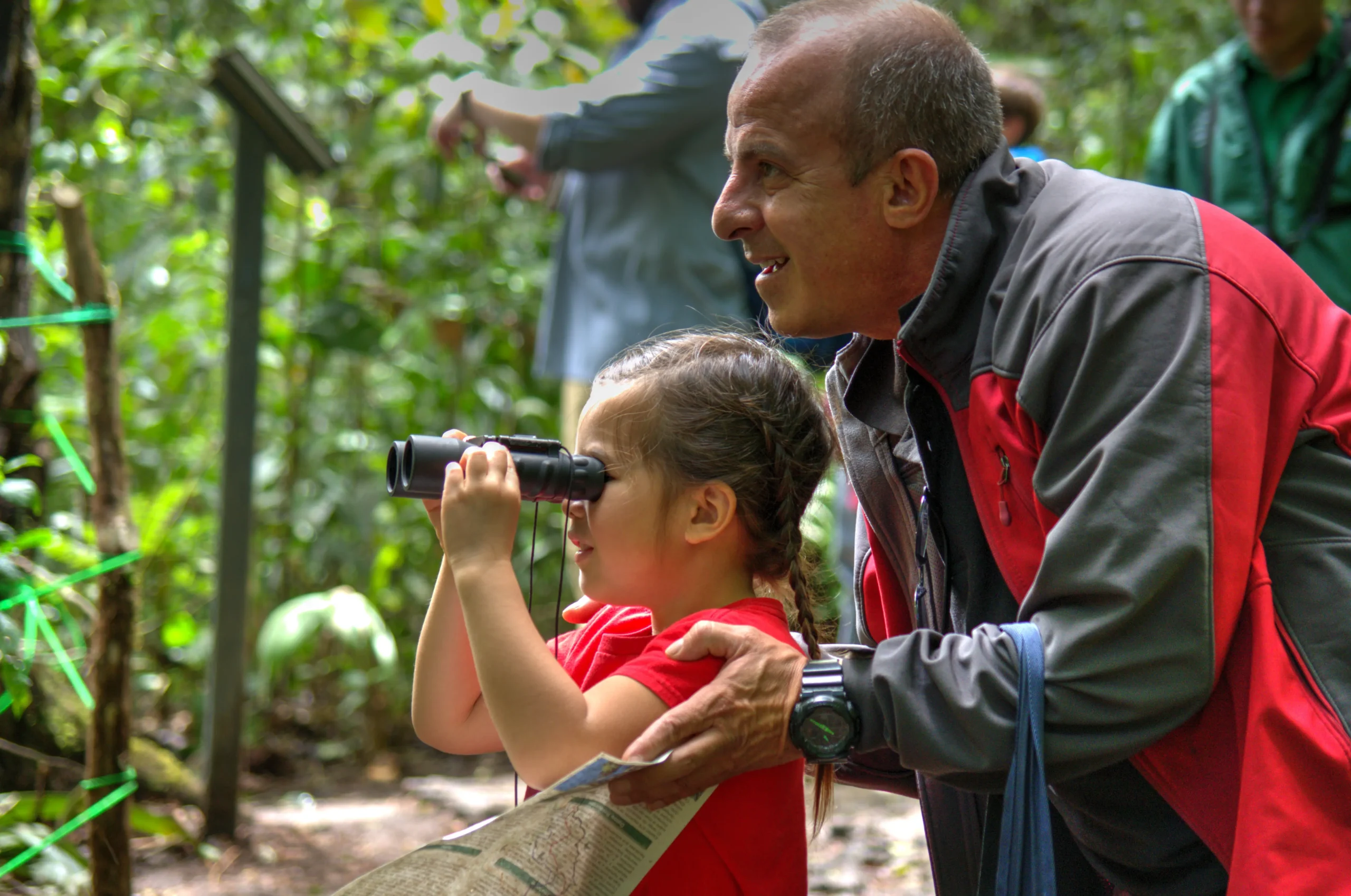
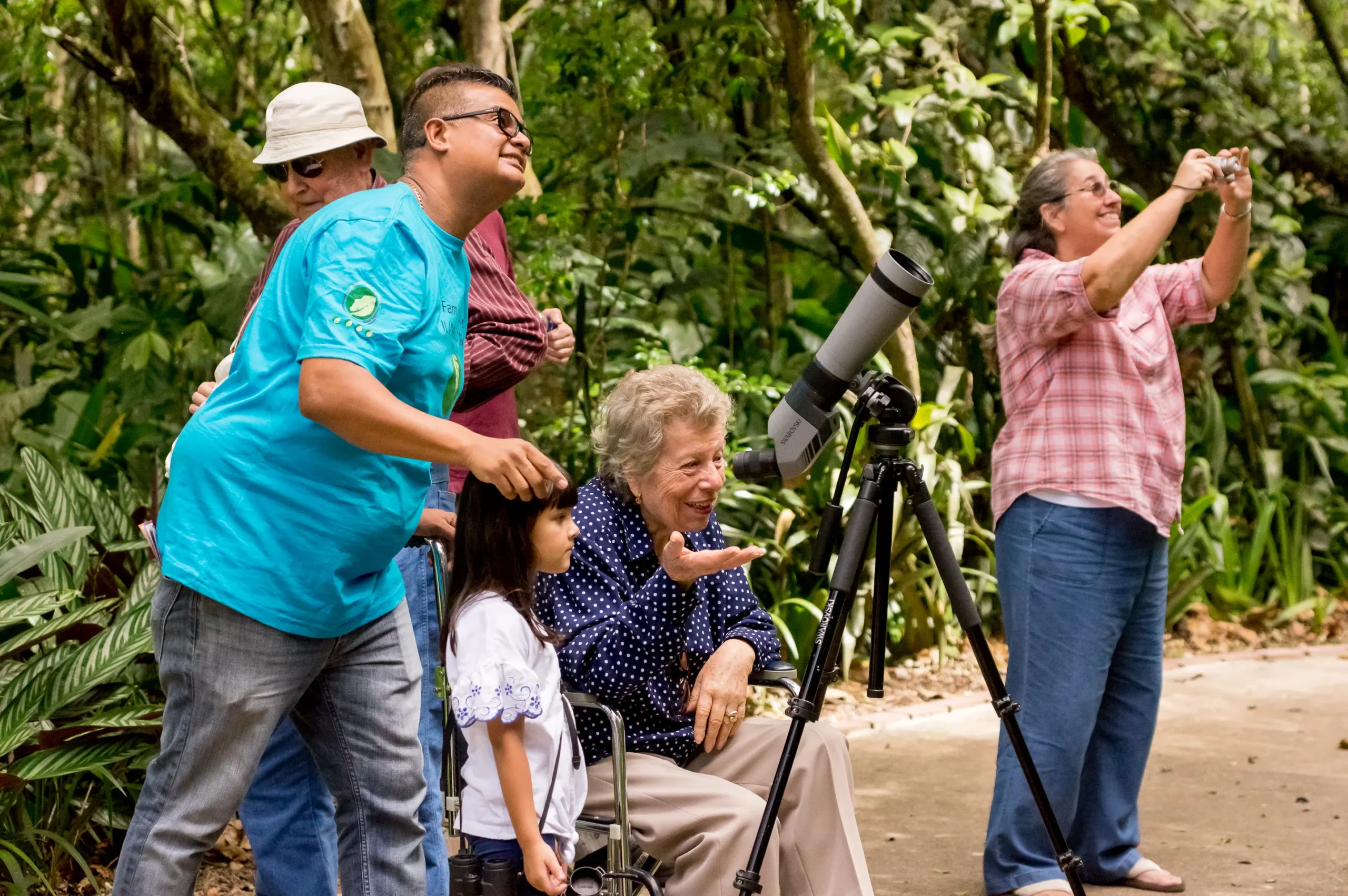
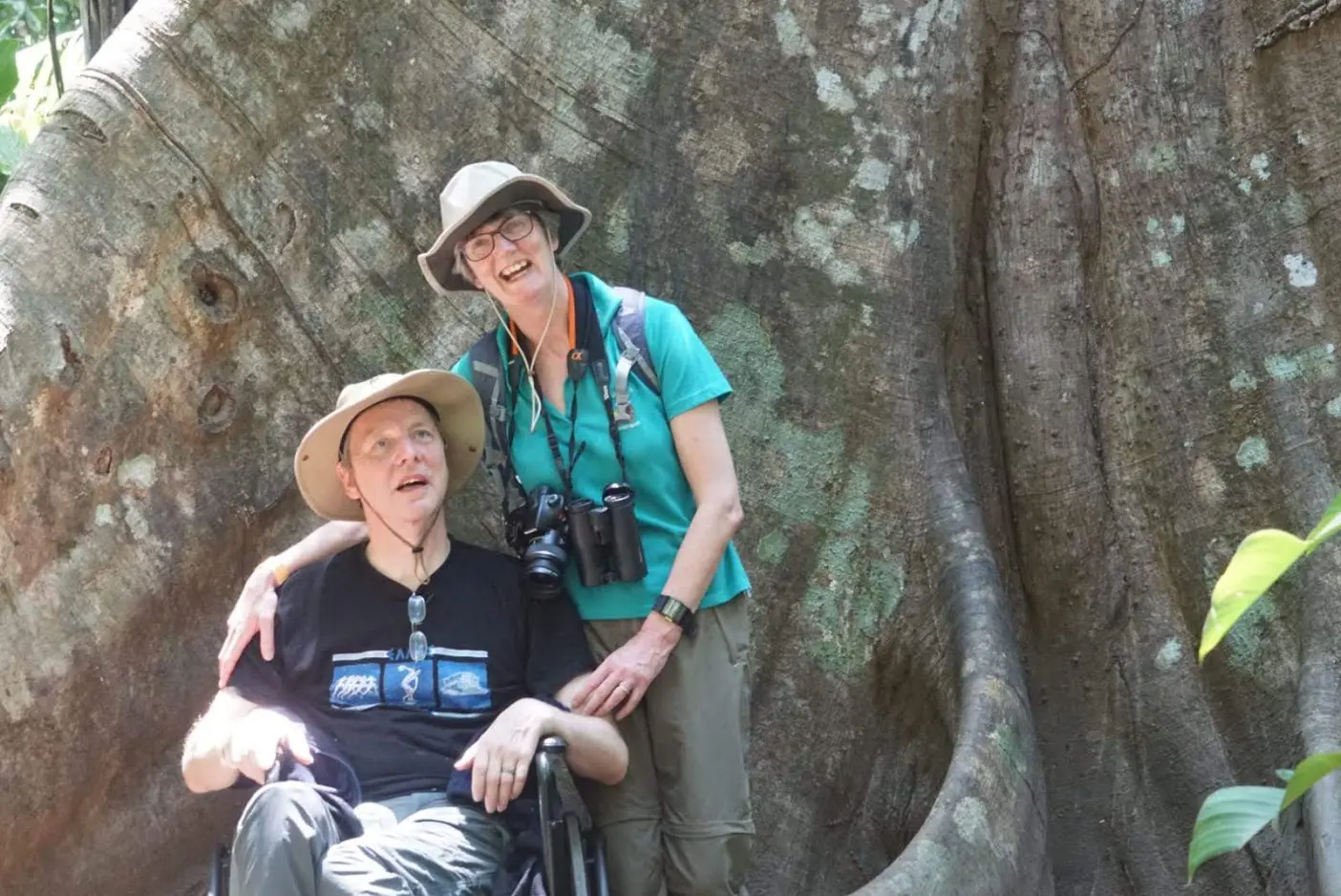
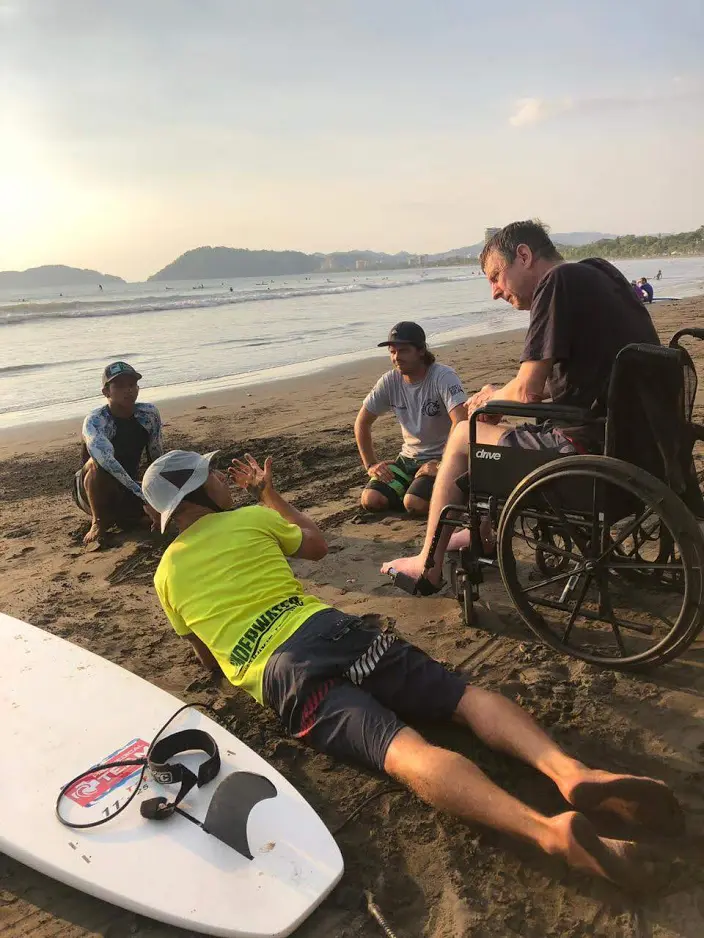
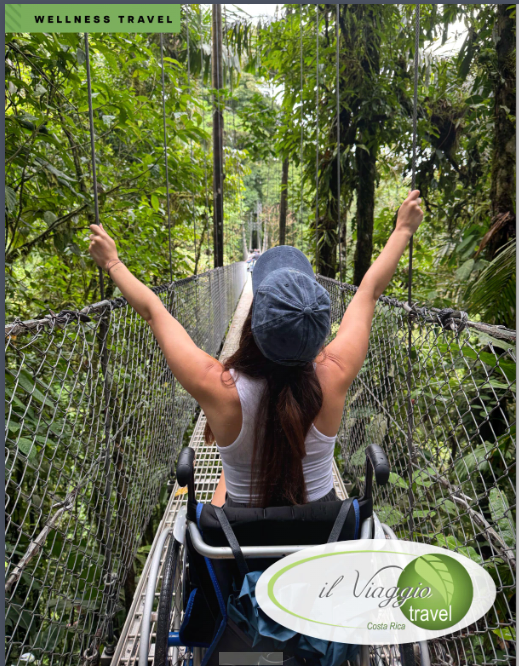
Since then, Il VIAGGIO TRAVEL has continued to build accessible itineraries that reflect the country’s wider appeal. The goal is not to offer disabled travellers a reduced version of Costa Rica. It is to make the same Costa Rica possible for people with and without disabilities. Stephanie speaks about rafting, changing bridges, walks, beaches and surfing as part of that vision. The work is about access to the experiences travellers actually dream about when they think of Costa Rica.
That approach also led Stephanie to create a broader structure around the work. In 2017, she founded the Red Costarricense de Turismo Accesible (Costa Rica Accessible Tourism Network). The non-profit gave the movement a platform beyond one tour company. It allowed Stephanie and her team to work with government, tourism partners, communities and businesses on accessibility as a national issue.
Through the non-profit, one of the most visible projects has been Donatapa, a countrywide campaign whose name means donate lids. The project collects plastic lids and other plastics from across Costa Rica, transforms them into plastic wood and uses that material to create accessible infrastructure. The result is a project with environmental, social and economic impact.
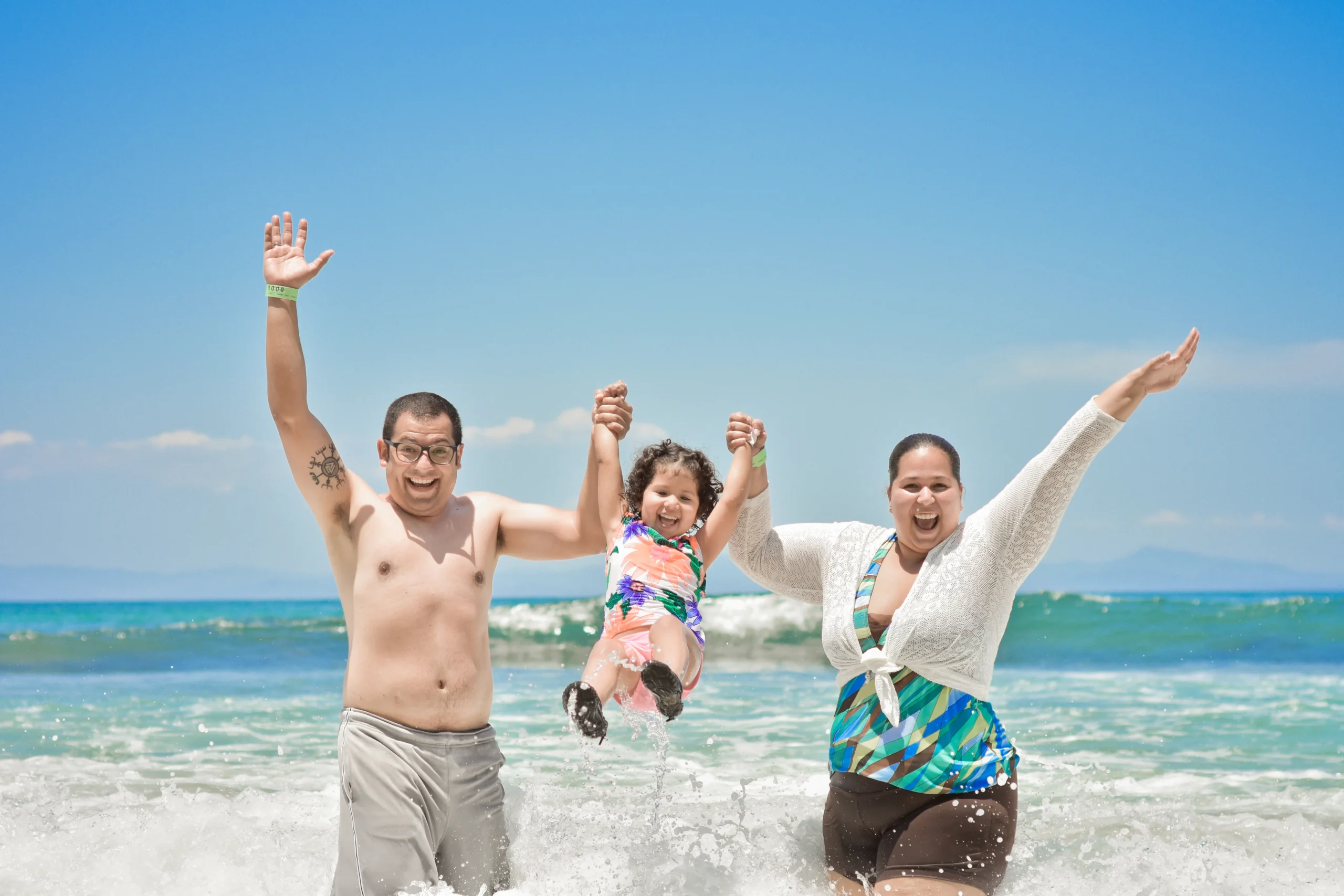
Through Donatapa, the organization has helped create pathways on beaches, lifeguard towers, picnic tables and amphibian chairs. Stephanie says the campaign has collected 300 tons of plastic and helped transform 18 beaches into accessible beaches. For travellers, this changes what a beach day can look like. It means a wheelchair user may have a pathway across the sand. It means an amphibian chair may make it possible to reach the water. It means accessibility is being placed in the landscape, not treated as something that belongs only inside buildings.
Some beaches include additional features, depending on the location. These may include lifeguard services, picnic tables and changing places. Playa Panamá, in Guanacaste on Costa Rica’s North Pacific coast, stands out in Stephanie’s description as one of the country’s most accessible beaches. It includes pathways, amphibian chairs, lifeguards and a changing place, making it an important example of how layered access can support a fuller visitor experience.
The ecosystem Stephanie has created now includes several connected parts. Il VIAGGIO TRAVEL designs and operates accessible travel experiences. The adapted transportation gives travellers a way to move through the country. The non-profit supports national projects, beach access and education. Donatapa connects recycling with infrastructure. The verification process supports businesses that want to improve. Policy work helps embed accessibility into the future of tourism planning.
That verification process is one of the most important parts of the system. Instead of simply labelling a hotel or service as accessible, the process focuses on continuous improvement. It gives tourism businesses a practical plan for what they are doing well, what needs to change and how they can improve over time. The aim is to help the whole value chain move forward, year after year.
Stephanie says the verification process includes 200 indicators. It looks at universal accessibility in a broad way, including physical access, cognitive access, sensory access, information, restaurant needs, food allergies, gluten-free options and sustainability. The process also requires businesses to train 10 per cent of their staff each year through a series of courses. That matters because accessible travel depends on people as much as infrastructure. A beautifully designed space can still fail if staff do not understand how to communicate, assist or respond respectfully.
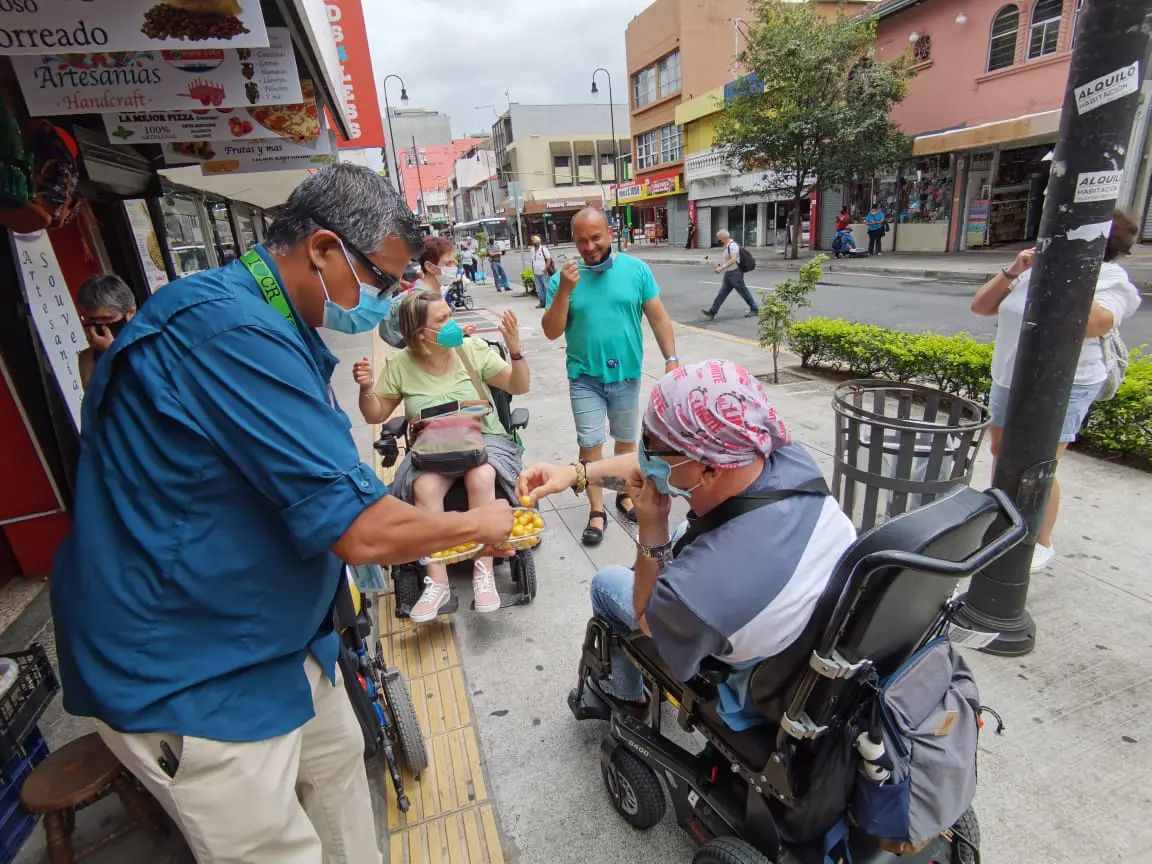
This is where Il VIAGGIO TRAVEL’s original philosophy returns. The company began with the idea that travel should be personal. In accessible travel, that becomes essential. A traveller’s access needs cannot be guessed from a label. Two wheelchair users may need different rooms, different vehicles or different transfer support. A traveller with low vision may need clear orientation and information. An autistic traveller may need details about sensory environments. A traveller with food allergies may need restaurant planning handled with care. Accessibility is not one checklist. It is a conversation between the traveller, the destination and the people responsible for making the trip work.
Stephanie’s work has also moved into national policy. She says Costa Rica created a law specifically focused on accessible tourism, signed by the president in 2024. The next step is the reglamento, the regulatory framework that will guide how the law is implemented. Through her role on the board of directors of the Costa Rica Tourism Board, Stephanie has also been able to push accessibility into government-funded tourism infrastructure. She says projects built with government money, including improvements in national parks, now need to be designed with full accessibility in mind.
Her influence also reaches international tourism. As vice-president of the International Social Tourism Organisation (ISTO), Stephanie is involved in work connected to destination verification and investment. She has also been developing guidance for the meetings, incentives, conferences and events sector, an area where accessibility can determine whether people can participate professionally, socially and fully.
There is another unexpected part of the ecosystem: clothing. During COVID, Stephanie created La Inspiración, an adapted clothing brand developed with input from people with disabilities. It began from a travel-related observation. Clothing can become a barrier when someone is getting ready for a tour, moving through an airport or spending a day outdoors. The line was designed around different access needs and launched at Costa Rica Fashion Week in 2023, in what Stephanie describes as the country’s first fully inclusive runway. It later appeared at London Fashion Week in 2024.
La Inspiración has since evolved into Breaking Barriers, a movement that uses fashion to support community impact. T-shirts feature artwork by disabled artists and are sewn by women who are heads of households and living with limited income. For every five shirts sold, the project donates one adapted school uniform to a child with a disability. The project addresses both the cost of school uniforms and the access barriers created when standard clothing does not work for a child’s body, sensory needs or daily routine.
Although this part of Stephanie’s work sits partly in fashion, it still connects to the larger theme of access. Travel, school, clothing, beaches, transportation and public policy may seem like separate areas, but Stephanie’s work shows how closely they are linked. A person cannot fully participate in tourism if the vehicle is inaccessible. A beach is not fully welcoming if a visitor cannot cross the sand. A hotel is not accessible if the room cannot be used safely. A child may be excluded from school because a uniform does not work for their body or sensory needs.
The ecosystem Stephanie and her Il VIAGGIO TRAVEL team have created is built on that understanding. Accessibility is not a single product added at the end of planning. It is a way of thinking through the whole experience.
Through Il VIAGGIO TRAVEL, the Costa Rica Accessible Tourism Network and the projects that have grown around them, Stephanie has helped position Costa Rica as a place where accessible travel is being developed through planning, policy, infrastructure, training and community action. Her work does not frame disabled travellers as an exception to tourism. It places them where they belong, at the centre of how destinations think, design and welcome.
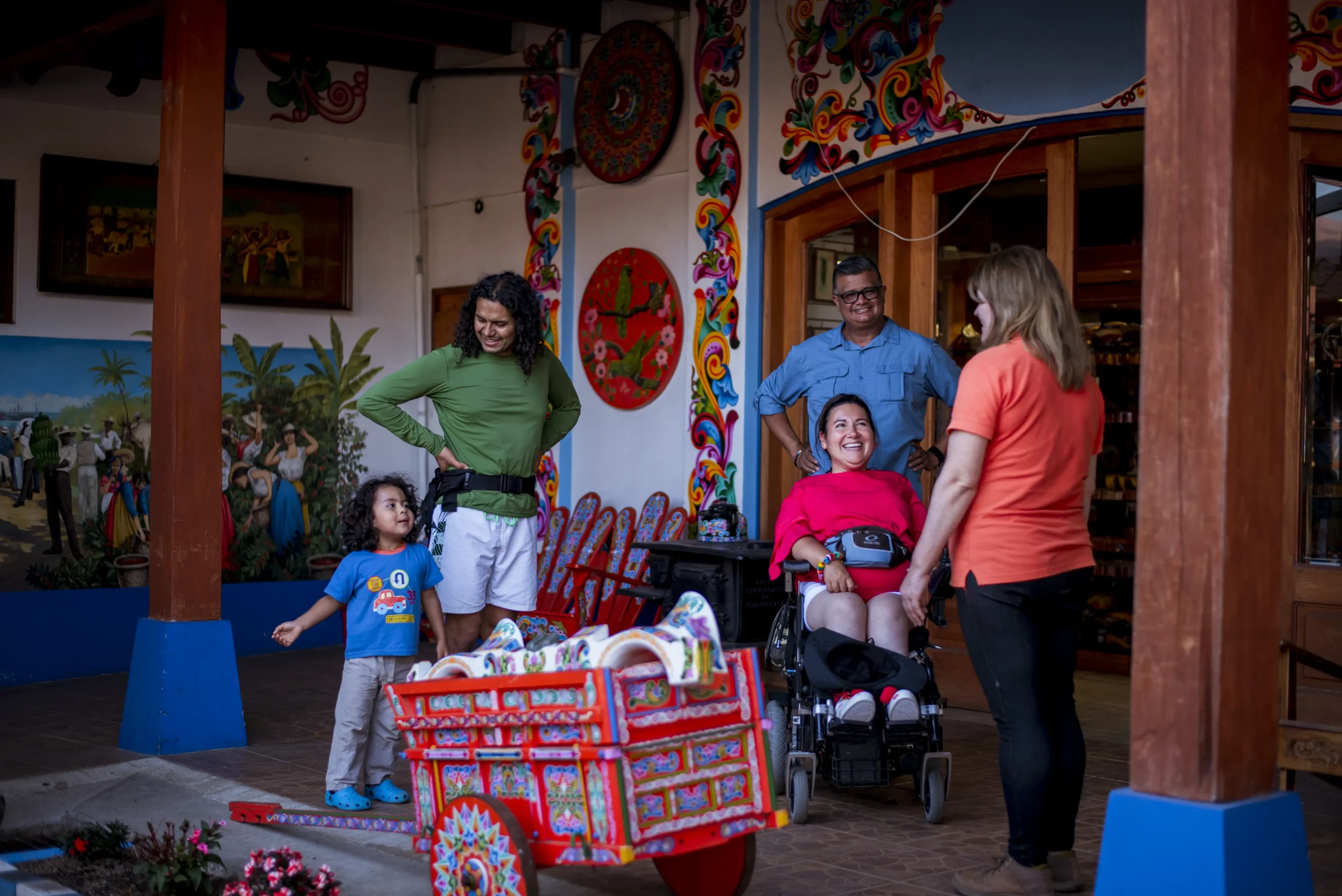
For travellers, that can mean something very concrete. A family can plan a beach holiday with better information. A wheelchair user can consider adventure activities that once seemed out of reach. A visitor with sensory or dietary needs can ask more specific questions before arrival. A destination can begin to understand that access is not charity. It is part of quality, hospitality and the future of travel.
Stephanie started with a company that wanted to see the person behind the reservation. Two decades later, that idea has grown into a national and international body of work. It is still rooted in travel, but it now reaches into beaches, policy, training, transportation, sustainability, fashion and education.
And at the centre of it all is a simple belief: Costa Rica should be experienced by more people, in more ways, with the access and dignity that make travel truly possible.
Follow them on social media
Facebook:
Instagram: