





Listen to this Article
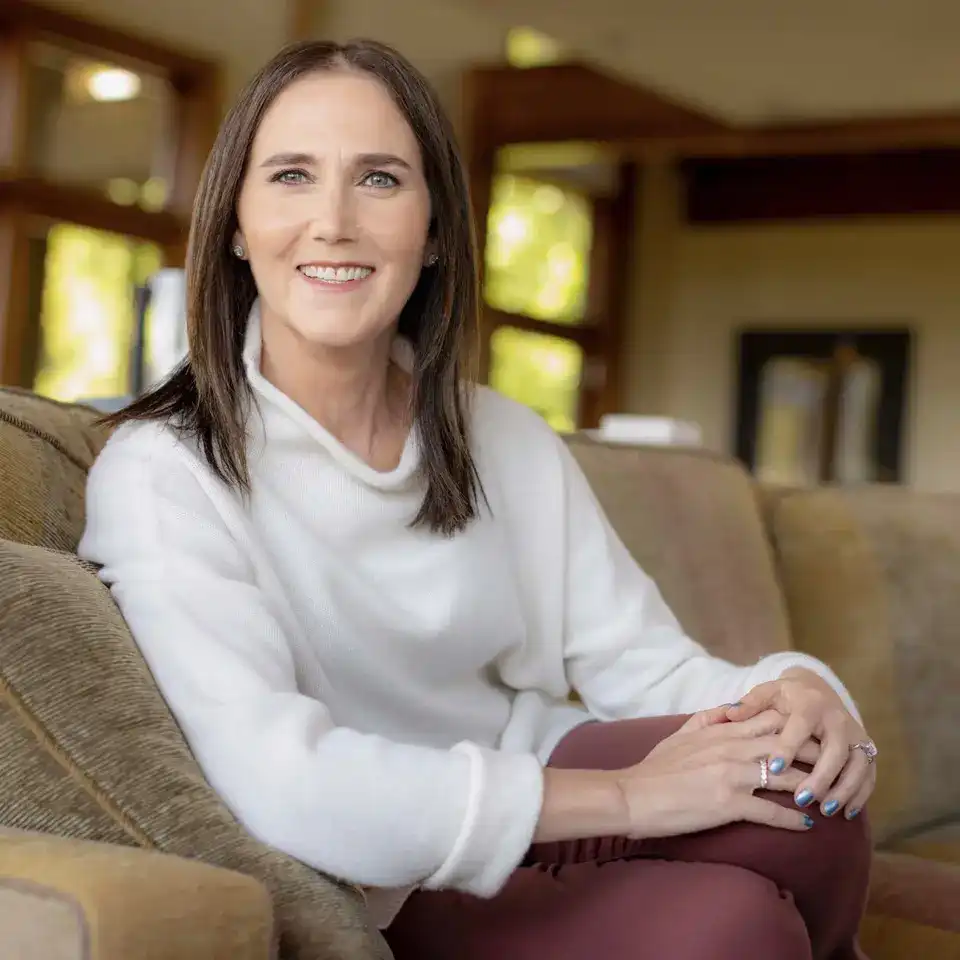
Airports, train stations and guided tours are built around sound, announcements, conversations and instructions that move quickly and often without repetition. For travellers with hearing loss, navigating these environments requires more than simply showing up. It calls for planning, adaptability and the right tools to stay connected. According to hearing health advocate, writer and speaker Shari Eberts, that preparation can make all the difference between a stressful trip and an enjoyable one.
Eberts understands those challenges personally. She developed a genetic hearing loss in her mid-20s while attending business school. For years she hid it because of the stigma she associated with hearing loss, something she had witnessed through her father’s own experience. Everything changed after becoming a parent. She realised she wanted to set a different example for her children, especially because her hearing loss is genetic. Instead of hiding it, she chose to advocate openly.
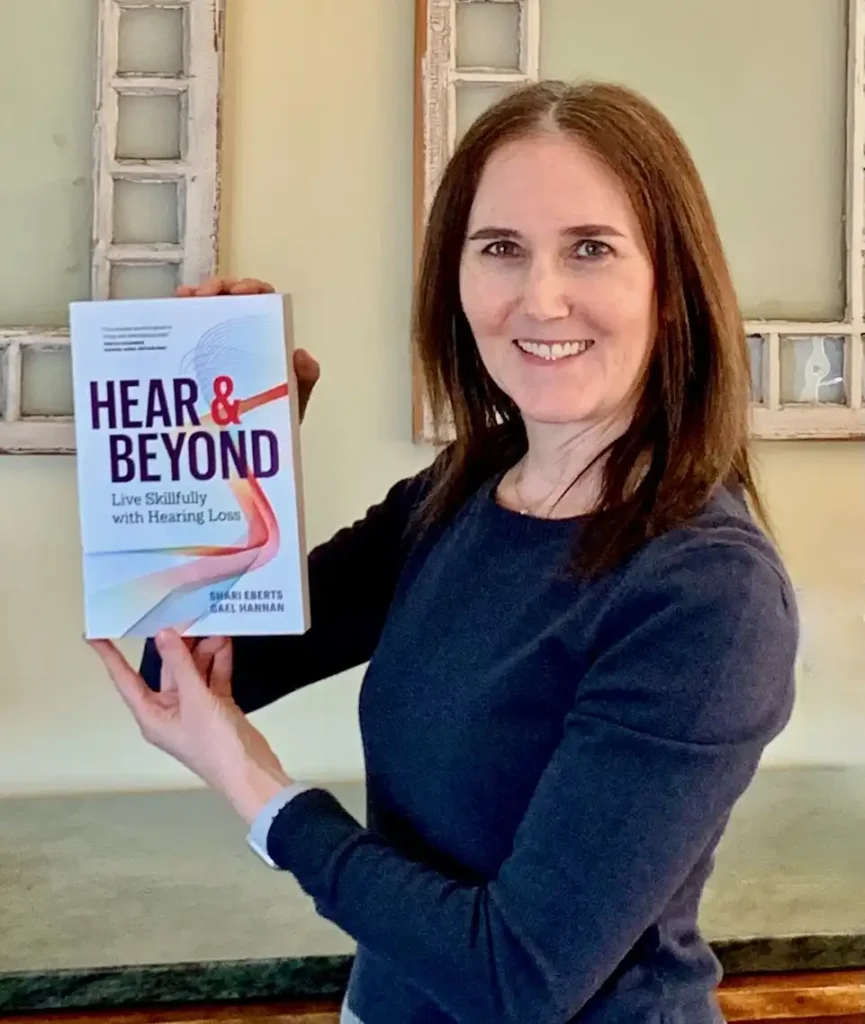
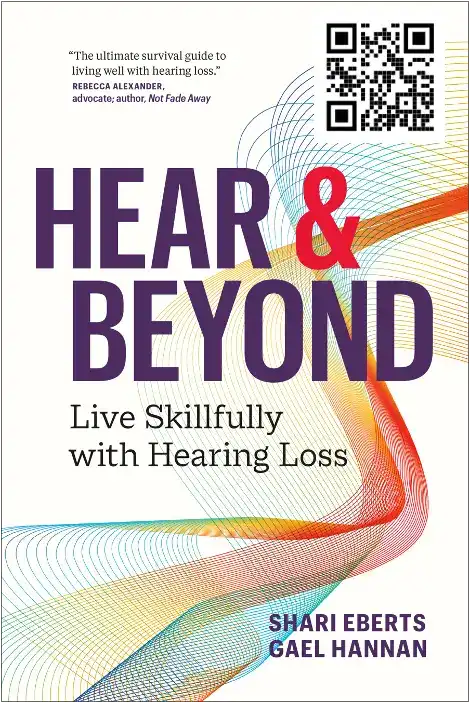
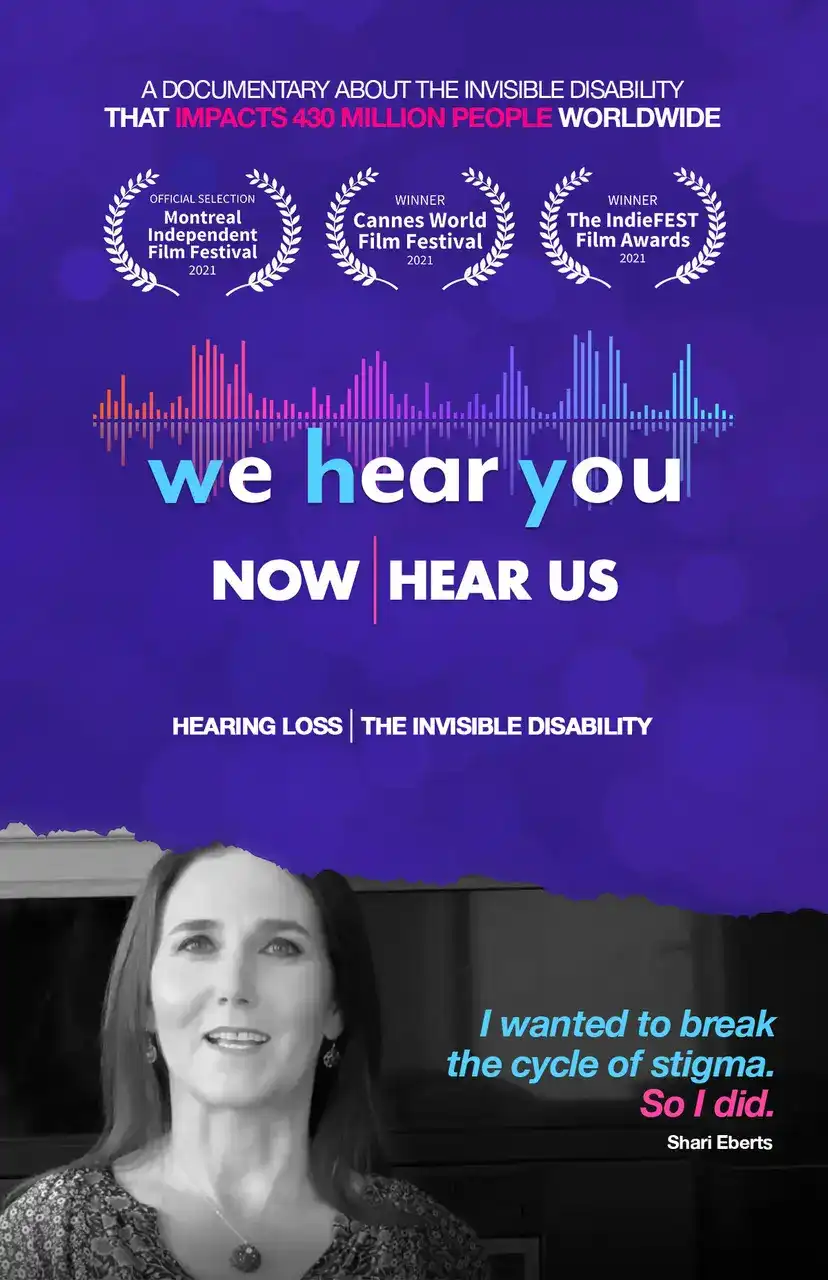
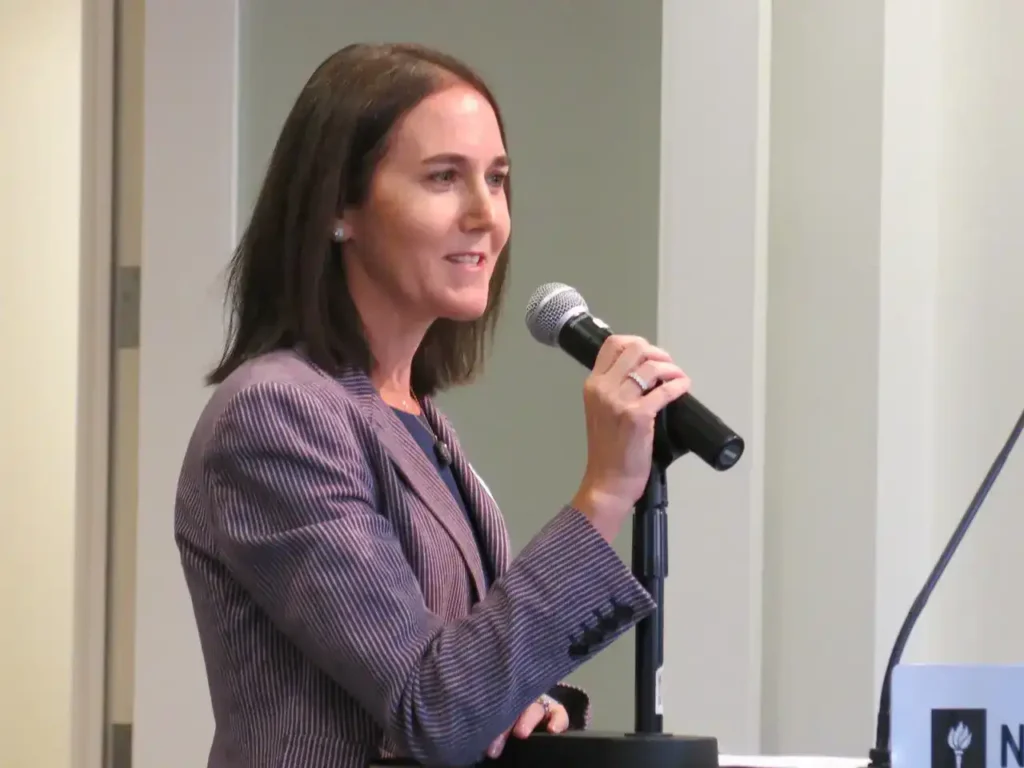
Today she shares her experiences through her blog, Living With Hearing Loss, helped produce the documentary We Hear You about the lived experience of hearing loss and co-authored Hear & Beyond: Live Skillfully With Hearing Loss, a practical guide filled with personal stories and what she calls “hearing hacks” to help people navigate everyday life.
That sense of community has become one of the most rewarding parts of her work. “So many people feel isolated because hearing loss is often invisible,” she explained. “When people begin talking about it, they realise they are not alone.”
That same philosophy extends to travel.
Preparation prevents problems
Eberts believes one of the biggest mistakes travellers make is assuming they can simply deal with problems as they arise. Instead, she recommends anticipating challenges before leaving home.
For travellers who wear hearing aids, she recommends packing an older backup pair if one is available, along with extra batteries, chargers, wax guards and any accessories needed to keep hearing devices working properly. Since moisture can damage hearing aids, particularly in hot or humid destinations, she also recommends carrying a portable drying device that removes moisture overnight.
She also encourages travellers not to forget something many people would never associate with hearing loss: spare glasses or contact lenses. “We hear with our eyes,” she explained. Visual information plays a critical role in understanding conversations through speech reading, facial expressions and body language.
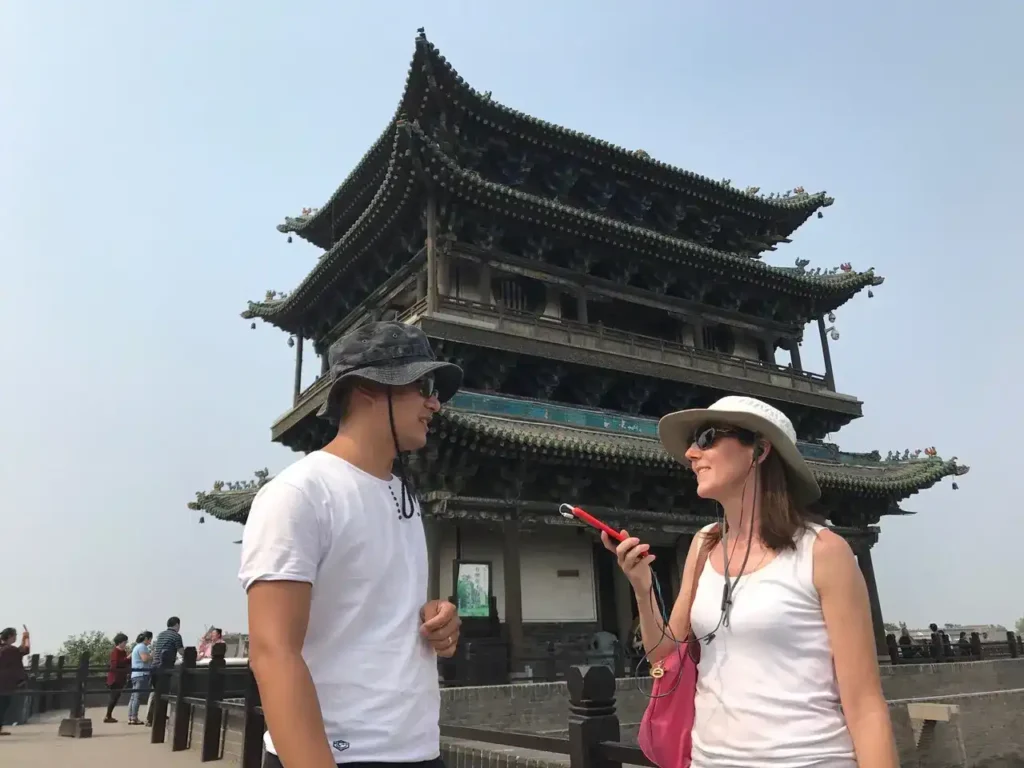
Technology can also provide valuable backup. Live captioning built into smartphones, speech-to-text apps and sound alert features can all help travellers remain independent when communication becomes difficult. Eberts recalled a trip to China where the humidity caused her hearing aids to fail completely. Using an amplifier app connected to headphones allowed her phone to function as a temporary hearing device until she could resolve the problem.
She also recommends carrying vibrating alarm devices or using a smartwatch to wake up when hearing devices are removed overnight. Noise-cancelling headphones are another travel essential because they help reduce the constant background noise on planes, trains and long car journeys, which can aggravate tinnitus and increase listening fatigue.
The hidden effort behind hearing
One of the strongest messages Eberts shared is that hearing loss involves much more than simply hearing less. Listening requires constant concentration. People with hearing loss are often combining partial sounds with facial expressions, body language, context and speech reading to understand conversations.
She compares the experience to playing a continuous game of Wheel of Fortune, where only some of the letters are visible and the brain must fill in the missing pieces. That constant processing requires energy. “It can be tiring,” she said.
Rather than trying to push through exhaustion, Eberts recommends building routines that reduce stress. Simple checklists make preparing for travel easier, while mindfulness practices such as yoga, meditation or even taking five quiet minutes during a trip can help restore energy.
She encourages travellers to keep unexpected setbacks in perspective. Technology has made travel far more accessible than it once was. If something goes wrong, she reminds herself to focus on what is working rather than what is not.
Self-advocacy is not asking for too much
Many people with hearing loss hesitate to request accommodations because they worry about inconveniencing others. Eberts understands that feeling because she once struggled with it herself. Today she views self-advocacy differently.
Requesting access is not asking for special treatment. It is simply asking for the opportunity to participate equally.
Her advice is to contact museums, attractions and tour operators before arriving. Rather than showing up unexpectedly, she recommends explaining your hearing needs in advance and discussing possible solutions together, whether that means captioning, written information or tour guides wearing a traveller’s mini mic so their commentary streams directly to compatible hearing aids. Preparing staff ahead of time often creates a smoother, less stressful experience for everyone involved.
She also believes honesty helps. Letting a tour guide know that you may stand close to hear better or rely heavily on watching facial expressions removes uncertainty and allows people to respond naturally.
Supportive travel companions matter
Travel companions also play an important role. Because listening requires so much mental energy, Eberts says family and friends should understand that someone with hearing loss may simply be more tired after a full day of sightseeing or group activities.
Small gestures make a difference. Standing together at the front of a guided tour instead of leaving the person with hearing loss to stand alone can help them feel included. The travel companion picking up assistive listening devices or captioning equipment at theatres and attractions is another simple way to share responsibility instead of placing the entire burden on the traveller with hearing loss.
At the same time, Eberts reminds both sides to extend grace.
Well-meaning people often shout or over-enunciate when speaking to someone with hearing loss. Although intended to help, exaggerated speech can actually make speech reading more difficult because facial movements become unnatural. Speaking clearly, at a comfortable pace and using natural facial expressions is usually far more effective.
Making accessible travel more inclusive
Eberts believes accessible travel conversations should extend well beyond physical mobility.
Simple communication changes can dramatically improve experiences for travellers with hearing loss. Captioned presentations, written versions of spoken information, microphones during announcements and routinely asking guests whether they require any accessibility accommodations all help create a more welcoming environment.
Perhaps most importantly, she believes accessibility should become part of standard customer service rather than something people must repeatedly request.
“If you ask everyone what they need,” she explained, “it becomes normal.”
For travellers with hearing loss, thoughtful preparation, supportive companions and inclusive travel providers can transform travel from something stressful into something deeply rewarding. The goal is not perfect hearing. It is being able to participate fully in the experiences that make travel meaningful.