
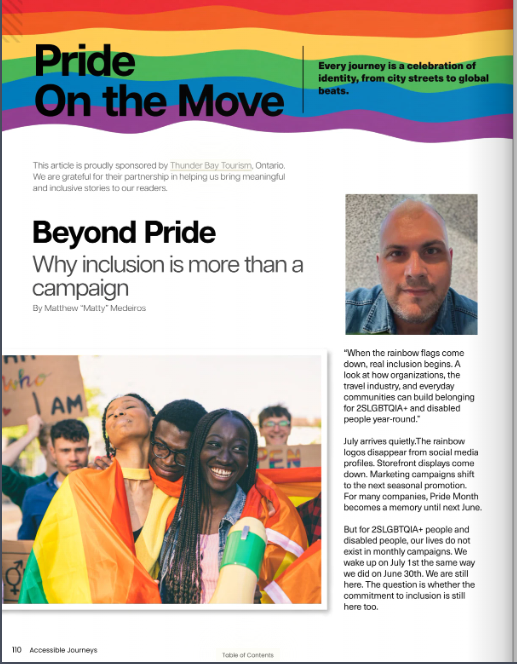
By Matthew Mederios
Listen to this Article
This article is proudly sponsored by Thunder Bay Tourism, Ontario. We are grateful for their partnership in helping us bring meaningful and inclusive stories to our readers.
“When the rainbow flags come down, real inclusion begins. A look at how organizations, the travel industry, and everyday communities can build belonging for 2SLGBTQIA+ and disabled people year-round.”
July arrives quietly.The rainbow logos disappear from social media profiles. Storefront displays come down. Marketing campaigns shift to the next seasonal promotion. For many companies, Pride Month becomes a memory until next June.
But for 2SLGBTQIA+ people and disabled people, our lives do not exist in monthly campaigns. We wake up on July 1st the same way we did on June 30th. We are still here. The question is whether the commitment to inclusion is still here too.
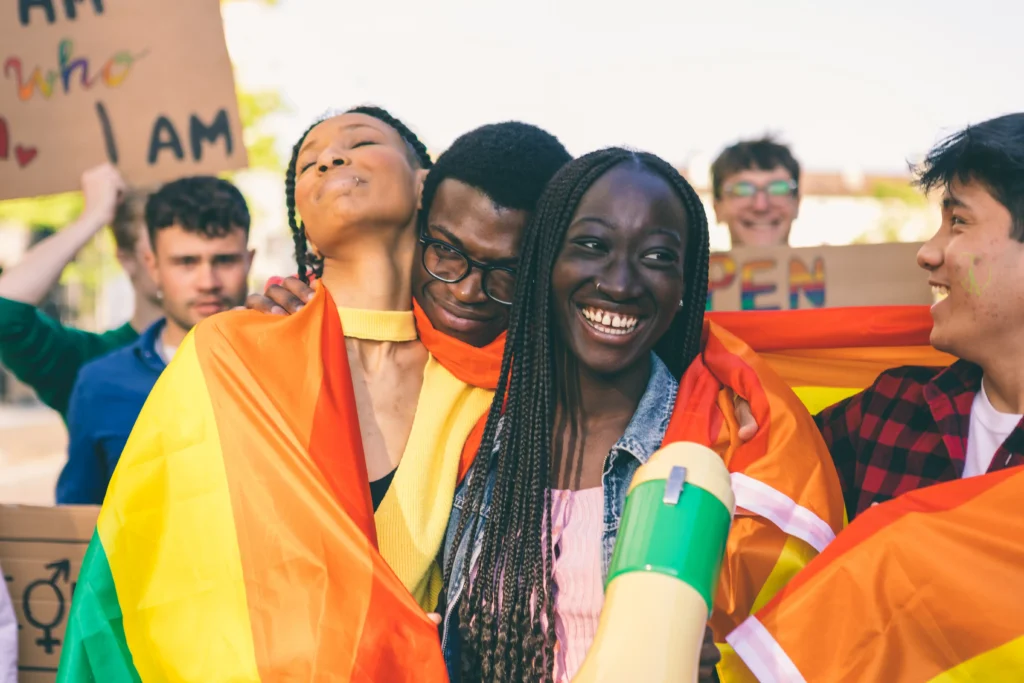
Pride Month has always been about visibility. Visibility matters. It creates conversations, celebrates identities, and reminds people that they deserve to be seen. For many individuals, seeing a rainbow flag in a storefront or a Pride campaign on social media can be affirming, powerful and the sense of feeling safe.
The same can be said for disability awareness campaigns. Seeing wheelchair users, people with non-visible disabilities, and diverse bodies represented in advertising, media, and travel content helps challenge assumptions about who belongs in the world and who gets to participate in it.
Representation matters. But representation alone is not enough.
There is an important difference between visibility and belonging. Visibility says, “We see you.” Belonging says, “You are welcome here.” That distinction matters more than ever.
As someone who exists at the intersection of disability and the 2SLGBTQIA+ community, I have often found myself reflecting on what inclusion actually looks like beyond awareness campaigns and themed months. While I am grateful for the progress that has been made, I also recognize that there is still work to be done.
There have been moments when I have felt seen as a disabled person but not as a queer person. There have also been moments when I have felt welcomed as a queer person but overlooked as someone with a disability. Living at the intersection of both communities has taught me that inclusion cannot happen in pieces. People do not experience their identities one at a time. We bring our whole selves into every space we enter, whether that is our workplace, our community, or a destination on the other side of the world.
One of the biggest challenges facing both communities is that inclusion is often treated as a moment rather than a mindset. A company updates its logo for Pride Month. A destination posts a social media graphic during Disability Awareness Month. A travel supplier highlights diversity in a campaign. These actions are not inherently bad. In fact, they can be meaningful. They signal recognition and help create visibility.
The problem arises when the effort begins and ends there. This is where conversations about rainbow washing and performative inclusion enter the picture.
Rainbow washing occurs when organizations publicly align themselves with the 2SLGBTQIA+ community during Pride Month without making meaningful investments in inclusion throughout the rest of the year. While the rainbow flag may appear in June, there may be little evidence of inclusive policies, employee support programs, community partnerships, or representation once the month ends.
The disability community experiences something similar. Accessibility is often discussed during awareness campaigns, yet many organizations still struggle to provide basic accessible information, inclusive hiring practices, accessible websites, or accommodations that allow people to fully participate.
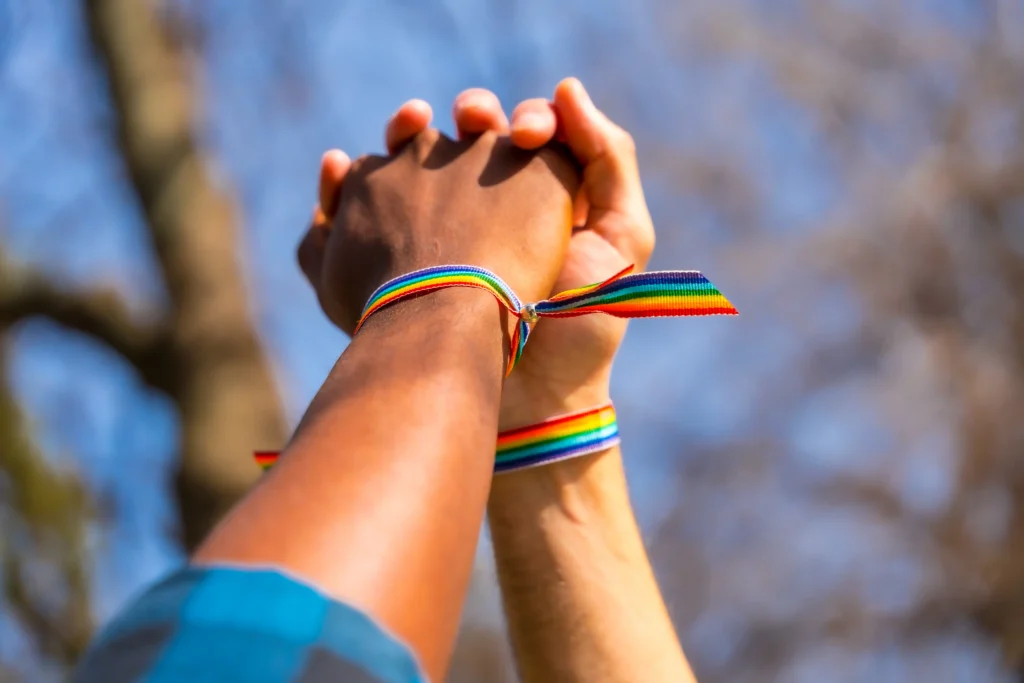
The result is that people feel celebrated when they are visible and forgotten when the spotlight moves elsewhere. True inclusion asks more of us. It asks organizations to move beyond symbolic gestures and toward meaningful action. It asks leaders to understand that inclusion is not something that can be switched on and off depending on the month on the calendar. Most importantly, it asks organizations to listen to the people they claim to serve.
The travel industry provides a powerful example of this.
Travel has always been about exploration, connection, and discovery. Yet for many people, travel also comes with questions that others rarely have to ask. Will I be safe? Will I be welcomed? Will I be able to access the destination? Will I see people like me represented?
These questions are not exclusive to disabled travellers or members of the 2SLGBTQIA+ community. However, they often carry greater weight for those who have historically been excluded, overlooked, or misunderstood.
When travel marketing consistently features the same types of people, it sends a message. When accessibility information is difficult to find, it sends a message. When diverse identities are only highlighted during specific months of the year, it sends a message. Sometimes the absence of representation speaks louder than representation itself.
One of the simplest ways organizations demonstrate inclusion is through information. As a traveller advisor with a disability, I often spend hours researching accessibility before I ever book a trip for a client or even myself. When that information is difficult to find, incomplete, or absent altogether, it sends a message. Not necessarily that I am unwelcome, but that my experience may not have been considered.
As someone who now travels with a mobility scooter, I often spend more time researching accessibility than I do researching attractions. Before booking a destination, I am looking for accessible transportation, accommodation information, terrain details, and realistic expectations. Those details may seem small, but they determine whether a trip feels possible. When that information is unavailable, the message is often clear: accessibility was not part of the conversation.
The same principle applies to 2SLGBTQIA+ travellers. When people can easily find information about inclusive policies, welcoming environments, and authentic representation, they are able to make informed decisions about where they spend their time and money. Inclusion is not just about what happens when someone arrives. It is also about whether they feel confident enough to book the trip in the first place.
The good news is that meaningful change is happening.
Across the travel industry and beyond, there are organizations making genuine efforts to create more inclusive spaces. Some destinations have invested in accessibility audits and infrastructure improvements. Others have created dedicated accessibility teams to help travellers plan with confidence. Many companies are expanding representation in their marketing materials and ensuring that diversity is reflected year-round rather than seasonally.

These efforts matter. Not because they are perfect, but because they demonstrate a willingness to evolve. Progress rarely happens all at once. It happens through intentional decisions, consistent effort, and a commitment to learning.
What often gets overlooked in conversations about inclusion is that both the disability community and the 2SLGBTQIA+ community share a common desire. We want to be recognized as complete people.
We do not want to be reduced to a diagnosis. We do not want to be reduced to a label. We do not want to be included only when it serves a marketing objective. We want to live, work, travel, and participate fully in the world around us.
That desire may sound simple, but creating environments where people genuinely feel they belong requires effort. It requires accessible design that is considered from the beginning rather than added later. It requires policies that support people even when nobody is watching. It requires leadership that understands diversity is not a trend. It requires representation that continues long after the campaign ends.
Most importantly, it requires consistency.
Consistency is often where inclusion either succeeds or fails. It is easy to support a community when there is a spotlight shining on it. It is much harder to continue doing the work when the spotlight moves elsewhere.
Yet that is precisely where authentic inclusion lives.
Not in the announcement. Not in the campaign. Not in the social media post. But in the decisions that are made every day afterward.
As consumers, travellers, employees, and community members, we also have a role to play. We can support organizations that demonstrate genuine commitment. We can ask questions. We can advocate for change. And we can celebrate progress while continuing to push for better. Accountability and optimism can exist together. In fact, they should. Because this conversation is not about criticizing every organization that participates in Pride Month or Disability Awareness Month. Awareness campaigns still matter. Visibility still matters. The goal is not to discourage participation. The goal is to encourage continuation.
Pride was never meant to be the finish line. Neither was accessibility awareness. Both were intended to be starting points. Opportunities to educate, reflect, and build something stronger.
The most inclusive organizations understand this. They recognize that belonging is not created through a single campaign. It is built through hundreds of decisions made over time. The same is true for destinations, tourism boards, cruise lines, hotels, attractions, and employers.
The question is not whether inclusion should be celebrated. The question is whether inclusion is being sustained.
Because long after the rainbow flags are packed away and the awareness campaigns have ended, people are still living their lives. They are still traveling. They are still navigating barriers. They are still searching for spaces where they feel seen, valued, and welcomed.And they deserve more than temporary visibility.
As we move beyond Pride Month and continue conversations about accessibility and inclusion, my hope is that organizations see this not as a challenge, but as an opportunity. An opportunity to listen. An opportunity to learn. An opportunity to build environments where more people can thrive.
Because the strongest forms of inclusion are often the quietest. They are found in thoughtful policies, accessible spaces, authentic representation, and everyday acts of respect. Those things may not generate headlines, but they change lives.
And that is why the work cannot stop when the campaign ends.
Because inclusion is not a campaign. It is a commitment.
