
Listen to this Article
Insights from Winton Bebbington
Accessibility is personal, and planning matters
New Zealand is very achievable for accessible travellers, but planning is important. Our major cities and many leading attractions do accessibility well, but once you move into smaller towns and rural areas, accessible accommodation, transport and facilities become more limited. We focus less on whether somewhere calls itself “accessible” and more on whether it is accessible for that particular traveller.
Planning around New Zealand’s distances
Our biggest advice is don’t try to do too much. New Zealand looks small on a map, but our roads can be slow and winding. We would rather someone properly experience six places than rush through twelve. Build in rest days, shorter travel days and time to actually enjoy where you are.
Where to go on a first two-week visit
For a first visit, we often combine Auckland, Rotorua and the central North Island with Queenstown and the lower South Island. Rotorua is fantastic for Māori culture and geothermal experiences, while the South Island delivers those iconic mountains, lakes and scenery. But there isn’t one perfect itinerary. It should reflect what that individual actually wants to experience.
Choosing between the North and South Islands
The North Island generally offers shorter distances between major destinations and excellent cultural experiences. The South Island is spectacular for scenery, but distances are greater, and some smaller destinations have limited accessible accommodation. Neither is necessarily “more accessible.” The right choice depends on the traveller, their equipment and what they want from New Zealand.

Iconic New Zealand experiences that are accessible
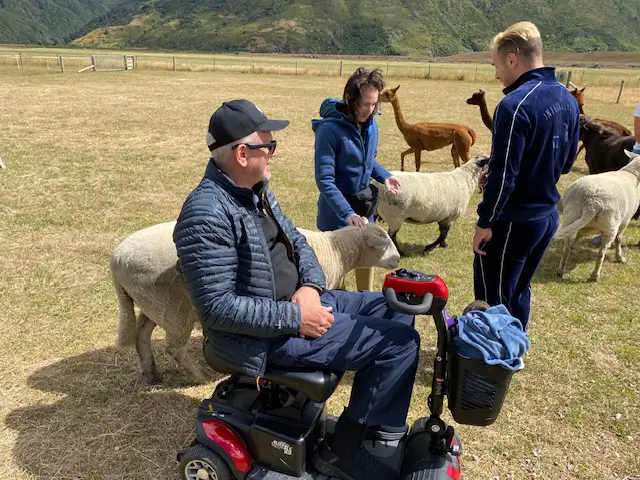
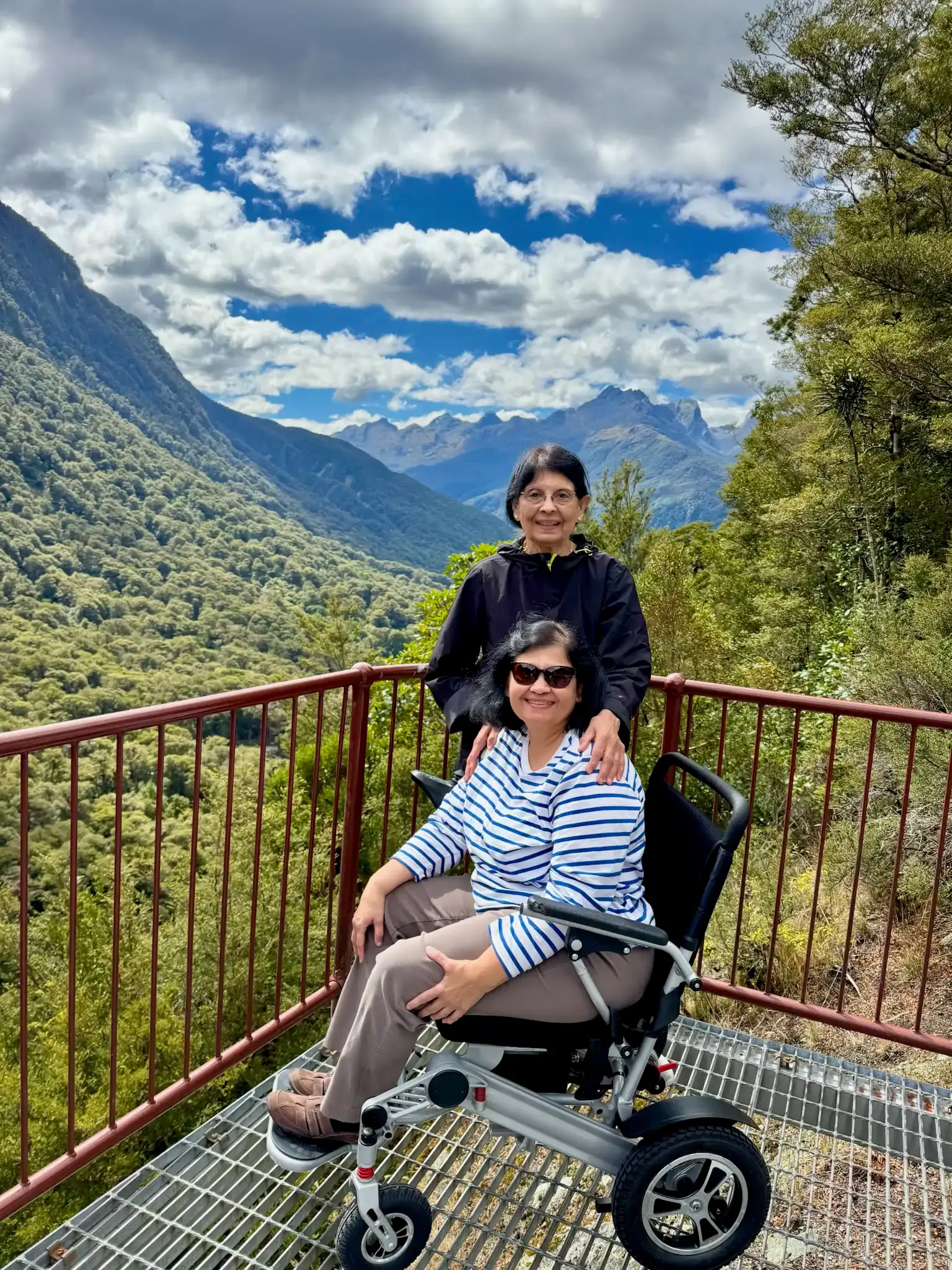
There are quite a few! Experiences such as Hobbiton, Rotorua’s geothermal and cultural attractions, Milford Sound cruises, Queenstown’s Skyline Gondola and many wildlife experiences can be surprisingly accessible. Sometimes the answer isn’t “you can’t do it”; it’s simply working out how you can do it.
Lesser-known places worth exploring
The Coromandel is one of our favourites. It has beautiful beaches, small coastal communities and some great accessible experiences without feeling overly commercial. We also love places where travellers can slow down and experience everyday New Zealand rather than simply moving between the major tourist attractions.
New Zealand’s accessible outdoors
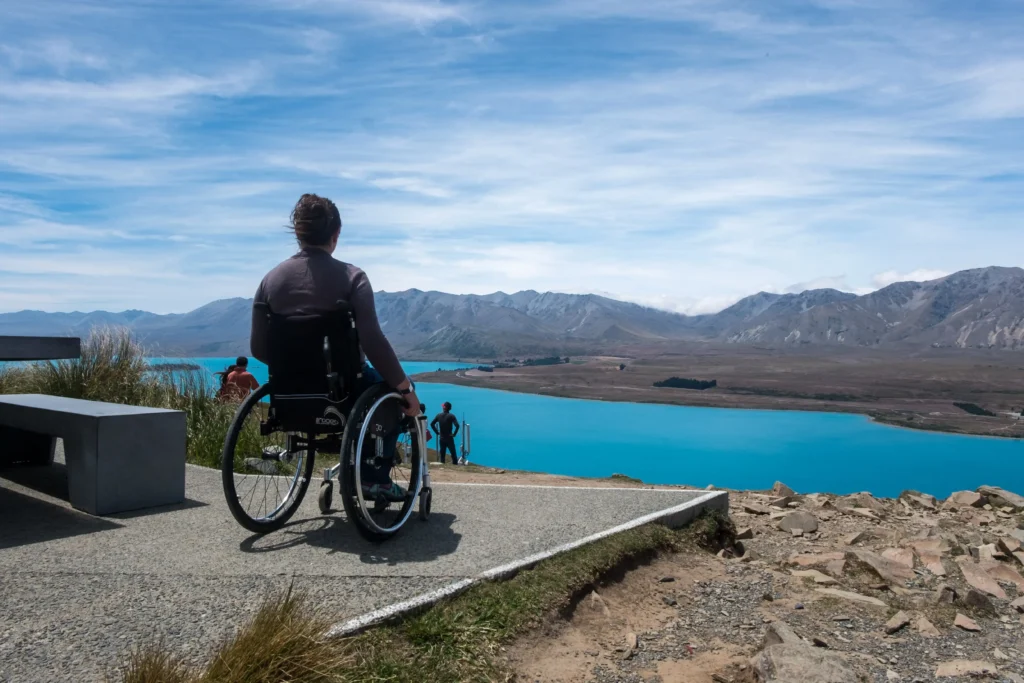
New Zealand has some fantastic boardwalks, coastal paths, gardens, wildlife centres and accessible beaches. What we recommend depends heavily on someone’s mobility and equipment. We don’t want travellers simply looking at New Zealand through a vehicle window — wherever possible, we want them out experiencing it.
What to ask before booking accessible accommodation
Never rely solely on the word “accessible.” Ask about the entrance, door widths, bed height and clearance, shower type, grab rails, toilet height, turning space and whether there are any steps between the room and other facilities. Photos and measurements are incredibly valuable — an “accessible room” isn’t automatically accessible for everyone.
Planning accessible transport in New Zealand
Accessible transport is available, but you need to organise it early. Wheelchair-accessible rental vehicles, private drivers, domestic flights, and specialist transport providers are available, but availability drops significantly outside larger centres. Transport is often one of the first things we lock into an accessible itinerary.

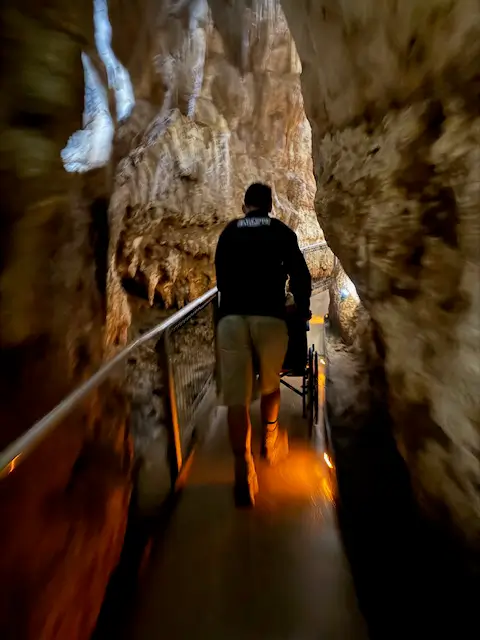
Power wheelchairs and specialist equipment
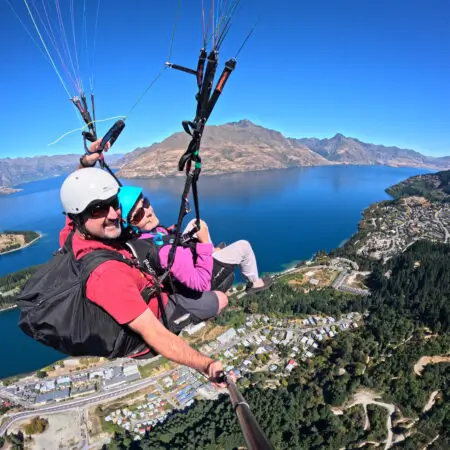
Arrange it early and give very specific information about your equipment. Hoists, shower chairs, mobility equipment and accessible vehicles can be hired in New Zealand, but availability varies considerably by location. Sometimes equipment needs to travel with the guest or be repositioned between destinations, so this needs to be part of the itinerary from the beginning.
Choosing the best time to visit New Zealand
There isn’t really a bad time, but spring and autumn can be fantastic because they’re generally quieter. Summer offers longer daylight hours and warmer weather, while winter can provide incredible alpine experiences but requires more planning around cold, snow and conditions. New Zealand weather changes quickly, so flexibility and layers are always useful.
Māori cultural experiences
Rotorua is a wonderful starting point, with opportunities to experience Māori culture, storytelling, geothermal landscapes and food. We encourage travellers to choose experiences where Māori culture is being shared by Māori themselves. Accessibility should be discussed beforehand so the experience can be both authentic and comfortable.
Discovering New Zealand through its food
New Zealand’s food is very regional. Think seafood around our coast, wine in places such as Marlborough and Central Otago, local produce, farm experiences and fantastic smaller restaurants throughout the country. For us, food isn’t just another booking — sitting down over a meal with local people can be one of the most memorable parts of travelling here.
Making seemingly impossible travel experiences possible
We regularly have travellers arrive believing certain experiences simply aren’t available to them. Often the solution isn’t complicated — it might be the right vehicle, equipment, an alternative entrance, speaking directly with an operator or simply allowing more time. Good accessible travel is often about solving lots of small problems before the traveller ever encounters them.


Focusing on possibilities, not limitations
Come and talk to us before deciding what’s possible. Your New Zealand holiday might look slightly different from somebody else’s, but different doesn’t mean less memorable. Tell us what you would love to experience first — then we can work through the accessibility around it.
Where accessibility gaps still exist in New Zealand
Often it’s not one major barrier; it’s the connection between everything. An attraction might be accessible, but the transport isn’t. A hotel may have an accessible room, but the bathroom doesn’t suit that particular guest. New Zealand has made progress, but better information, consistency and understanding are just as important as ramps and accessible bathrooms.
apibus leo.