
by Jacob Rosser (assisted by Jennifer Hartley)
Listen to this Article
There are so many ways to describe the City of Ottawa. For some, it is the centre of government, with Parliament Hill in the downtown core. For others, it is Silicone Valley North, with people creating all those apps and techie things that make our lives better. (I love that it is highly accessible and thrives on being so. Here is a helpful site.)
Derived from the Algonquin word “Odawa,” meaning “to trade,” Ottawa is located within the traditional Anishinaabe Algonquin territory. Originally known as Bytown, after Lieutenant Colonel John By, the engineer of the Rideau Canal, Queen Victoria renamed it in 1855 and declared it the capital of Canada in 1857, much to the chagrin of other contender cities like Kingston, Toronto, Montreal and Quebec City.
Ottawa is a city of firsts. It was the first to have streetlights powered by electricity (1885), to have streetcars with electrical heating (1893) and it hosted the first banquet in Canada with food entirely cooked with electricity (1892). (Today, there is a beautiful path along the Chaudière Falls that fueled all that hydroelectricity.)
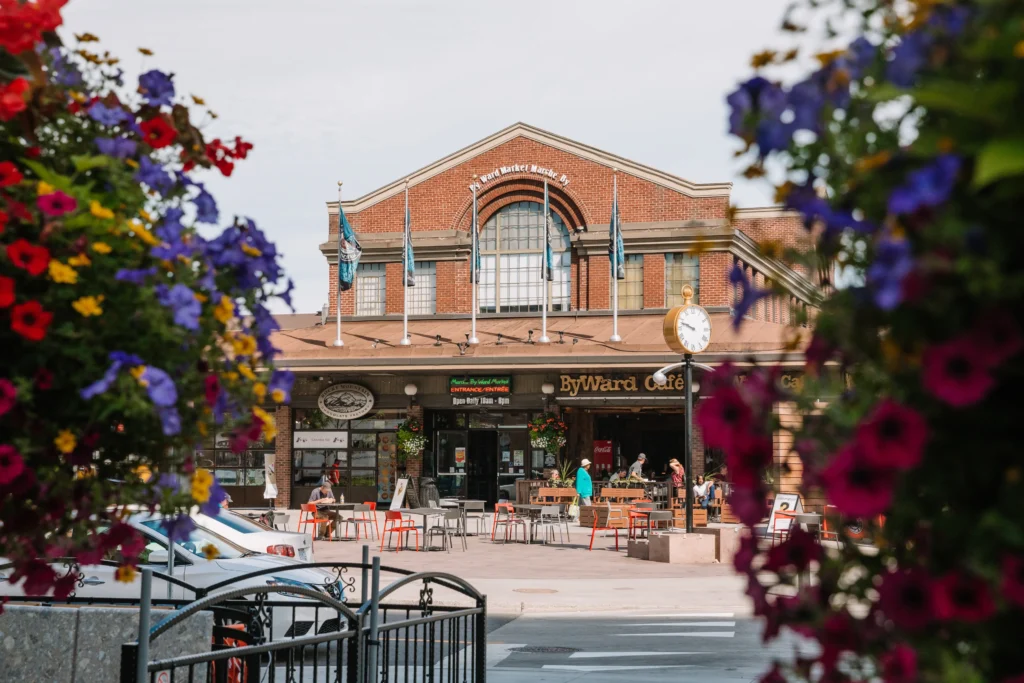
The city was pretty rowdy in the 19th century, and the ByWard Market, established in 1827, was the centre of the action. Today, it remains one of Canada’s oldest and largest public markets. A great walking tour will give you all the highlights of the area. There are restaurants and shopping and the oldest pub in Ottawa — The Château Lafayette, established in 1849 — is in the Market.
Four Seasons of Fun

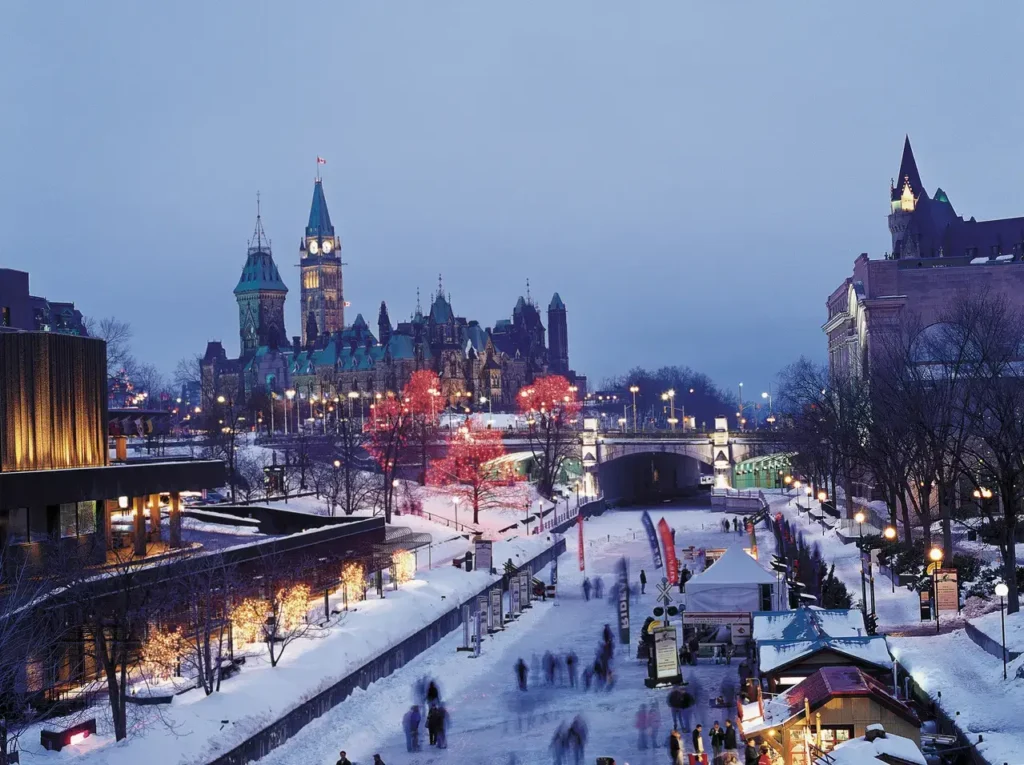
Ottawans love the outdoors, even in the winter. Frigid weather doesn’t stop people from lacing up their skates and gliding along the world’s largest outdoor skating rink, the UNESCO World Heritage Rideau Canal. The annual Winterlude Festival celebrates winter with an international ice sculpture competition, Beaver Tails (a delectable flat pastry topped with delectable sweetness) and parks lit up with colourful lights.
The Capital Pathway is a network of paths across the region for snowshoeing and cross-country skiing. (It is great for walking and cycling in the summer.)
If you don’t share that love of the cold, there is lots to do indoors.
Parliament Hill
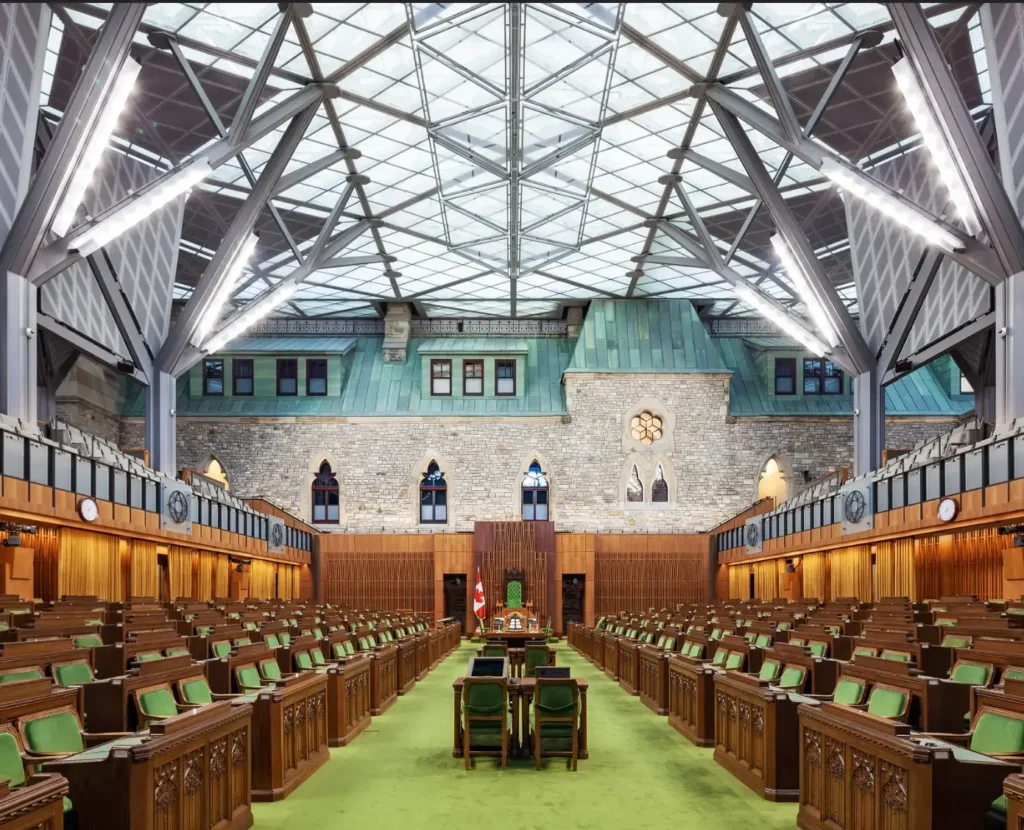
The West Block is a beautiful old 1866 building that is the temporary home to the House of Commons that was renovated. Tours are offered and you can watch Members of Parliament in action when Parliament is sitting.
The iconic Centre Block – with the Peace Tower – normally houses the House of Commons and The Senate but is currently under renovation. Neat story… when they started the construction project, they discovered barracks from the 1800s as they dug so it then became an archeological site as well.
The Senate is in the old train station down the road on Wellington Street, across from the Chateau Laurier Hotel. Fun fact? Look for the 1842 painting of Queen Victoria in the Senate lobby. When she saw it, she hated it because one arm looks shorter than the other. So she sent the painting and another like it (which is now in Toronto) to Canada. The one at the Senate has survived FOUR fires.
If you are in Ottawa in the summer, be sure to visit the historical offices in East Block (on the other side of the Centre Block). See the original Cabinet Rooms, the office of Sir John A Macdonald (Canada’s 1st Prime Minister) and Sir George Etienne Cartier, a Father of Canada’s Confederation. It is magical for history nerds. But again, you have to book it parl.gc.ca and the tours are only offered in the summer.
Museums
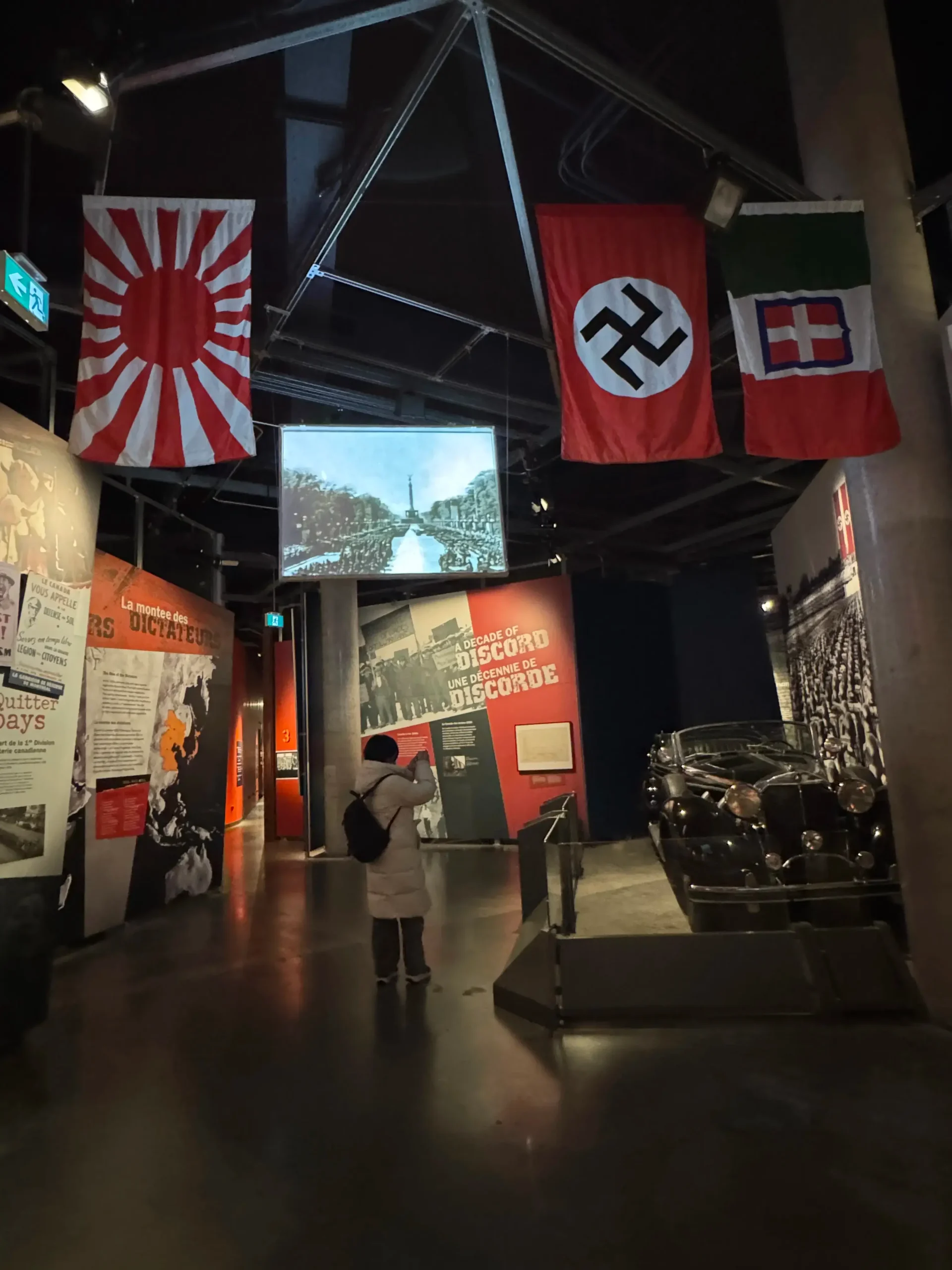

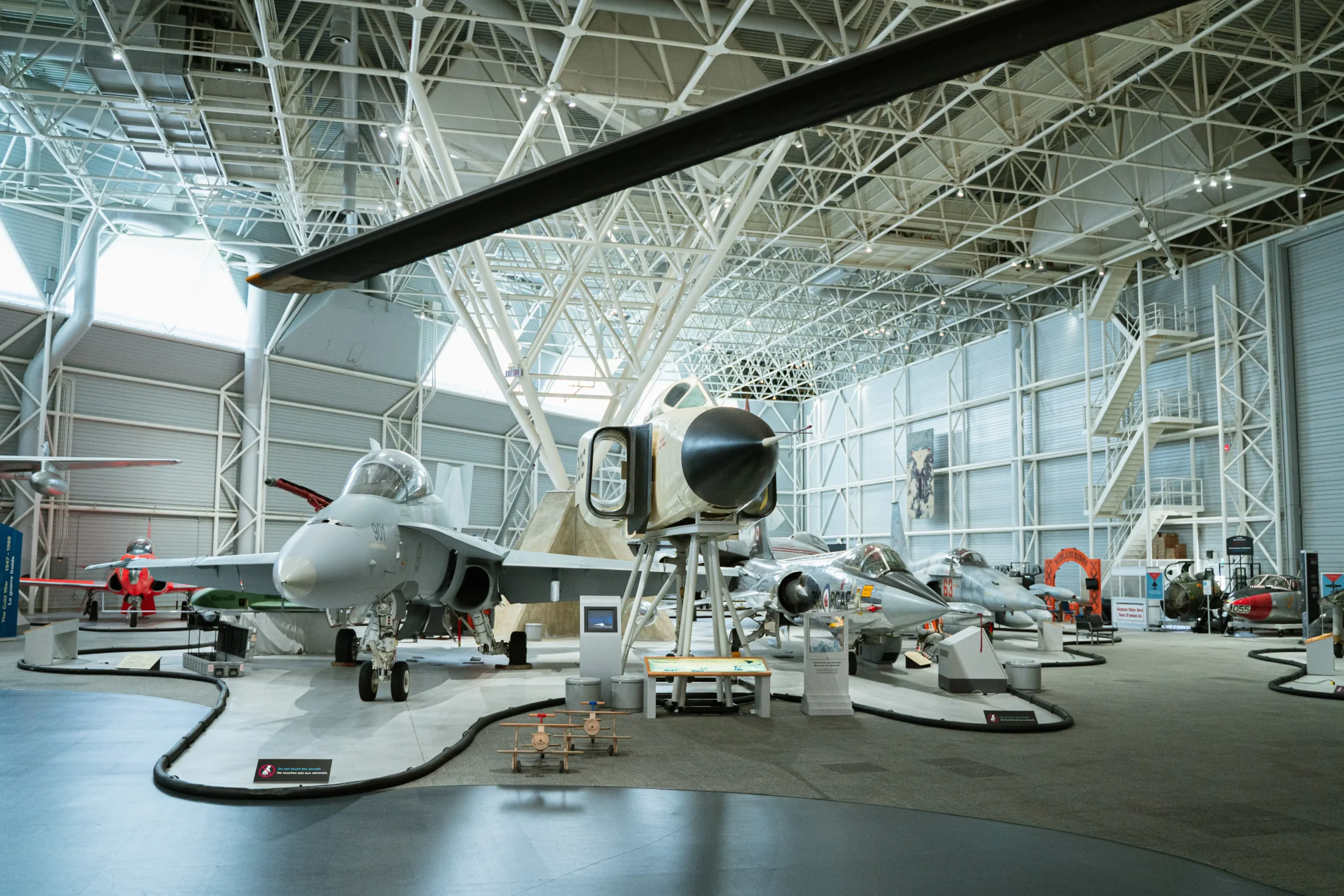
Ottawa is home to seven of Canada’s nine national museums. Most have sensory sensitive supports (varying degrees) and all offer free admission to one support person.
- Canada Agriculture and Food Museum
- Canadian Aviation and Space Museum
- Canadian Museum of History
- Canadian Museum of Nature
- Canadian Museum of Science and Technology
- Canadian War Museum
- National Gallery of Canada
The Diefenbunker: Canada’s Cold War Museum is not a national museum but it should be. It is a four-storey underground Cold War communications headquarters that is now a museum and national historic site. A 40-minute drive from downtown, but well worth it. (offers sensory supports)
SPRING AND SUMMER
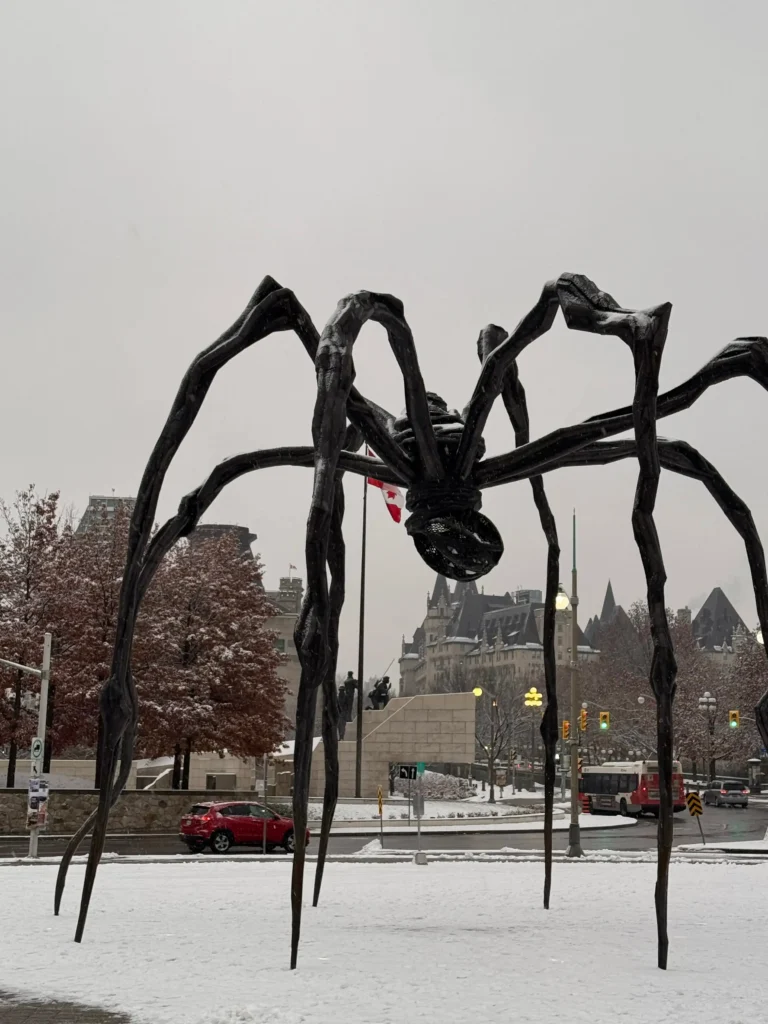
Ottawans appreciate summer. The parkways close to car traffic on Sunday mornings from May until October to get people moving.
The aforementioned Capital Pathway is also fabulous.
Here is a list of accessible trails.
I like doing exhilarating things and Interzip—a zipline takes you over the Ottawa River from one province to another offers a great view of Chaudière Falls, Parliament and the surrounding area.
Festivals: Ottawa loves them. Period. The Canadian Tulip Festival is particularly special. The Dutch Royal Family took refuge in Ottawa during the Second World War, and Her Royal Highness, Princess Margriet was born in 1943. However, she needed to be born on Dutch soil so to accommodate, part of the hospital was designated Dutch territory. Two years later, Canadian troops played a key role in liberating the Netherlands and in gratitude, the Dutch government has sent Canada a gift of tulip bulbs every year since 1945. Canada Day: Ottawa rocks Canada’s birthday like no other city on July 1st. Concerts, Snowbirds (acrobatic planes) fireworks and hordes of people descend on the downtown.
AUTUMN
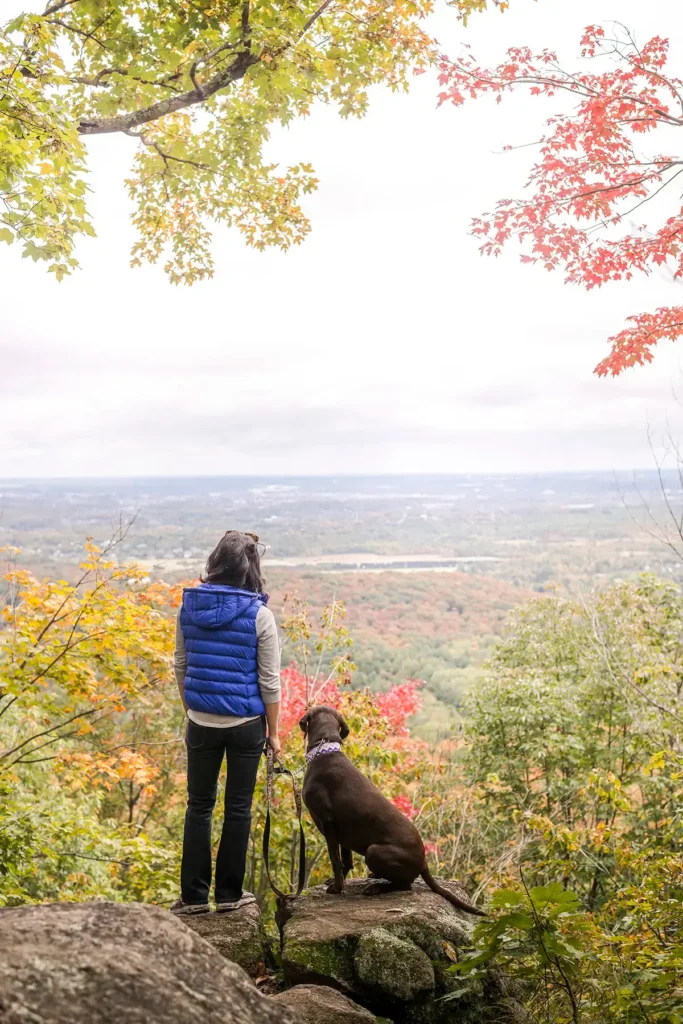
One word sums up autumn in Ottawa: colour. As the trees change from green to vibrant reds, orange and yellow, the landscape is spectacular like no other place in the country. Driving and/or hiking in Gatineau Park (Fall Rhapsody is a good guide.)
Fuel:
Not surprising, Ottawa has a vibrant food scene. Here are a few suggestions for outstanding dining experiences in the downtown core. (And I am a foodie.)
- Aiāna on O’Connor Street
- Arlo on Somerset Street makes the best restaurant list in Canada for good reason.
- Beckta, fine dining on Elgin, and Play on Sussex (small plates and without exception delicious) Both owned by Stephen Beckta who was just awarded the Order of Canada in part for his contribution to the Canadian culinary world.)
- Cocotte French bistro in The Metcalfe Hotel
- Gitanes, high-end deliciousness on Elgin St.
- Whalesbone for oysters and seafood (two locations: Elgin Street and Bank Street)
Sleep:
The Metcalfe
Boutique hotels with great stories and restaurants are the best. The Metcalfe is one of them. It was originally a YMCA and it was built in the early 20th century and now has heritage status. It has a mini basketball court, a ping pong table and nooks and spaces all around that create your own little cozy spot. The rooms are calming. Staff are especially kind.
The Fairmont Chateau Laurier gets a nod for its history. Back in the late 1800s, Charles Melville Hays, GM of the Grand Trunk Railway of Canada wanted grand hotels. The Chateau Laurier, named after Prime Minister Sir Wilfrid Laurier, was one of them.
It was supposed to open in April 1912, but Hays died on the Titanic. Some of the furniture destined for the hotel was onboard and ended up on the ocean floor. The hotel eventually opened in June that same year. A lot has happened at the hotel in its almost 115 years. (Some even say it is haunted.)
Ottawa is just a fabulous place and frankly, this just barely skims the surface. Whenever you decide to go, you will love it. It has everything to make lifelong memories.