

Listen to this Article

When I first acquired my condition, there were many years when I wasn’t well enough to travel at all. Building up the confidence, skills, and stamina to travel isn’t something that happened overnight for me – it’s something I’ve worked up to slowly and gradually, always listening to my body along the way. Even if travel feels overwhelming right now, it doesn’t mean it will always feel that way – and although I’m able to travel internationally now and even lucky enough to call it part of my work, some of my most favourite adventures of all are the ones closer to home where I can explore a new environment in a calm and peaceful way. Travel looks different for everybody, and that’s one of the most wonderful things about it!
If I could take a city’s decision-makers along on one of my outings, I’d like them to see that accessibility doesn’t always come down to infrastructure alone – I think public awareness and perceptions are a big piece of the puzzle too. Even if there are dropped kerbs on your route, cars or vans will often park over them and block your way. Even if pavements are wide enough for a power-chair, people leaving their trash cans in the middle of pavements on bin collection day can make it impossible to get to where you need to go. Even if trains have wheelchair spaces, people put their luggage in them and then act like they’re doing you a favour when they move it – if they move it at all.
Ultimately, I’d like to see more people in positions of power consulting with disabled people and lived experience experts so they can truly hear the nuance in these things, and also championing the message that accessibility truly benefits everybody. That would bring a city closer to being one with fewer limits.
Choosing a holiday that suits my energy
Wherever possible, I try to choose the destinations I most want to travel to and then work backwards from there. Of course, there are certain types of travel that wouldn’t be suitable for my energy levels or access requirements (you won’t catch me on any hiking trips any time soon!) but I tend to pick a destination that appeals to me and then figure out if it’s logistically possible from there.
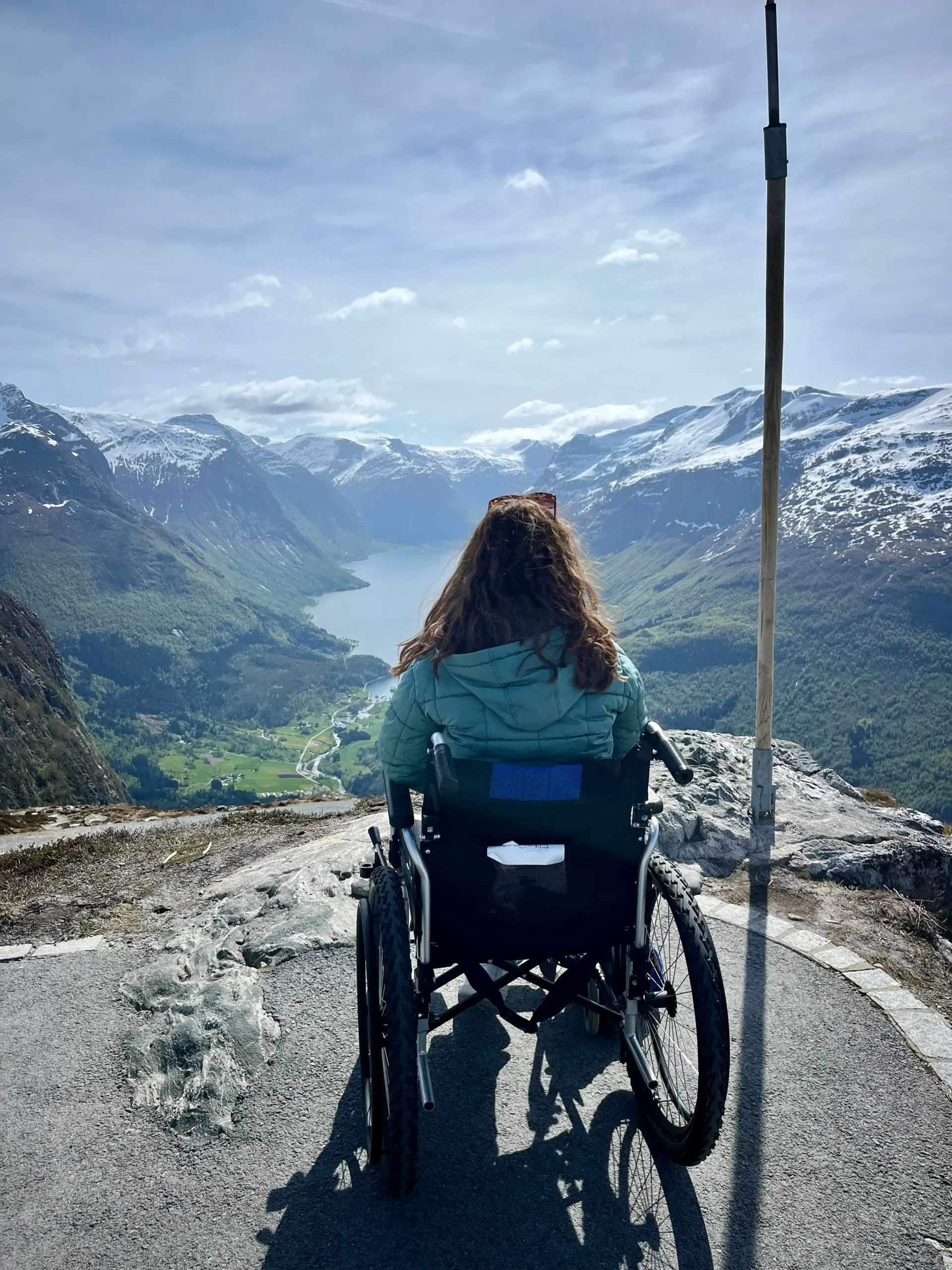
Cruising isn’t suitable for everybody with a chronic illness and I spent a tremendous amount of time fretting about this trip before I set off, but last year I was able to cruise around the Norwegian Fjords with my best friend. It worked really well for us, because I was able to explore different parts of such a vast and beautiful area, all while knowing that I always had a bed and a comfortable place to rest within reach on the cruise ship, and food that was safe for my dietary requirements. Even just having that peace of mind made it possible for me to really indulge in that experience, and also cover more ground than I ever would have been able to on foot or on wheels!

Preparing for travel
I’m a huge advocate for planning in advance – some might think what I do is overkill, but I’ve learned to enjoy this part of the process too! Before I travel I sit down with a cup of tea and do a *lot* of research on accessible things to do, allergy-friendly places to eat, and feasible ways of getting from A to B. Putting the time and effort into this in advance means there’s less cognitive load to contend with once the trip begins, leaving me more energy and brain-space to enjoy myself.
I also begin packing several days in advance, so I can pace myself and make sure I’m not over-exerting. I have a standard packing list that I print off my computer and just make small adaptations to depending on the trip – again, so I can relieve some of the cognitive pressure and take my time getting ready without worsening my pain or fatigue.
Finding accessible accommodation that meets my needs
One of the main things I look for when booking accommodation is an accessible room with twin beds – and they can be surprisingly difficult to find! I often travel with friends, and because of my sleep disorder, it’s much better for everybody involved if we have separate beds.
Often, I find I end up having to choose between an accessible room or a room with twin beds, rather than having both – I really hope to see this change in the future!
Balancing my needs with those of my travel companions
Learning how to communicate my access needs with others has been a crucial part of my chronic illness experience – especially when it comes to travel. I’m almost always travelling with non-disabled people, so even at the earliest booking stages I make sure they’re aware that I will need at least one full rest break per day, that I won’t necessarily be able to join in with all the things they want to do, and that there might be times when we need to be flexible with plans to work around my health conditions.
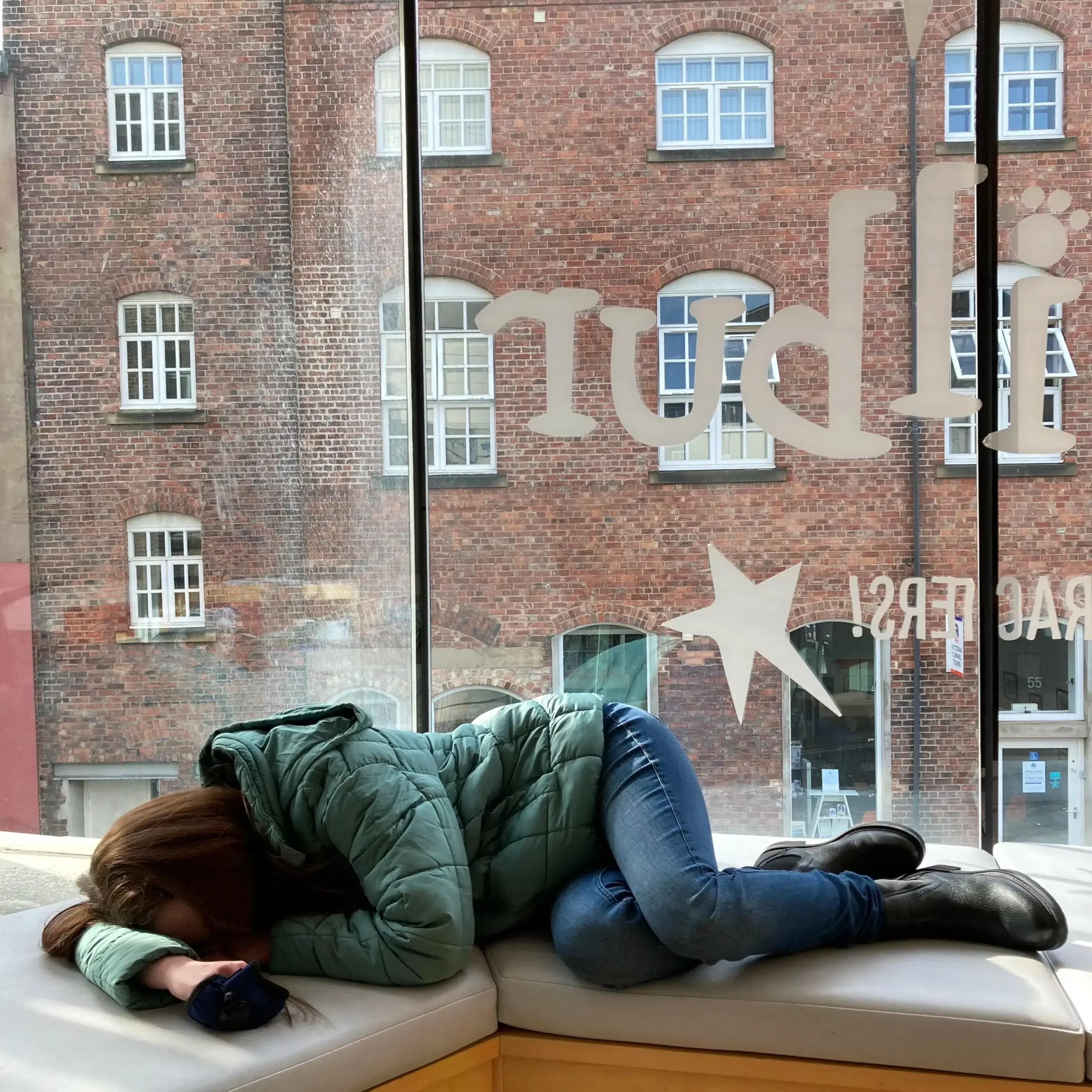
Having these conversations can feel difficult and uncomfortable at first, especially if you’re new to disability, but for me there’s simply no option not to – the only way I can safely enjoy a trip is if I’m able to pace myself. Over the years, with trial and error, my friends and I have found a good routine and rhythms that work for us. When I need to rest, they’ll either go out and do an activity that I’m not as interested in or isn’t accessible for me, or they will join me and have some rest/reading/phone doomscrolling moments of their own – it’s become affectionately known as ‘horizontal time’ among my friends!


When transport assistance goes wrong
In my experience, transport assistance is either brilliant or terrible – there doesn’t seem to be a middle ground! I’ve had many great experiences with wonderful staff (and I’m on first name terms and fully briefed on life updates for most of the staff in my local train station), but when things go wrong, it can be truly awful.
I’ve never been left on a train, but I’ve had many close calls where assistance I’ve booked hasn’t shown up at my destination and I’ve had to dangle an arm or leg precariously out of the doors to try and attract attention, or send another passenger to look for somebody to alert before the doors close. I’ve also had bus drivers whizz straight past me at the bus stop when they don’t want to stop and get the ramp out, been stuck in accessible ticket barrier gates, and found myself stranded on Metro stations abroad because the lift to pavement level has broken down. We shouldn’t have to contend with these things and I wish it weren’t the case, but by now I’m experienced enough to make sure I always conserve some energy for dealing with issues like these and problem-solving when I need to.
Finding places to rest while sightseeing
Most of the time I can only truly get restorative rest when I’m back at my accommodation and can lay down in a quiet room, but I’ve learned to scope out suitable places for mini-rests while I’m on the move too. Some attractions and venues have started implementing ‘quiet rooms’ which are wonderful spaces to retreat to, but sometimes even just a soft seating area or a peaceful corner will do the trick. I’m an ambulatory wheelchair user who
can walk short distances on a good day, and have been known to pop into clothing stores’ changing rooms and pull the curtains shut when I need an emergency sit-down and time out!
What I check before hiring mobility aids on holiday
If you’re hiring mobility aids for your trip, whether in your home country or overseas, always make sure you carefully research the company before committing to a purchase. Unfortunately, there are many scammy companies out there who try to take advantage of people, so it’s vital to check the website is legitimate and carefully read reviews before making a booking.
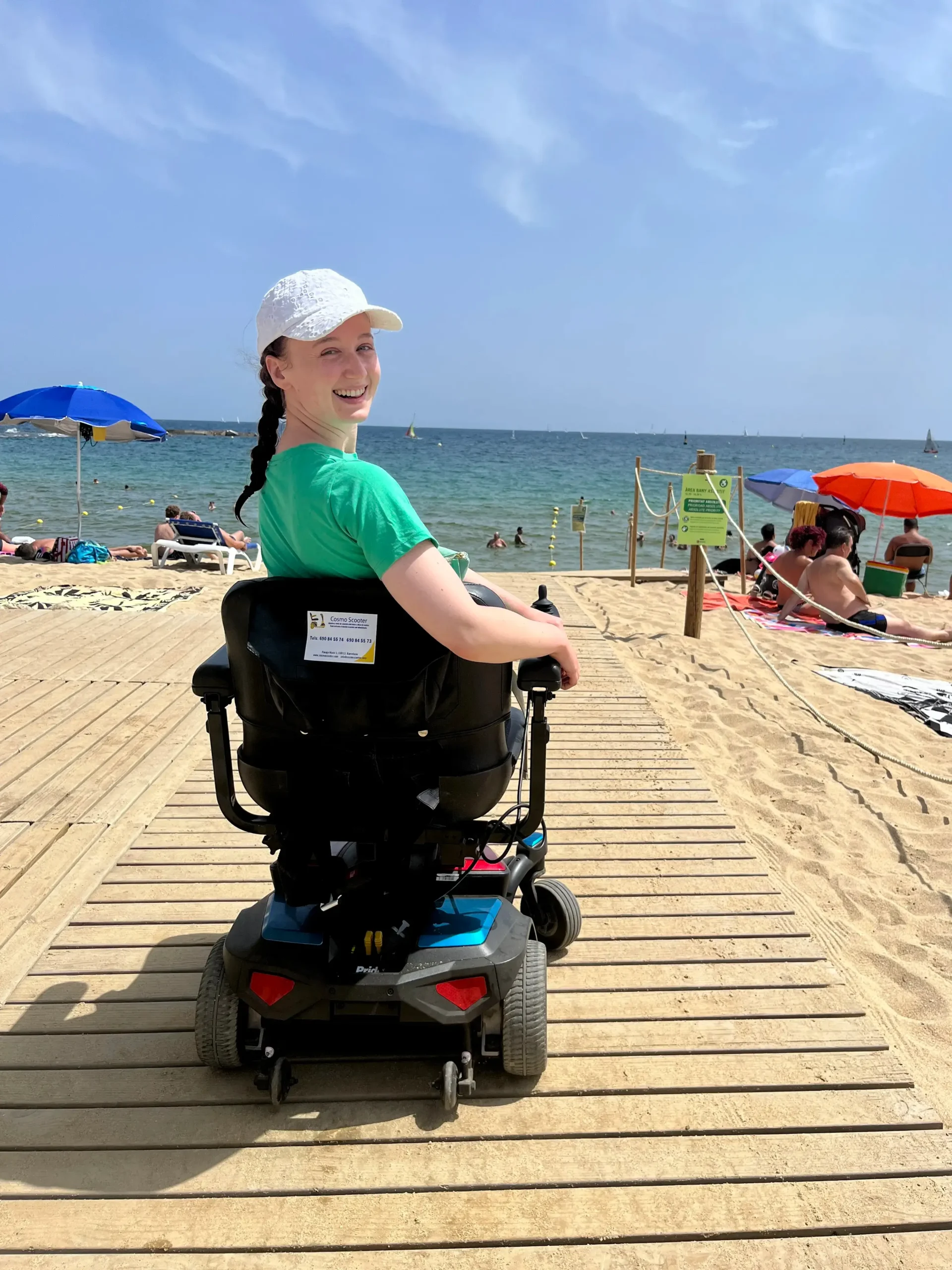
I’ve had some brilliant experiences of hiring a power-chair abroad rather than travelling with my own, and some companies can drop off and collect mobility aids directly to and from your accommodation to save hassle. My best advice is to make sure you have a phone number or point of contact with you at all times just in case you have any issues, and I always carry the battery charger around with me too.


Advice on exploring York at a more relaxed pace
If you’re looking for an accessible day out in York, this video takes you through some of my favourite things to do in the city!
York can get very busy during the weekends and school holidays, so I would always advise travelling on a weekday if possible. And if you want to see as much of the city as you can in a more restful way, hopping on a wheelchair accessible sightseeing bus (or boat!) is one of my top recommendations. You can listen to guided commentary and learn more about the history of the city, or just relax and take in the views if your brain and body is ready for a break.
Website: https://www.lifeofpippa.co.uk/
Pippa Stacey is an award-winning British author, speaker and content creator based in York, England. Living with ME/CFS, a chronic illness that affects her energy levels, she draws on her personal experiences to advocate for greater disability inclusion and accessibility. Through her platform, Life of Pippa, she shares insights into chronic illness, accessible travel and everyday life. An enthusiastic traveller, Pippa is passionate about exploring new places while finding ways to balance adventure with her health and energy needs. In this first-person account, Pippa shares how she navigates the challenges of accessible travel, manages her energy and continues exploring the world on her own terms.