


Listen to this Article
You have chosen the city, found a hotel and started imagining the trip. Then come the questions that can determine whether any of it will happen. Can you get from the airport to your accommodation? Will the room work for you? Can you reach the places you came to see and get back afterwards?
For a disabled traveller, these answers shape the holiday long before departure. An accessible museum means little if the journey there is uncertain. A room described as accessible still needs to suit the person sleeping in it. For disabled travellers, a city without limits would be a place where these practical concerns no longer determine whether they can visit or how much they can experience. Accessibility is what brings that possibility closer, connecting what a city has to offer with people’s ability to experience it fully.
So, can we eventually have cities without limits?
Jake Steinman’s answer begins with a distinction that makes the ambition more honest. The founder of TravelAbility believes cities can have fewer limits. But promising that every place will work for every person, overlooks the differences within disability itself.
Consider three wheelchair users. One can walk a few steps, another cannot walk at all, and a third needs a lift to transfer into bed. The same room could meet one traveller’s needs but leave another facing an impossible situation. The question, then, is this: How far can cities go in removing the barriers within their control, and what will it take to make that progress part of everyday life? Steinman describes accessibility as “a race without a finish line.” But, he adds, “there are a lot of starting lines.” Through TravelAbility, he helps destinations take those first steps and turn good intentions into progress that travellers can experience.
When he began TravelAbility in 2019, Steinman drew on longstanding industry relationships to conduct a listening tour. He spoke with approximately 50 people across hotels, attractions and destination organizations. He discovered that museums and attractions often approached accessibility through service, while hotels focused on compliance, concerned about lawsuits and mistakes. Destinations saw a potential market but were often unsure where to begin. These conversations helped Steinman understand the support each required, from practical guidance that could ease hotels’ fears to clear starting points for destinations ready to act.

TravelAbility gives destinations practical resources and a community to learn alongside. Through its playbooks, Destination Ally Club and summit, they can work through challenges, exchange ideas and connect with people who can help them move forward. Along the way, Steinman has broadened his understanding of who can be an ally. An ally, he has learned, can simply be someone willing to listen, learn and become involved. A sparsely attended accessibility session at a travel event might seem discouraging, but he sees potential in the people who chose to be there. Their curiosity is a starting point. Giving them guidance and support can help turn that initial interest into meaningful change for disabled travellers. Hearing directly from disabled travellers can then give that interest a deeper, more personal meaning.
He sees disabled content creators as essential because they can show what barriers mean in everyday travel. When organizers invite him to speak, Steinman would sometimes prefer them to hear from someone who has experienced those barriers firsthand. Their stories help explain how a trip that looks possible on paper can become difficult in practice.
Transportation brings that reality into focus. A traveller may find a suitable hotel and attractions they want to visit yet still struggle to get from the airport to their room or across the city. Each business may have made thoughtful accessibility provisions, but the traveller still has to be able to move from one place to the next.
Transportation therefore shapes how much of a city someone can experience. Reliable services and clear information give visitors the confidence to make plans, change them and return safely at the end of the day. Without those connections, a holiday may revolve around only the few places a person can access, leaving the experiences that drew them to the city still out of reach.
If cities without limits are the ambition, moving closer to that goal starts with a distinction Steinman makes between what destinations can control and what they can influence. A tourism organization cannot control how every transport operator or hotel operates, but its relationships with businesses, elected officials and community leaders can help bring the right people together to address gaps in a visitor’s journey. It can also help businesses provide clearer accessibility information, something Steinman sees as essential to giving travellers greater confidence in their decisions.
Consider a hotel website that describes a room simply as “accessible.” For someone who needs space beside the bed to transfer or a particular bathroom layout, that word leaves the most important questions unanswered. The traveller must then contact the property, ask for details and work out whether the room will meet their needs. In Steinman’s view, travellers have been left to become detectives.

A city begins to feel less limited when people can see how a visit could work for them. A detailed accessibility page helps make that possible. Steinman encourages destinations to bring useful information together, connect visitors with services such as airport assistance and make their websites usable with screen readers. That information also needs to be promoted so travellers know where to find it. Clear, honest descriptions give people the confidence to make their own decisions, opening up possibilities that uncertainty might otherwise have put beyond reach.
Steinman mentions Mesa, Tampa Bay, Oregon and North Alabama as some of the places that have invested in accessibility and information. He does not suggest they work perfectly for everyone, but he values the information that helps people understand what is possible for them.
Giving travellers that clarity is only one part of the progress. Understanding what still stands in the way begins with listening to the people who encounter a city’s barriers. Steinman sees community engagement as an important place to start. Even destinations short on money and staff can bring together organizations representing mobility, blind, deaf and sensory communities. His suggestion is simple: share a meal and create an informal setting for honest conversation, including the frustrations that may emerge. People who encounter these barriers may have lived with them for years without having a chance to discuss them with those in a position to help make changes. Moving towards a city without limits depends on whether those conversations lead to meaningful change. Those concerns should reach leadership and influence decisions, priorities and investment. People deserve to see evidence that speaking up has made a difference. Progress means returning to the table with fewer barriers to discuss, rather than having to raise the same ones again.
This is why his vision of a city without limits includes accessibility in its master plan. Someone must lead the work, with clear responsibilities for each department and an allocated accessibility budget. To understand whether accessibility is improving, destinations can assess how well their hotels, attractions and services accommodate disabled travellers. Steinman points to Wheel the World as a valuable partner in assessing and documenting accessibility across these experiences. Evidence of economic benefits and positive media coverage can help make the case for continued investment. The clearest evidence of progress is whether people can do things that were previously difficult or unavailable to them. And while those changes can transform a visitor’s experience, their impact is felt most consistently by the people who encounter the city every day.
For the people who call a city home, that progress can have an even deeper meaning. A visitor encounters these barriers only for a few days. For residents, however, living with them for years may mean organizing their lives around what is accessible, as places and experiences that once mattered become increasingly out of reach.
Steinman sees an opportunity for destinations to help residents with disabilities learn about the accessible experiences available close to home. Information gathered for visitors could help someone recognize possibilities in their own neighbourhood. A beach wheelchair, for example, might bring a visitor to the water for the first time. For a resident, it could mean returning to a shoreline they remember, joining a family outing or spending an afternoon somewhere they had stopped considering an option.
These experiences give the idea of a city without limits a significance beyond tourism. They affect how fully people can participate in the life around them, maintain relationships and continue doing things they value as their circumstances change. For residents, better accessibility can mean greater freedom every day: meeting friends, visiting a favourite place or joining a community event. A city moves closer to the vision of fewer limits when these ordinary choices become easier for more of the people who live there.

A city without limits would also recognize how much it matters to have a say in the shape of your own life. Having activities available does not necessarily mean having the freedom to choose how to spend your day. When that control is lost, the world a person can participate in becomes smaller, even while the city around them continues to grow.
Steinman saw how deeply that loss of choice could affect someone through his father’s experience. After moving him into an assisted living setting considered luxurious, he visited months later and found his father miserable. “I’m trapped, get me out of here,” his father told him. There was no shortage of comfort or activities, but they could not replace the independence he felt he had lost.
“Accessibility is all about independence and dignity,” Steinman says.
That conviction gives the vision of cities without limits its deeper purpose. A city cannot promise that every experience will suit everyone. It can, however, keep widening the possibilities for people to participate on their own terms. For visitors, that may change what a journey can hold. And for residents, it can change how fully they are able to live in the place they call home.
Can we eventually have cities without limits? Perhaps no city can fulfil that promise for everyone, but the question asks something essential of every destination: who is missing from the life of this place, and what stands in their way? Every barrier affects someone who might otherwise be sharing a meal, making a memory or returning to a place they love. Removing it can open up choices and experiences that were previously unavailable to them. That makes cities without limits an ambition worth pursuing, even when the work may have no finish line.
About Jake Steinman
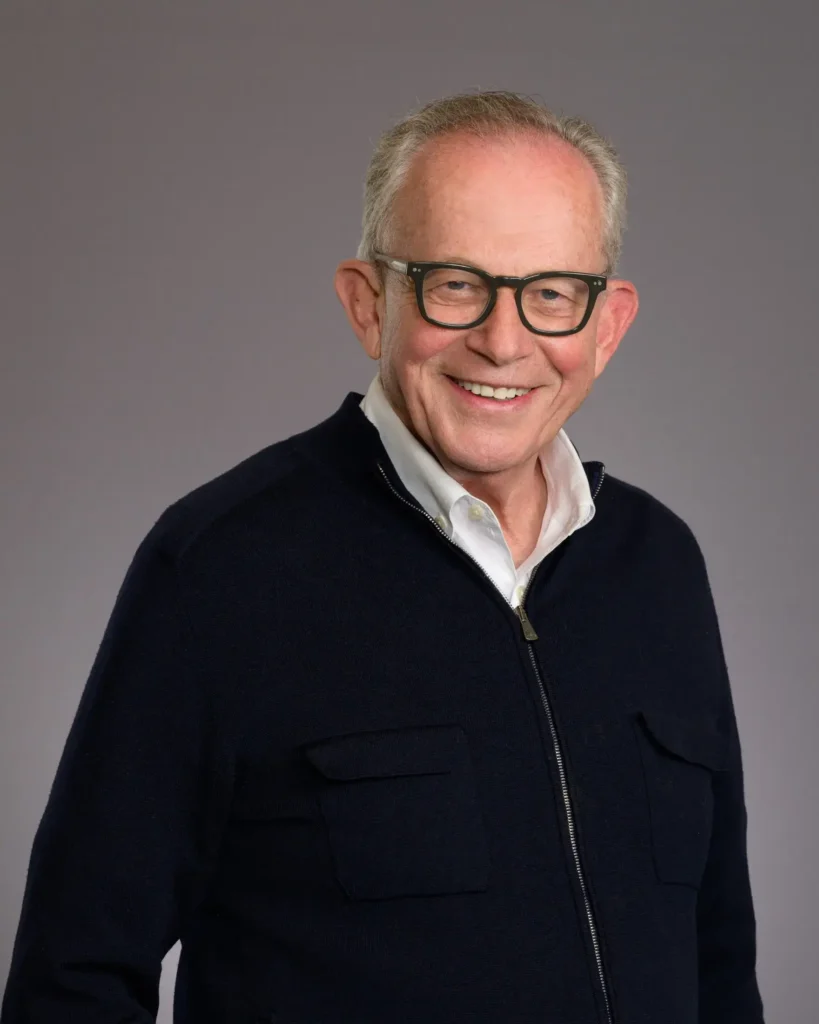
Jake Steinman is the founder and CEO of TravelAbility, a U.S.A-based organization working to advance accessibility across the travel and tourism industry. A journalist, publisher, consultant and entrepreneur with more than 30 years of experience in tourism, Steinman launched TravelAbility after recognizing a significant gap between the needs of disabled travellers and the information, services and experiences available to them.
Through the TravelAbility Summit and other industry initiatives, he brings together destinations, tourism organizations, accessibility advocates, disabled travellers and innovators to share knowledge and develop practical approaches to more inclusive travel. His work has encouraged destinations to move beyond minimum accessibility requirements and provide clearer, more useful information that gives travellers greater confidence and independence when planning their journeys.
Steinman was named one of Conde Nast Traveler’s Top People Making the World more Accessible in 2025.