
Listen to this Article
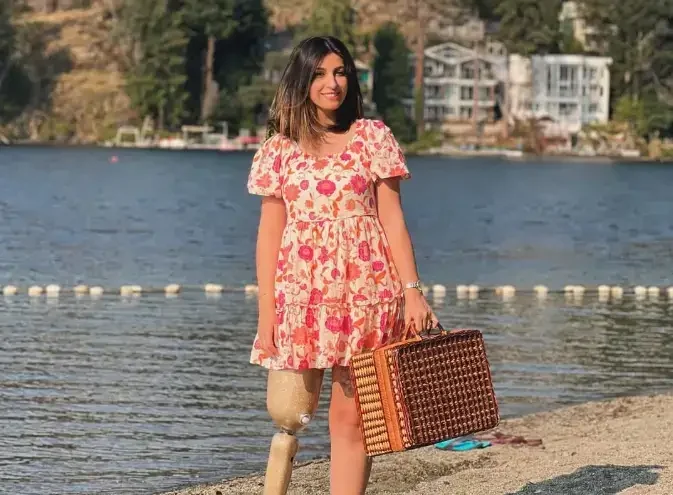
Travel has always been one of the most enriching parts of my life, a way to connect with cultures, people, and landscapes that expand how I see the world. Yet, for me, every trip also carries an additional layer of preparation and resilience. Living with a prosthetic limb means that each destination isn’t just about adventure; it’s about adaptation, resourcefulness, and courage.
When I began traveling again after my amputation, I discovered what accessible travel truly means. It’s not just about ramps, elevators, or special services. It’s about adapting to each new situation and finding ways to make travel work despite the challenges.
Over the years, I’ve developed my own set of personal rules, not from guidebooks, but from real experience. These are my essential tips for traveling with a prosthetic leg, though some may also help others with different types of disabilities.
- Plan Ahead
Planning is everything. Before every trip, I research accessibility features, and even the weather (humidity or heat can affect prosthetic comfort). I choose destinations that inspire me and respect my body’s limits. Being honest with myself about what I can handle ensures that my adventures stay joyful, not stressful. Planning ahead isn’t restrictive, it’s empowering. Very long walks aren’t for me, and steep uphills can be tough. That’s why I avoid destinations where the terrain demands constant climbing.
- Pack Smart
Your prosthesis isn’t just equipment; it’s part of you. So pack for it as carefully as you do for yourself. I always carry cleaning wipes and a spare liner, and extra socks to manage comfort throughout the day. Pro tip: keep all prosthetic essentials in your carry-on luggage. Losing a suitcase is inconvenient, but losing your liner in the middle of a trip can completely ruin your plans.
- Be Prepared for Airport Procedures
Airports are their own kind of adventure. Security checks can be time-consuming, so I always arrive early and let staff know about my prosthesis right away. Most agents are understanding. I also request wheelchair assistance for long walks between gates when needed. That’s not weakness, it’s smart energy management. Saving your energy during the journey (instead of exhausting yourself with unnecessary effort along the way) lets you enjoy the actual destination more.
- Bring Essential Documentation
I always carry my handicap parking permit and a disability identification card. Many countries honor international permits for accessible parking and priority access. Even when your disability is visible, having documentation can make a big difference. Most museums in Europe I visited were free, but in Ghent, Belgium, they asked to see a card!
- Plan Accessible Transportation
Accessible transport can make or break a trip, especially if you’re traveling solo. It’s good to research local transit in advance, for example, in Canada, HandyDART offers excellent paratransit service. Knowing your transportation options before you arrive eliminates a lot of anxiety.
- Food Awareness
What you eat can have a real effect on how your prosthesis fits. Avoid alcohol and salty foods, they can cause your stump to swell, making it hard to fit comfortably into the socket. Trust me, I learned this lesson the hard way in Mexico! Staying hydrated and maintaining a balanced diet keeps both your energy and your fit stable.
- Choose the Right Hotel
Never assume accessibility means the same thing everywhere. Always call ahead and ask specifically for an accessible room, one with a shower chair, grab bars, or step-free access. Asking clear questions before you book can save you from frustration later.
- Communicate with Your Travel Companions
I always travel with my husband, and he’s the best companion I could ask for, helping with planning, logistics, and everything in between. If you’re traveling with others, let them know about your physical needs and limitations. Speak openly and comfortably; you don’t have to suffer in silence or push yourself through pain just to keep up. Whether it’s avoiding long walks, taking breaks, or skipping stairs, honesty helps everyone enjoy the trip more. True companions, don’t mind adjusting the pace, they just want to share the experience with you.
- Stay Positive and Flexible
This might be the most important one. Traveling with a prosthesis teaches you patience and creativity. Things don’t always go as planned, sometimes a ramp is too steep, a cobblestone street too rough, or an “accessible” hotel isn’t quite what was promised. In those moments, flexibility is key. I’ve learned to always have backup plans, alternate routes, different attractions, or rest days. And I remind myself that travel isn’t about checking boxes; it’s about discovery. Even a detour can turn into a story worth telling.
Reflections on the Journey
The truth is, traveling with a prosthesis isn’t about being limited, it’s simply different. It asks for planning and foresight, but in return, it offers a deeper respect for my own resilience. Each trip that goes well feels like a quiet triumph, a reminder that I can adapt and accomplish more than I once believed.
Every place I visit teaches me something new: patience while waiting in long airport lines, gratitude for strangers who offer help, and the satisfying pride of moving through the world in a way that works for me.
Final Thought
If there’s one thing I want to share with others living with limb differences, it’s this: don’t let doubt stop you. The world is vast, imperfect, and at times challenging, yet it’s also wonderfully open to those willing to explore it in their own way. For us, travel isn’t about fighting disability; it’s about discovering possibility and making it our own.
