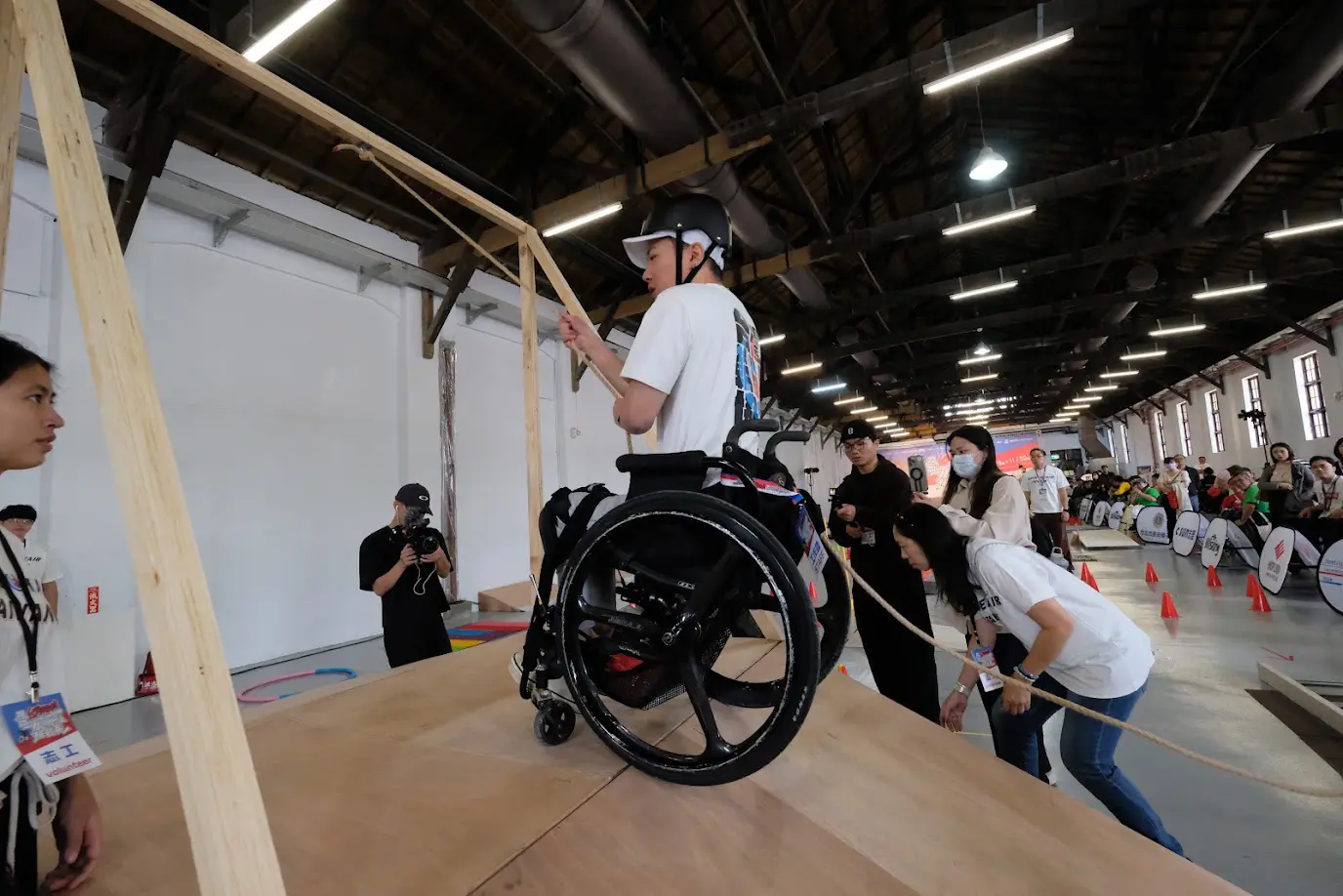
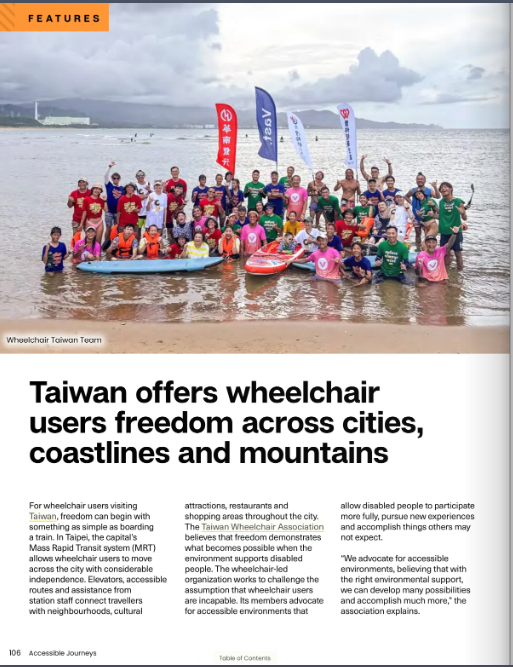

For wheelchair users visiting Taiwan, freedom can begin with something as simple as boarding a train. In Taipei, the capital’s Mass Rapid Transit system (MRT) allows wheelchair users to move across the city with considerable independence. Elevators, accessible routes and assistance from station staff connect travellers with neighbourhoods, cultural attractions, restaurants and shopping areas throughout the city. The Taiwan Wheelchair Association believes that freedom demonstrates what becomes possible when the environment supports disabled people. The wheelchair-led organization works to challenge the assumption that wheelchair users are incapable. Its members advocate for accessible environments that allow disabled people to participate more fully, pursue new experiences and accomplish things others may not expect.
“We advocate for accessible environments, believing that with the right environmental support, we can develop many possibilities and accomplish much more,” the association explains.
That message is central to how the organization wants international travellers to understand Taiwan. The island is not completely barrier-free, but it offers an appealing combination of accessible public transportation, changing landscapes and a culture known for its welcoming people.
Discovering Taipei with greater independence
Taipei is often the most practical starting point for wheelchair users travelling to Taiwan.
The city continues to improve accessibility through urban renewal projects, and its MRT system is one of its strongest features. Wheelchair users can be seen travelling throughout the network with confidence, using it to reach different parts of the city without relying entirely on private transportation.
A week in Taipei could easily be spent exploring neighbourhoods, cuisines, attractions and cultural experiences connected by the MRT. The network makes it possible to build flexible days, return to a hotel for rest and adjust plans without arranging a vehicle for every outing.
Accessibility at street level, however, can be less consistent. Many restaurants and smaller businesses may have steps, raised thresholds or entrances that are difficult to navigate. Not every establishment is accessible, although the association says there are still many wheelchair-friendly shops and places to eat.
Travellers may need to research restaurants in advance, examine entrance photos or contact businesses directly before visiting. Remaining flexible can also help, particularly in older neighbourhoods where buildings were not designed with wheelchair access in mind.
Travelling beyond the capital
One of Taiwan’s most appealing qualities is the variety of scenery visitors can experience within a relatively short period.
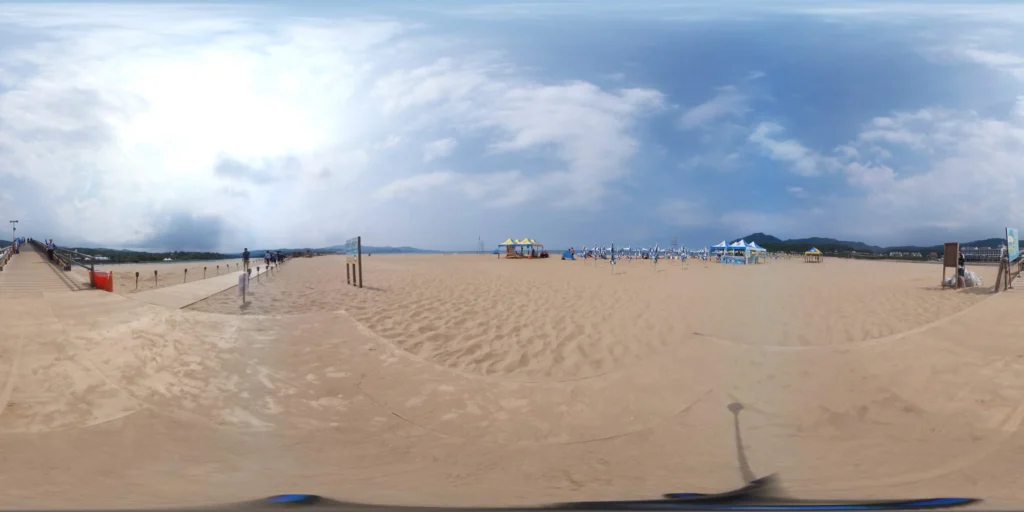
Taiwan is a small island, but its landscapes include dense cities, mountains, beaches, agricultural areas and dramatic stretches of coastline. Travellers can spend one day surrounded by mountain scenery and another looking across the ocean.
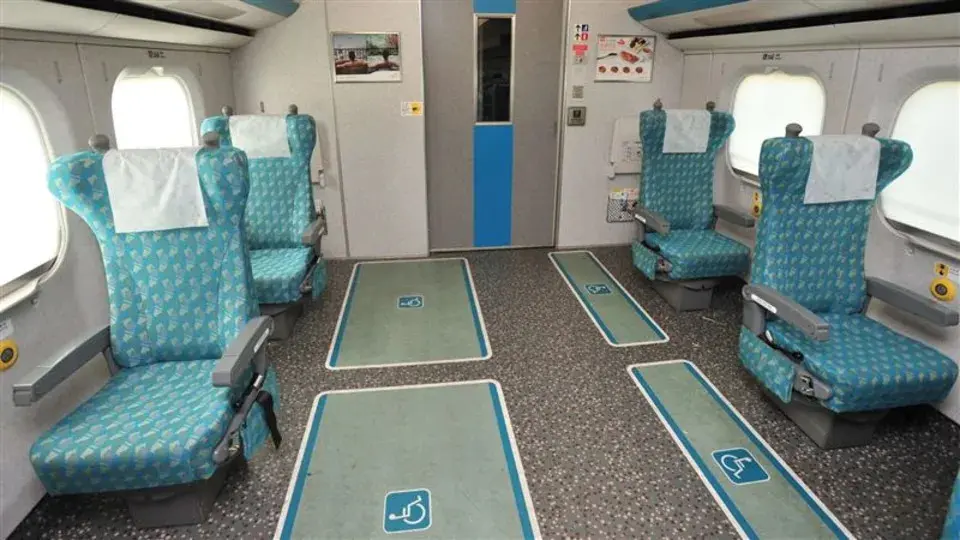
The railway system makes much of this movement possible. Trains travel around the island, while high-speed rail connects several major cities along the western corridor.
For wheelchair users, station staff can assist with navigating stations and boarding trains. Reserved-seat trains and high-speed rail services generally require advance booking, but the association says travellers should otherwise feel confident using the system.
“Station staff will attentively and carefully guide wheelchair users through the boarding process,” it says.
The experience may become more complicated when travellers leave major cities. Outside Taipei, accessible public transportation is not always as convenient or developed. Visiting rural regions may require accessible taxis, vans or locally operated welfare vehicles.
Destinations such as Yilan, Hualien, Taitung and Kenting can offer a slower pace, ocean views and greater proximity to nature, but wheelchair users may need to arrange transportation for each stage of the journey.
This contrast is important. Taiwan’s rail system may make it relatively easy to reach another city or region, but the final journey between a station, hotel and attraction can require additional planning.