
Listen to this Article
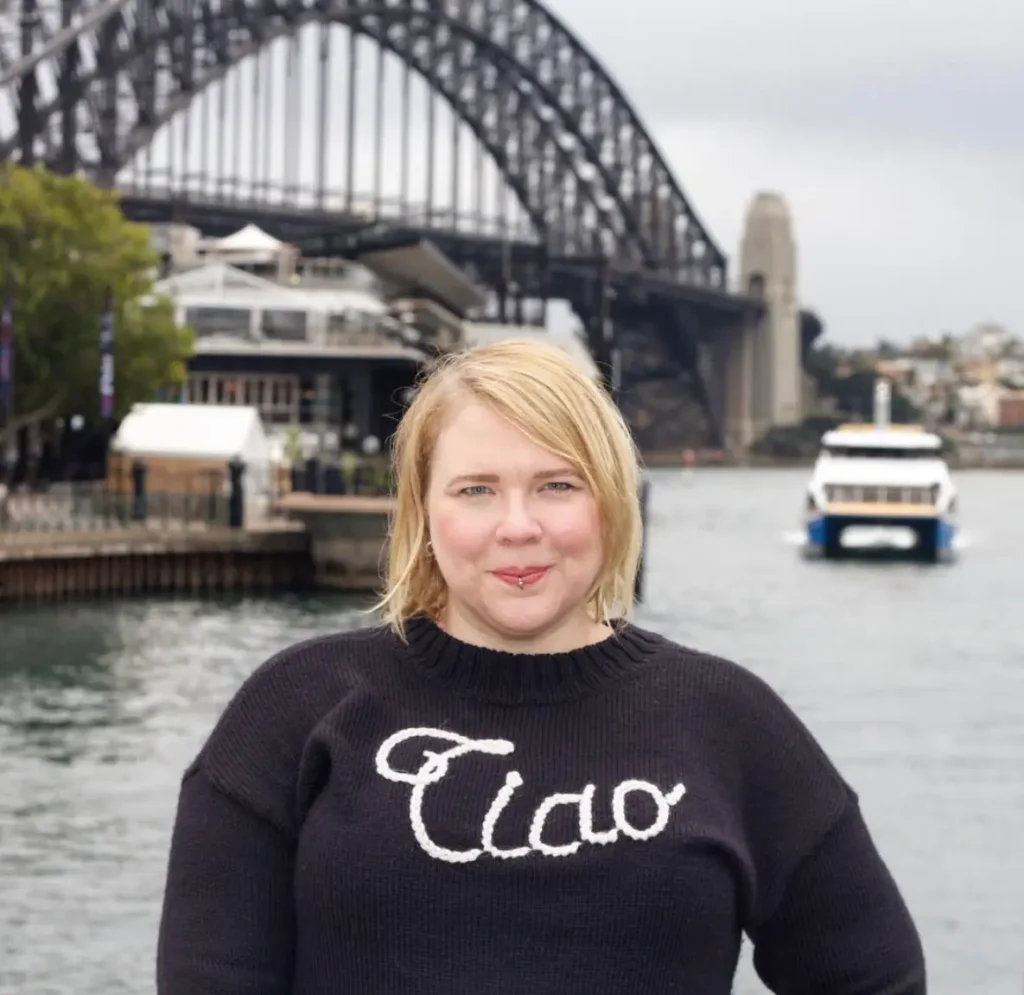
Jenn Lloyd has always wanted to see the world. Long before passports and plane tickets were realistic options, she was a child memorizing flags, capitals and country facts from an almanac, quietly building a mental map of places she hoped to reach one day. Travel fascination came early. The logistics arrived much later.
When Lloyd was diagnosed with Ehlers-Danlos syndrome, that lifelong interest shifted into action. She understood quickly that pain could increase over time and that mobility might change. Waiting for a perfect moment no longer made sense. Travel moved from a distant goal to something that needed to happen now.
Family history shaped that decision. Lloyd watched her mother and grandmother live with undiagnosed Ehlers-Danlos syndrome, both labelled as fibromyalgia at the time. As they aged, pain increased and mobility aids became necessary. When Lloyd received her diagnosis, the family history finally made sense. Seeing that future clearly brought urgency. Certain destinations would be easier earlier in life. Others might become inaccessible later. That reality pushed her forward.
Today, Lloyd has visited 39 countries and continues to travel frequently, often on her own. That approach has led to lasting friendships around the world that she still maintains years later. Solo travel works for her. It allows flexibility and removes the need to repeatedly explain access needs to strangers. Friends and family join when they can, knowing that pacing matters and that rest days are sometimes required. Group travel with unfamiliar people holds less appeal, largely because explaining accessibility needs can become exhausting.
SickGirlTravels.com began out of practicality. As Lloyd travelled more, questions followed. Friends and coworkers wanted details: how did she get from point A to point B, where did she stay, what worked, what failed. Instead of replying to countless emails, she created a website that could hold everything she had learned. SickGirlTravels.com became a central place for itineraries, access notes and firsthand experiences. Over time it grew into a resource used by travellers with disabilities, older adults and anyone planning with access in mind.
Lloyd’s background as a television writer and comedy producer shapes the tone of her work. She writes with humour and does not hide when things go wrong. In fact those moments often become her most popular posts. Readers respond to honesty, especially when travel does not unfold as planned.
One story from Belize illustrates that approach clearly. Lloyd planned to go cave tubing, expecting a calm float down a river. Heavy rain cancelled the trip. Zip lining was offered as an alternative. Adventure activities are not her preference, but after the long drive she agreed On the second line the brakes failed, sending her into a tree and shattering her ankle. The situation worsened quickly. The only way down required completing the course. In pain and rain, she boarded another line, braked too early and ended up suspended above the jungle canopy. Guides had to crawl out and pull her to safety. There was no nearby hospital. Lloyd flew home the next day to receive treatment.
That experience reshaped how she plans travel. Medical access now plays a central role in every decision. She asks how long it would take to reach care if something goes wrong and whether that care is accessible. Remote destinations now require more consideration. The story also became a lesson she could share, helping others avoid similar risks.
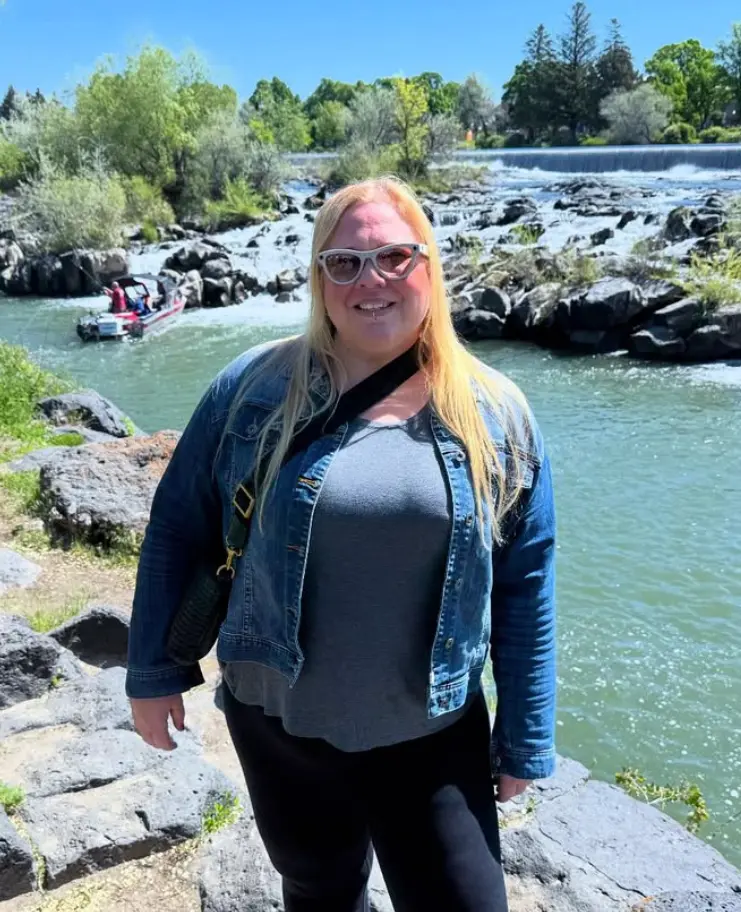
Accessibility challenges differ by destination and activity. Lloyd loves snorkeling because it eases joint pain, yet reaching beaches can be difficult due to sand, hills and long access routes. In Hawaii she researched adaptive snorkeling programs and discovered experiences designed for paraplegics and others with mobility limitations. Sharing those options became part of her Hawaii guides. Research leads to possibility, and possibility leads to confidence.
Pacing remains central to Lloyd’s approach. She plans with flexibility and honesty. One demanding day can cost several recovery days. She looks for tours and tickets with refundable policies and avoids rigid schedules. Weather changes, fatigue and pain all factor into decisions. Rest days might involve hotel amenities, watching movies or simply staying in bed. That choice protects the remainder of the trip.
When evaluating destinations, Lloyd looks beyond wheelchair symbols. She checks for sensory kits, quiet museum hours, induction loops, audio tours, large print guides and Braille. Accessibility extends far beyond mobility. Her advocacy reflects that broader understanding.
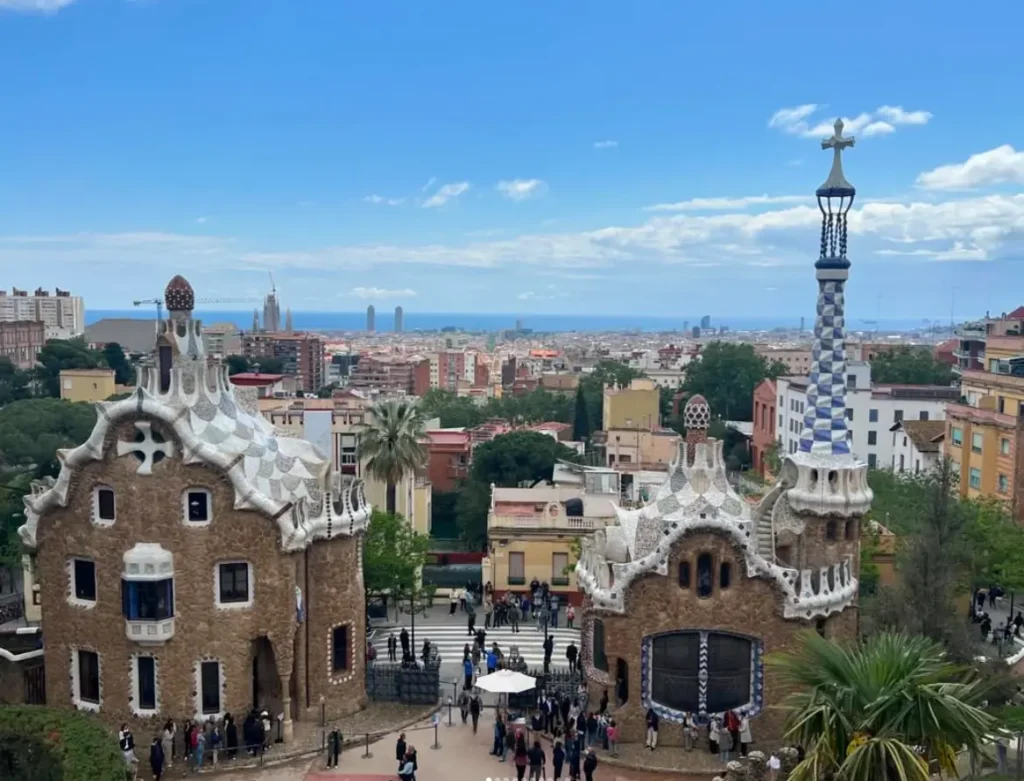
Some cities stand out consistently. Barcelona and London meet her expectations across transportation, attractions and accommodation. Reliable transit systems and accessible major sites make both cities workable for many travellers. Thoughtful planning appears at multiple levels rather than in isolated features.
Misconceptions persist around disabled travel. Some assume extensive travel is unrealistic or impossible. Lloyd challenges that assumption carefully. She emphasizes that her experiences will not mirror everyone else’s and that limits exist. Still options continue to expand. Cruises provide controlled environments with strong access features. Cities continue to improve infrastructure. Even historically difficult destinations are making progress. Athens added an elevator to the Acropolis after years of debate. Change happens slowly but it happens.
Lloyd’s planning advice reflects lived experience. Make detailed lists. Carry mobility aids even if you hope not to use them. Bring prescription documentation and a doctor’s letter. Keep medications organized and consider working with travel agents who specialize in disability travel. Ask questions early and prepare thoroughly.
Her favourite destinations reflect range and curiosity. Cape Town stands out for affordability, ease of hiring drivers and accessible safari experiences. Antarctica impressed her through cruise-based viewing that does not require stepping onto land. Barcelona remains a repeat recommendation for food, infrastructure and thoughtful access.
Not every destination makes the return list. Andorra felt like a duty-free centre without much else to offer. Houston proved hot and uncomfortable. Macau resembled Las Vegas, something she already lives near. These opinions reflect personal experience rather than accessibility concerns.
SickGirlTravels.com continues to evolve. Lloyd plans to expand into video content to show terrain, streetscapes and real-world movement. Seeing access challenges can build confidence that text alone cannot. Her upcoming trips include Paris, London and Luxembourg.
When asked what she hopes readers take away, Lloyd keeps it simple. Stay curious. Remain interested in the world. Accessibility is improving and possibilities continue to grow. With planning, flexibility and honesty, travel remains within reach for many.
And if you wonder what she brings home from each trip, look in the kitchen. Mugs from every country fill the cupboards. When space ran out, magnets took over the fridge. Travel memories sometimes arrive quietly, woven into everyday routines, waiting to spark the next plan.