
Listen to this Article
At Arenal Volcano National Park in Costa Rica, nature offers its own kind of renewal through rainforest sounds, fresh mountain air, abundant wildlife, mineral-rich hot springs and peaceful surroundings. While the national park itself presents accessibility challenges, the surrounding Arenal region offers opportunities for many travellers with disabilities to enjoy a restorative getaway.
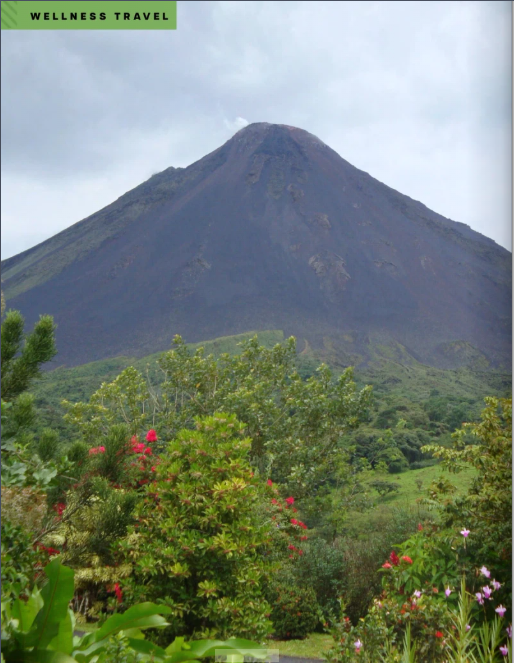
The towering Arenal Volcano rises above one of Costa Rica’s most celebrated natural landscapes. Although the volcano has been in a resting phase since 2010, its presence continues to shape the region, creating lush rainforest, lava fields and the geothermal activity that feeds its famous hot springs.
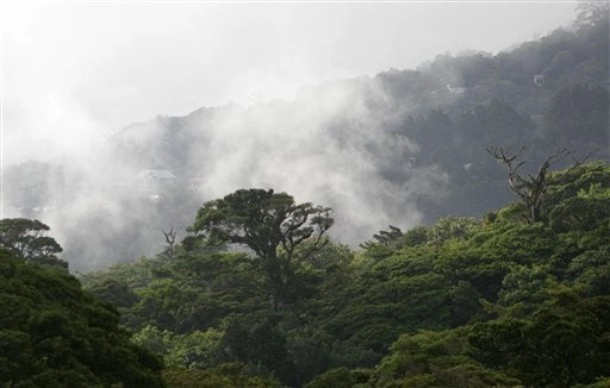
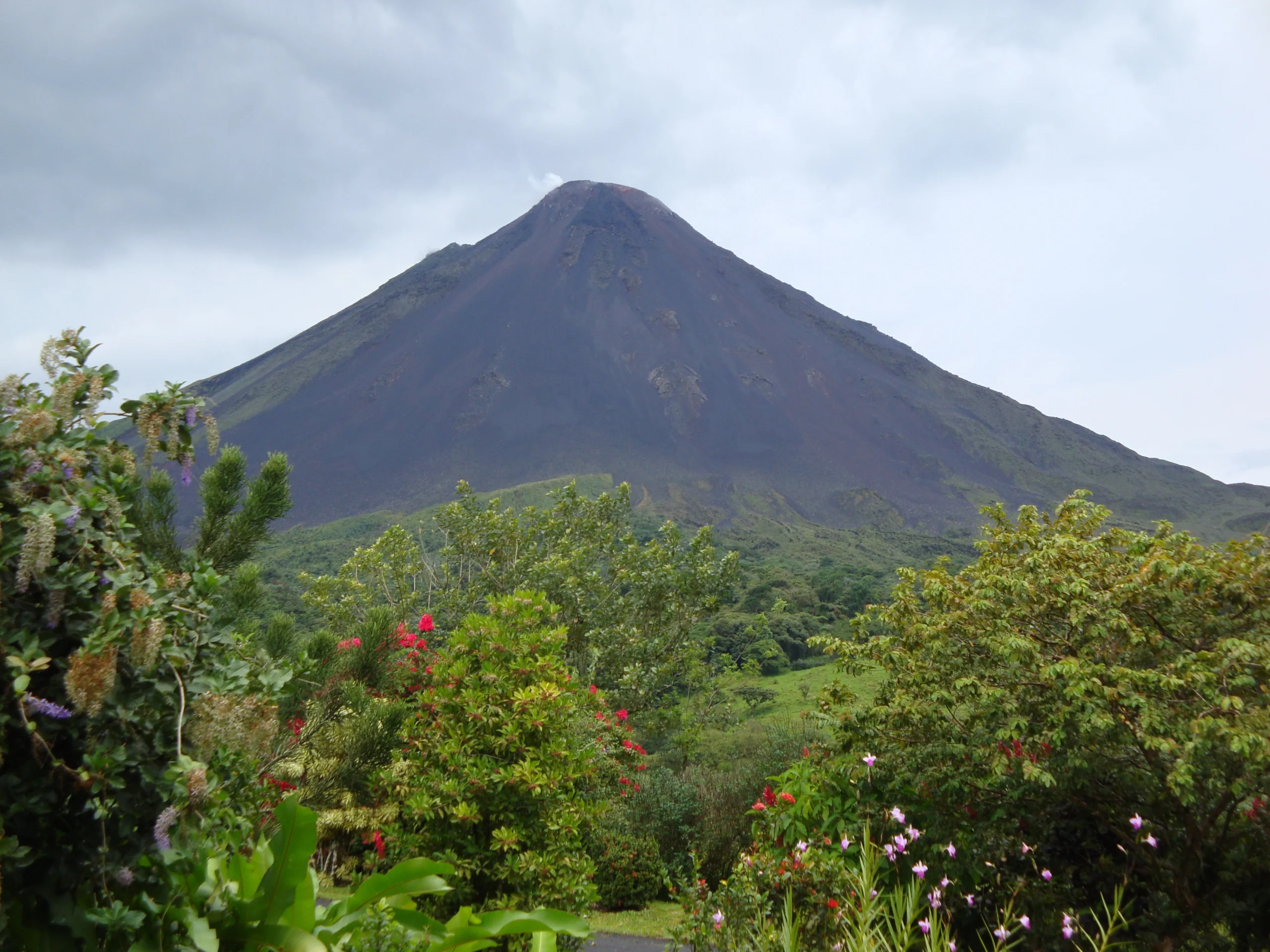
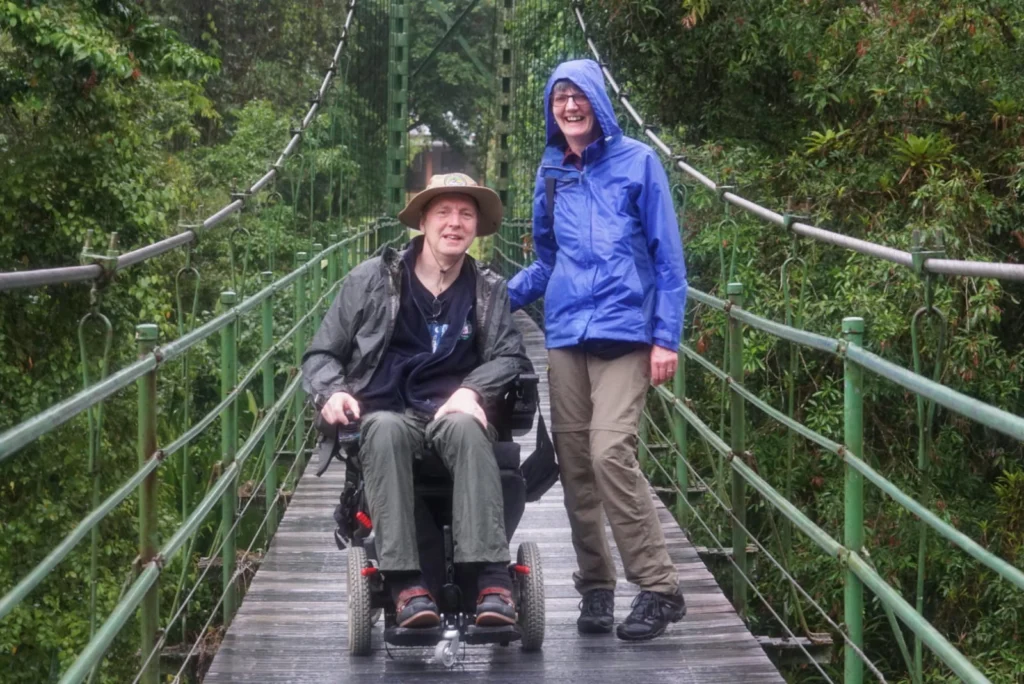
For travellers with mobility disabilities, it is important to understand that many of the official trails inside Arenal Volcano National Park are not wheelchair accessible. Uneven volcanic rock, exposed tree roots, natural surfaces, steps and steep grades make much of the trail network difficult to navigate. Heavy rainfall, common throughout the year, can also leave paths muddy and slippery.
Fortunately, experiencing the beauty of Arenal does not depend on completing a strenuous hike. Several viewpoints around the park and throughout the surrounding region allow visitors to appreciate the volcano’s dramatic scenery without venturing onto challenging trails. Nearby private nature attractions may also offer paved walkways, boardwalks or accessible viewing areas, although accessibility varies from property to property.
One of Arenal’s greatest wellness experiences is its natural hot springs. Heated by the volcano’s geothermal activity, these mineral-rich waters have become a signature attraction. Accessibility differs among resorts, so travellers should confirm features such as step-free routes, accessible guest rooms, changing facilities and pool access before booking.
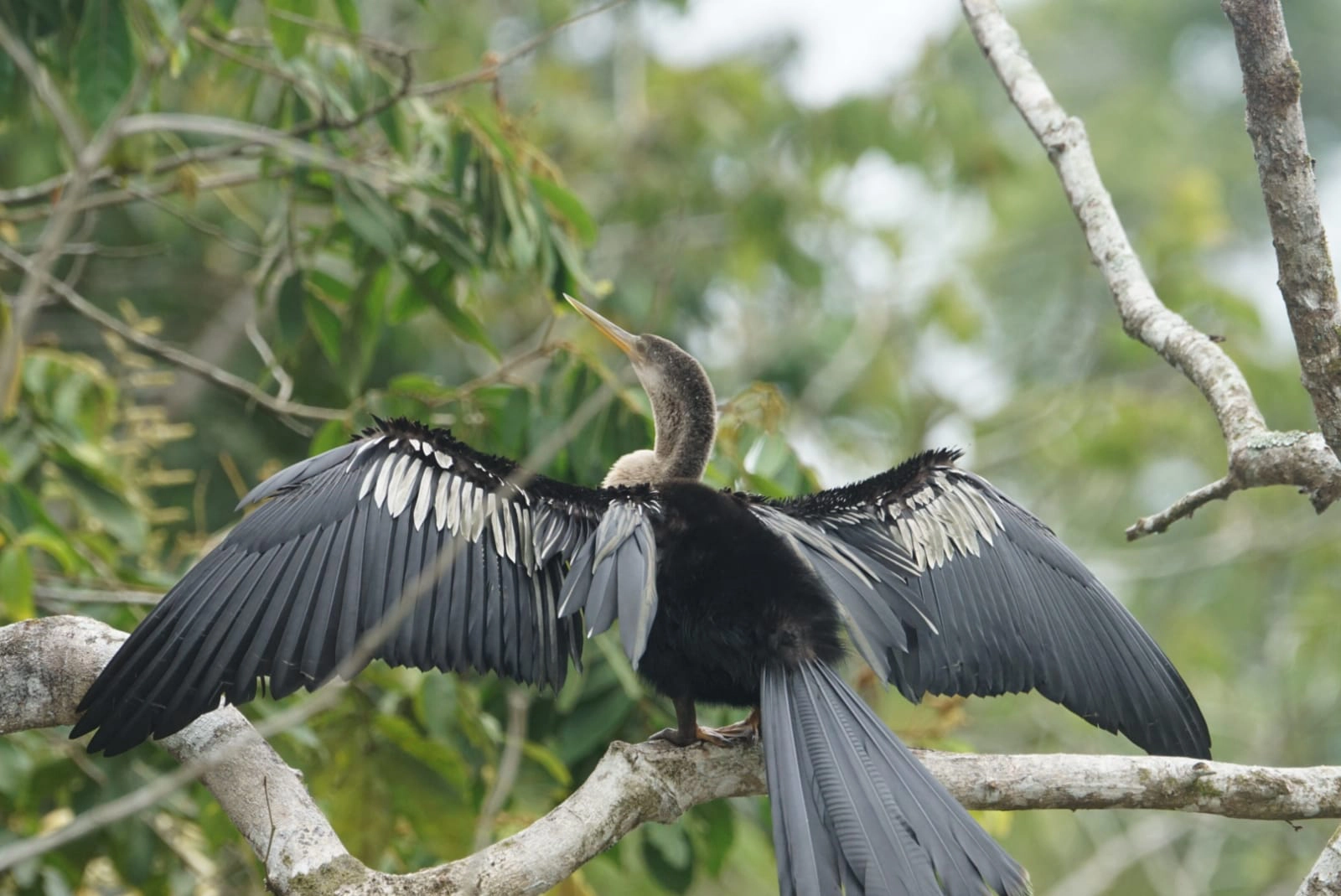
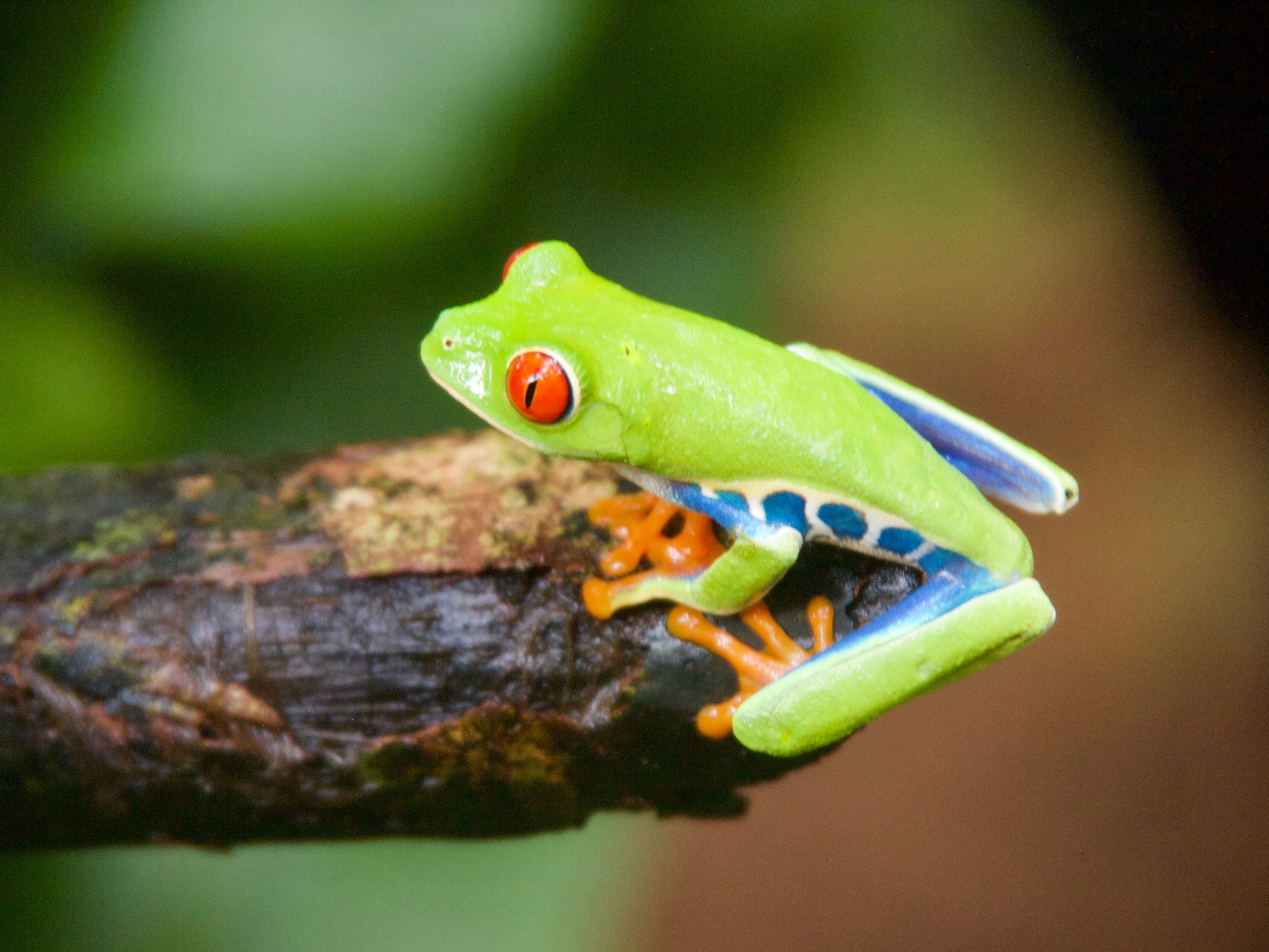
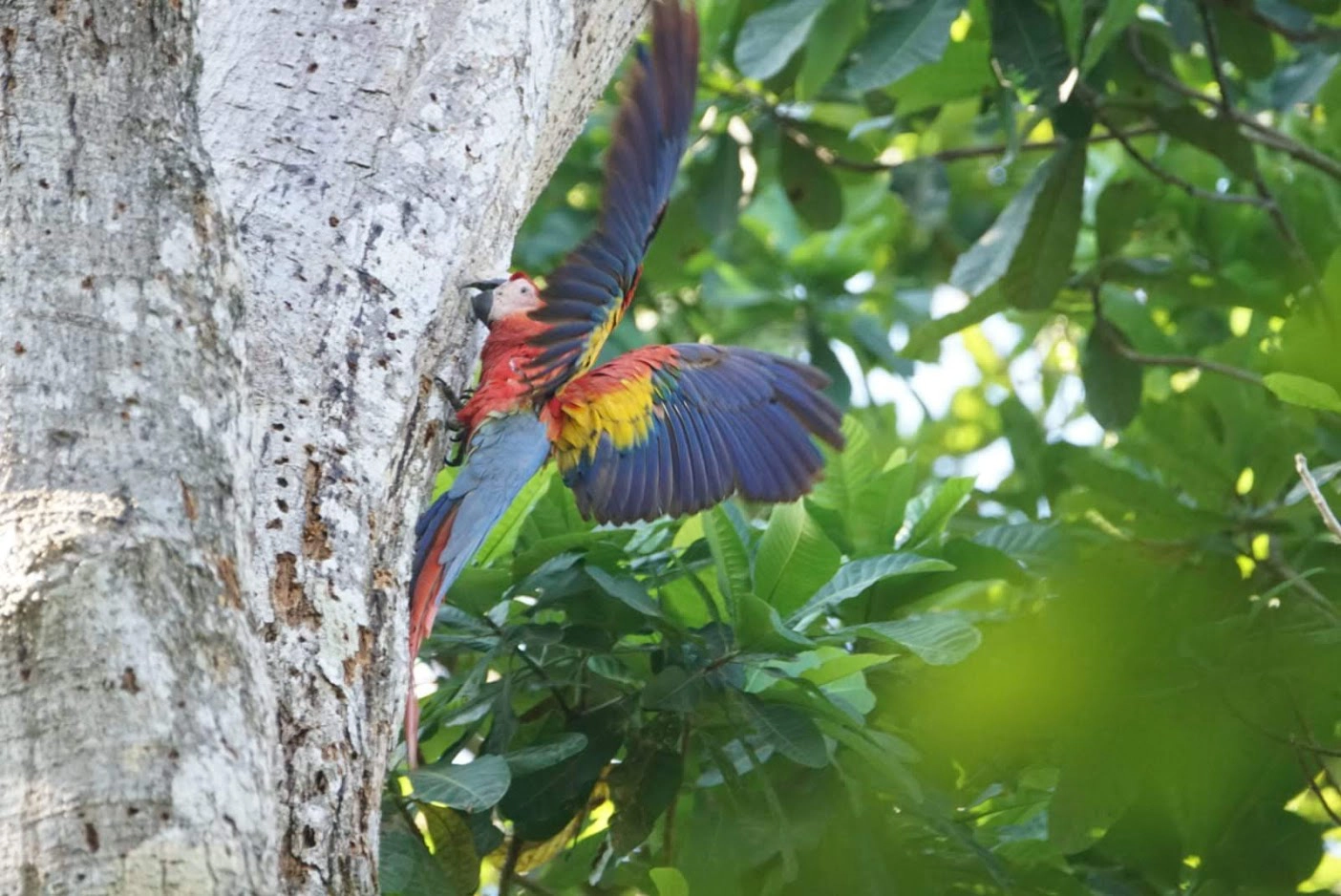
Wildlife is another reason many people visit Arenal. Sloths, monkeys, toucans, parrots and countless tropical birds thrive in the surrounding rainforest. Guided wildlife tours can often be adapted for visitors with different mobility or sensory needs, particularly when operators are contacted in advance to discuss individual requirements.
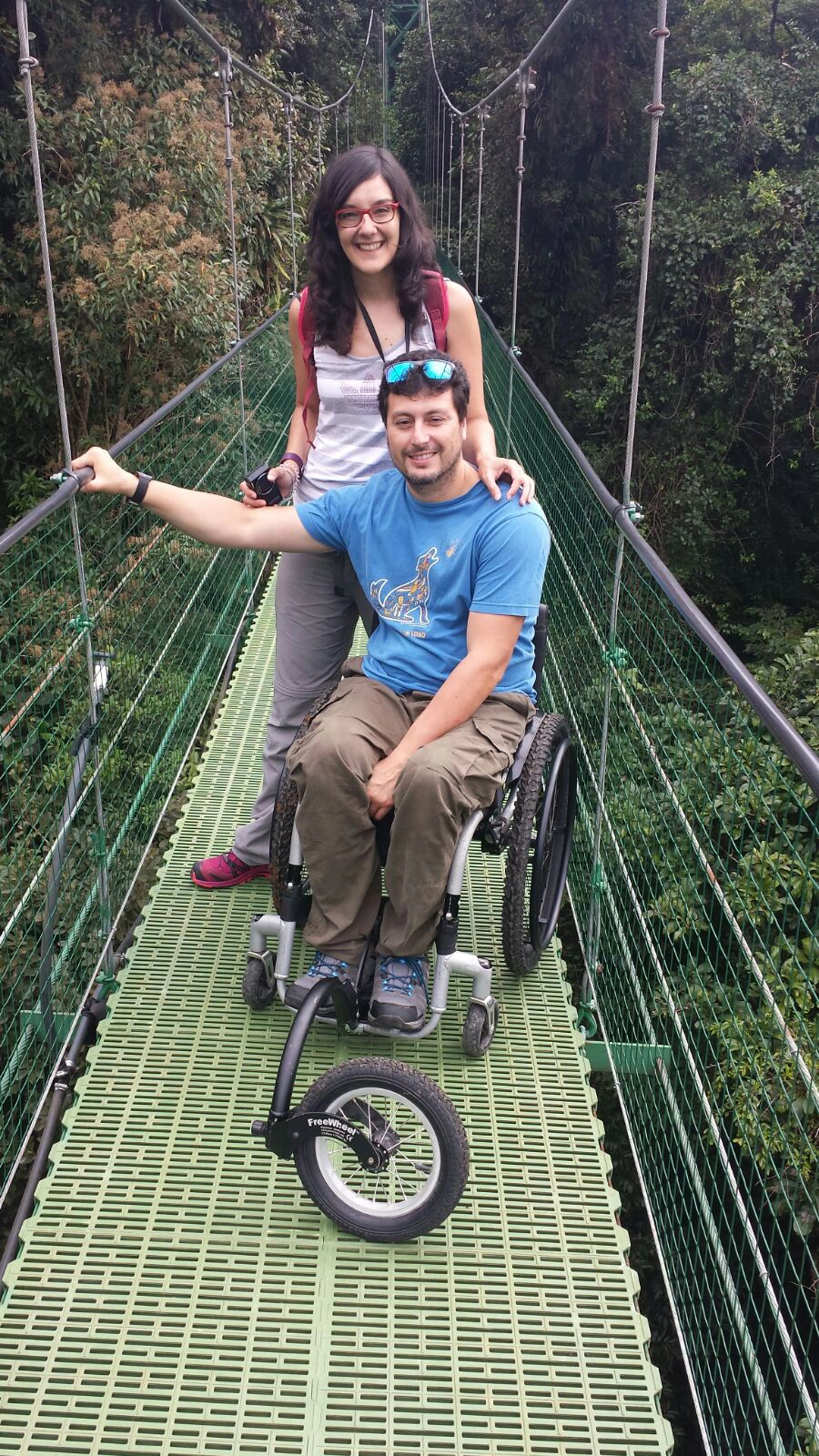
Accessible transportation is available through some private providers but should be reserved well before arrival. Travellers should also ask detailed questions about accessible parking, washrooms, pathway surfaces and transfer equipment to ensure attractions meet their individual needs.
Arenal Volcano National Park may not be one of Costa Rica’s most accessible hiking destinations, but it offers something equally valuable: the opportunity to reconnect with nature at your own pace. From soaking in warm mineral waters to watching birds from an accessible viewpoint or simply taking in the volcano’s remarkable landscape, the Arenal region reminds us that wellness is not measured by how far we travel on a trail, but by how deeply we connect with the places we visit.
Photos courtesy of II VIAGGIO TRAVEL.