
Listen to this Article
Travel as a reset
A change of place can do powerful things. New surroundings, different routines, fresh air, gentle movement, good food and time away from the usual demands of daily life can help the mind and body reset.
For some disabled travellers, travel can also build confidence. It can create space to practise independence, make choices, meet people and move through the world in a way that may not always feel easy at home. Research has linked travel and leisure experiences for people with disabilities to improved self-esteem, communication and social skills.
That does not mean travel magically fixes anything. It means the right trip, planned with care, can offer room to breathe, explore and feel capable.
Wellness is not one thing
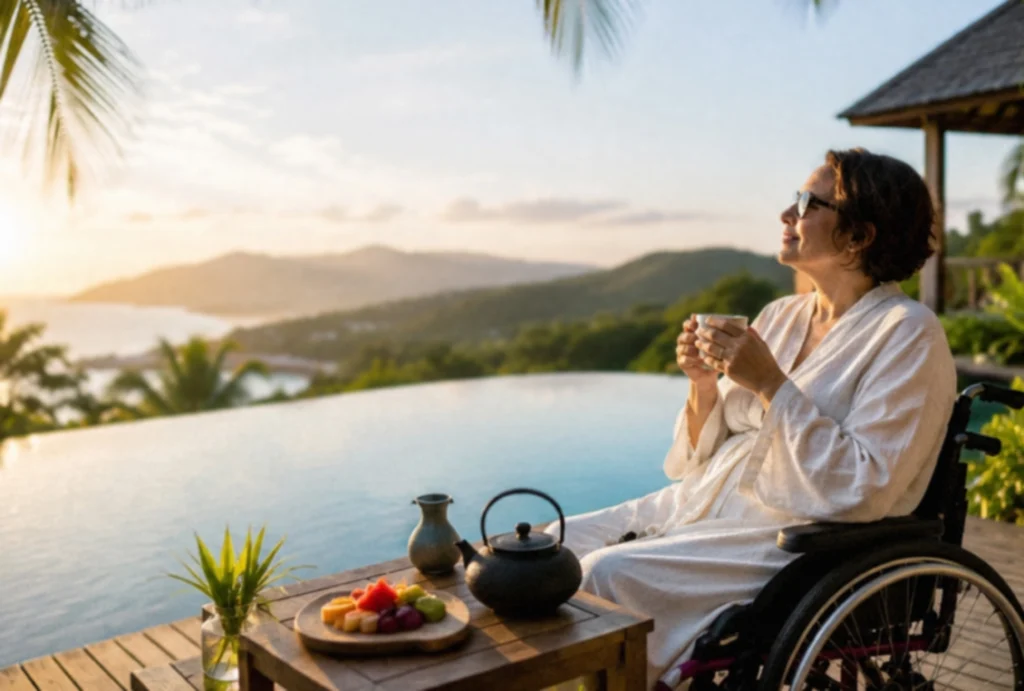
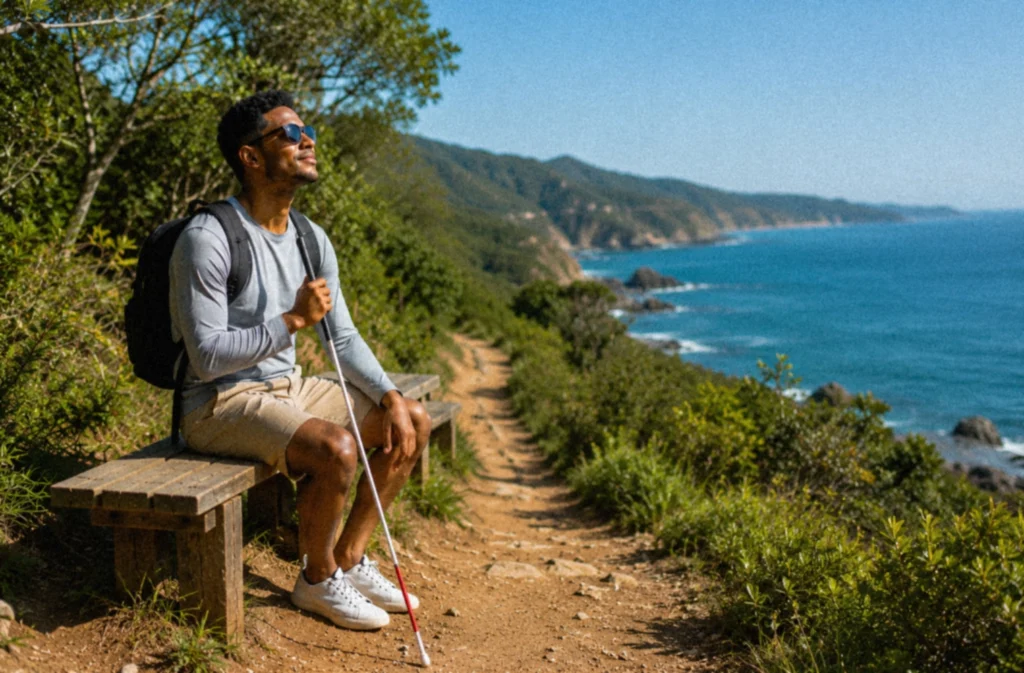
For one traveller, wellness might be a spa with accessible treatment rooms. For another, it might be a quiet cabin, a beach wheelchair, an adaptive hike, a slow morning, a sensory-friendly museum or simply a hotel room where the bathroom works without negotiation.
This is why accessible wellness travel matters. It recognizes that rest looks different for different people. Some people need silence, some need support, some need flexible pacing while some need step-free access, nearby seating, clear information, refrigeration for medication or a schedule that allows for fatigue.
Wellness is not always about doing more. Sometimes it is about not having to fight so hard to enjoy what is already there.
The freedom factor
One of the biggest benefits of accessible wellness travel is freedom. Freedom to choose, to participate. Freedom to be spontaneous, or at least as spontaneous as travel planning with access needs allows.
When a destination gets accessibility right, the traveller is not forced to spend the entire trip asking, adjusting, explaining or apologizing. They can focus on the experience itself.
That freedom is closely tied to dignity. Accessible travel is not a favour. Participation in recreation, leisure and cultural life is protected under Article 30 of the United Nations Convention on the Rights of Persons with Disabilities. In simple terms, disabled people have the right to take part in travel, culture and community life too.
Connection counts
Wellness travel can also be social. It can bring families together, give caregivers a break from the usual routine and create shared memories that are not centred on appointments, logistics or limitations.
For people who may experience isolation, a well-planned trip can offer connection. That might come through meeting other travellers, joining an accessible group experience or simply being in a place where access has been thought through in advance.
There is something deeply affirming about being expected, included and welcomed without having to make a case for your needs.
Planning is part of the wellness
Of course, none of this happens by accident. Accessible wellness travel depends on planning, clear information and honest communication from hotels, retreats, tour operators and destinations.
Travellers may need to ask detailed questions before booking. Is the entrance step-free? Are treatment rooms accessible? Is there space beside the bed? Are there quiet areas? How far is the walk from reception to the room? Can mobility equipment be charged safely? Is accessible transportation available?
These questions are not about you being fussy. They are the foundation of a trip that can actually feel restorative. When the planning is done well, the traveller gets to spend less energy managing uncertainty and more energy enjoying the experience.
A better kind of escape
The best wellness travel does not promise perfection. It offers thoughtfulness, makes room for different bodies, different minds and different ways of moving through the world.
For people with disabilities, that can turn a trip into something more than a break. It can become a reminder of possibility, a way to reconnect with confidence, joy and the simple pleasure of being somewhere that works.
And really, that may be the most meaningful kind of wellness there is.