
Listen to this Article
One of the most restorative elements of wellness is also one of the simplest. Water.
Travel is often associated with discovering new places, but it can also be a way to restore the body and mind. For many people, that journey leads to water. A mineral spring tucked into the mountains, a warm hydrotherapy pool, a quiet lake at sunrise or the steady rhythm of waves along the shore can all become the reason for the trip itself. Travelling to water is, for many people, a form of wellness travel.
People have travelled to water for centuries. Long before the modern spa industry, communities gathered around thermal springs, healing baths, rivers and coastlines seeking comfort, recovery and renewal. While today’s wellness travel includes luxury resorts and retreat centres, some of its most meaningful experiences remain remarkably simple. Sitting beside a lake, floating in warm water or watching the tide come in can create moments of calm and restoration. These experiences invite travellers to slow down, breathe more deeply and reconnect with themselves in ways that sightseeing alone often cannot.
For disabled travellers, seniors and people living with chronic illness, the appeal of water extends well beyond relaxation. Water can create opportunities to move, exercise, explore and participate in ways that feel easier and more comfortable than on land. Destinations with accessible beaches, therapeutic pools or hot springs create spaces where travel can support physical and emotional wellbeing.
For many people with mobility disabilities, chronic pain or arthritis, warm water offers something that land cannot. Buoyancy supports the body’s weight, reducing pressure on joints and allowing movements that may be difficult or painful on land. A gentle swim or session in a warm hydrotherapy pool can increase flexibility, support circulation and provide low-impact exercise without placing the same strain on the body.
That is one reason hydrotherapy has become part of many rehabilitation and wellness programmes. Accessible pools with lifts, sloped entries or transfer systems allow more people to experience these benefits independently or with minimal assistance. Some hotels, rehabilitation centres and wellness resorts now include accessible aquatic facilities, making it easier for travellers to continue therapeutic routines or simply enjoy the comfort of warm water while away from home.
Natural hot springs add another dimension to wellness travel. Across the world, travellers make special journeys to geothermal pools because of their warmth, tranquillity and unique surroundings. While scientific evidence varies regarding the health benefits of naturally occurring minerals, many people find that soaking in warm water helps ease muscle tension, promotes relaxation and provides welcome relief after long days of travel.
Some accessible hot spring experiences include:
- Blue Lagoon,Iceland – This renowned geothermal lagoon combines warm, mineral-rich water with wheelchair-accessible facilities, including specially designed aquatic wheelchairs, accessible changing space, elevators and electric door openers.
- Earth Lagoon Mývatn,Iceland – Set amid the volcanic landscapes of northern Iceland, this geothermal bathing experience includes a lagoon, steam baths and wellness facilities designed around the area’s naturally heated water. The lagoon is wheelchair accessible, with a wheelchair available to assist guests between the shower facilities and the lagoon. Visitors should still confirm current accessibility details before booking.
- Banff Upper Hot Springs, Banff National Park, Canada– these historic hot springs pair warm mineral water with Rocky Mountain views. Accessible parking, drop-off areas, change rooms and washrooms are available, and aquatic wheelchairs can be borrowed subject to availability.
- Glenwood Hot Springs Resort, Colorado, United States– Home to expansive mineral pools, on-site accommodations and year-round soaking, this resort provides an accessible base for travellers seeking both water-based relaxation and nearby adapted outdoor activities.
- Peninsula Hot Springs, Victoria, Australia– This coastal geothermal retreat features dozens of bathing and wellness experiences. Accessible parking, ramped entry, a lift to bathing areas and graded paths support access to several pools and facilities, though some areas may require assistance.
The calming qualities of water are not limited to getting in. Simply spending time beside water has been linked to reduced stress and improved mental wellbeing. Researchers often refer to oceans, lakes and rivers as blue spaces because of their positive influence on mental health. The sound of moving water, expansive views and slower pace encourage travellers to pause, reflect and be present.
Accessible beaches have become an important part of this movement. Beach wheelchairs, Mobi-Mats, accessible boardwalks and adapted facilities are making it possible for more people to reach the shoreline and experience the ocean with greater independence. For many travellers, that first roll across the sand or first touch of the water represents far more than a day at the beach. It is the opportunity to participate fully in a place that has long symbolized freedom, connection and escape.
Not every comforting water experience involves the sea. Lakes and rivers offer their own sense of calm, often in quieter surroundings than busy coastal destinations. They provide peaceful settings for reflection, birdwatching, photography or simply sitting beside the water with no schedule to follow.
Some examples are:
- Lake Bled, Slovenia– Accessible sections of the lakeside promenade, barrier-free viewpoints and scenic waterfront paths allow visitors to enjoy one of Europe’s most picturesque alpine lakes at a relaxed pace. Here is the video for this: https://youtu.be/GEtgm_iH8wg Delete this sentence.
- Lake Annette, Jasper National Park, Alberta, Canada – The paved, wheelchair-friendly Lee Trail circles much of the lake, offering mountain views, accessible picnic areas and shoreline access.
- Inland Lake, Sunshine Coast, British Columbia, Canada– Features a 13-kilometre wheelchair-accessible trail around the lake, accessible campsites, washrooms and opportunities for swimming, paddling and wildlife viewing.
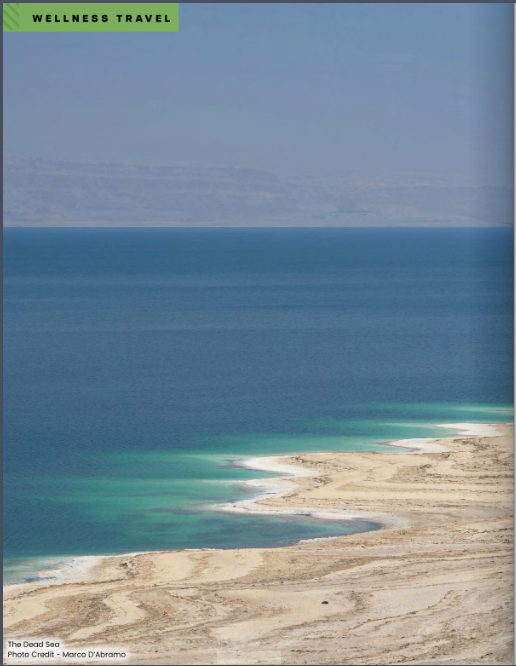
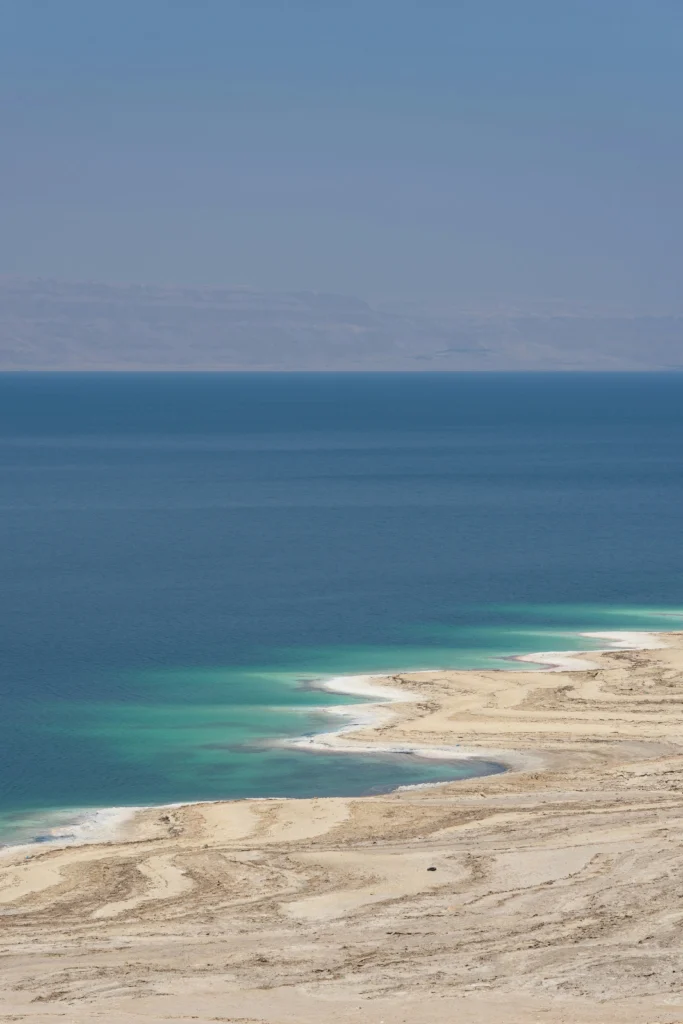
Some travellers also seek wellness through unique natural environments. The exceptionally buoyant waters of the Dead Sea have attracted visitors for generations, making floating almost effortless for many people.
Water also creates opportunities for gentle adventure. Adaptive kayaking, canoeing, paddleboarding and other inclusive water sports allow many people to experience movement with a sense of freedom that can be difficult to achieve on land. With adaptive equipment and knowledgeable guides, waterways become places of confidence as much as recreation.
Historic thermal bathing has also found a place in modern wellness travel. Across Europe and beyond, centuries-old bathing traditions are being reimagined through contemporary spa facilities and improved accessibility.
Examples are:
- Thermae Bath Spa, Bath, United Kingdom– Set in the historic spa city of Bath, Thermae Bath Spa allows visitors to bathe in Britain’s natural thermal waters through contemporary spa facilities, including a rooftop pool and thermal bathing areas. Its accessibility information notes lifts, ramps or sloping corridors to most areas, though visitors should review current access details before booking.
- Caracalla Spa, Baden-Baden, Germany– Set in one of Europe’s great spa towns, Caracalla Spa brings Baden-Baden’s long thermal-bathing tradition into a modern wellness setting, with mineral pools, sauna areas, relaxation spaces and a pool lift available for wheelchair users who need technical assistance.
- Terme di Saturnia, Tuscany, Italy– Fed by natural thermal springs that have been part of the region’s bathing culture for centuries, Terme di Saturnia combines outdoor thermal pools, spa treatments and wellness programmes in a historic Italian setting. Its Thermal Park can be accessed by people with disabilities, though visitors should confirm current access details before booking.
Perhaps that is what makes water such a powerful form of wellness travel. It supports physical wellbeing through movement and buoyancy while also offering emotional benefits that are harder to measure but easy to recognise. It encourages people to slow their pace, spend time outdoors and reconnect with nature without demanding constant activity or packed itineraries.
As more destinations invest in accessible beaches, aquatic centres, waterfront trails and inclusive wellness facilities, travelling to water is becoming possible for more people than ever before. Whether the destination is a geothermal spring, an accessible beach, a tranquil lakeside retreat or a hydrotherapy resort, the common thread is the opportunity to experience travel in a way that restores both body and mind.
Sometimes the most meaningful wellness journeys do not begin in a treatment room. They begin at the water’s edge.