By Amy Tarpein
Listen to this Article
Some destinations are already fully accessible. Others are trying. And then there are the places in between the ones choosing, day by day, to grow. Those are the places my family remembers most.
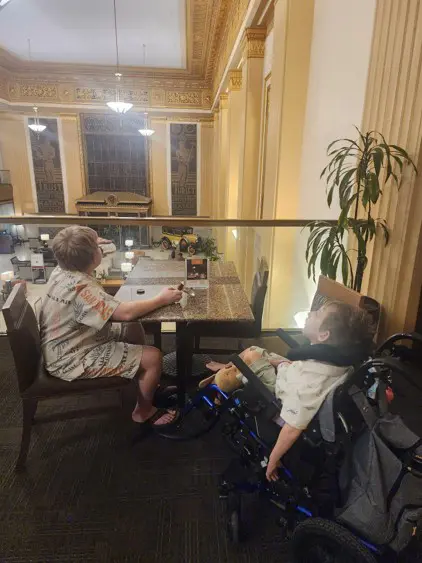
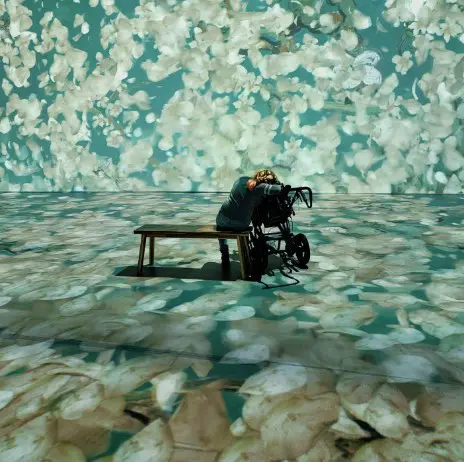
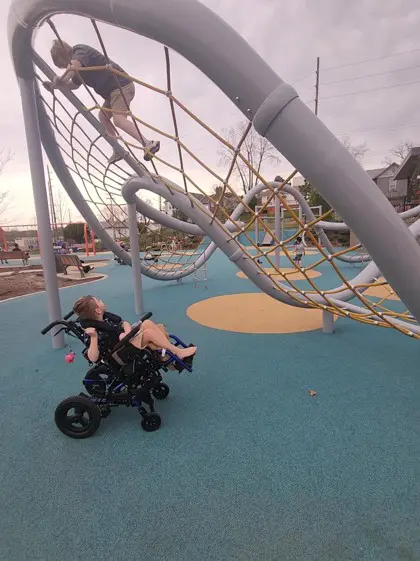
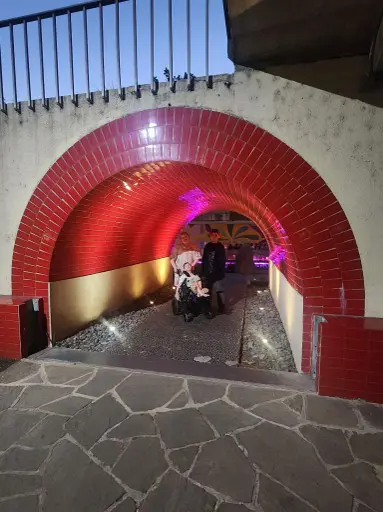
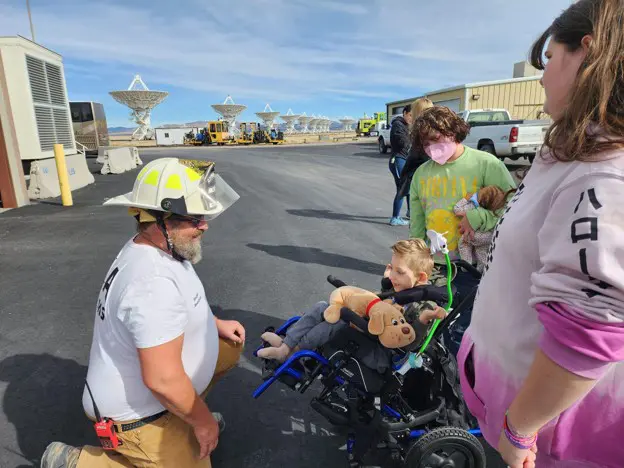
Traveling with four kids and a wheelchair means we see the world differently. We notice the ramps tucked behind buildings, the quiet corners that become sensory sanctuaries, the staff member who kneels down to Elijah’s eye‑gaze level and waits patiently for him to speak. We also notice the gaps the heavy doors, the steep curbs, the moments that remind us how far we still have to go.
But there’s something beautiful about a destination in progress. It’s honest. It’s hopeful. And it tells families like mine, “We see you. We’re trying. Come anyway.”
The First Sign: Someone Cares Enough to Ask
The most meaningful accessibility improvements rarely start with a blueprint. They start with a conversation.
Recently, our family visited Hands On House, a destination that wanted to do better. They weren’t looking for a stamp of approval they were looking for understanding. They wanted to know what accessibility looks like in real life, with real families, real wheelchairs, real meltdowns, real joy.
They walked with us through exhibits. They asked about Elijah’s eye‑gaze device. They watched how my kids moved through a spaces TOGETHER, where they hesitated, where they lit up, where they needed help. They took notes. They asked follow‑up questions. They cared.
That’s the moment I knew: this wasn’t performative. This was transformation.
A Real‑World Example: Hendricks County, Indiana
One of the best examples of a destination choosing growth is Hendricks County, Indiana, a community that has become a national model for what intentional accessibility can look like.
When we visited, we saw a county that wasn’t just adding ramps or widening doors. They were rethinking the entire visitor experience through the lens of inclusion. Sensory‑friendly hours at Murphy Aquatic Park. Zero‑entry pools and adaptive water equipment. Wide, maneuverable dining spaces. A performing arts center with thoughtful seating. And at McCloud Nature Park, Elijah was able to explore the trails using a Grit Freedom Chair with his brother, an experience that still brings tears to my eyes.
They didn’t wait until everything was perfect. They started with heart, humility, and a willingness to learn.
You can read the full story of what Hendricks County is doing and why it matters so deeply to families like mine here.
Small Changes, Big Freedom
Accessibility isn’t always about sweeping renovations. Sometimes it’s the micro‑moments that change everything.
A ramp that lets Elijah enter with dignity.
A quiet corner where a child can breathe.
A staff member who learns a few words in AAC or ASL.
A pathway smoothed just enough for a wheelchair to glide instead of jolt.
These aren’t small things. They’re freedom.
And when a destination begins to understand that accessibility is not a checklist but a lived experience, families feel it immediately. We exhale. We stay longer. We spend more. We come back.
The Power of “Not Yet, But We Will”
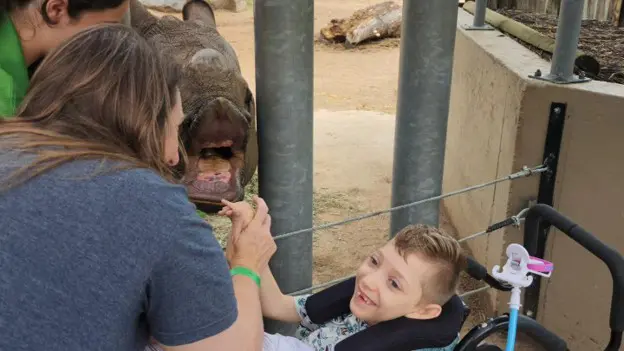
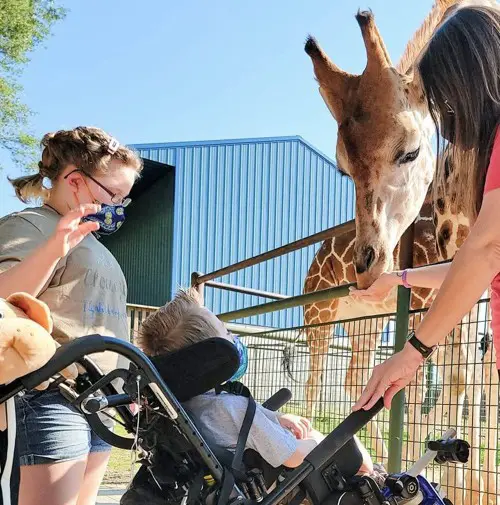
One of my favorite moments on our trip to Wild Animal Safari Park came when a staff member walked beside me and said, “We’re not where we want to be yet. But we’re committed.”
There was no defensiveness. No excuses. Just humility and hope.
That’s the heartbeat of a destination in progress.
Not perfection promise.
Families like mine don’t need flawless. We need effort. We need empathy. We need places willing to grow with us.
What Families Should Know
If you’re a family traveling with mobility, sensory, or communication needs, here’s what I want you to hear:
A destination in progress can be one of the most meaningful places you’ll ever visit.
You’ll see the heart behind the work.
You’ll meet people who genuinely want your family there.
You’ll witness accessibility being built in real time, and your presence helps shape it.
Your feedback matters. Your experience matters. Your joy matters.
What Destinations Should Know
If you’re a destination leader reading this, here’s the truth:
Families like mine are not looking for perfection.
We’re looking for partnership.
When you choose to grow, we notice.
When you ask questions, we trust you.
When you make changes, big or small, we remember.
Accessibility is not a finish line. It’s a relationship.
Why These Stories Matter
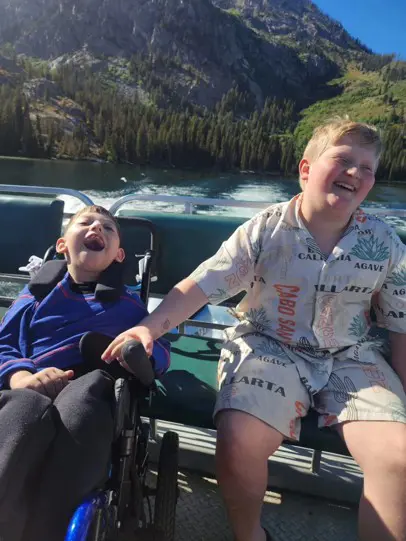
Our family has traveled through forests, mountains, beaches, and national parks. We’ve stood on balconies watching Old Faithful erupt from a quiet, shaded corner that felt like it was made just for Elijah. We’ve navigated sulfur pools with face coverings and laughter. We’ve watched accessibility unfold in real time, one thoughtful decision at a time.
And every time a destination chooses to grow, it creates a ripple effect, one that reaches families who have felt unseen, unheard, or unwelcome.
A destination in progress is a destination choosing love in action.
And that’s a story worth telling.