By Jennifer Allen

Listen to this Article

Jennifer Allen is the writer behind Wonders Within Reach, a disability travel blog for families. She travels with her three children, all of whom have disabilities, including her middle son who is a wheelchair user.
The failure
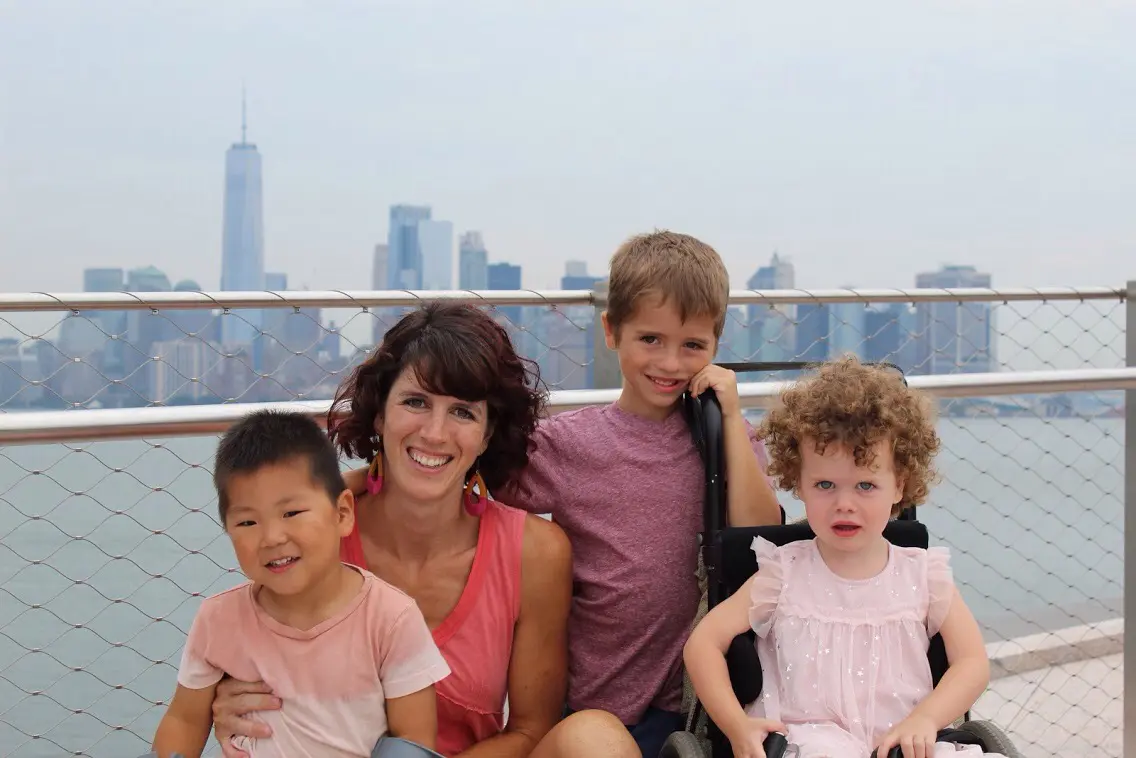
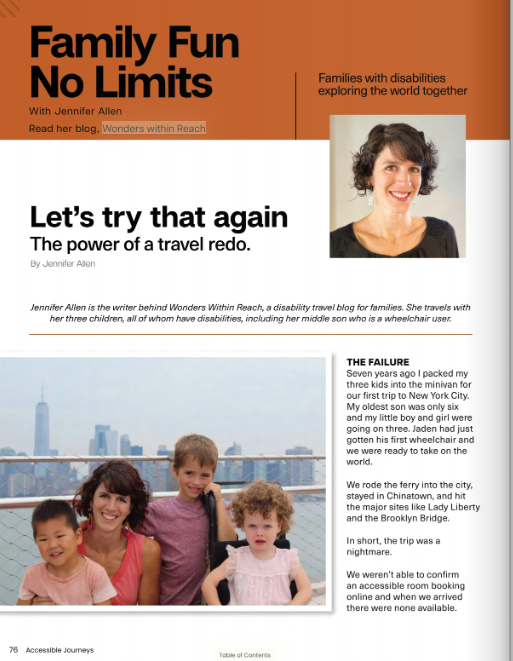
Seven years ago I packed my three kids into the minivan for our first trip to New York City. My oldest son was only six and my little boy and girl were going on three. Jaden had just gotten his first wheelchair and we were ready to take on the world.
We rode the ferry into the city, stayed in Chinatown, and hit the major sites like Lady Liberty and the Brooklyn Bridge.
In short, the trip was a nightmare.
We weren’t able to confirm an accessible room booking online and when we arrived there were none available. Our room was so small that we had to push the coffee table against the bed to get the wheelchair into the room. There was no space to navigate the room with the chair, so we left it in the hallway for the afternoon and only brought it in overnight. In order to get to the bathroom during the night, we had to crawl over the coffee table and the wheelchair.
I had a paper map of accessible subways, because that’s what was available back then, but there was no way to know if an elevator was out of order. Our very first subway attempt served as an example of this issue. We walked to the accessible stop only to find we couldn’t access it. We tripled our walk to get to the next accessible station.
When we got off, I’m still not sure what we did wrong. I think I misunderstood the map and it was only accessible heading west when we were heading east. The door slid open and we found we couldn’t roll out because a beam made the exit too narrow. We hustled to fight the crowds to the next door, but I had to lift the wheelchair across the gap to keep the casters from getting stuck. All of that trouble and we found ourselves at the bottom of three flights of stairs to access the street.
Thankfully a well-dressed businessman stopped mid-rush and asked if we needed help. Boy, did we ever! He carried the wheelchair without scuffing his perfectly polished shoes and I carried Jaden. We made it to the top without injury other than to my pride.
By the time we made it to our destination, we were all exhausted. I ended up stacking both boys in the wheelchair and pushing them across the Brooklyn Bridge with Nella balanced on my shoulders. I didn’t have the mental energy to deal with the subway again so we traveled this way for the additional mile back to the hotel. I’d never been so exhausted on a trip.
The next day we opted for the bus. This was simple in terms of accessibility but added new hiccups to the journey when we learned we had to have fare cards in advance and the closest spot for buying them wasn’t accessible. An employee at the depot ended up running in with my credit card to get our ticket so that we could make the bus that we were trying to load.
We tried to roll through Central Park, but the garden path turned to gravel and we had to roll up and down steps to make it through.
Our dinner options were limited to the few restaurants without steps in Chinatown and ultimately I went home feeling drained and defeated, reminded of all the barriers keeping my young son from exploring the world.
Take 2
When NYC Tourism reached out to see if we would visit for an accessibility campaign, I was hesitant. My memories of navigating the city weren’t quite traumatic but they were enough to make me feel like the city may be an unconquerable barrier.
I didn’t want to do the subway again. I didn’t want to carry my kids through the city again. I didn’t want to get stuck in a room that was stressful to stay in. I didn’t want to pick our way through the city, doing the few things that we could find that we could access and enjoy.
The team talked about Broadway and surprising Jaden with a Yankees game and ultimately I couldn’t say no.
I’ve never been so apprehensive for a trip, but it was almost perfect. Sure the accessible shower leaked into the rest of the bathroom and the automatic room door was broken, but we never got stuck, we never had to turn around, and we never had to skip anything because of accessibility.
This was a healing redo for me. It reminded me that when things feel impossible maybe it’s because I don’t have the right resources, or I don’t know how to do it correctly. New York had changed, but so had I. This time was different in several ways.
First of all, I’ve grown in my understanding of what we need in order to make a trip work. We need an accessible room and I can’t leave that to chance. Phone calls are still a stretching experience for me, but I’m willing to do what it takes.
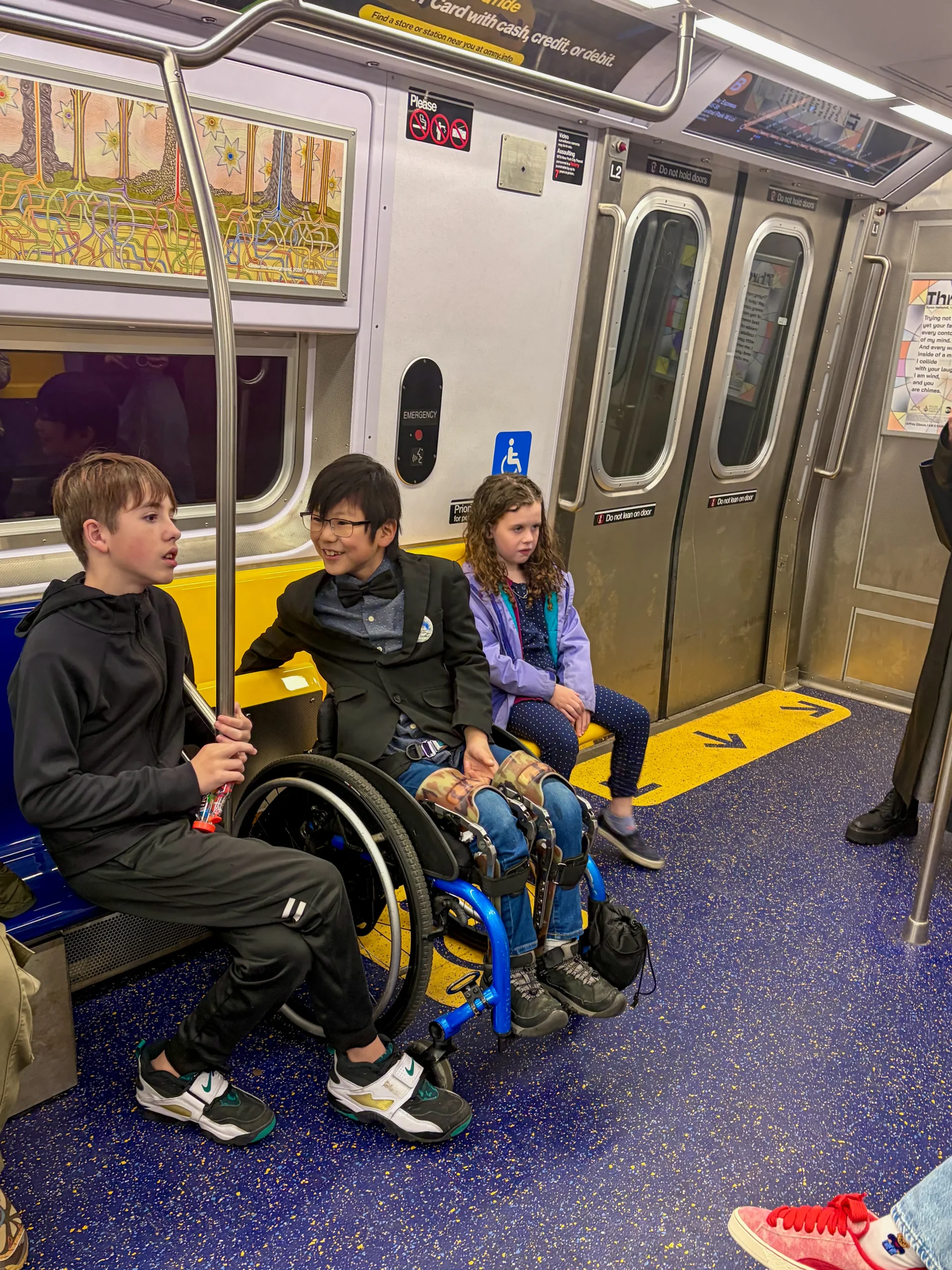
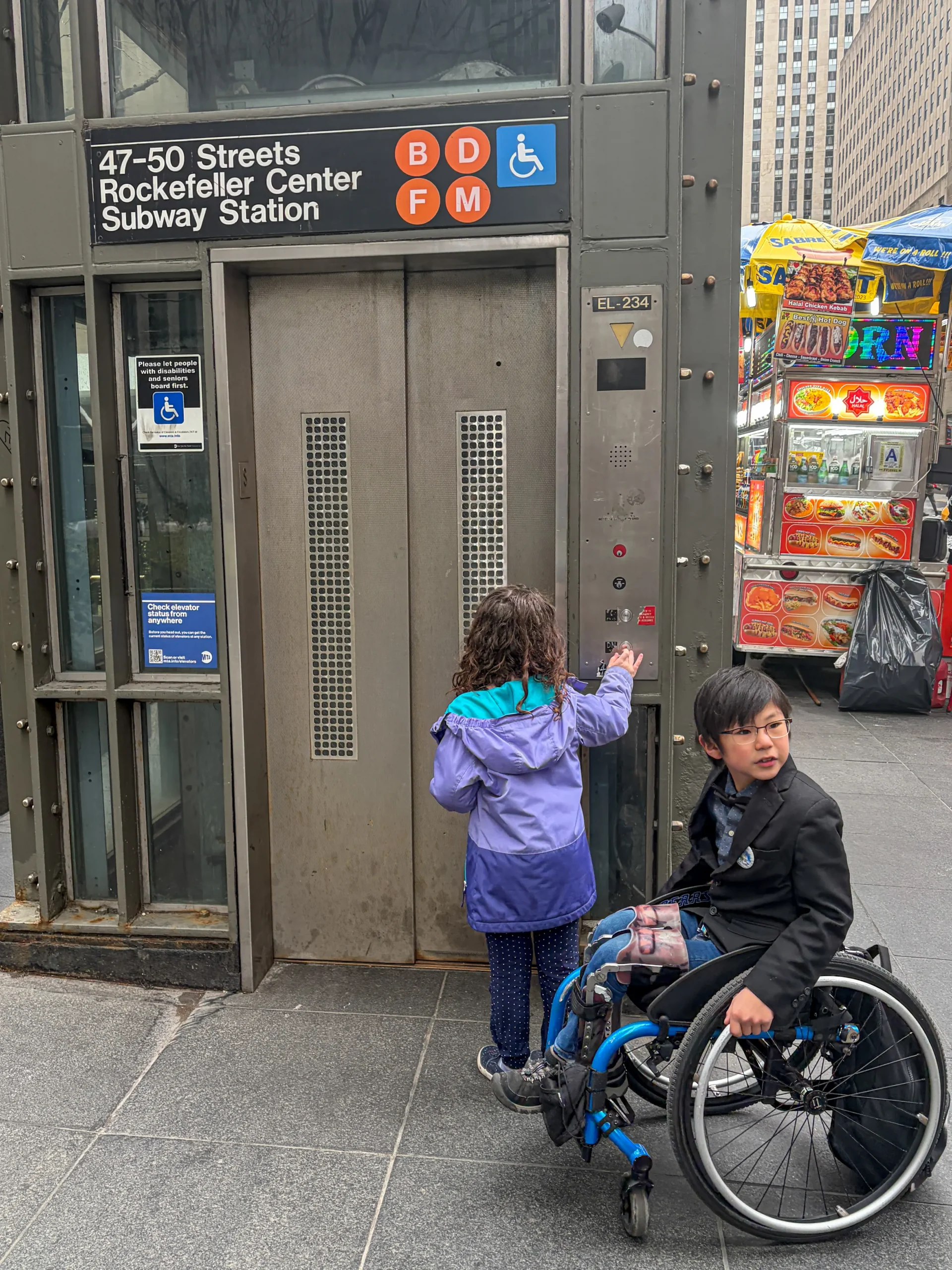
Second, technology and accessibility have both come a long way in seven years. Instead of a paper map, there’s an app for that. The MTA app shows accessible stations along with current schedules. Google Maps has refined their accessible routes to show elevator entrances to subway stations and to avoid steps on trails or sidewalks. I can even hail an accessible cab right from my phone.
Third, I’ve gotten bolder. I had to ask for directions multiple times on our trip, usually to find the elevator to exit the subway, but that kept us from adding unnecessary extensions to our journey. We were never lost and overwhelmed.
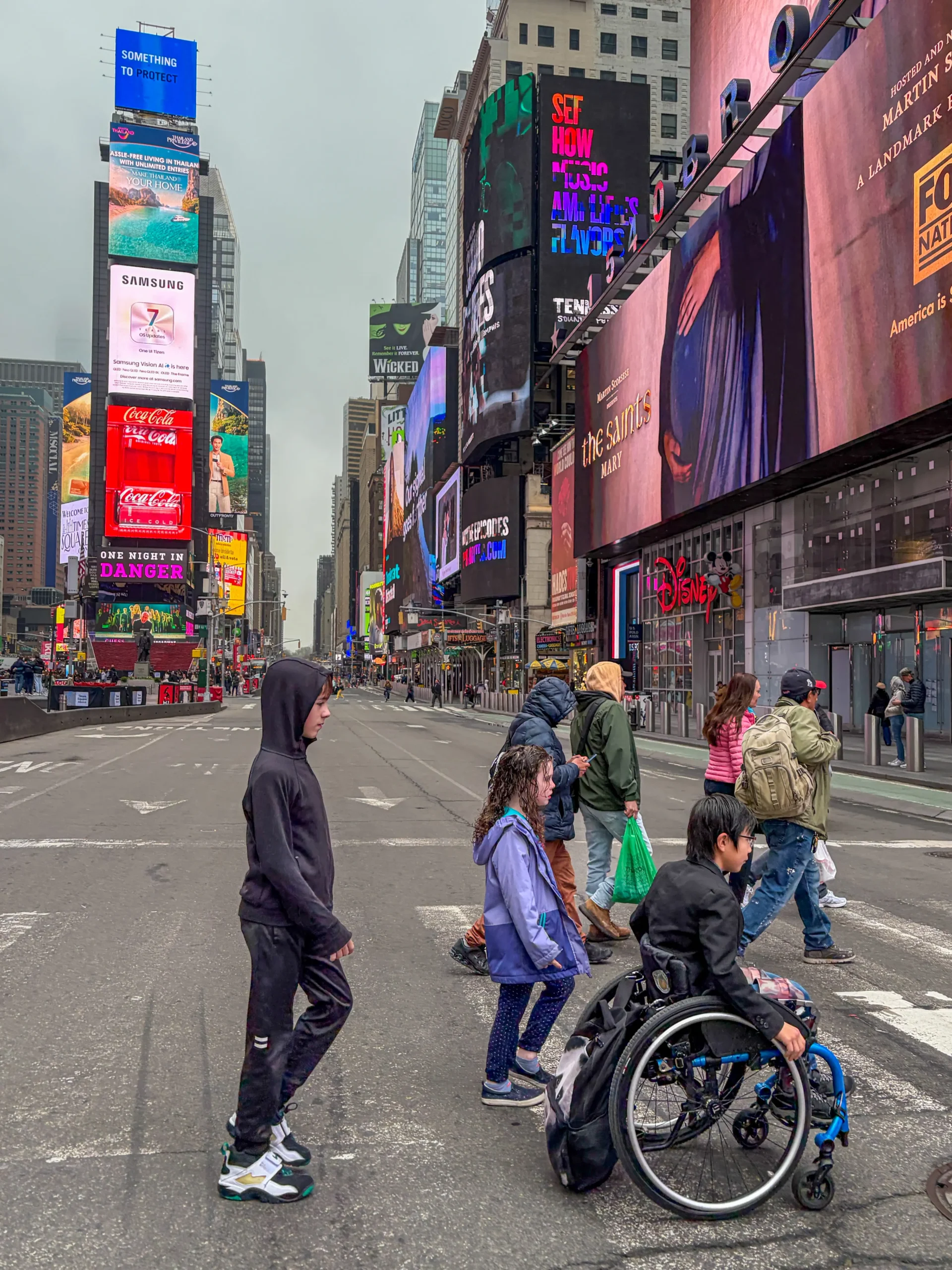
We took the subway twice, enjoyed accessible routes through the Museum of Broadway, ate where we wanted, caught a baseball game in the Yankee Stadium, and rode in an accessible taxi. You can find our full adventure on the NYC Tourism page.
A better way
There are two takeaways from this experience.
First, don’t let a bad experience scare you away. New York holds so much wonder, things that we’ll go back for again and again, but I almost gave up on it all because of the memories of our failed trip. Learn to recognize what ruined the experience, so that you can address those issues. I doubt the destination was actually terrible.
Second, learn how to tackle an accessible trip. It’s different than when you used to be able to just “wing it.” You need advance planning, a bold spirit, and a flexible attitude.
Find out what’s accessible and what’s not, know what modes of transportation you’re going to use and how to use them, call your hotel and make sure your room meets your needs. If you’re not sure where to start, go with a preplanned itinerary from another disabled traveler.
Be bold. There’s nothing wrong with asking for help. The chances are high that every barrier is easily overcome if you know who to ask.
Remind yourself that this is fun. When your flexible attitude helps your kids connect with the spirit of adventure, every detour becomes an exciting story.