
Listen to this Article
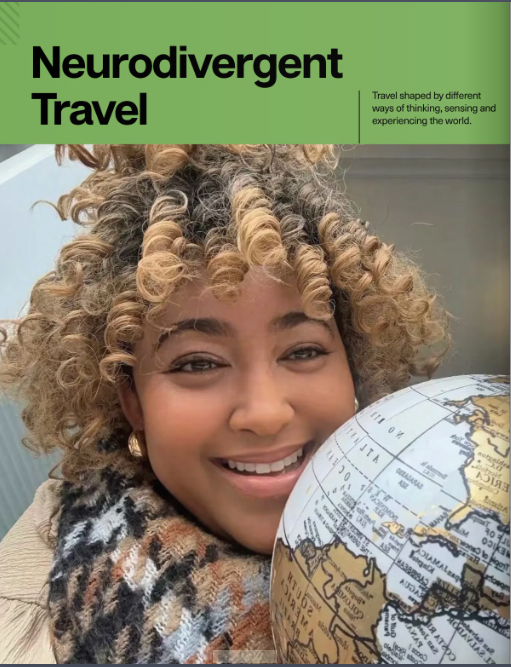
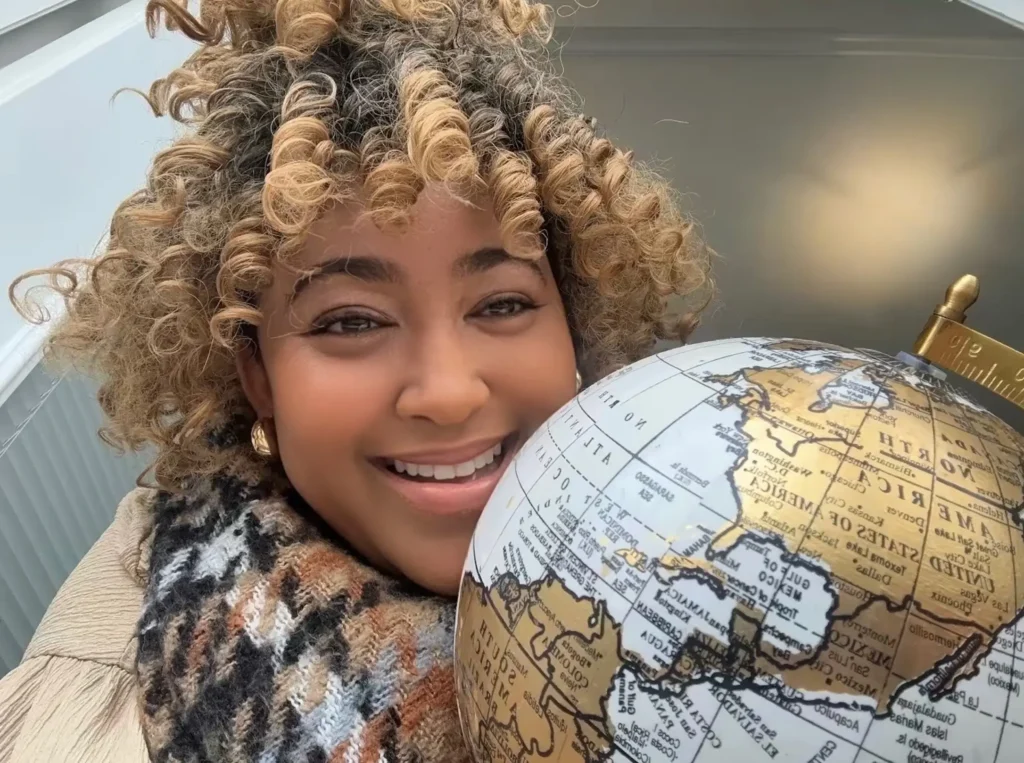
This article is based on an interview with Gabrie’le Eato and has been written in the first person to reflect her voice and experiences.
Accessibility begins with feeling calm
When people hear the words “accessible travel,” they often think about ramps, elevators and accessible hotel rooms. Those things matter, but for me, accessibility begins much earlier. It begins with whether an environment allows me to feel calm.
As someone who is autistic and has ADHD, I experience the world differently. Accessibility is about understanding that not everybody sees, hears or processes their surroundings in the same way. It is about creating environments where people feel welcome instead of feeling like they have to constantly adapt.
Looking for peace
When I travel, I look for peace.
That starts with the environment itself. I pay attention to noise levels, lighting and the overall atmosphere before I book a trip. I want to know whether people understand neurodiversity and whether I will be surrounded by people who are accepting rather than judgemental. For me, that matters just as much as the destination itself.
Nature helps me regulate
Nature is also a big part of how I travel.
Anywhere that has nature immediately feels more inviting to me. Water, trees and green spaces help me feel settled. I love places where I can spend time outdoors, slow down and simply breathe. Those moments are not just enjoyable. They help me regulate.
Thailand felt peaceful
One of my favourite travel memories is Thailand.
The country felt peaceful to me. The flight attendants were kind, accommodating and easy to work with, and that immediately made my flying experience less stressful. During my stay at the Four Seasons, I noticed something that many people might overlook: the hotel was dimly lit.That may not sound important to everyone, but it made a tremendous difference for me.
Why lighting matters
Lighting is one of my biggest sensory stressors. Bright fluorescent lights can feel overwhelming, while softer lighting allows me to relax. Walking into a hotel where the lighting felt calm instead of harsh immediately made me feel more comfortable.
The hotel was also filled with nature. There was greenery throughout the property, and I loved spending time surrounded by it. Being around nature helps me feel connected. It gives me space to meditate, spend time with God and simply experience peace. Those are some of the moments I remember most from travelling to Thailand.
Wellness can be simple
People sometimes think wellness has to involve expensive treatments or elaborate retreats. For me, wellness is much simpler.
It is finding somewhere quiet.
It is sitting beside water.
It is walking through nature.
It is having the opportunity to pray and reconnect with God without feeling rushed or overwhelmed.
Those experiences leave me feeling refreshed in a way that is difficult to describe.
My daily time outdoors
The need for nature does not disappear when I return home. Every single day, I spend time outside. I walk my dog, spend time near the lake and take my shoes off so I can stand barefoot on the grass. I do this regardless of the weather because I have learned how important it is for my wellbeing.
If I miss it, I notice. I can feel the difference in my mood and in how regulated I feel. Spending time outdoors has become part of my daily routine because it helps me stay grounded.
Restaurants can be difficult
The environment matters in other ways too.
Restaurants can sometimes be difficult because I have sensory sensitivities around food. Texture, presentation and preparation all matter to me. Over the years, I have learned strategies that make ordering easier, but I still appreciate patient staff who understand that making adjustments does not mean I am trying to be difficult.
Airports require extra energy
Airports can also be challenging.
For many people, checking luggage is simply another step in travelling. For me, it requires processing a lot of sensory information while also interpreting conversations that are not always completely clear.
If someone asks, “Do you have your passport?” my mind immediately starts wondering whether they simply want to know if I have it or whether they expect me to hand it to them right away. Those small moments happen repeatedly throughout a trip, and they require much more mental energy than many people realise.
Clear communication makes an enormous difference.
Kindness is accessibility too
The same is true of kindness. One of the things I appreciated about travelling in Ghana was the sense of community. I found people to be warm, loving and welcoming. They did not make me feel like an outcast, and that feeling stayed with me long after the trip ended.
Those experiences have taught me that accessibility is about much more than physical design.
It is about the way people communicate.
It is about whether an environment feels peaceful instead of overwhelming.
It is about whether there is somewhere to step away from the noise.
It is about whether people make space for different ways of experiencing the world.
What I hope travel providers understand
Every autistic person is different, and what works for me will not necessarily work for someone else. But I hope the travel industry continues thinking beyond traditional accessibility.
Sometimes the most meaningful changes are the quiet ones.
A calmer environment.
Softer lighting.
Time in nature.
Patient communication.
A place where someone can simply feel welcome.
For me, those are the things that transform travel from something I have to manage into something I can truly enjoy.
Gabrie’le Eato is a is a public speaker, author, neurodiversity and mental health advocate, psychometrist and the founder of Eleable® and NDVerse. Diagnosed with autism and ADHD, she combines her lived experience with her professional background to educate others about neurodiversity, accessibility and inclusion. Through her speaking, writing and digital platforms, Eato encourages greater understanding of autism and ADHD while reminding people that they are more than a diagnosis.
Her work is grounded in faith, compassion and the belief that accessibility begins with seeing the whole person.
Don’t miss Gabrie’le Eato’s new column, Let’s Gab, debuting in the August issue of Accessibility for All magazine. Expect honest conversations, practical advice and fresh perspectives on autism, ADHD, mental health, relationships, self-advocacy and thriving as a neurodivergent person.