
Listen to this article
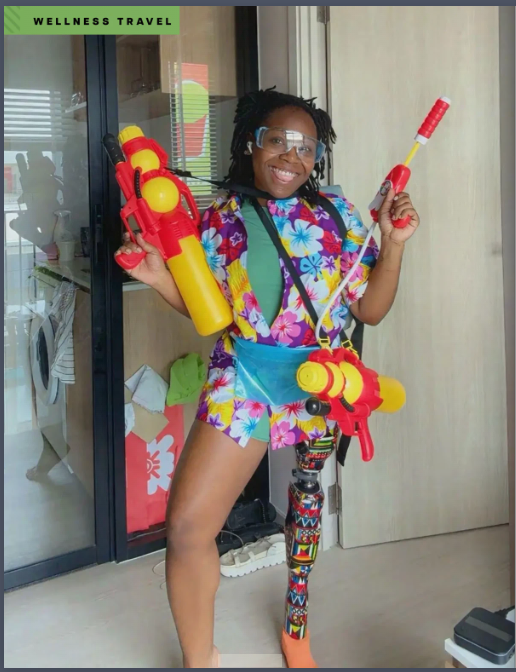
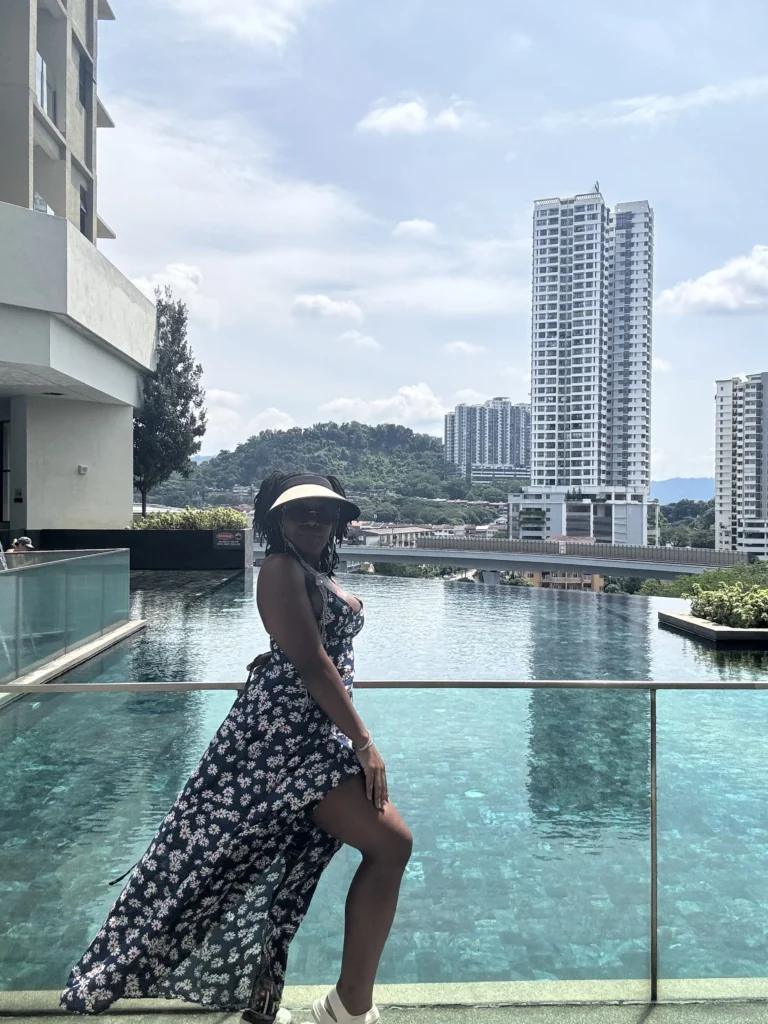
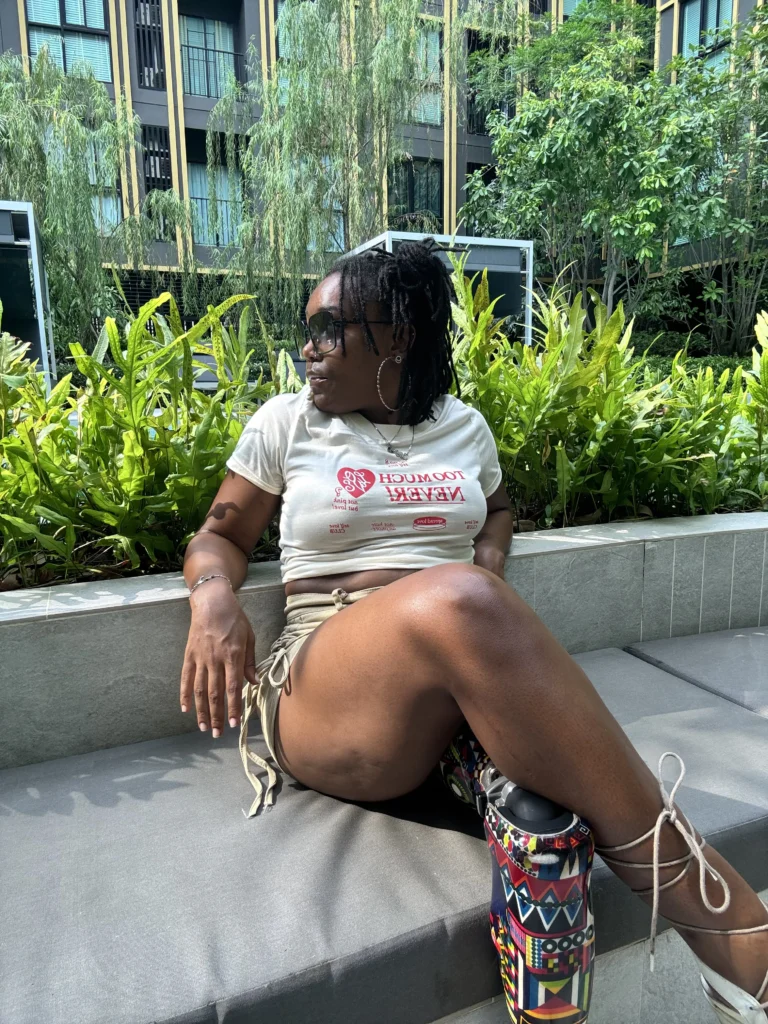
For Abena Christine Jon’el, wellness travel begins where comfort, access and self-connection meet. It is the feeling of arriving somewhere and sensing her body, spirit and nervous system slowly come back into rhythm. It is meditation, good food, moisturized hair, skin care, prayer, rest, massage and a room that does not make her fight for comfort. It is also an elevator, reliable electricity, a larger shower, a charged prosthetic leg and people who do not make her feel like her disability is the main event in the room.
“Good wellness for me definitely looks like spiritually I’m aligned,” she says. “I’ve done my meditation. I’ve done my reading, my praying, all of that. Skin care is on point. My hair is fully moisturized. I’m eating good food.”
A Ghanaian-American solo traveller, woman and amputee who uses a high-tech prosthetic leg, Abena has learned that wellness is deeply personal. It is a practice of choosing places, people and routines that help her feel whole, steady and free.
Thailand gave her a wellness rhythm
When Abena talks about the place where she felt most well, Thailand comes up quickly. “My wellness was Thailand,” she says.
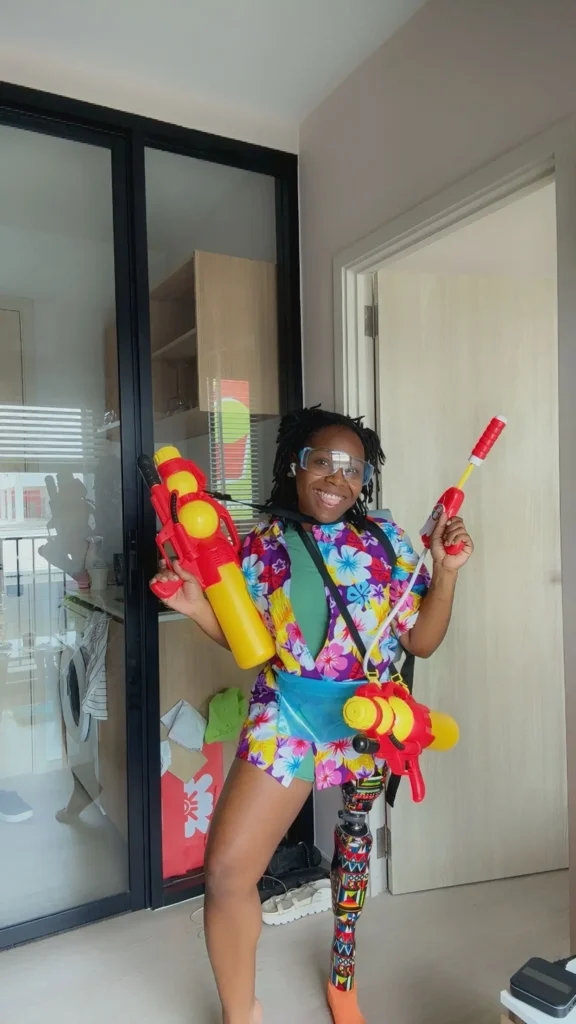
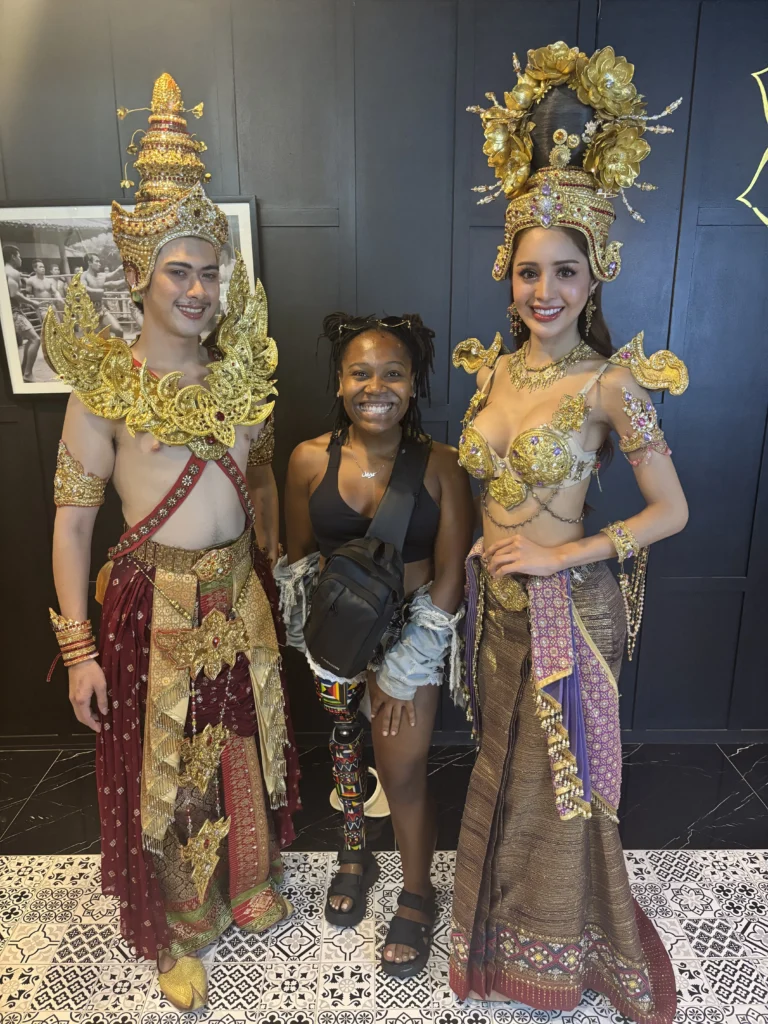
It was the food, the self-care routine, the massages, the sense of spiritual ease and the way daily life seemed to invite her into a slower, more intentional rhythm. She spent time in Bangkok, Koh Tao and Chiang Mai, and each place gave her something different.
Thailand was not without adjustment. At first, she felt completely new to the culture. Language was a challenge, and she had to learn how things worked. She picked up basic Thai words such as thank you, yes, no, please and hello. She used translation apps and watched what others did. In restaurants, when menus had no pictures and no English, she used her phone camera to translate what she could.
One day in Thailand, she ordered from a menu simply because she could read part of it. Then the person beside her received a meal that smelled so good she changed her mind and asked for the same thing. It turned out to be boat noodle soup, one of the best bowls of noodles she had ever eaten. Thai basil fried rice, mango sticky rice, and Thai spring rolls also became part of her daily food rhythm and her favourite dishes.
That is part of Thailand’s wellness lesson for her. Sometimes care is not perfectly planned. At times it is found by paying attention, trusting your senses and allowing a place to teach you.
For disabled travellers, her experience is a reminder that wellness travel does not have to mean removing all uncertainty. It can mean preparing enough to feel safe, then leaving room for discovery.
Malta cared for her body
If Thailand supported Abena’s spiritual wellness, Malta stood out for physical wellness.
She stayed at 1926 Le Soleil Hotel & Spa, where she says she felt genuinely supported. The hotel upgraded her to a larger room with a larger shower, which made the stay easier and more comfortable. That detail matters. For many disabled travellers, a bigger shower is not a luxury upgrade. It is an access feature that can reduce stress, protect energy and make daily care easier.
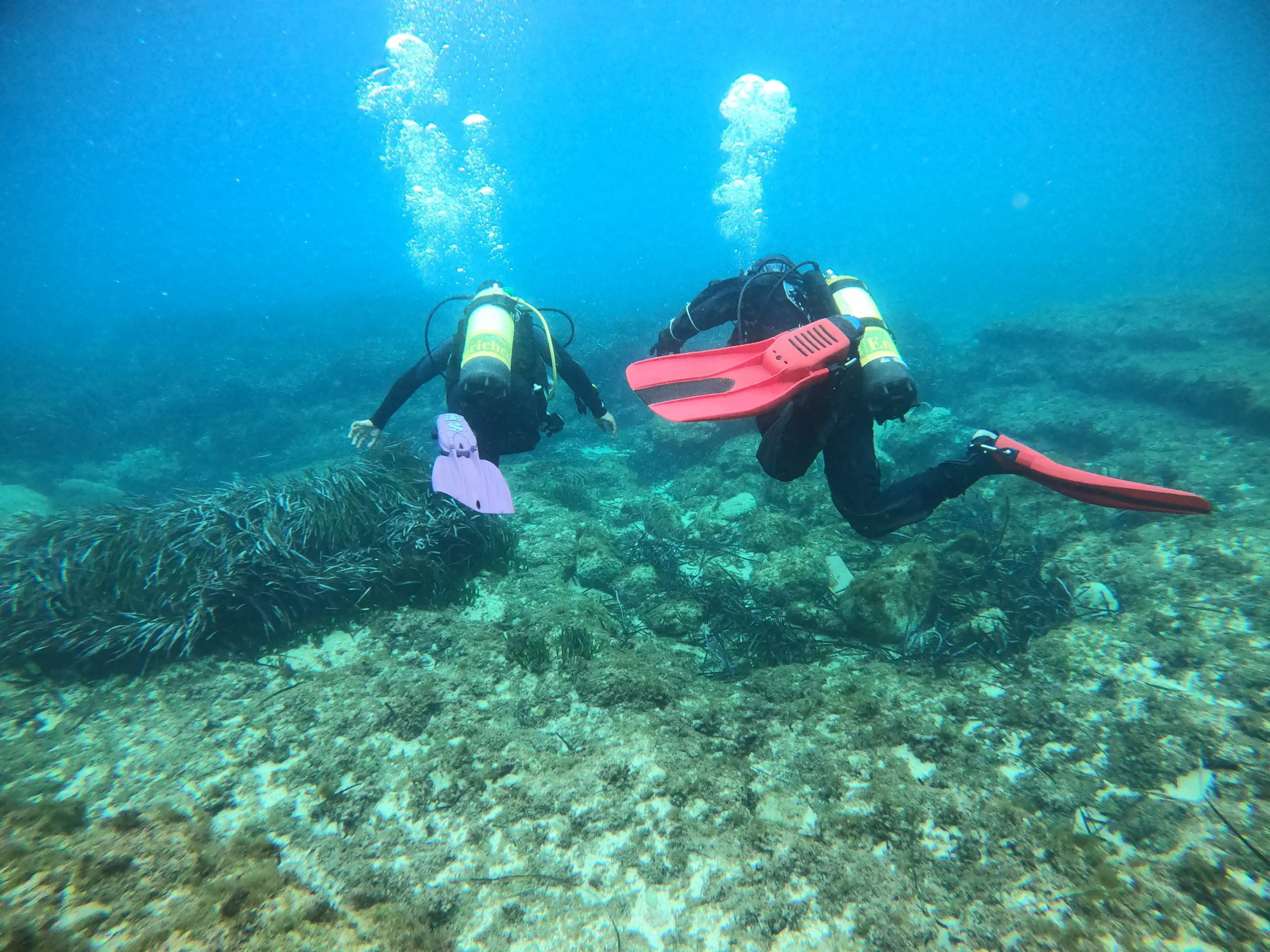
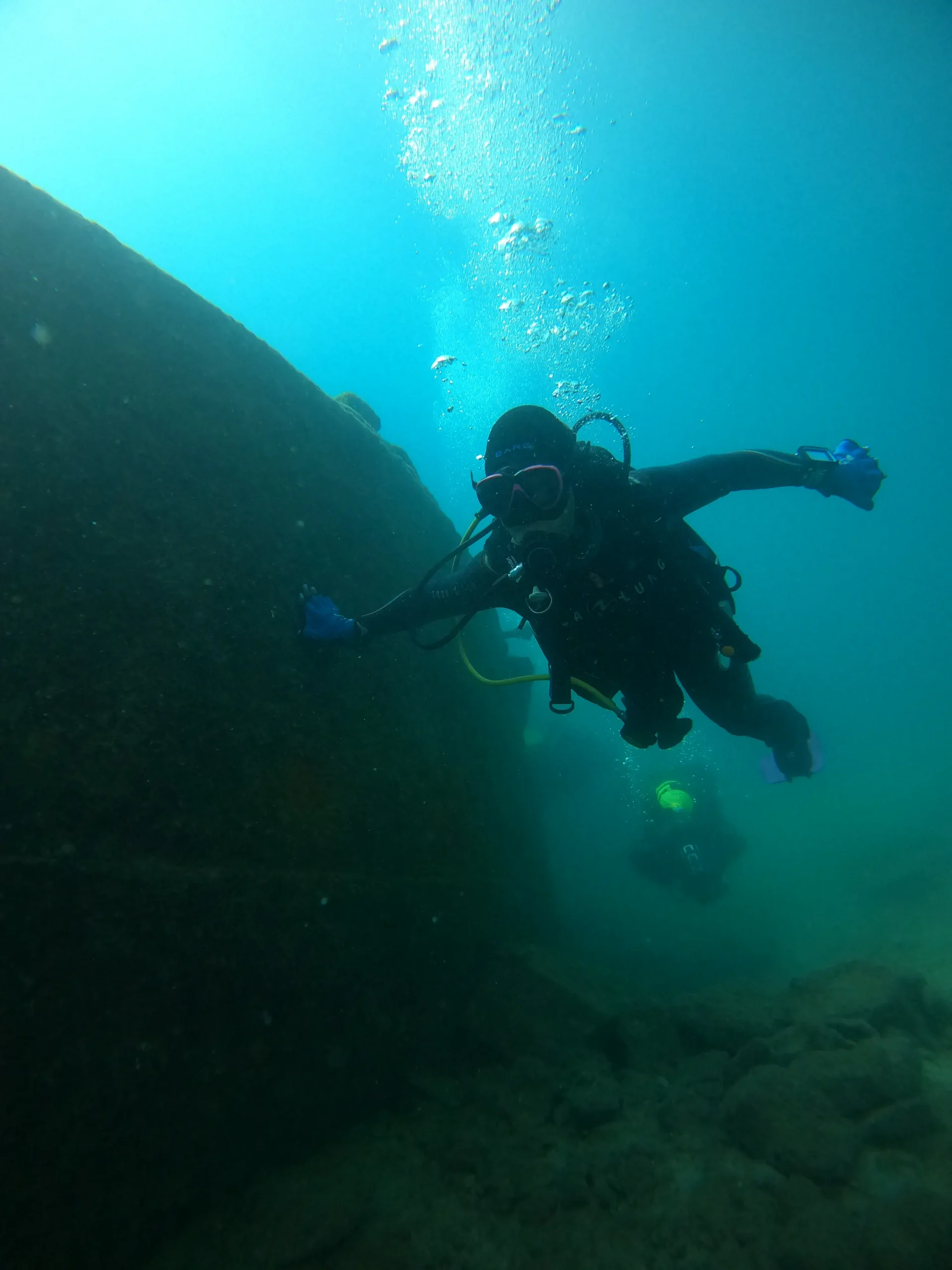
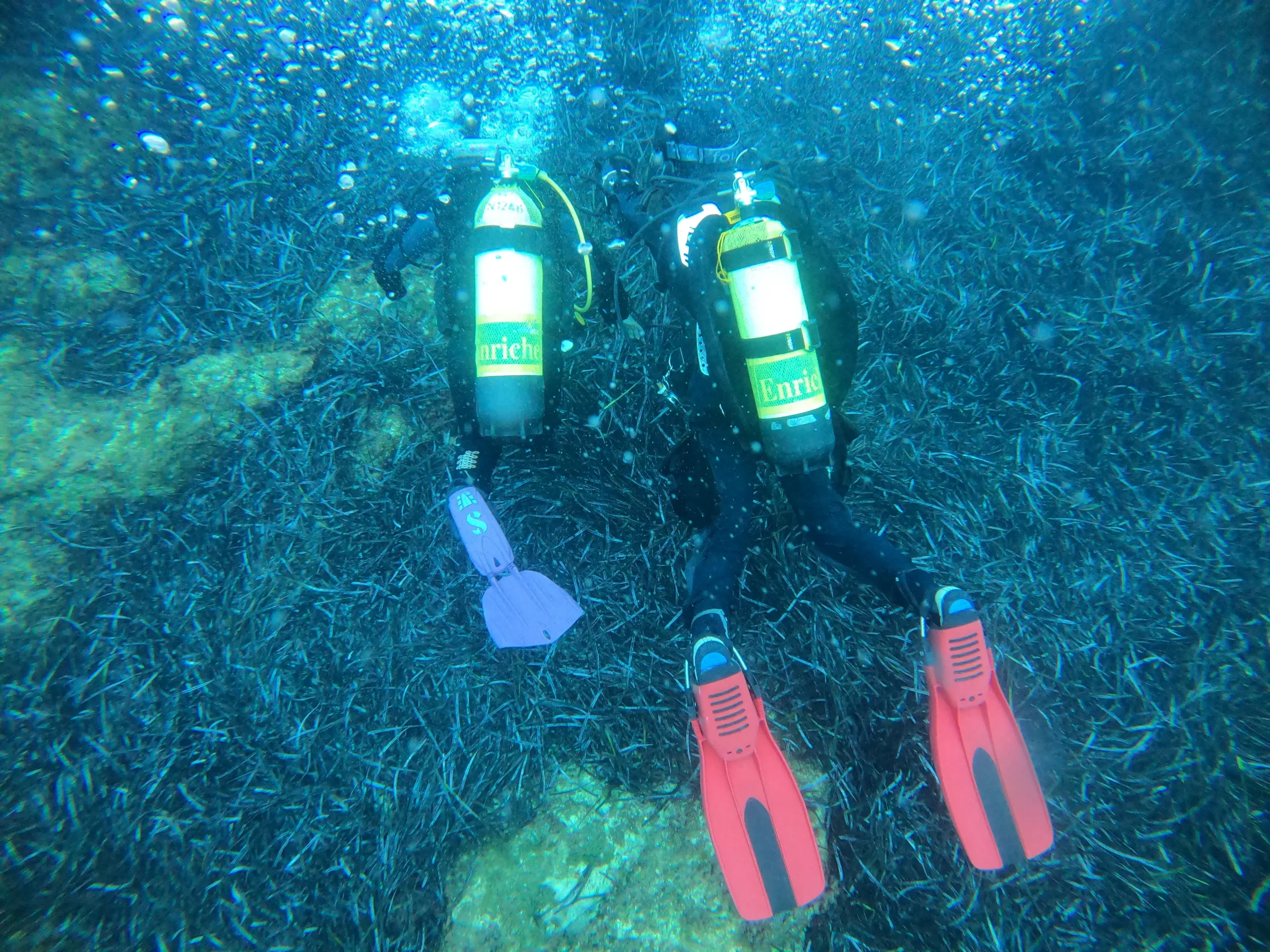
Malta also gave her something unexpected: scuba diving.
Before going, Abena contacted DiveWise Malta and explained that she was an amputee who could swim underwater and wanted to try diving. They encouraged her. After the dive, they told her she had done well and should get trained. That experience eventually led to her becoming a certified scuba diver. Because of Malta, she says, she can now scuba dive in other parts of the world.
This is what accessible wellness can look like when it is done well. She was not simply accommodated. She was encouraged to go further. The professionals at DiveWise Malta did not treat disability as an automatic no, and that kind of access opened the door to confidence, movement and joy.
Mombasa became a moment of reflection
Scuba diving later took Abena to Mombasa, Kenya, where the experience gave her one of her most reflective travel moments. Being underwater, seeing stingrays and moving through the ocean as a woman with one leg made her pause. It put her in a reflective state and made her think about how far her life had carried her.
“This is my life,” she remembers thinking.
That moment belongs in the wellness story because it shows another side of restorative travel. Wellness does not always arrive quietly or ask the body to be still. Sometimes it is being in the ocean, doing something you once might not have imagined for yourself, and realizing that your body has brought you somewhere extraordinary.
For disabled travellers, those moments can be powerful. Adaptive adventure, when done with the right support, can become a form of emotional reset. It can change how someone sees their body. It can turn fear into confidence and planning into possibility.
Massage is maintenance, not a treat
Abena loves a good massage, but for her, bodywork is not simply pampering. It is part of how she keeps travelling. She pays special attention to her sound leg, her left leg, and her hips. They do a lot for her. They carry extra strain, help her move through airports, streets, stairs, uneven ground and long travel days.
“I try to treat my sound leg,” she says. “Massages are always for my hips and my sound leg, because they do a lot for me.”
That is one of the most practical wellness takeaways from her travel life. Disabled travellers are often expected to focus only on access logistics, but body care belongs in the plan too. If one part of the body is compensating for another, travel can intensify that strain. Long walks, airport transfers, hills, gravel, stairs and heat can add up quickly.
For amputees, prosthetic users, wheelchair users, cane users and travellers with chronic pain or fatigue, wellness planning may include massage, stretching, rest days, compression, skin care, cooling breaks, hydration, extra sleep or choosing accommodations close to food and transportation.
Rest is not wasted travel time. It is what helps make the rest of the trip possible.
Ghana gives her belonging, but access still matters
Ghana, especially Accra, holds a different kind of wellness for Abena. She does not present it as a spa destination, but about community, recognition and the feeling of being able to breathe. She says no place has welcomed her like Accra. It is where she feels safest to show up as herself. That emotional safety matters. Wellness is not only physical. It is also the relief of not constantly having to explain yourself. This is restorative in a way that affects her mental and emotional well-being.
At the same time, she is honest about Ghana’s physical access barriers. She says Ghana is not very accessible. There can be stairs, gravel, unreliable electricity and few elevators. For her, that matters because her prosthetic leg has to be charged. If she cannot charge it, her mobility can be affected.
That contrast is important. A destination can feel emotionally welcoming and still present real access challenges. A city can offer belonging while still making movement difficult. A community can be warm, but a building without an elevator can still exclude someone.
For disabled travellers, Ghana becomes a reminder to look at wellness in layers. Ask about the emotional environment but also ask about the physical one. Can you get into the building? Can you charge your mobility device? Is there an elevator? Is the terrain paved, gravel or uneven? How much walking is required? Is transportation manageable?
Belonging is powerful, but access still has to meet the body.
Access details are wellness details
Abena is clear about the travel details that can make or break a trip. Stairs matter, elevators, terrain, water, electricity matters. Her prosthetic leg has to be charged, so power outages can affect her mobility. Gravel can be difficult. Too many stairs can drain her energy. Water can create anxiety because she has to think carefully about whether her prosthetic may get wet.
When she books an Airbnb, she asks about elevators. She can do stairs, but she chooses not to when she can avoid them because they are exhausting.
That is an important shift in how accessible wellness should be understood. Accessibility is not separate from wellness. It is part of it. A traveller cannot fully rest if they are worrying about whether they can get to their room, charge their device, shower safely or leave the building without using a painful amount of energy.
For readers planning a wellness trip, Abena’s approach offers a useful checklist. Ask whether there is an elevator. Confirm whether the shower setup works for your body. Ask about stairs at the entrance and inside the property. Find out what the surrounding terrain is like. Check whether power outages are common. Ask whether public transportation, taxis or ride-hailing services are practical. Think about water, hills, heat, distance and how much walking is expected.
A beautiful destination can still be draining if the basics do not support your body.
Airports require self-advocacy
Long travel days can push Abena’s patience and energy. She knows that the more tired and overstimulated she becomes, the more intentional she has to be.
When things get stressful, she asks for space. If someone at a counter is asking too many questions and she is too tired to answer calmly, she will tell them she needs a few seconds so she can respond properly.
That is wellness too.
For Abena, airport preparation starts before arrival. She calls the airline to request the seat that works best for her. Because her prosthetic is on her right side, she prefers a right-side window seat. If she needs to disconnect her leg during the flight, it can rest against the wall instead of falling toward another passenger.
She also requests wheelchair service. That has not always been easy. She says people have questioned whether she needs disability assistance when her disability is not immediately visible to them. Because of that, she often wears shorts in airports so people can see her prosthetic. She hates losing that privacy, but she has learned that visibility can reduce the chance of being challenged.
Her message to other disabled travellers is practical: use the assistance available to you. Do not exhaust yourself trying to prove independence before the trip has even begun.
Pack for the body you travel with
Abena packs for wellness in a way that goes beyond skin care. She packs liners, two sockets, her running blade, her prosthetic charger and an Allen wrench. The charger is non-negotiable. Her prosthetic is a bionic microprocessor knee and foot ankle system, and when it is not charged, moving becomes much more difficult.
She has also learned the value of bringing different prosthetic options. Her body can fluctuate, so having more than one socket gives her flexibility. Her running blade matters because she never knows when she may want to go for a run, and it can also be useful around water.
For travellers with mobility devices or adaptive equipment, her packing approach is a reminder to think beyond clothing. What do you need if your body changes during the trip? What do you need if equipment gets wet, breaks or stops working? What charger, tool, liner, cushion, strap, medication, backup or repair item would be hard to replace abroad?
Wellness packing means protecting your ability to move, rest and enjoy yourself.
The real wellness is freedom
Abena’s travel life is bold, but not careless. It is full of calculations many travellers never have to make. She thinks about power, stairs, showers, skin, hair, food, language, transportation, public attention and how much energy she has left. The point of all that planning is not fear. It is freedom.
It is the freedom to feel spiritually aligned in Thailand. To be supported in Malta. To scuba dive in Mombasa and recognize the wonder of your own life. To find community in Accra. To get a massage because your hips and sound leg need care. To ask for help at the airport. To rest when you need to. To choose destinations that allow you to feel physically supported, emotionally safe and spiritually fed. For Abena, wellness travel means listening to her body, caring for it and honouring everything it allows her to experience.
For disabled travellers reading her story, that may be the most useful lesson of all. Wellness is not always found in the most expensive retreat or the most polished itinerary. Sometimes it is found in the room with the right shower, the country with the food that makes you feel alive, the city where you can breathe, the dive shop that says yes, the massage that helps your body recover, the airline seat that fits your needs and the courage to ask for what your body requires.
Abena does not wait for travel to be perfect before she goes. She prepares, adjusts, advocates and lets the world meet her on her own terms. This is her version of wellness: the freedom to move, rest, explore and feel whole return to herself again.