
Listen to this Article
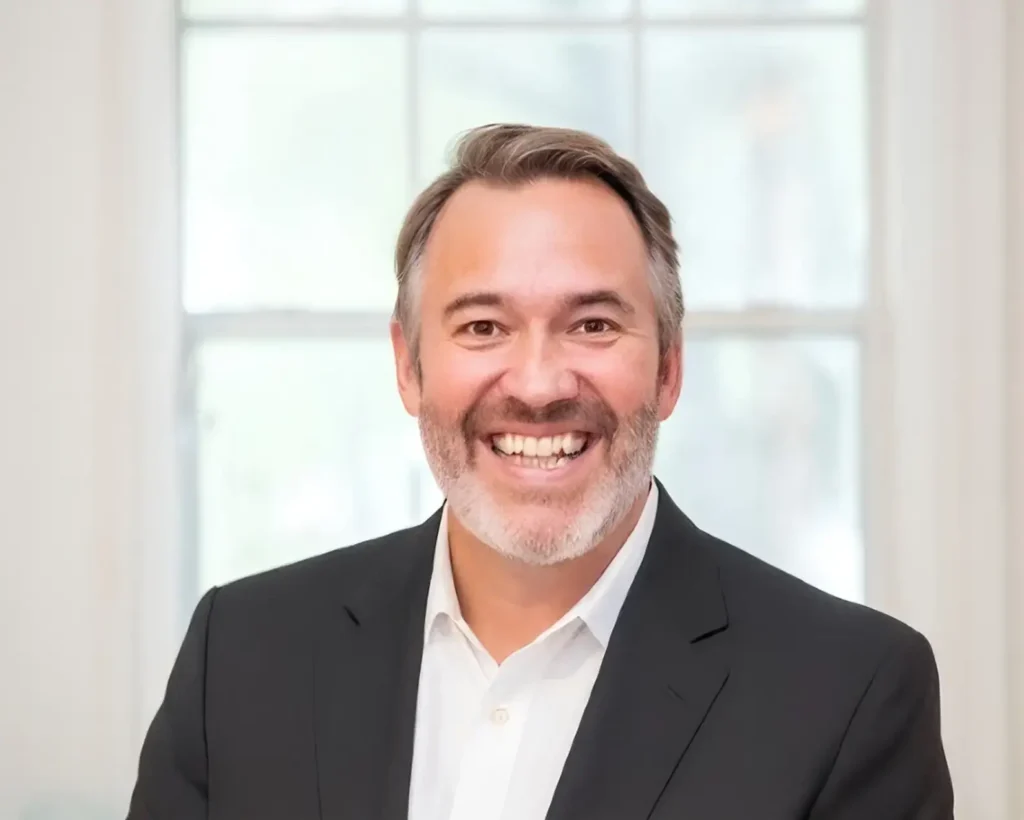
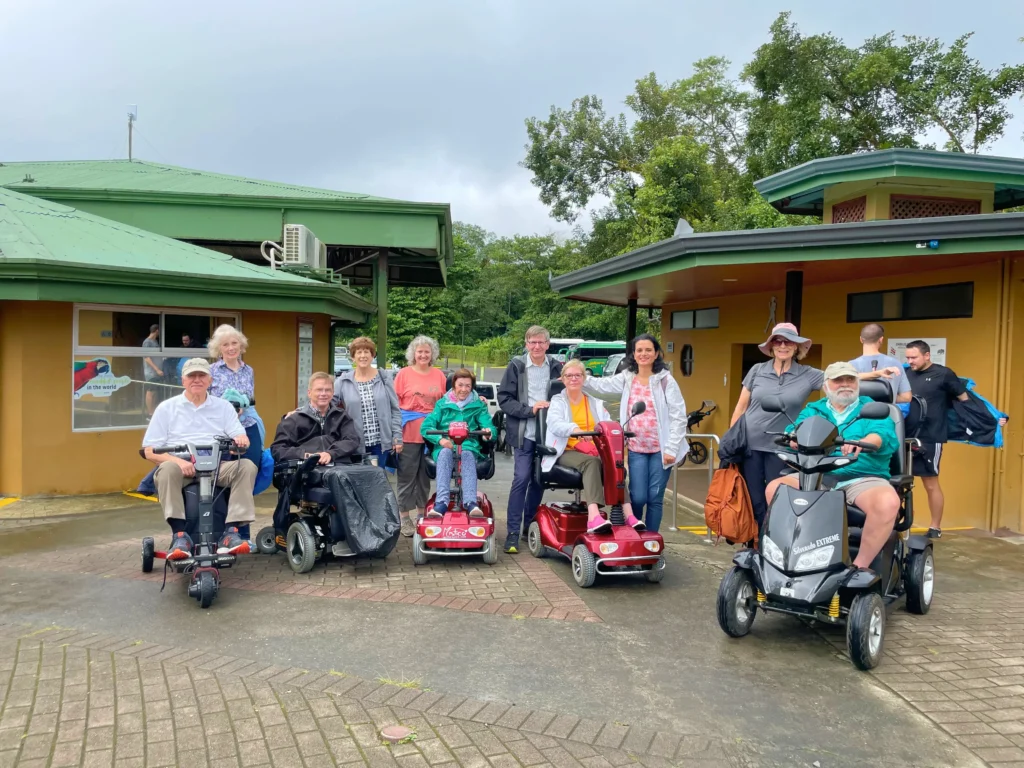
Talk to anyone who has tried booking a trip while juggling access needs and you will hear a familiar mix of frustration, grit and the occasional heroic workaround. Then you meet someone like John Sage, who has spent the past 16 years picking apart the barriers that most travellers never notice. He has taken that lived understanding, blended it with a determined engineer’s brain, and pushed it into places where access discussions rarely had a seat.
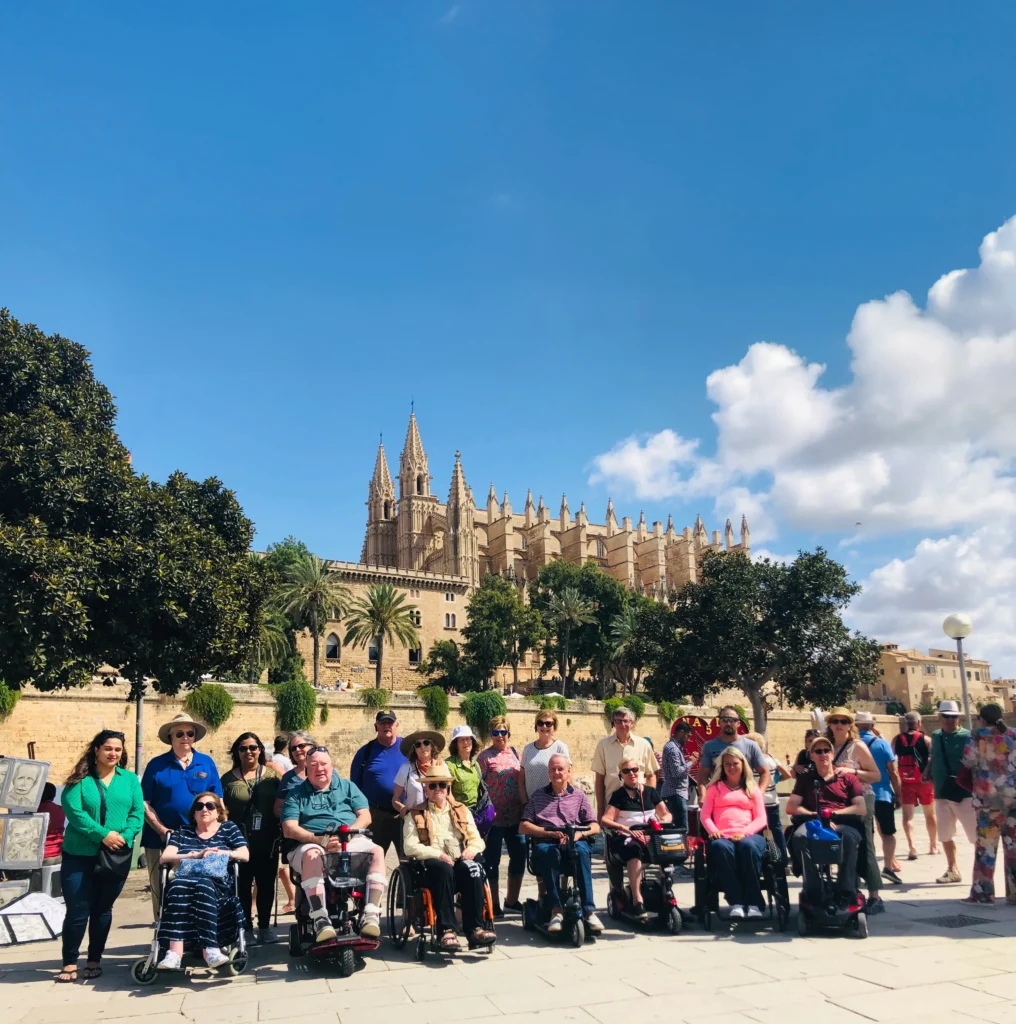
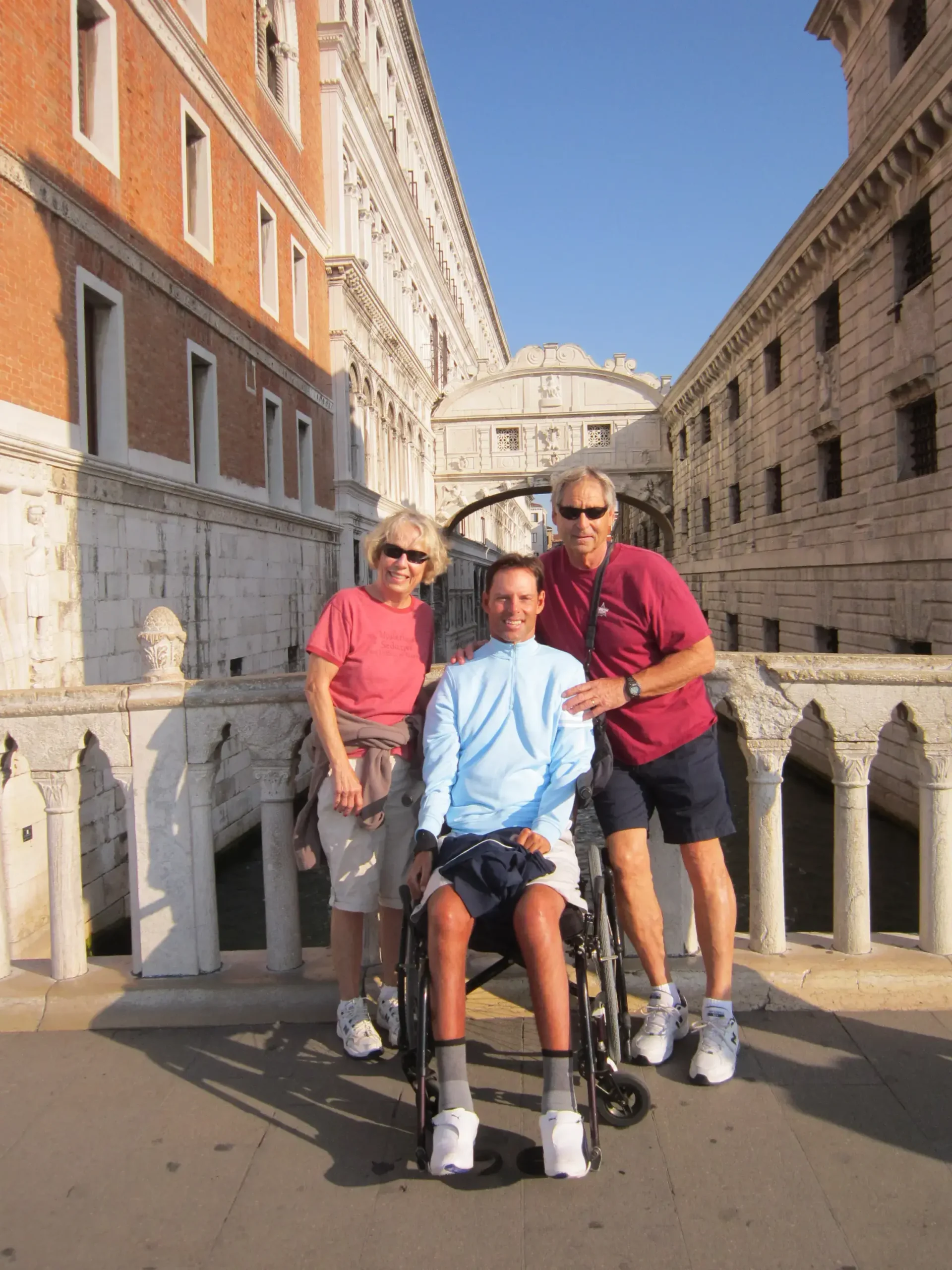
Sage founded Sage Traveling after realizing how hard it can be for wheelchair users to build a trip that is safe, smooth and fun rather than stressful and unpredictable. His team now plans detailed, high-touch trips across Europe and beyond. They research hotels, check routes, verify door widths, confirm lift access and scout attractions long before a traveller even thinks about packing. When something goes sideways, which travel loves to do, Sage’s 24-7 emergency support steps in with real problem solvers, not a generic call centre reading scripts. Picture a volcano erupting, a flight getting rerouted, a hotel room flooding and a wheelchair user suddenly stranded. His team has managed all that and more with a level of calm precision, only years in the trenches can teach.
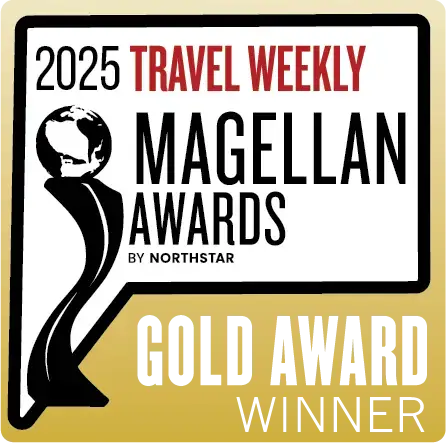
Yet Sage Traveling is just the beginning of the ecosystem he has built. Accessible Travel Solutions came next, a B2B operation that works with travel agents and cruise lines to create accessible shore excursions worldwide. Before his company entered the picture, many cruisers with disabilities stayed on the ship because excursions were either unsafe or simply unavailable. Now travellers can explore ports across the Caribbean, Mediterranean, Baltic, US, Canada, Australia and Asia with far more confidence. The scale is so strong that the company recently won Travel Weekly’s Tour Operator of the Year award, earning the gold level for 2025, repeating a victory last seen in 2016 when they won silver.
This year, in 2025, Sage was honored and humbled to receive the Travel Unity Inclusion Champion Award, a recognition determined by public vote. Unlike the company-level accolades, this award celebrates Sage’s personal leadership, advocacy and influence in advancing diversity, equity and inclusion throughout the travel industry.
Sage is the only accessible-travel CEO involved with the World Travel and Tourism Council (WTTC), working alongside leaders from major hotel groups, cruise lines, online travel platforms and global travel agencies. His role includes writing the Inclusive and Accessible Travel Guidelines for WTTC, developing accessibility guidelines for UN Tourism and offering recommendations to the U.S. Secretary of Commerce through the Travel and Tourism Advisory Board. This work draws on deep field experience and focuses on giving businesses practical tools, training and certification standards that reflect the needs of travellers with different disabilities. Standing alone in a room of giants can feel intimidating, but Sage uses the moment to show that inclusion cannot rely on goodwill alone. It needs systems that work.
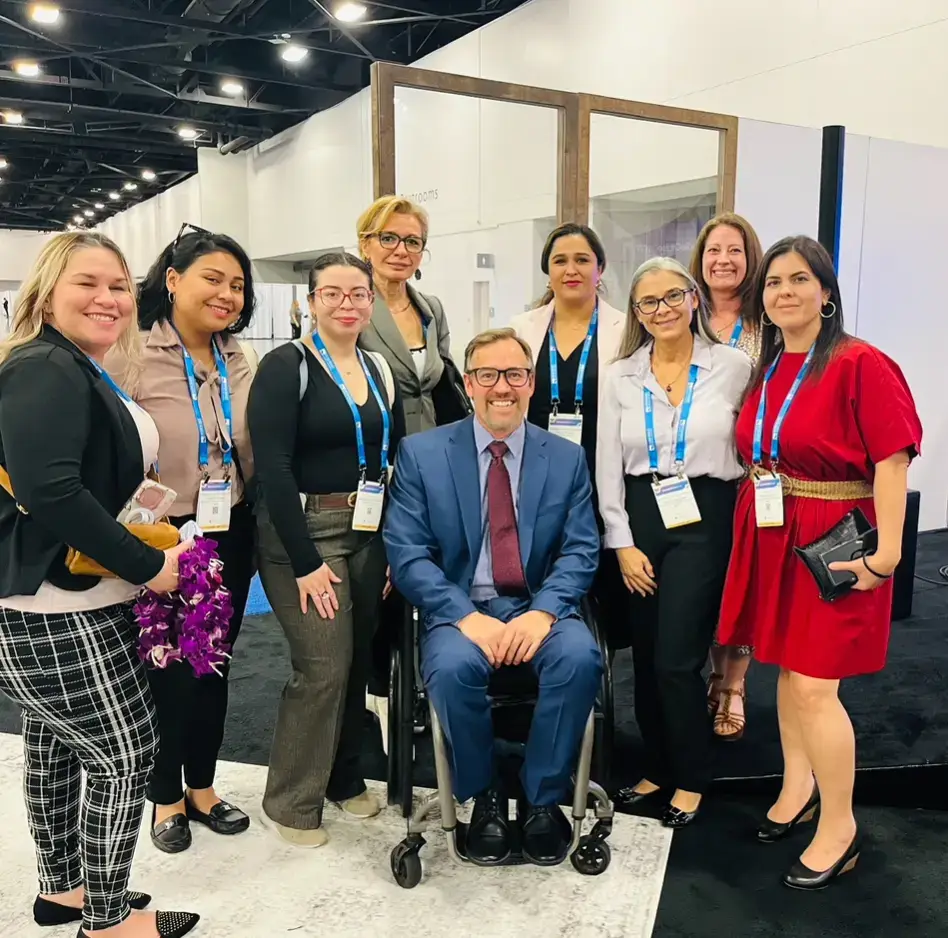
This is where the Sage Certification comes in. After two years of digging through thousands of pages of accessibility laws worldwide, plus 200,000 hours of accessible travel planning experience, his team created a structured way to evaluate and certify accessibility for five disability types: mobility, vision, hearing, neurodivergence and allergy. Businesses can earn either Sage Checked (silver level) or Sage Certified (gold). Unlike programs that look only at mobility, this one recognizes that access comes in many forms. A hotel might excel in support for guests with sensory needs while still working toward better mobility features. A cruise ship might struggle with its older layout yet stand out in hearing or vision access. The certification acknowledges the nuance without pretending access is one-size-fits-all.
For destinations and businesses, it is a wake-up call and an invitation. Some locations in Michigan used the state’s matching grant to complete full assessments, resulting in nearly 200 certified sites. Pennsylvania Convention Center became the first convention centre to earn certification across all five disability types. Each assessment takes days of on-site review and days of analysis. Nothing is rubber-stamped or surface level.
Certification is not just a sticker on a website either. It comes with training that covers hospitality teams, front desk staff, housekeeping, food and beverage, attractions, event planners, security and shore excursion managers. It pushes businesses away from guessing and toward real clarity. When a guest phones to ask whether they can transfer safely in the bathroom or whether a sensory-friendly area exists, staff should not fumble through answers. They should actually know.
Sage hears the misconceptions all the time. Some businesses think accessibility upgrades will not bring a return on investment. Others tackle one project, stumble and never try again. Travellers often deal with incomplete or incorrect information on hotel websites, leading to a long list of disappointments. Many stop travelling or stick to the few places that proved safe in the past. This is where Sage’s work creates real change, shifting both expectations and standards.
As he speaks with leaders from Rome to Las Vegas, cruise ports to tourism boards, the momentum is growing. Progress in the next five years, he believes, will outpace the last twenty. Conversations that once felt like introductions now feel like momentum. Travel companies are recognizing that inclusion brings both social and financial impact. Disabled travellers notice the difference too. Each certified site, trained staff member and accurate access detail chips away at an industry that once forced people to settle.
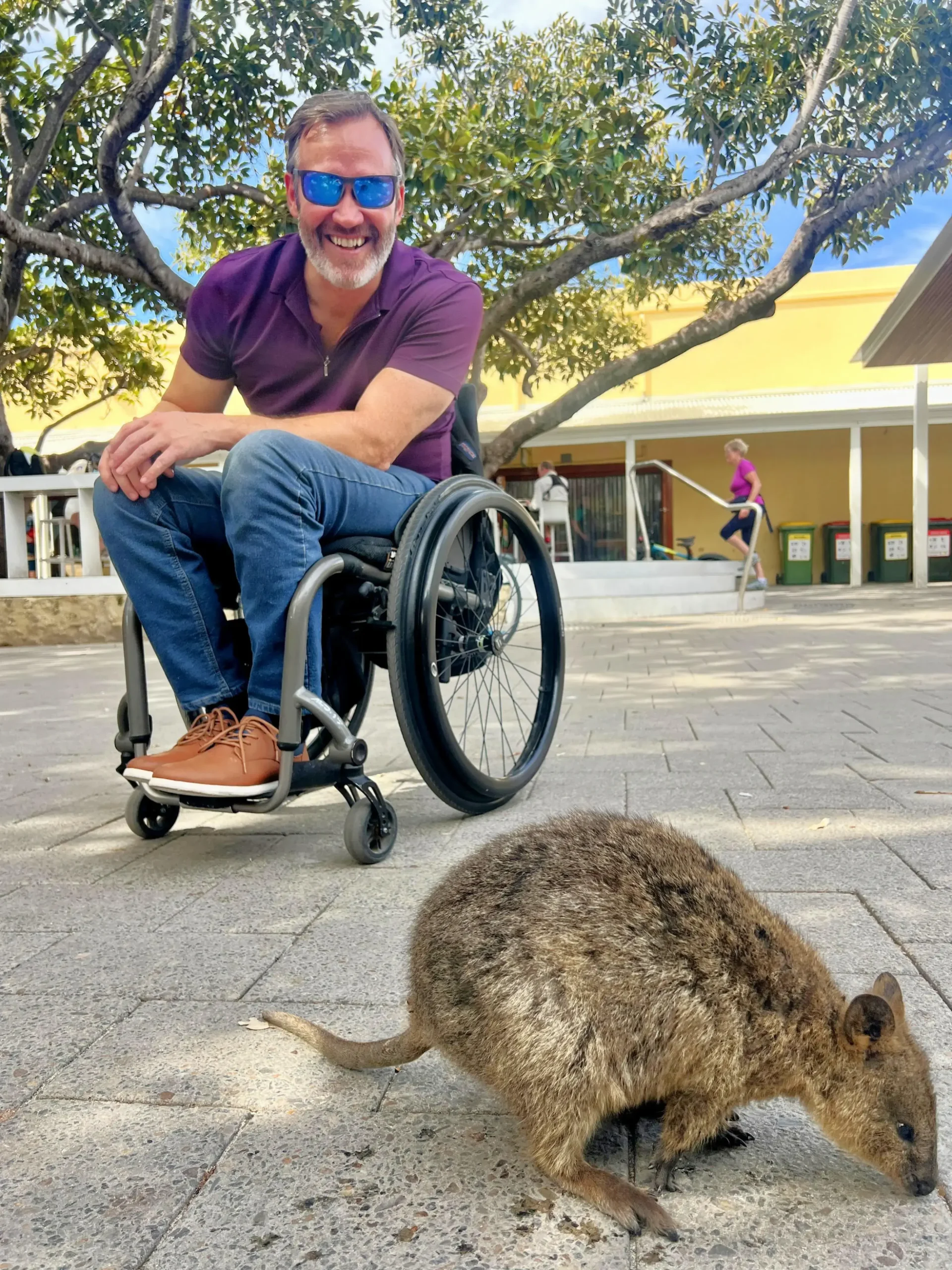
Sage’s work does not solve everything, and he would be the first to say so. But it does something that matters. It moves the entire industry closer to a world where travellers with disabilities do not have to fight for the basics on a trip. They can actually enjoy the experience, and in an industry built on freedom and exploration, that shift feels long overdue.
Related Articles: