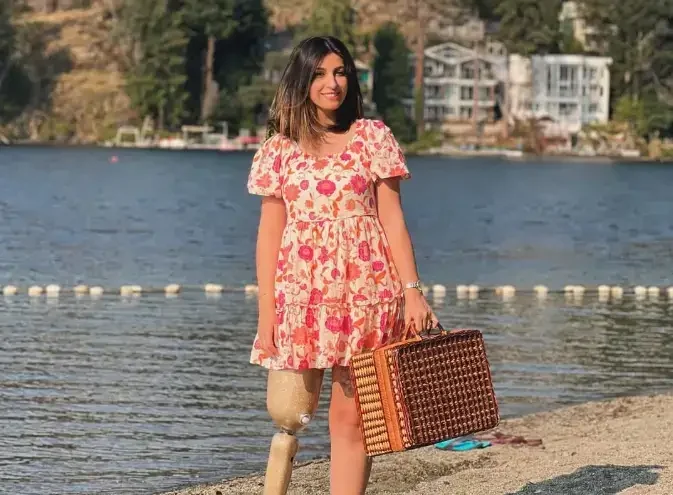
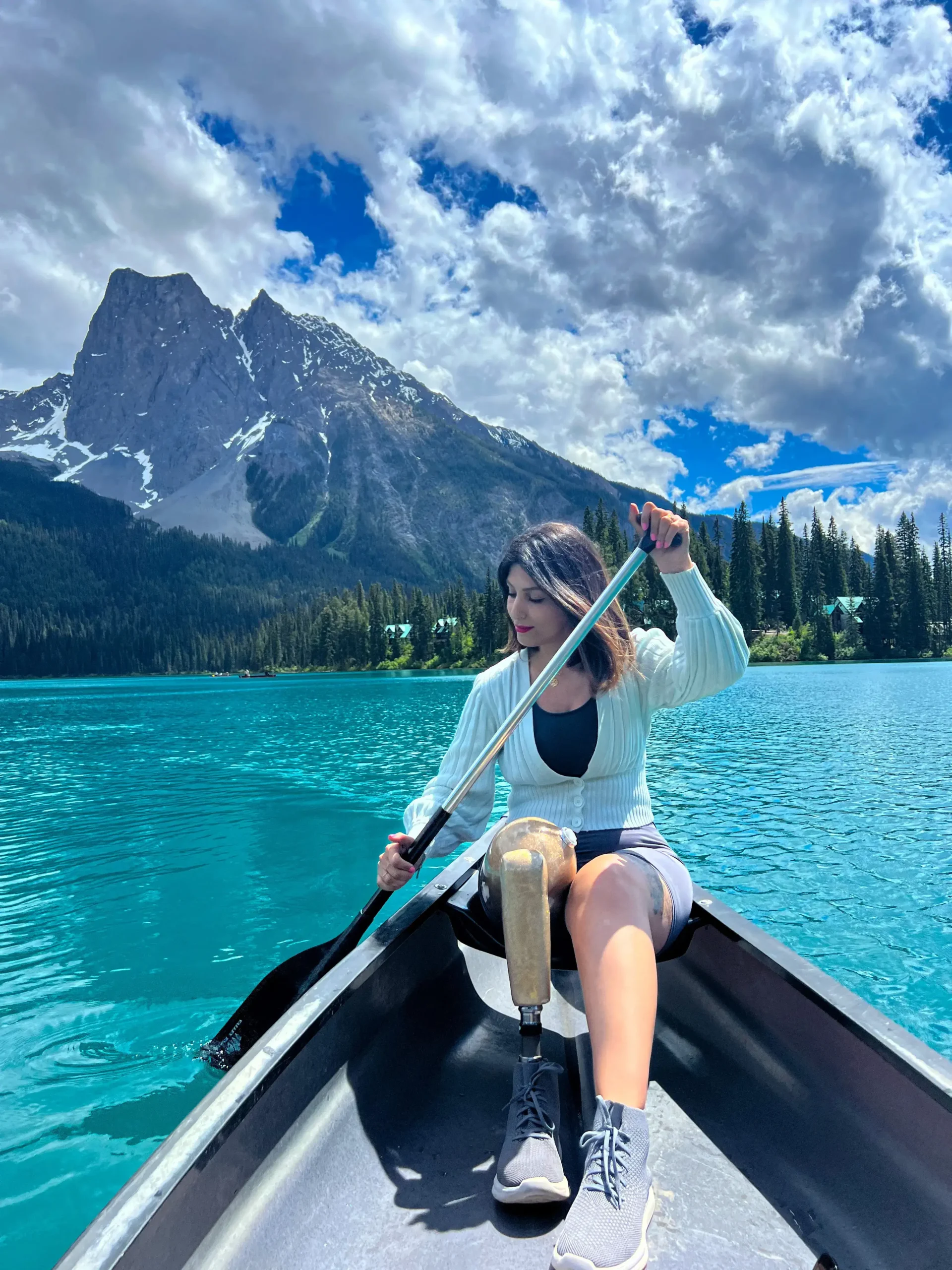
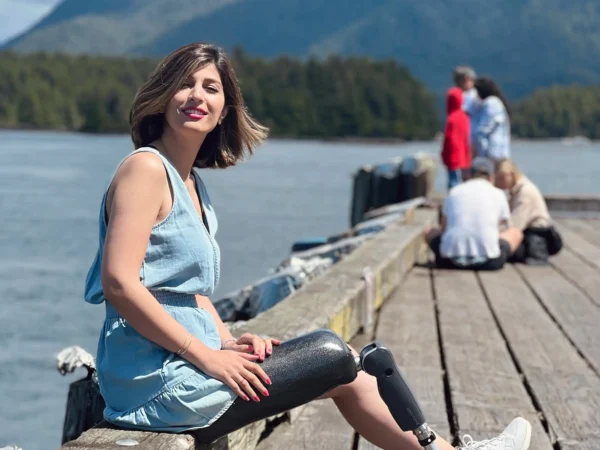
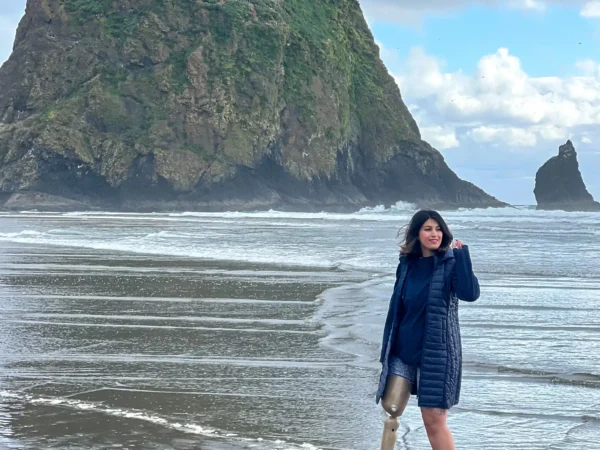
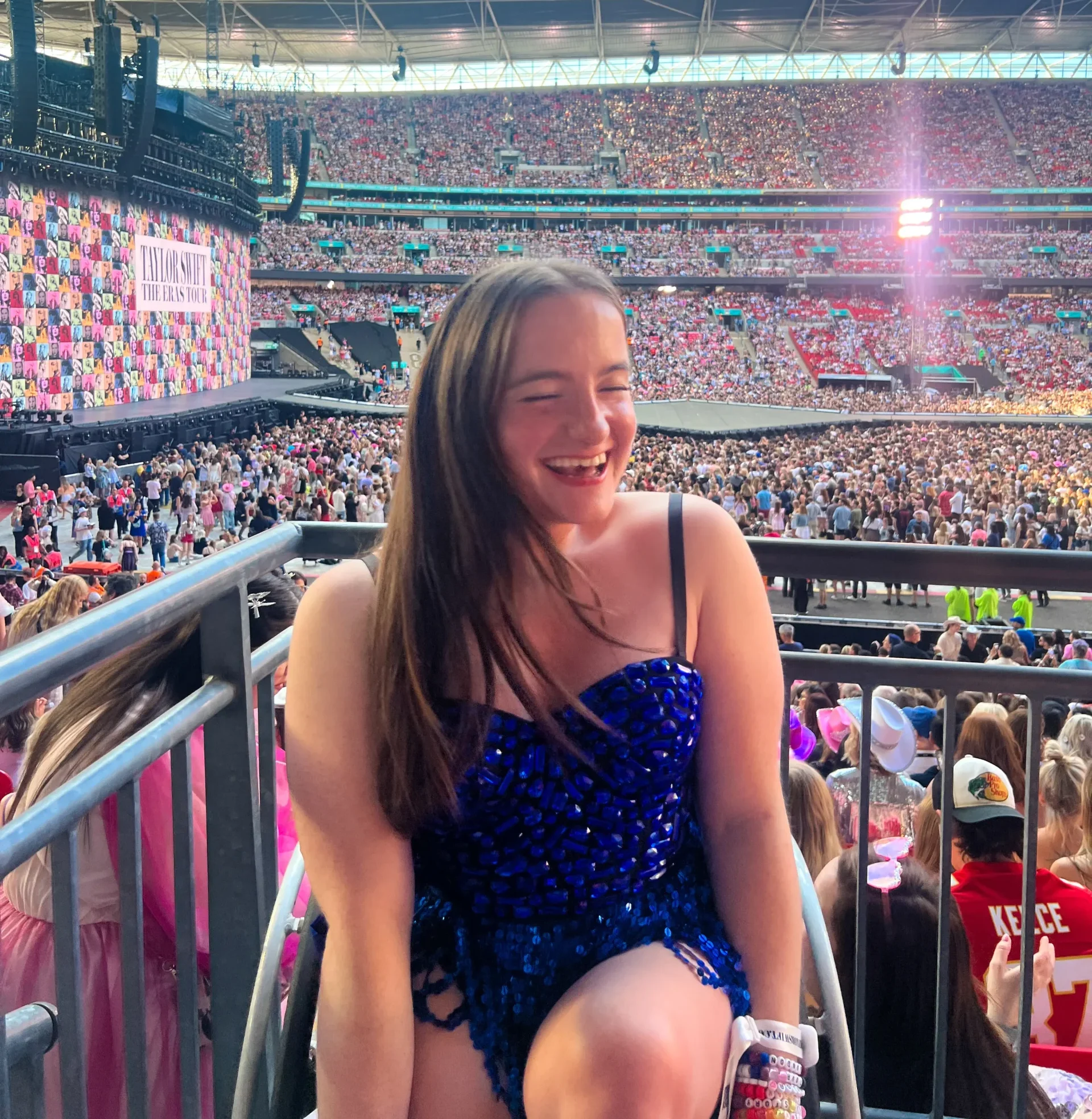
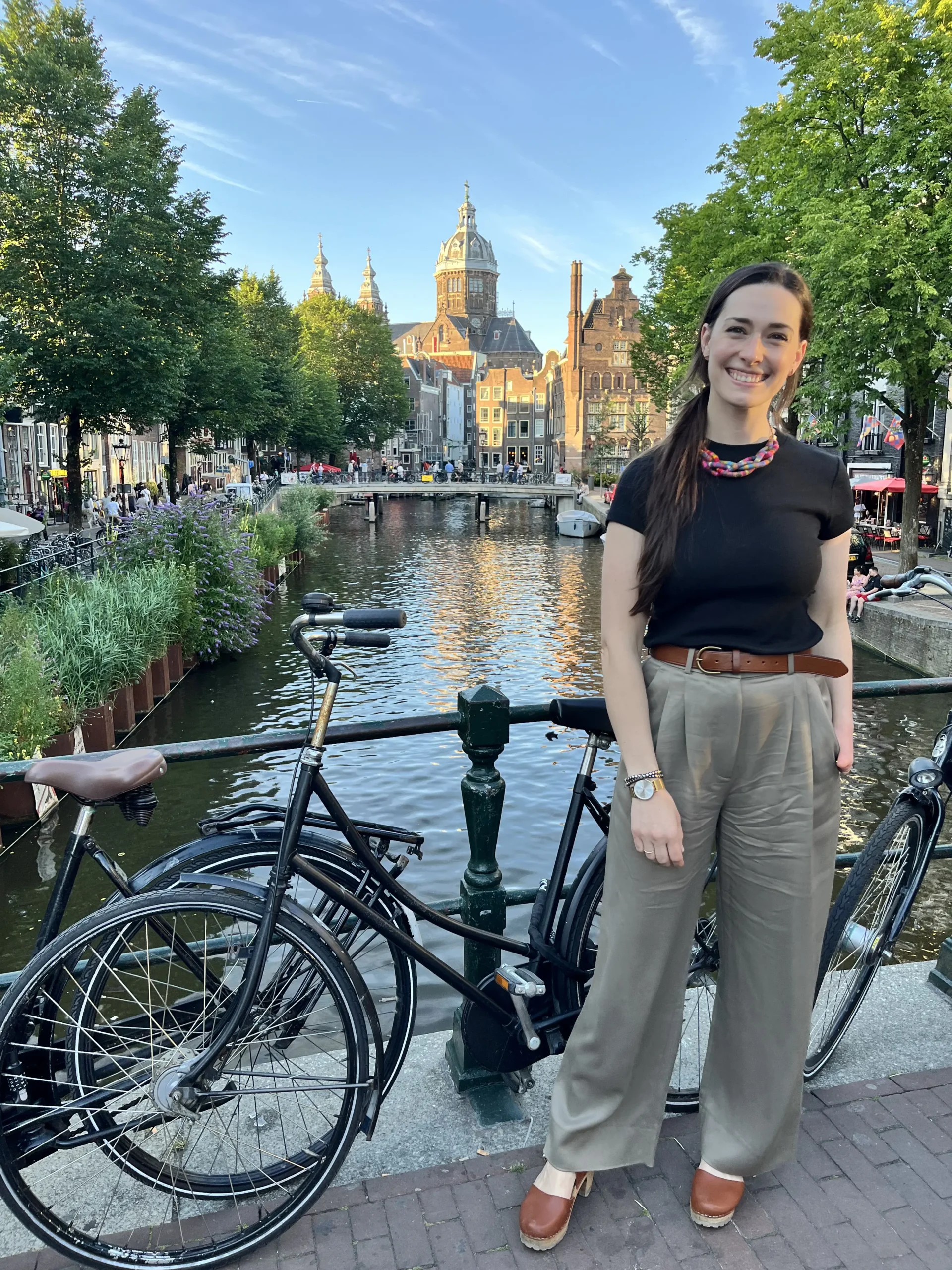
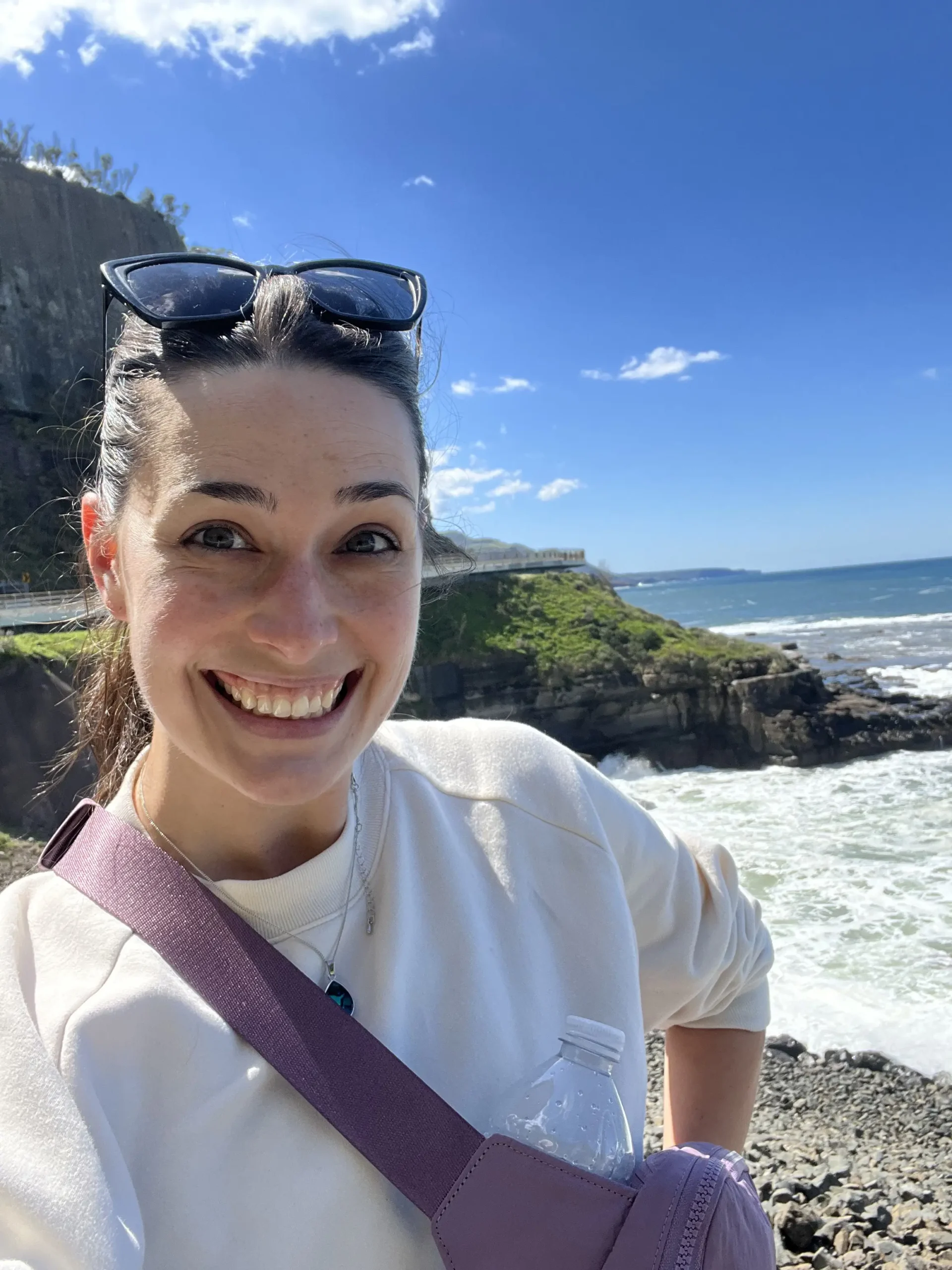
Ten years ago, I lost my leg in an accident. At the time, I could never have imagined that I would one day lead such an active and adventurous life. For a long while, my concerns were simple but overwhelming: walking, maintaining balance, driving, being in social spaces, and continuing my professional career the way I always had.
What international travel really looks like for adaptive skater Kanya Sesser
Kanya Sesser arrives at an airport prepared. She asks questions, sets expectations and knows exactly what she needs before moving through security or boarding a flight. Travel is part of her work and her routine, shaped by years of competing, modelling and appearing on international stages.
Travelling with access in mind: Three journeys that redefined what’s possible
By Sara Banaeirad
The Amalfi Coast had been on my bucket list for years, so I approached the trip with months of planning and high expectations. The reality was mixed, part exhilarating and part deeply frustrating. Positano, the most famous spot on the coast, was the most challenging area for me. The combination of chaotic parking, intense heat, and endless staircases made it almost impossible to enjoy.
Kendra Erhardt shares accessible travel realities through her website Wheelie Girl Travel
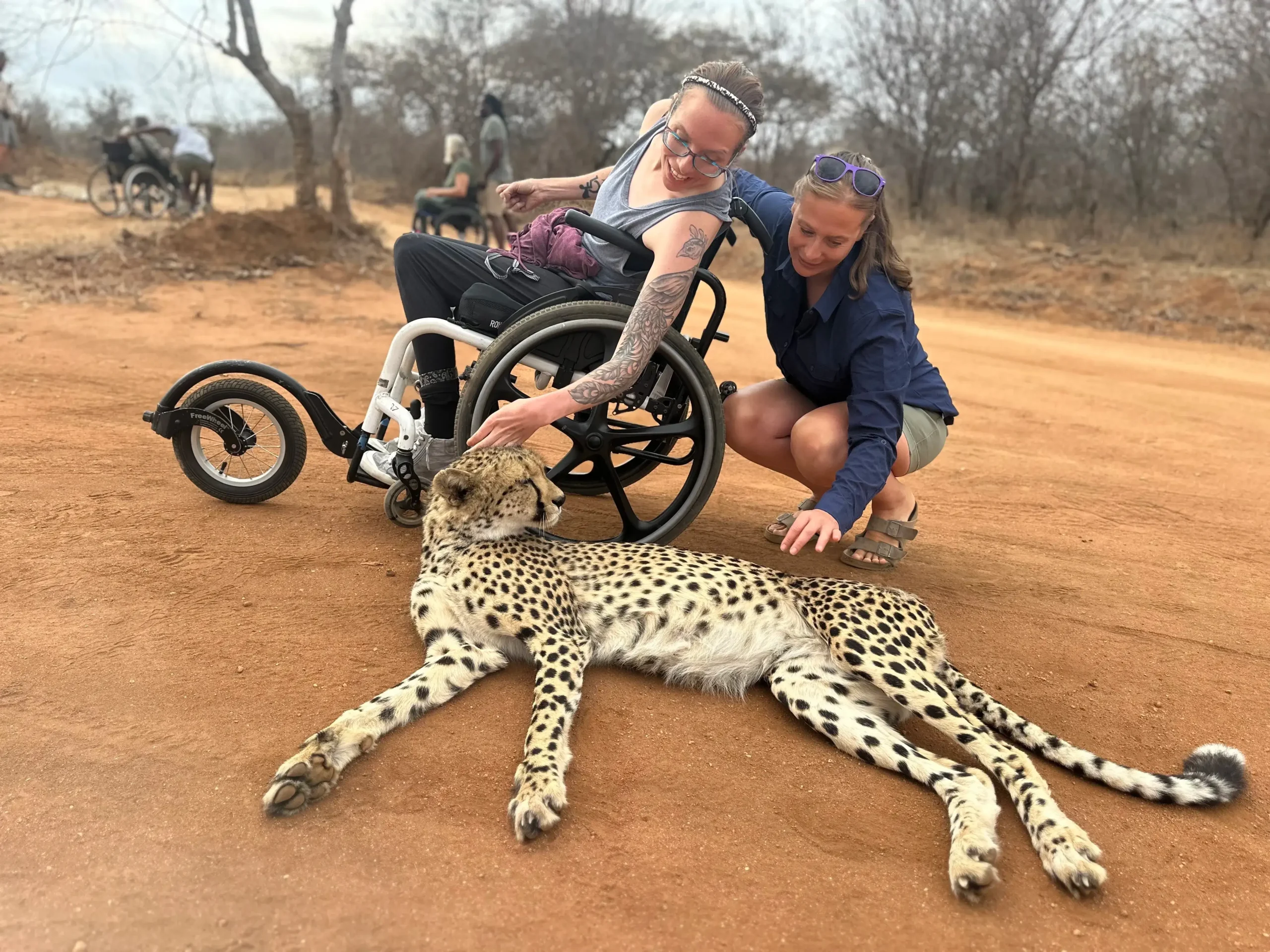
Six and a half years ago, Kendra Erhardt lay in a hospital bed, crying as she mentally listed places she believed she would never see again. A downhill skiing accident had left her with a T10 spinal cord injury, and she had become a full-time wheelchair user almost overnight. In those early days, nothing felt familiar. Every task required thought, patience and repetition.
Why Jenn Lloyd has become a trusted voice in disability travel planning
Jenn Lloyd has always wanted to see the world. Long before passports and plane tickets were realistic options, she was a child memorizing flags, capitals and country facts from an almanac, quietly building a mental map of places she hoped to reach one day. Travel fascination came early. The logistics arrived much later.
Steps across the world: Tips for travelling with a prosthetic leg (from the wearer of a prosthetic leg)
By Sara Banaeirad
Travel has always been one of the most enriching parts of my life, a way to connect with cultures, people, and landscapes that expand how I see the world. Yet, for me, every trip also carries an additional layer of preparation and resilience. Living with a prosthetic limb means that each destination isn’t just about adventure; it’s about adaptation, resourcefulness, and courage.
Mah Mooni on freedom, accessibility, and finding home through travel
Mah Mooni is a multilingual singer, songwriter, and activist from Iran, now based in Brazil. Since migrating in 2012, she has used her music, poetry, and performance to speak out for women’s rights, bodily autonomy, and the dignity of people with disabilities. Her work bridges cultures and challenges the narratives that silence marginalized voices. Shaped by the contrast between restrictive environments in Iran and the inclusive communities she discovered in Brazil, Mah’s artistic journey is rooted in resilience and freedom of expression.
Sara Banaeirad inspires women with disabilities to travel boldly and stay visible
Beyond museums and beaches, travel has reshaped how Sara sees independence. Even though she often travels with her husband, they sometimes split their days. He wanders for long city walks while she slips into museums he would rather skip. She navigates new buildings, foreign languages and unfamiliar streets on her own, asks strangers for help when she needs it and finishes the day thinking, “I did it.”
Inclusive travel is not the same as accessible travel—and that distinction matters!
In North America especially, accessible travel has a very specific meaning. It implies compliance with the Americans with Disabilities Act: adapted vans, roll-in showers, grab bars, smooth pathways, and tourism activities designed to be fully usable by people with disabilities.
A wheelchair travel Q&A with Rosie Dunn who has visited 39 US States and 20 countries
Rosie is a travel writer and content creator based in Nashville, Tennessee. She has been a full-time manual wheelchair user for more than 25 years following a spinal cord injury. From her wheelchair, she has travelled to 20 countries and 39 U.S. states. Through her blog and social media platform, RosieRoaming, she shares practical insights into travel and daily life as a wheelchair user.
Accessible travel through the lens of a flight attendant with a limb difference
Sarah Tuberty moves through airports, airplanes and cities with a clarity shaped not by training manuals, but by a lifetime of lived experience that has taught her where systems support people and where they quietly fall short. Born with a congenital limb difference, disability has always been part of her life, but what it meant to her changed gradually as she grew older.
Q. In your view, which destinations combine comfort, adventure and accessibility?
Sarah Tuberty: Italy remains one of the most meaningful places I’ve lived and travelled. I spent a year there as a high school exchange student, and what stood out was how often people related to me as a person first, rather than focusing on my limb difference. That cultural response made daily life and exploration feel easier.
Accessible travel tips for disabled travellers from writer Carrie-Ann Lightley
Lightley is a freelance writer, speaker and content creator specializing in accessible travel, with 20 years of experience in the field. Her work began in the early 2000s in an information role at a small charity. At the time, detailed accessibility information was difficult to find online and social media was still in its infancy.
Q: You’ve redefined “adventure” as something that doesn’t have to be extreme. What’s a small travel moment that’s felt enormous to you?
A: The beauty of redefining adventure is that you’re no longer chasing that feeling, but instead seeking lasting contentment. For me, at least, there’s no standout moment that feels more significant than the others, but rather a growing collection of slower, gentler memories that weave together to create something magical to look back on.
Regions that impressed Tiffany with outdoor accessibility for wheelchair travellers
Travelling with a progressive condition forces Tiffany Rose Gambill to move through the world with grit, guided by humour and sharp clarity. Every trip tests her body in ways most travellers never notice, yet she keeps chasing new landscapes because nature steadies her. A wheelchair may shape the route, but never the curiosity that drives her, and she has learned to find colour in places many people hurry past.
Navigating security with pride and power: A guide for travellers with mobility aids, prosthetics, and invisible disabilities
By Matthew “Matty” Medeiros
I still remember the first time I approached airport security with my mobility scooter. Before that moment, travelling had always been easy. I used to glide through checkpoints without a second thought, never stopping to consider how much my body made the process simple. But after my arthritis diagnosis and the progression that eventually required me to use a scooter for long distances, everything suddenly felt different.
When Travel Oregon invited me out for their Accessible Oregon FAM trip, I knew it’d be special — but I didn’t realize I’d be watching a piece of travel history in motion. Oregon just became the first state to be officially Accessibility Verified by Wheel the World, and I spent a week seeing what that actually looks like off paper — across five regions, seven cities, and a lot of coffee.
Welcome to Ann Arbor, Michigan! You are invited to experience a mix of energy and charm in this bustling college town filled with art, entertainment, great food, nature, and vibrant local culture.
As the first Wheel the World Verified Destination in the state, visitors with physical, cognitive, or invisible disabilities can explore the Ann Arbor area with confidence. Through accessible attractions, inclusive outdoor activities, and sensory-friendly things to do
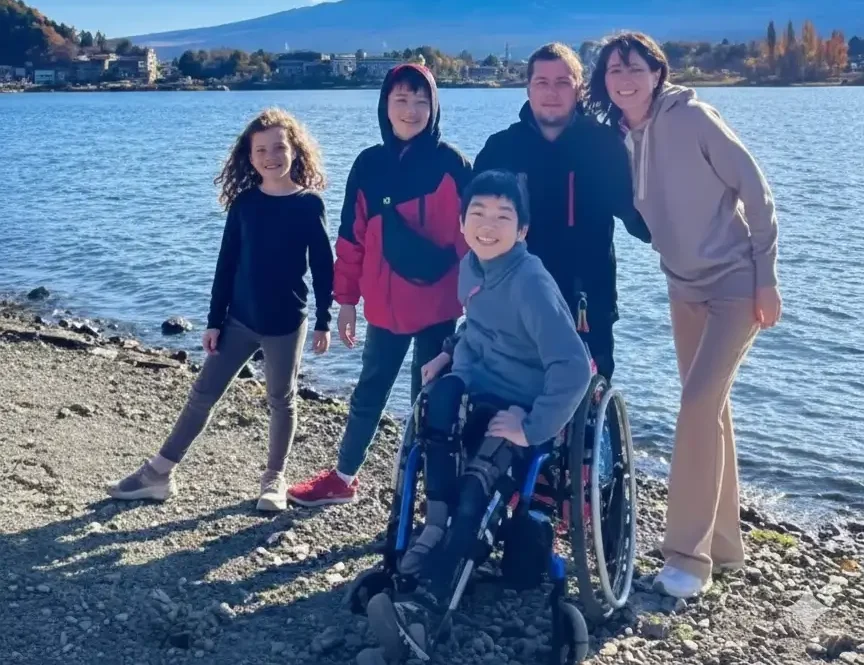
Traveling to Japan with a wheelchair can feel overwhelming. Figuring out where you can and cannot go is hard enough when you can research in your own language and time zone, not to mention making follow-up calls to confirm accessibility needs. We packed a lot into two busy weeks in Japan and overall it was a genuinely positive experience. Public transportation was largely accessible, accessible restrooms were easy to find, and it was clear that many cities are making real efforts to welcome all travelers.
Rerouting: navigating the detours in travel and life as a family with disabilities
By Jennifer Allen
You may be familiar with the Emily Perl Kingsley short story, “Welcome to Holland.” It’s a beautiful analogy that compares the disability journey to a flight to Italy that unexpectedly delivered travellers to Holland, instead. While the travellers had planned for the splendors of Italy, and are momentarily flummoxed by the changes in language, currency, and itinerary, they end up adapting and embracing the beautiful land of tulips.
Q: How have real families navigated mixed-access needs?
A: “It’s utter chaos!” responded Amy Tarpein, of Elijah’s Baby Bucket List, but of the best kind. In some ways, it’s no different than traveling with any family with varying ages and interests.
Alabama through a mother’s eyes: a mother–son trip with space for every generation
By Kristy Durso
This issue’s theme is women in travel, and for me, that almost always comes back to motherhood.
Our Alabama trip was just Timothy, my youngest child, and me: a simple mother–son getaway. No big group. No complicated logistics. Just the two of us exploring. Everywhere we went, I kept thinking the same thing: this place gets families.
When most people think of Salzburg, Austria, images of Mozart’s birthplace or musical The Sound of Music pop into their mind. It certainly did for me — and truth be told those are pretty good reasons. But it turns out there is so much more to this enchanting city.
Global travel accessibility expands through John Sage’s industry leadership
Talk to anyone who has tried booking a trip while juggling access needs and you will hear a familiar mix of frustration, grit and the occasional heroic workaround. Then you meet someone like John Sage, who has spent the past 16 years picking apart the barriers that most travellers never notice.
There are so many ways to describe the City of Ottawa. For some, it is the centre of government, with Parliament Hill in the downtown core. For others, it is Silicone Valley North, with people creating all those apps and techie things that make our lives better. (I love that it is highly accessible and thrives on being so.
After years of travelling as a wheelchair user, I stopped being surprised when things didn’t work. Not because people didn’t care. Most of the time, they did. But because the same problems kept showing up again and again. The hotel was almost right. The room was labelled accessible. The staff wanted to help, but didn’t quite know how. Something always broke down.