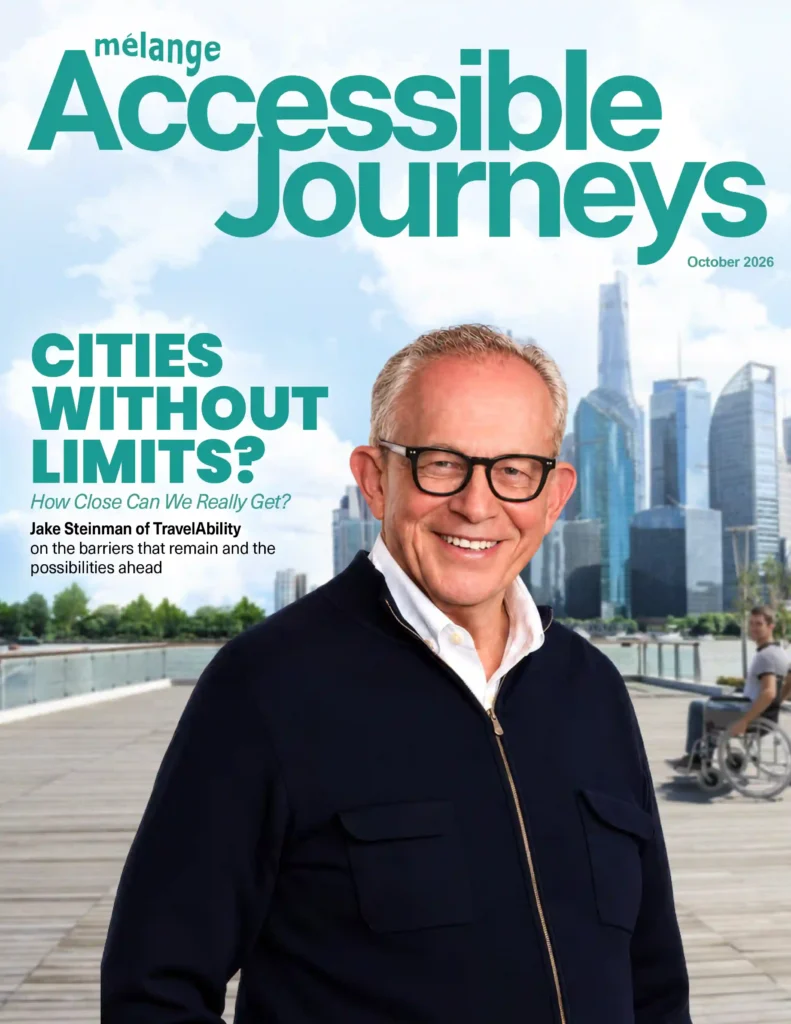
October 2026 Issue
Magazine Sections
Guest Editor
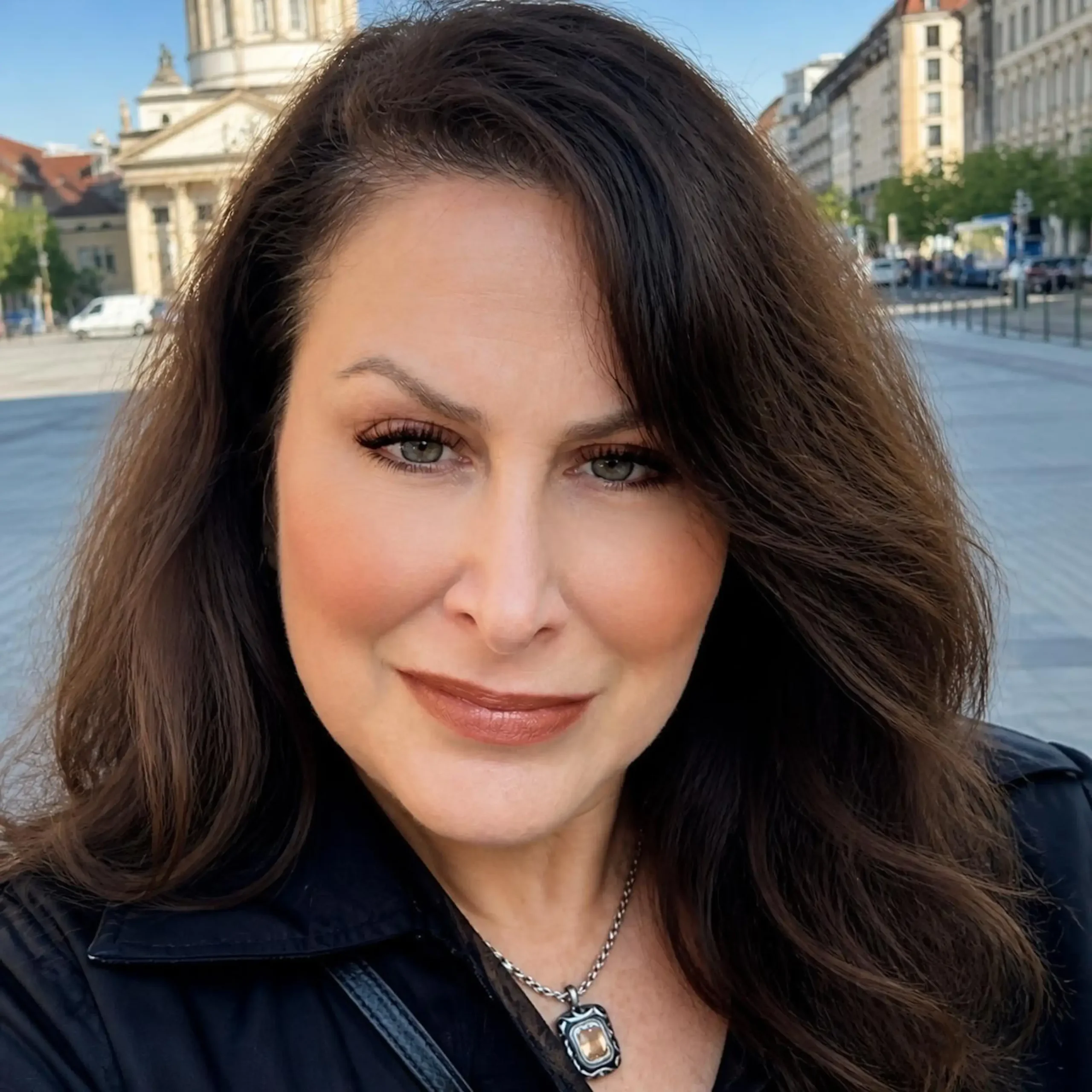
Guest Editor's Note
By Elyse Glickman
Was there ever a time in your life when you shared your desire to travel with others, only for them to discourage you from pursuing it–even with the best intentions and your safety at heart? There will always be naysayers and gatekeepers with their opinions, but there is an increasing number of people with disabilities who choose to treat those opinions as motivation and inspiration to see the world on our terms. As a neurodivergent traveler, I happen to be one of them.
Cover Story
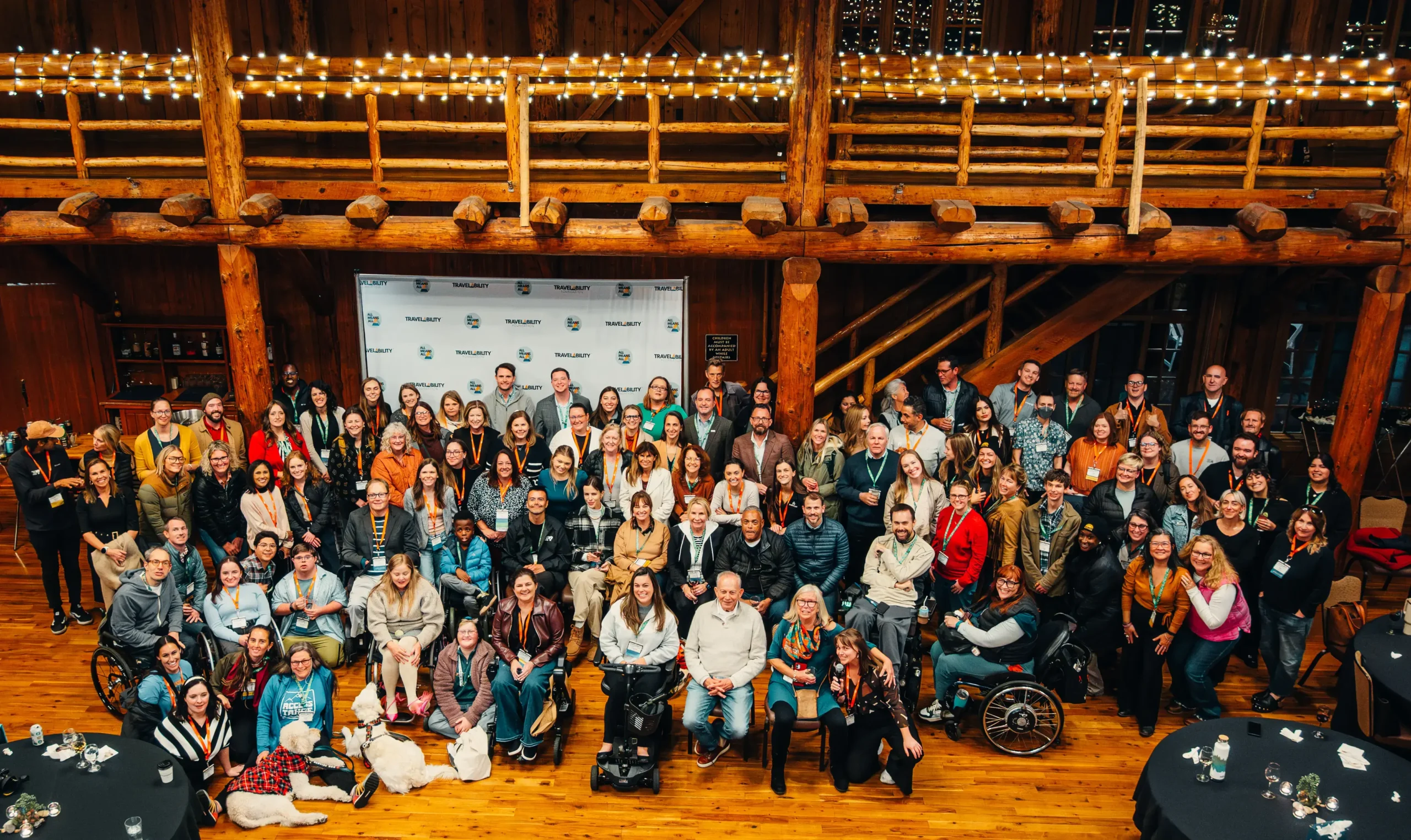
Can we eventually have cities without limits?
You have chosen the city, found a hotel and started imagining the trip. Then come the questions that can determine whether any of it will happen. Can you get from the airport to your accommodation? Will the room work for you? Can you reach the places you came to see and get back afterwards?
For a disabled traveller, these answers shape the holiday long before departure. An accessible museum means little if the journey there is uncertain.
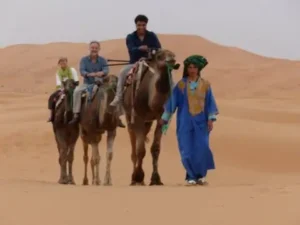
My city through my eyes
For me, Marrakech is a city that begins early. A typical day might start with meeting visitors at their hotel and making sure everyone is comfortable before we begin. I like to take the morning at a relaxed pace, because accessibility is not only about whether a place can physically be reached, it is also about giving people enough time to enjoy it without feeling rushed.
e might begin with some of the historic areas of the city, visiting places such as the Koutoubia area, the medina, traditional markets or one of the city’s gardens. Along the way, I explain not only what visitors are seeing, but also what they should expect from the surfaces, traffic, crowds and entrances.
Cities Without Limits?
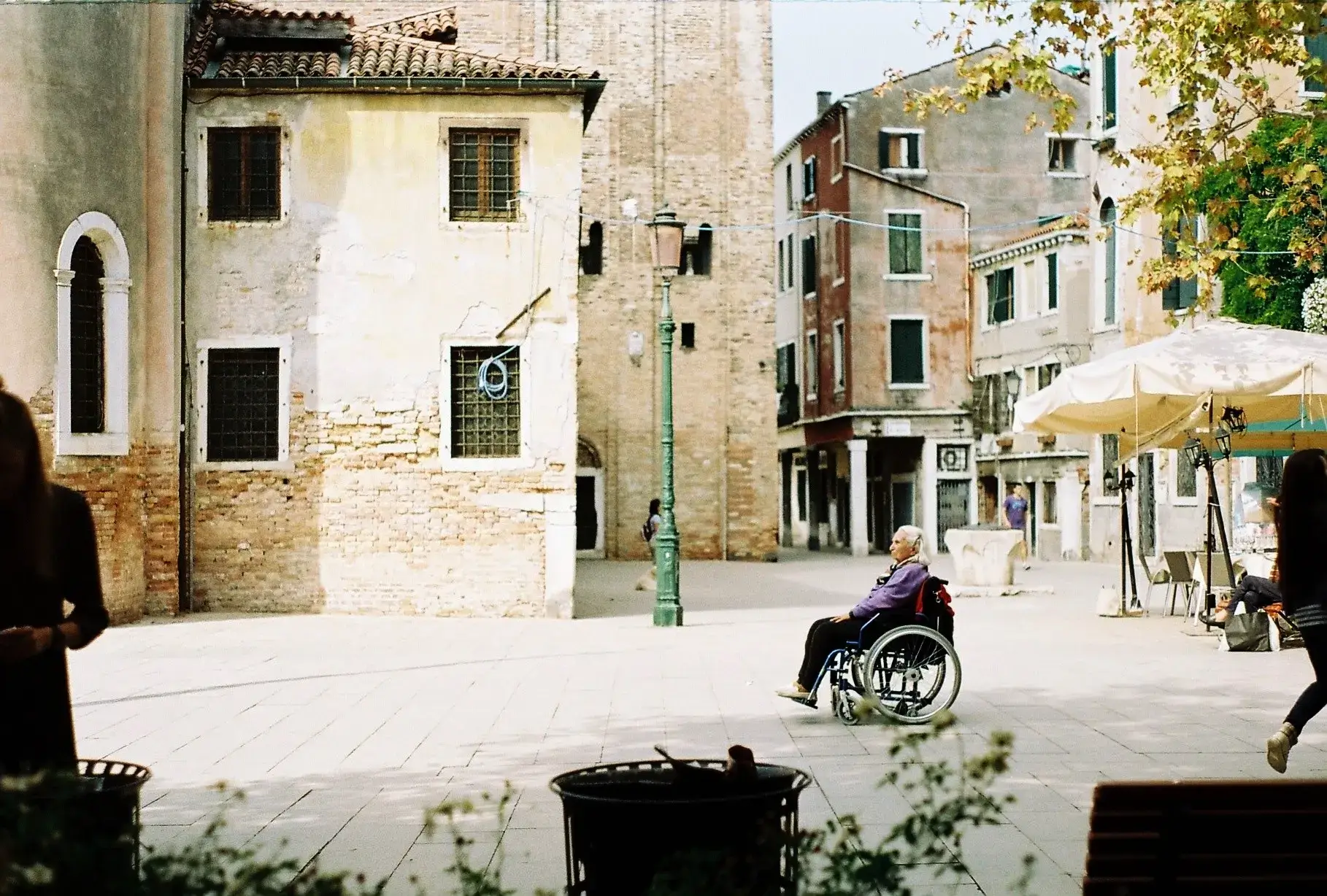
Can historic cities become cities without limits?
By Alicia Williams
Historic cities, with their centuries-old streets, buildings and public spaces, are often loved for their character, but those same features can also create significant accessibility barriers. Many have cobblestone streets worn smooth over centuries, stone staircases leading into churches and museums, and narrow lanes designed long before wheelchairs, mobility scooters or even cars existed. Bridges can rise steeply over canals, doorways may be too narrow and pavements can disappear without warning.
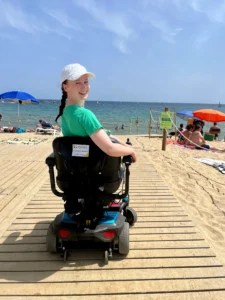
Pippa Stacey on the art of travelling with limited energy
When I first acquired my condition, there were many years when I wasn’t well enough to travel at all. Building up the confidence, skills, and stamina to travel isn’t something that happened overnight for me – it’s something I’ve worked up to slowly and gradually, always listening to my body along the way. Even if travel feels overwhelming right now, it doesn’t mean it will always feel that way – and although I’m able to travel internationally now and even lucky enough to call it part of my work, some of my most favourite adventures of all are the ones closer to home where I can explore a new environment in a calm and peaceful way.
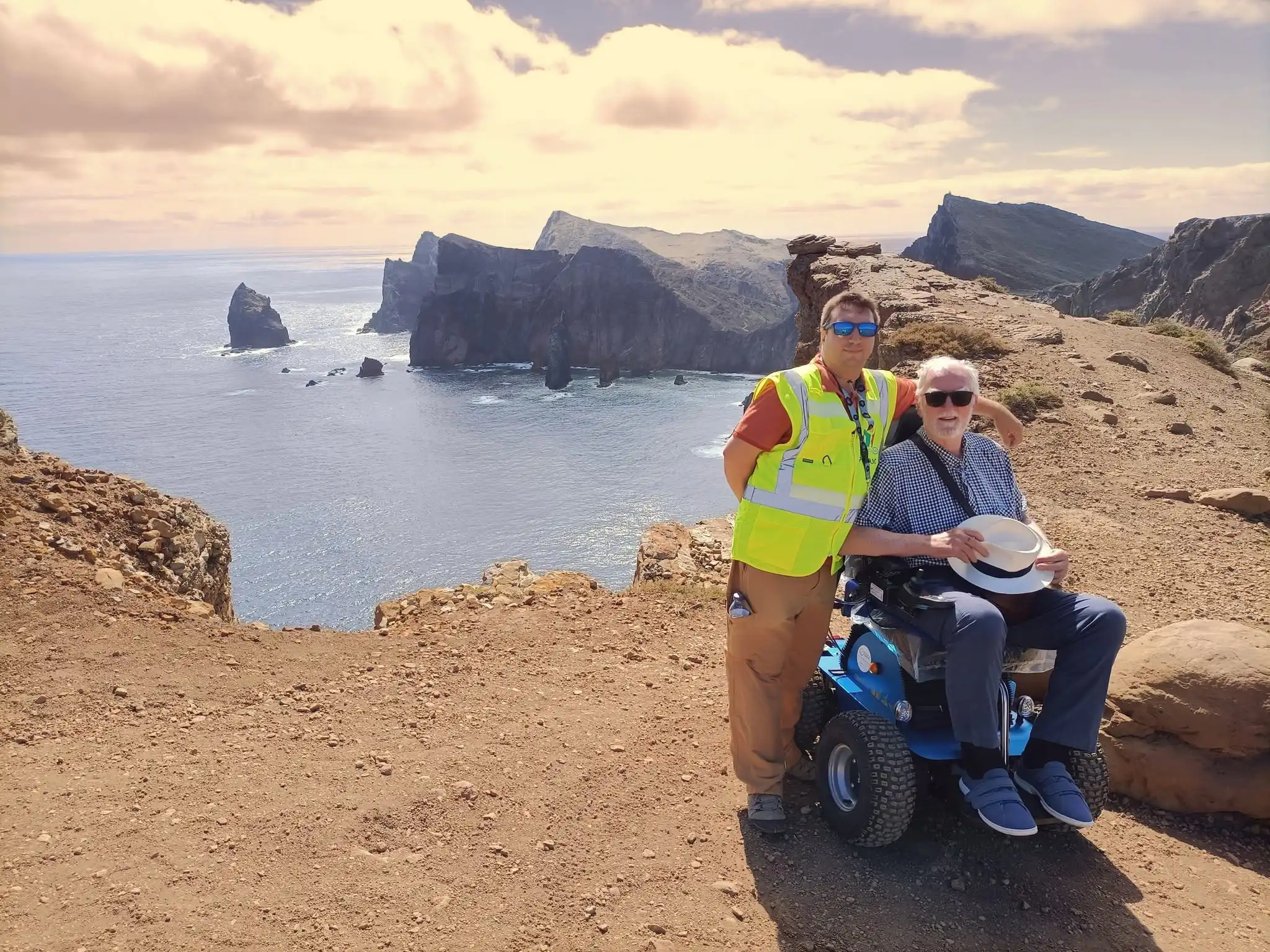
When Madeira says it is not possible, Madeira Acessivel By Wheelchair looks for a way
Perhaps being “without limits” does not mean that every barrier has disappeared. No destination can realistically promise that. In Madeira, the terrain and infrastructure create genuine accessibility challenges, but Tiago Camacho offers a different way of thinking about what a place without limits can mean. The real measure may be what happens when a traveller encounters a barrier. Does the experience end there, or does someone find another way forward?
Madeira does not make accessibility easy. The Portuguese island rises dramatically from the Atlantic, with steep streets, hills, gardens built across changing levels, cobblestones and attractions where a few steps can become an impassable barrier.

I want to experience the city, not spend my day decoding it
Barriers in a city are not always made of concrete, stairs or narrow doorways. At times, a limit is simply being the only person in a crowd who does not know what is happening.
Clearly, something is wrong. Around me, the mood has shifted. People are suddenly standing up, bags are being lifted from the floor. A woman who had been scrolling through her phone is hurrying towards the stairs and, across the platform, another group starts moving in the opposite direction. I look at the departure board. Nothing has changed, but it seems an announcement has been made. Everyone else heard it and, for a few moments, I am standing on a platform where everyone seems to know something I don’t.

Five cities showing what better access can look like
By Alicia Williams
No city can reasonably remove every barrier. Even places widely praised for accessibility can present obstacles due to neighbourhoods, mode of transportation, building, the disability or simply what happens on a particular day. For travellers, broad declarations that a destination is “accessible” rarely provide enough information to know what an actual visit will be like. A more useful question may be this: what are cities getting right?
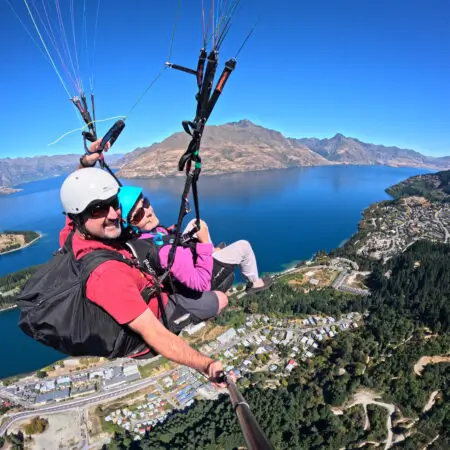
Discovering accessible New Zealand with Ability Adventures
Accessibility is personal, and planning matters
New Zealand is very achievable for accessible travellers, but planning is important. Our major cities and many leading attractions do accessibility well, but once you move into smaller towns and rural areas, accessible accommodation, transport and facilities become more limited. We focus less on whether somewhere calls itself “accessible” and more on whether it is accessible for that particular traveller.
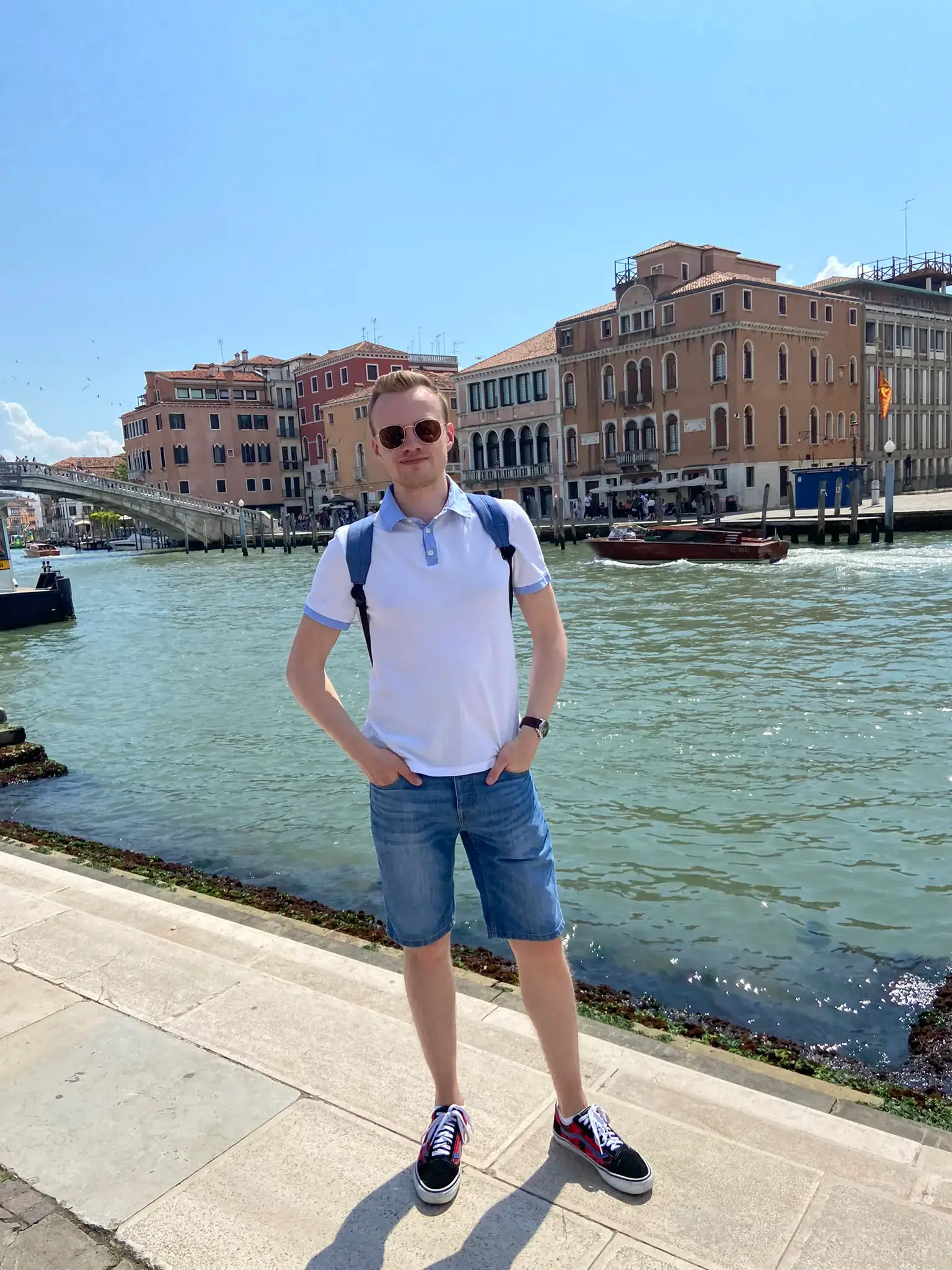
An autistic foodie’s journey through the flavours of the world
For travel writer Louie Amos, discovering a destination often begins with its food, but the pleasure of exploring new flavours also involves navigating unfamiliar places, changing plans and sensory experiences.
The best pizza he has ever eaten was in Venice. His most memorable restaurant meal was overlooking the Caribbean Sea in Barbados. And if he were returning to Vienna, a slice of Sachertorte would almost certainly be on his itinerary.
Accessible Destination Spotlight

Lansing, Michigan - Accessible Destination Spotlight
Located in southeast Florida, The Palm Beaches are a collection of 39 vibrant coastal towns. Visitors can immerse themselves in the colorful culture and nightlife of West Palm Beach, soak up natural beauty in Jupiter, travel back in time in luxurious Palm Beach, and sample the culinary treasures of Boca Raton. In between, dozens more towns await — from trendy Delray Beach to the golf haven of Palm Beach Gardens.
Features
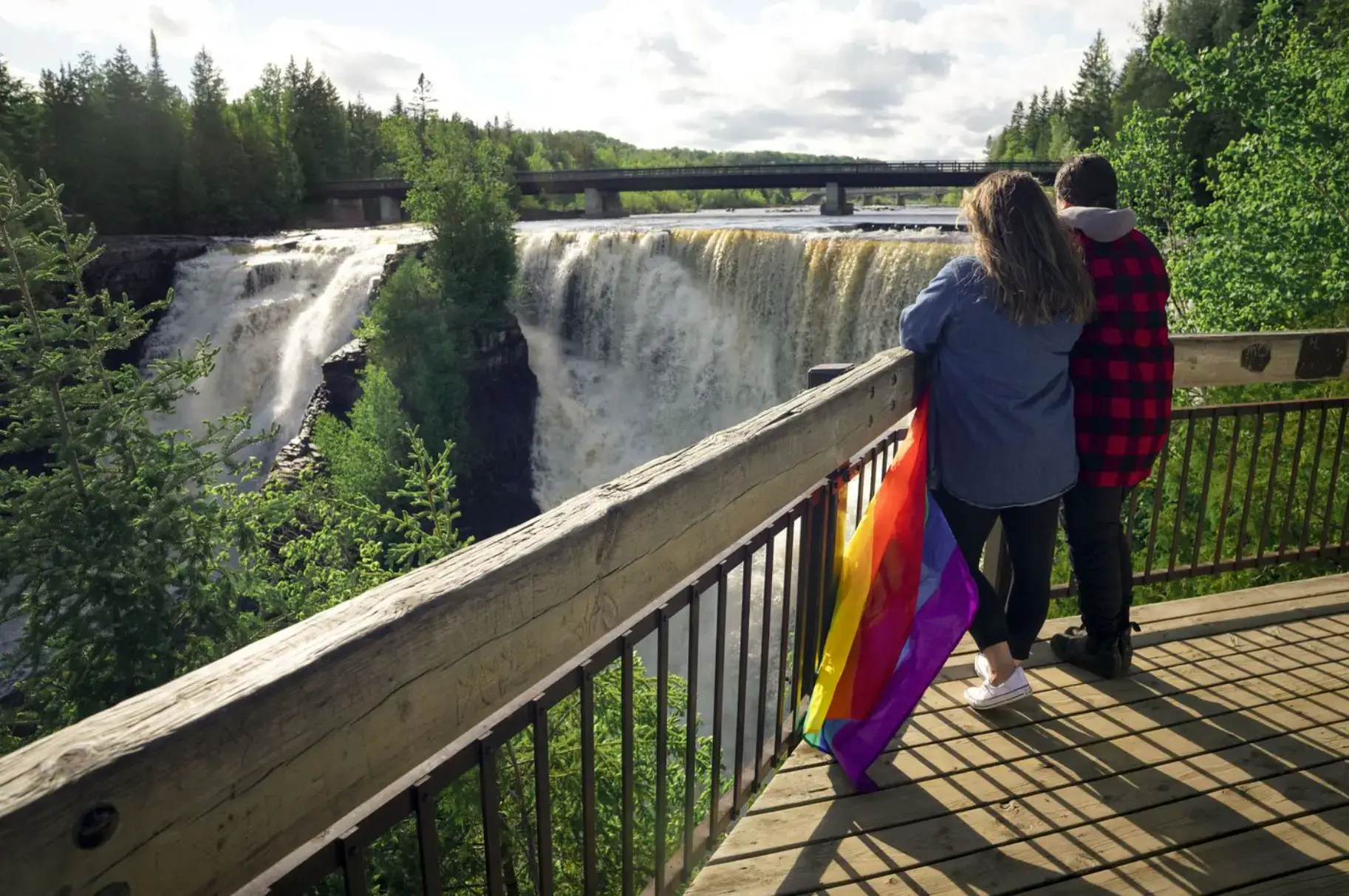
Thunder Bay, Ontario is making more room for travellers with different needs and identities
How close can a city come to removing the barriers that shape a visit? For many travellers, the answer starts before they reach the first attraction. It starts with practical questions about airport access, transportation and accessible washrooms, as well as knowing that the places you enter have considered people whose needs or identities may differ from the majority.
For someone planning a trip to Thunder Bay, Ontario much of that information is available before leaving home.
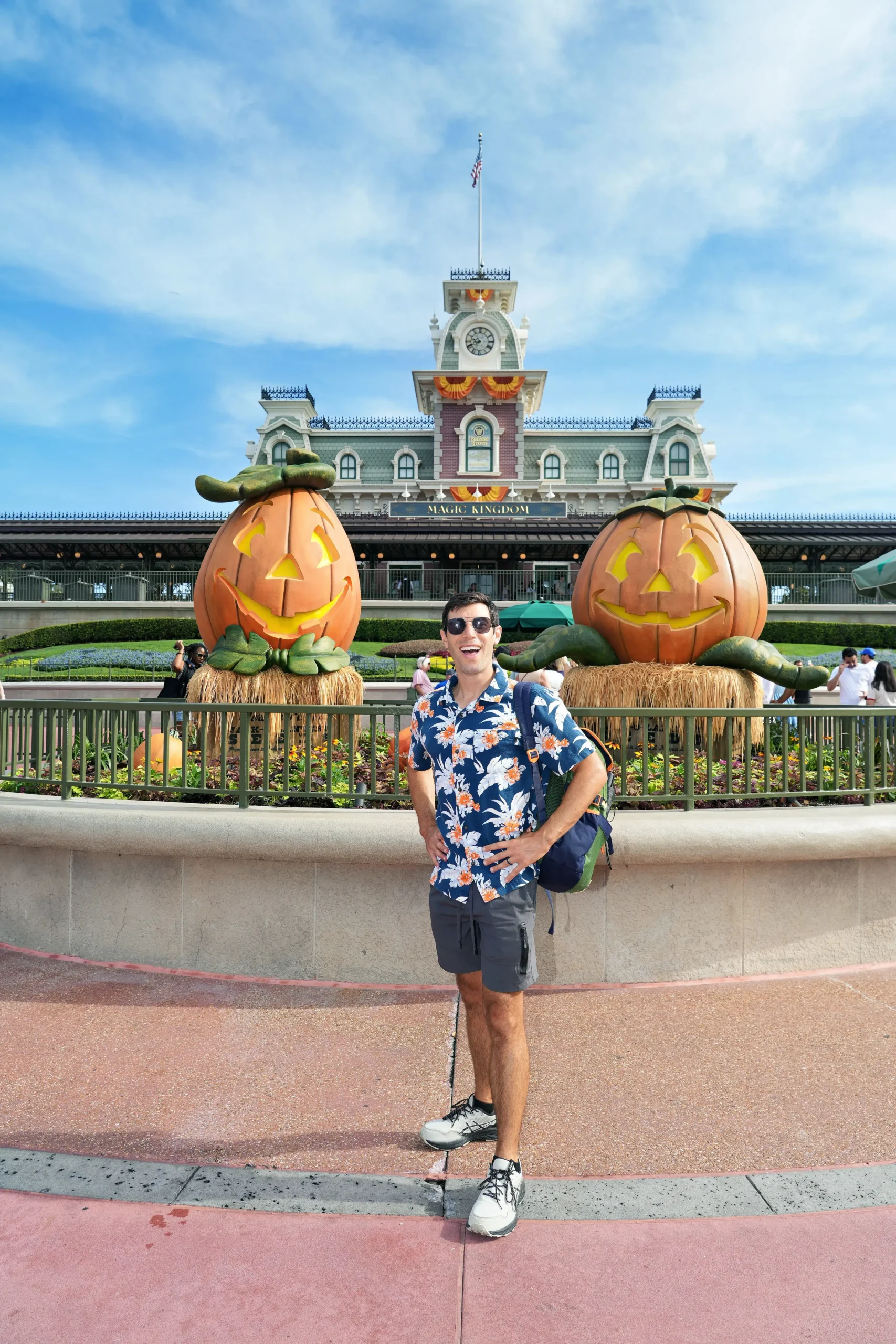
Where to stay and what to savour this fall
By John Alberts
Red, orange, and golden leaves burst into gorgeous colors in cities across America. Hot apple cider donuts and the scent of cinnamon, nutmeg and clove comfort our senses, along with the familiar embrace of a plaid long sleeve and blanket, resting on a hay bale along the pumpkin patch. Autumn offers exceptional travel circumstances; comfortable weather conditions, food festivals, and scenic drives with sweeping views of fall colors in their brightest glory. And accessible options abound in tourist hotspots like Stowe, Asheville, Aspen, Hudson Valley and even Orlando.
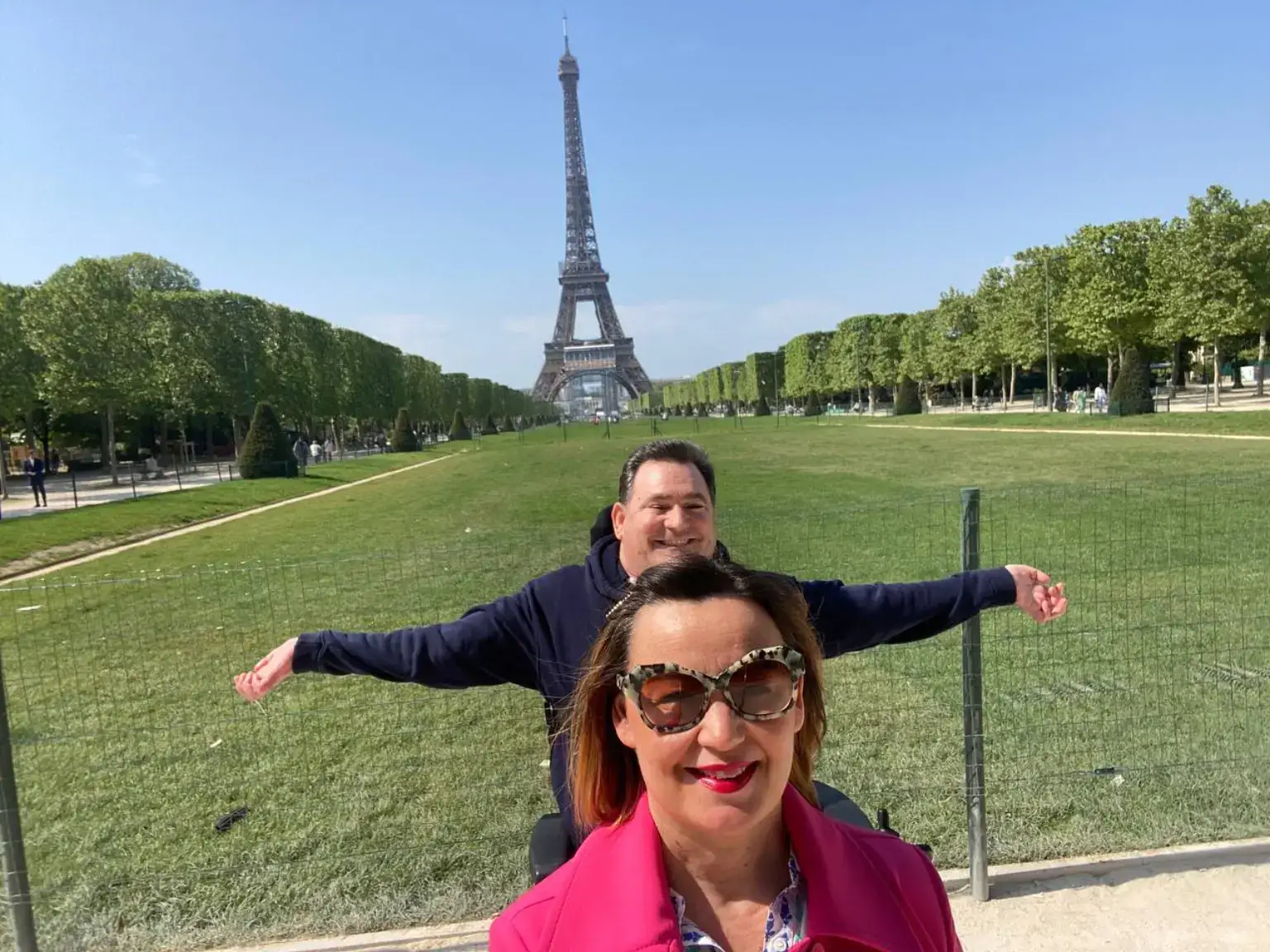
A city is only as accessible as its weakest link
By Massimo Lorusso
When most people plan a trip, the first question is usually where they want to go.
For me, the destination is only one part of the decision.
I have used a power wheelchair for almost four decades, since a dive into the sea at Rimini when I was seventeen radically changed my physical condition. Since then, travelling has remained an important part of my life. I have visited cities, crossed borders, taken trains, stayed in hotels and collected thousands of photographs along the way.
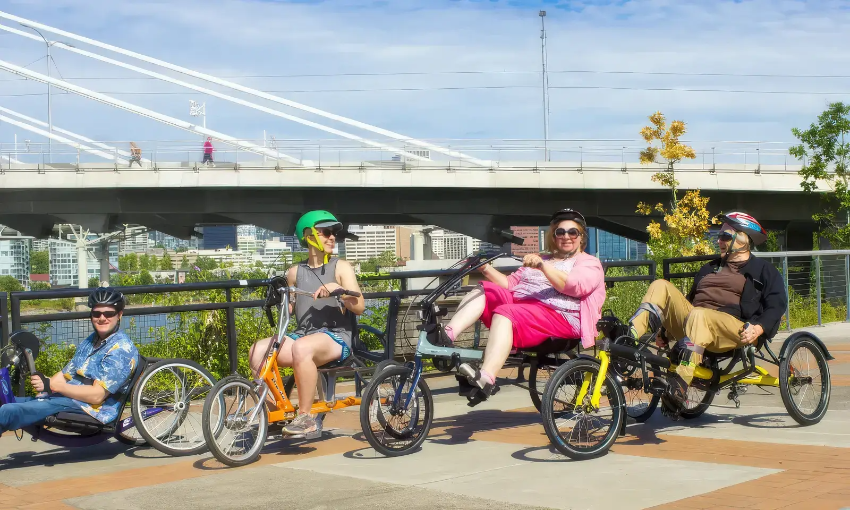
Accessible Travel Americas plans journeys around individual needs
For many disabled travellers, deciding where to go is only one part of planning a trip. The details that follow can determine how comfortably and confidently that journey unfolds, from accessible transportation and accommodation to communication support and the ability to share experiences with family and friends. Accessible Travel Americas for All focuses on addressing those practical details before the journey begins.
Rather than taking a conventional itinerary and adapting it after the fact, the company develops trips around the traveller’s mobility, communication, assistance and pacing requirements.
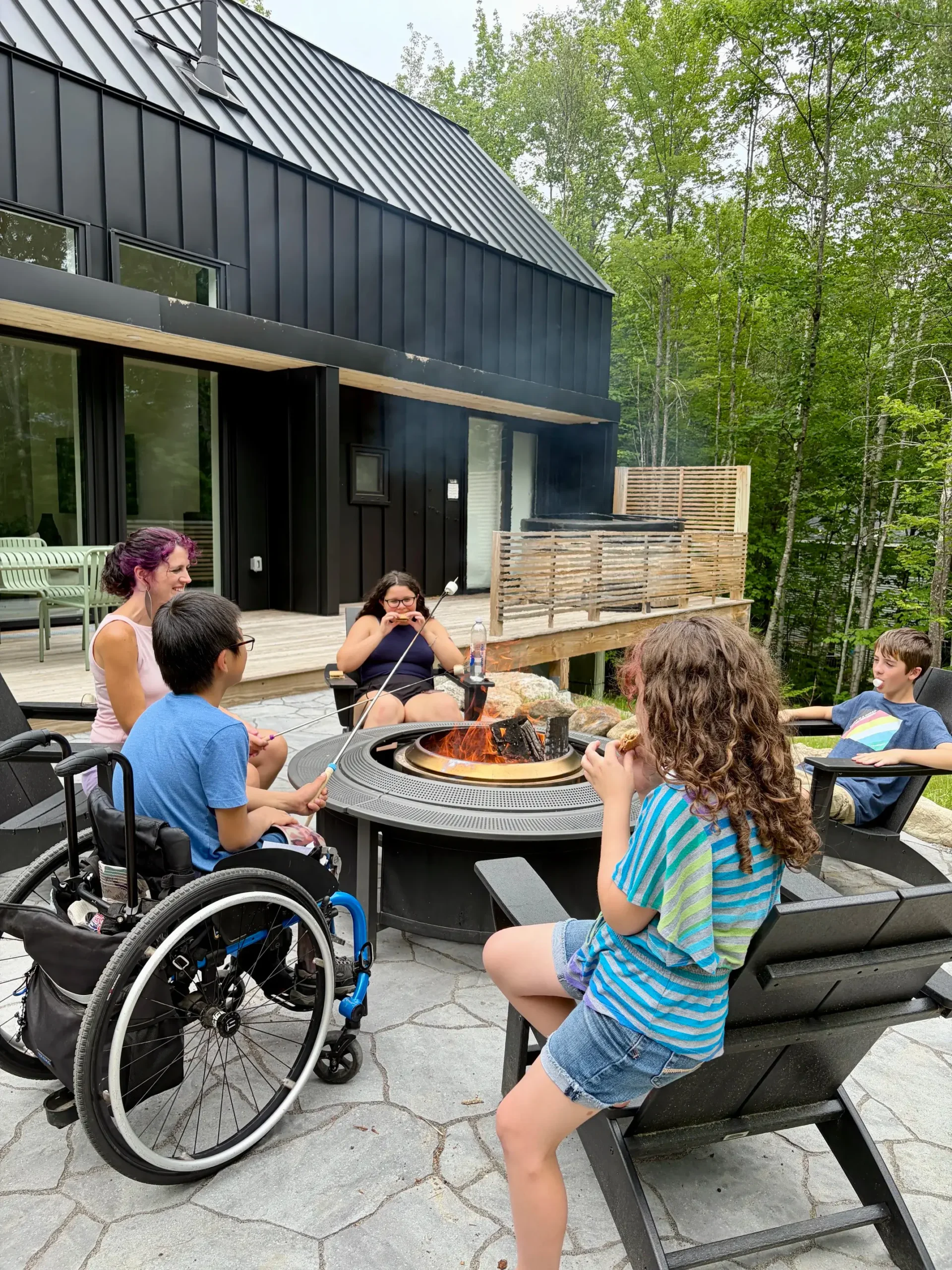
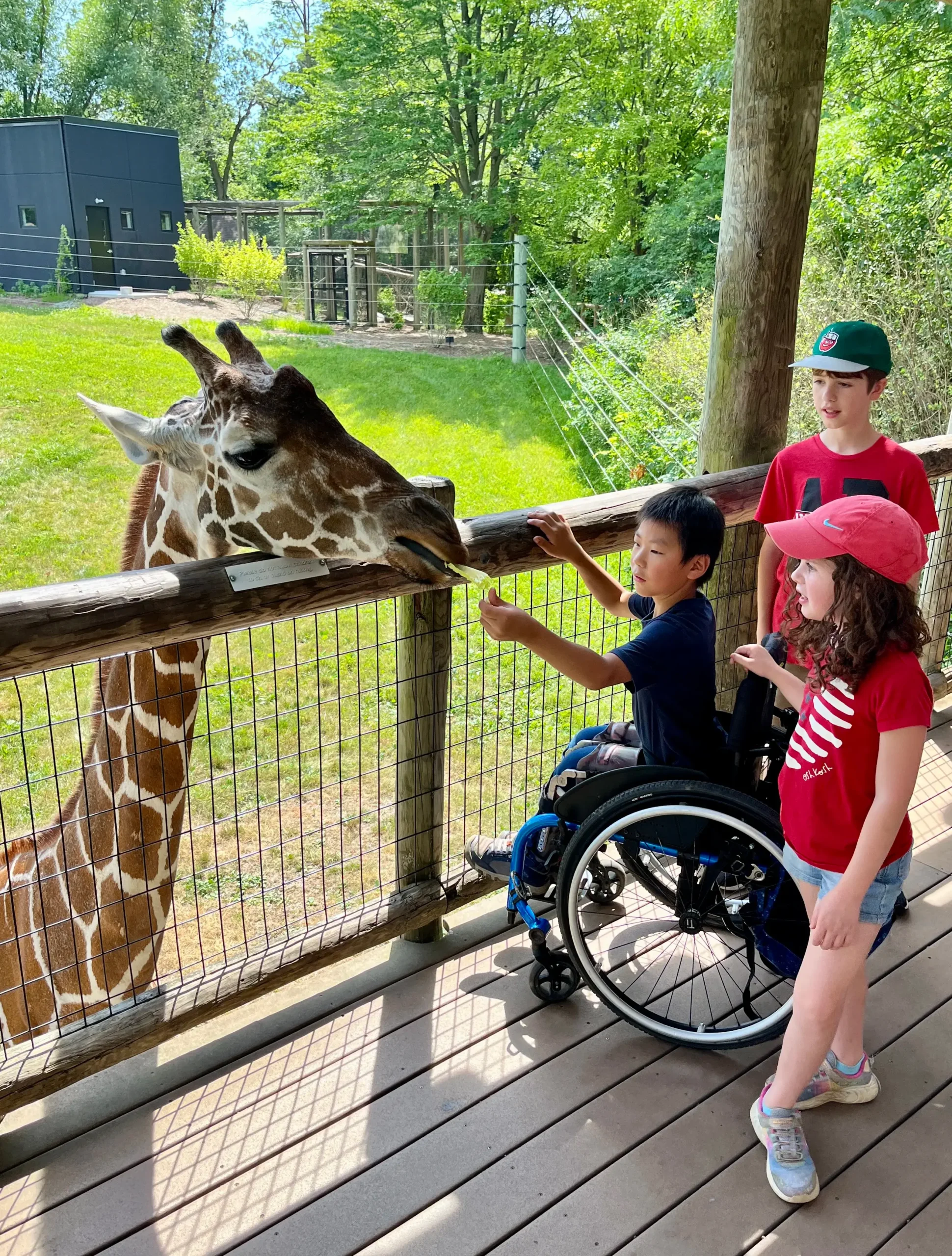
Family Fun, No Limits
The intersection of accessibility and sustainability
By Jennifer Allen and Tiffany Lund
Sustainable: able to be maintained or continued over a long time without exhausting natural resources or causing severe damage to the environment. Cambridge Dictionary.
Truthfully, sustainability is a beautiful thing that I’ve always wanted to support, but when it comes down to booking it’s rarely practical with accessibility needs. I don’t filter my travel searches by sustainability: I filter for our accessibility needs.
The country mouse’s guide to accessible city travel
This winter was a season of caring for family needs. This provides me with the unique gift of time. Instead of rushing to share all that we’ve done, I’d like to use this issue to take a step back and share some of our absolute favorites. These are destinations where welcome is woven into every experience and accessibility will never have to cross your mind because inclusive design has made you limitless.
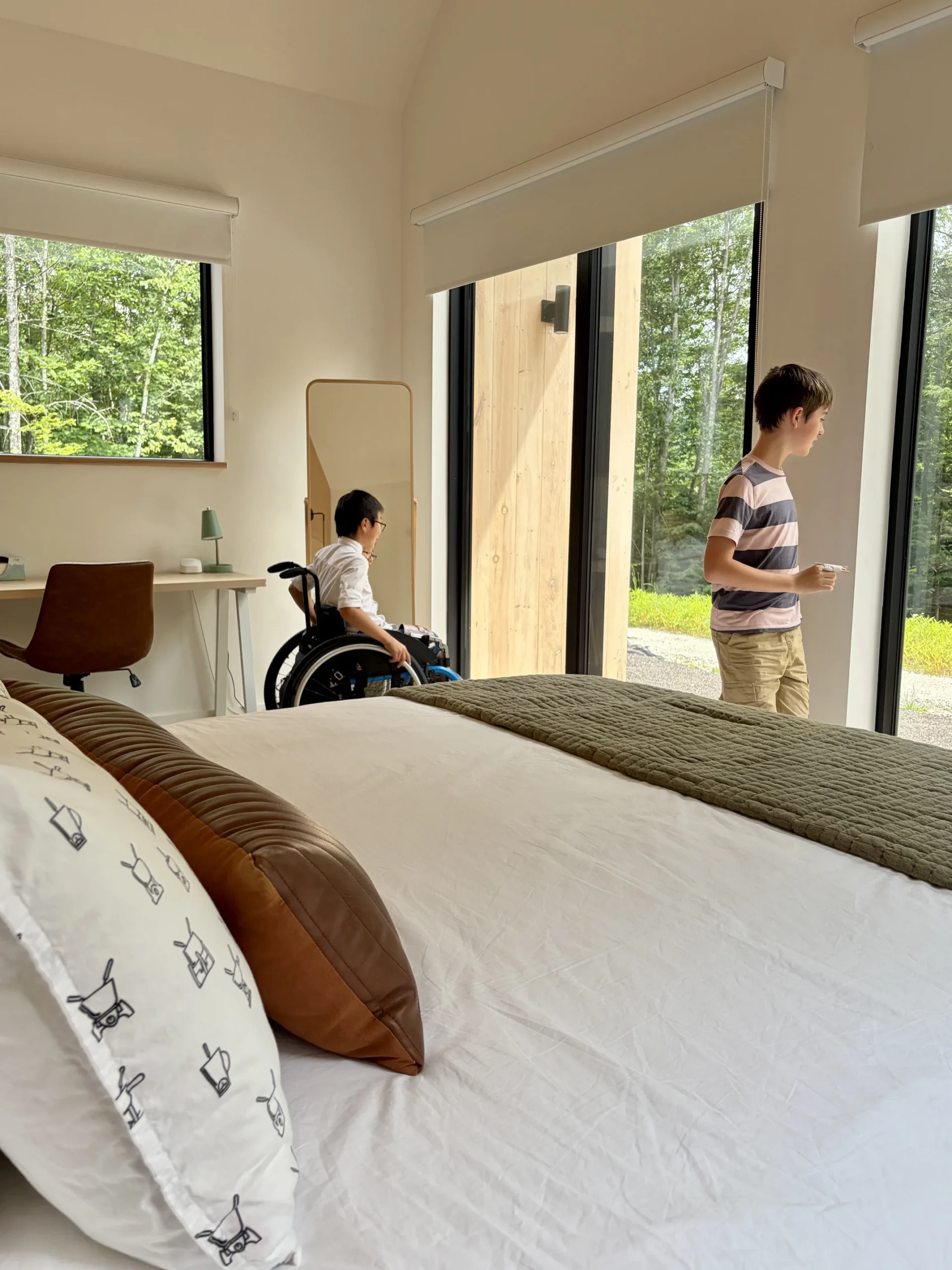
Better together – disability parent Q&A
Q: What happens when things go wrong (delays, meltdowns, inaccessible service)?
A: I noticed the question was worded as “when,” not “if,” because in real life it’s inevitable that something will go wrong. I’m not sure if our roles as disability parents make us more flexible, knowing that we need to hold each day with open hands, or if our need for control, and so little ability to have any, makes us that much more anxious to clench our fists and hold on. Regardless, the only way to enjoy life is to let go of whatever remaining control you think you have.
Guide Dog Journeys
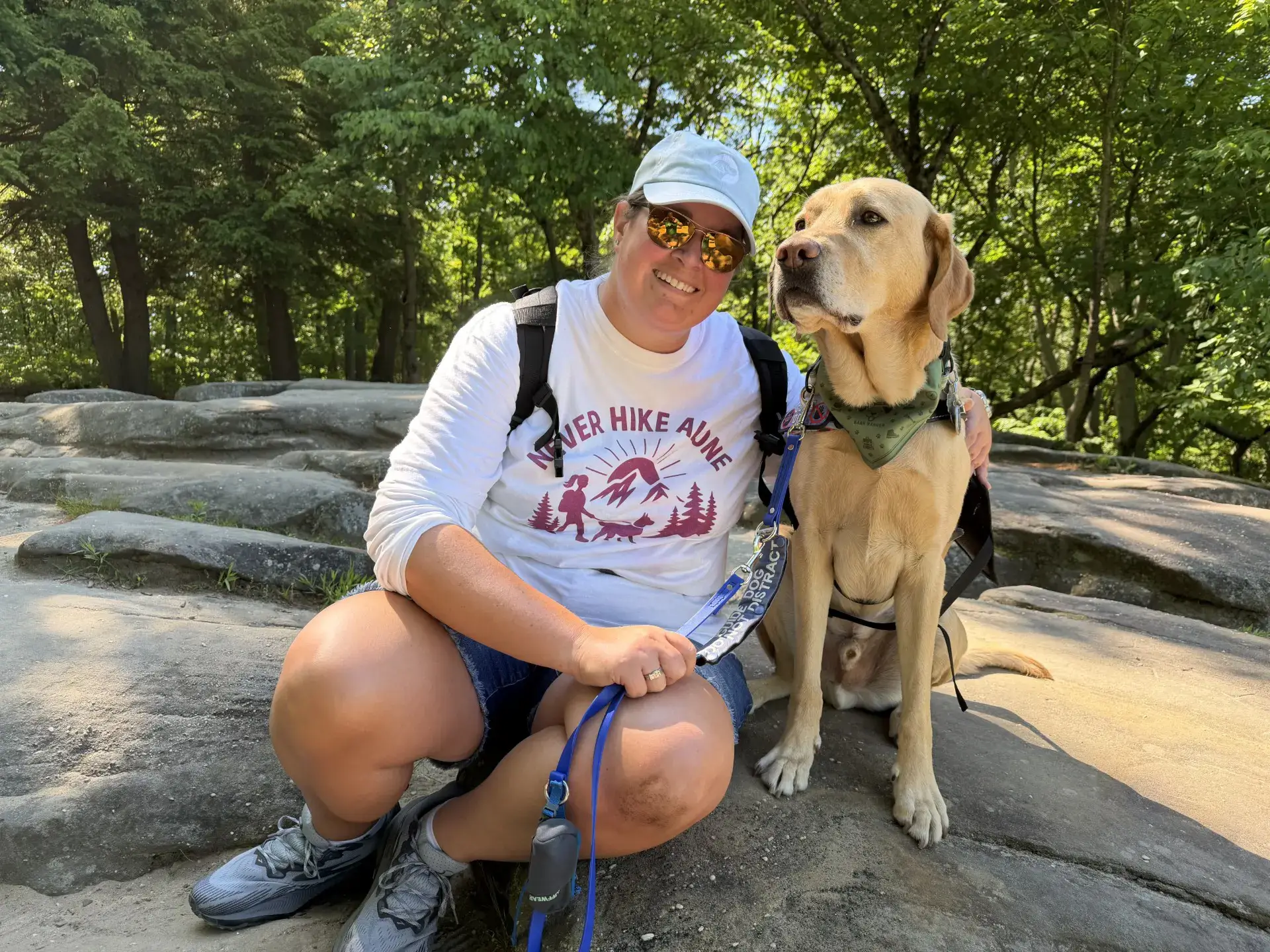
How my guide dog became my favourite travel partner
I used to keep my head down when I walked. My eyes stayed glued to the ground, scanning for obstacles and uneven surfaces. What if I miss a curb? What if I don’t see an overhanging branch? Every step felt like a gamble.
Living with Achromatopsia, a rare eye disorder, makes me colorblind, sensitive to light, and have no depth perception, making even the smallest level change a danger if I miss it. In the sunlight, I struggle to identify faces.
The Neurodivergent Jetsetter
Experiencing travel through a neurodivergent lens.
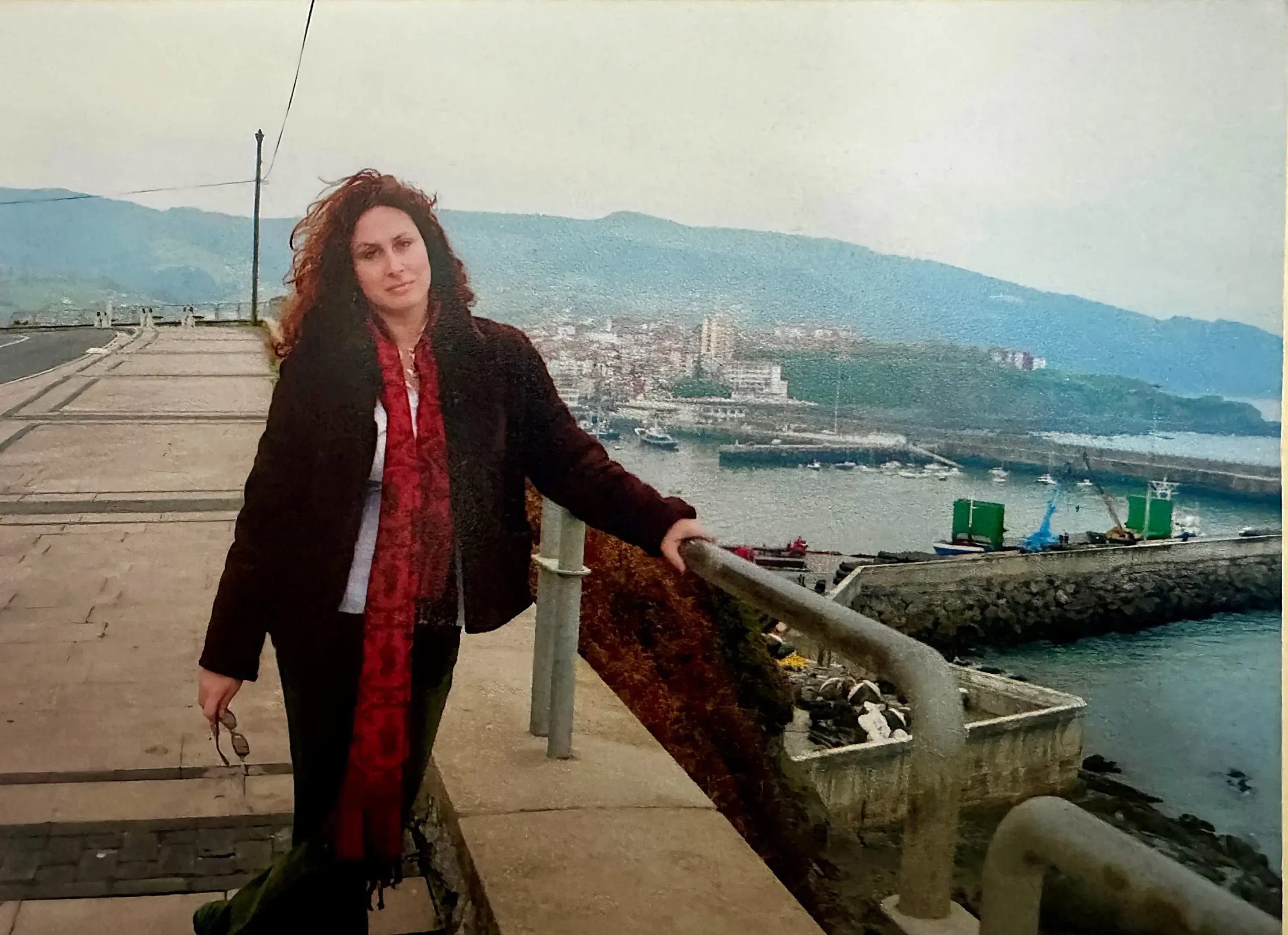
The Neurodivergent Jetsetter
By Elyse Glickman
“You’ve become such an accomplished traveler.”
My mom would often say this at the end of our phone calls following my travel writing assignments. She would next ask what my “best bite” was. From there, we would laugh over unexpected travel inconveniences and compare our thoughts on different museums, attractions, restaurants, and interesting locals and travel companions.
Inclusive Travel
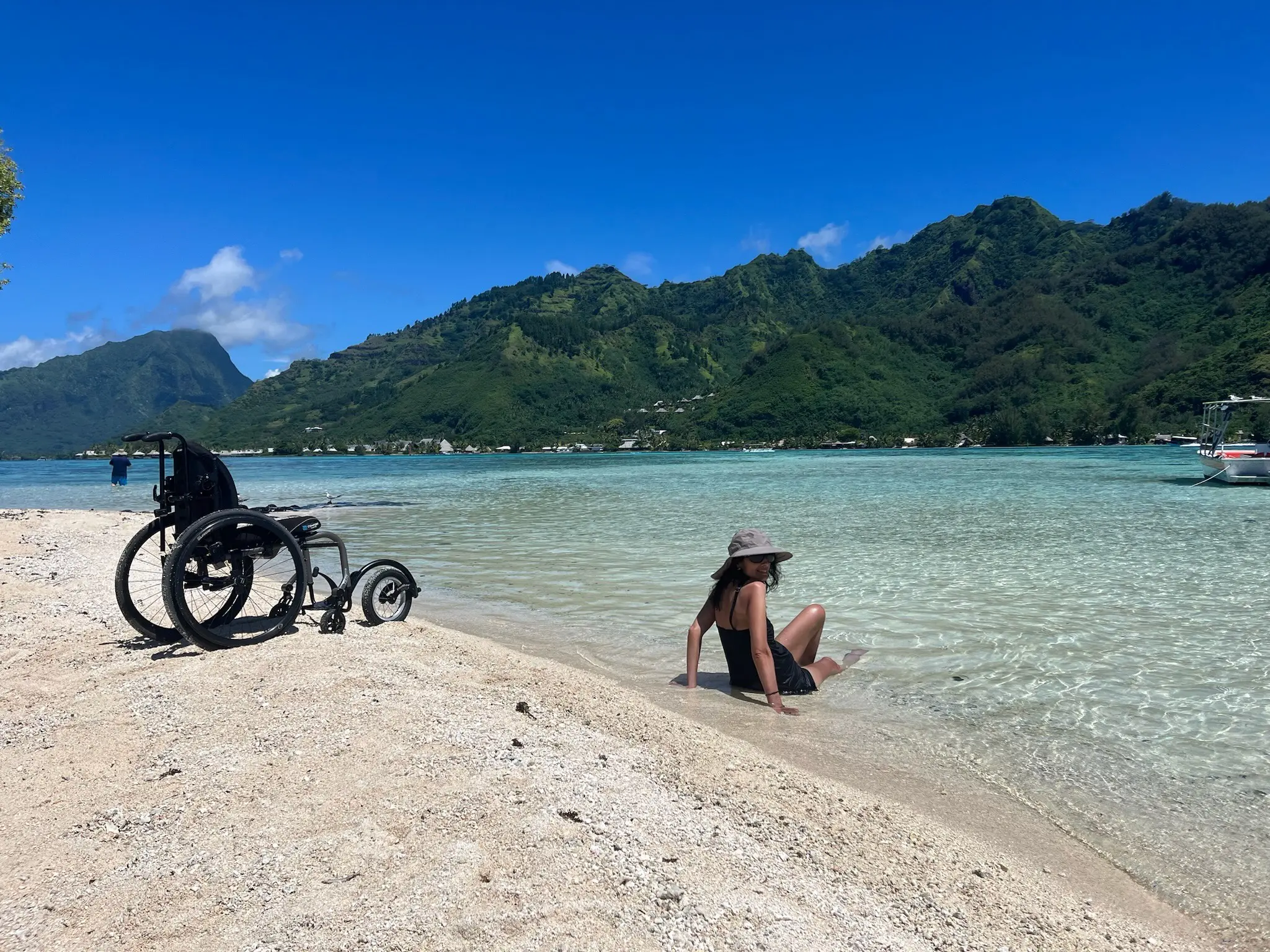
The power of the ocean
By Jan Bonville
Established in 2018, Tainui Atea is the name given to the Managed Marine Area covering nearly the entirety of French Polynesia’s Exclusive Economic Zone — almost 5 million km² of ocean placed under protection. In 2025, on the occasion of the third United Nations Ocean Conference (UNOC 2025), the area reached a major milestone: Tainui Atea was officially designated a Marine Protected Area, the largest ever created on a global scale.
Senior Travel
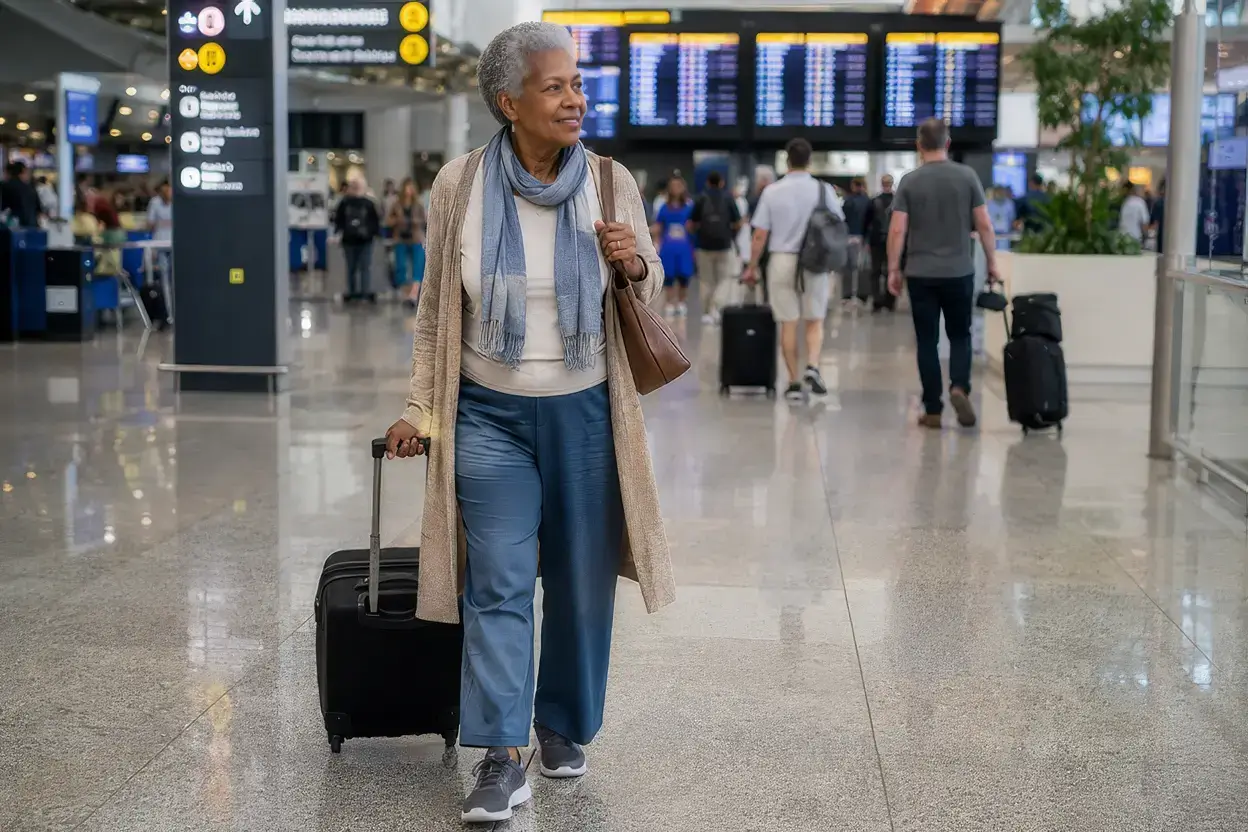
Travel after 50: How to adapt as you age (without giving it up)
By Mary R. Johnson
You may not travel the way you once did—and that doesn’t mean you have to stop.
There was a time when I didn’t give much thought to how far I had to walk through an airport. I could carry multiple pieces of luggage, hurry up a flight of stairs, squeeze into an economy seat and sit there for hours without thinking about how my body would feel afterward. Most of my flights were shorter then—four to six hours at the longest.
Today, I travel farther than I did when I was younger. I’ve built a life abroad and taken international flights that younger me never experienced.
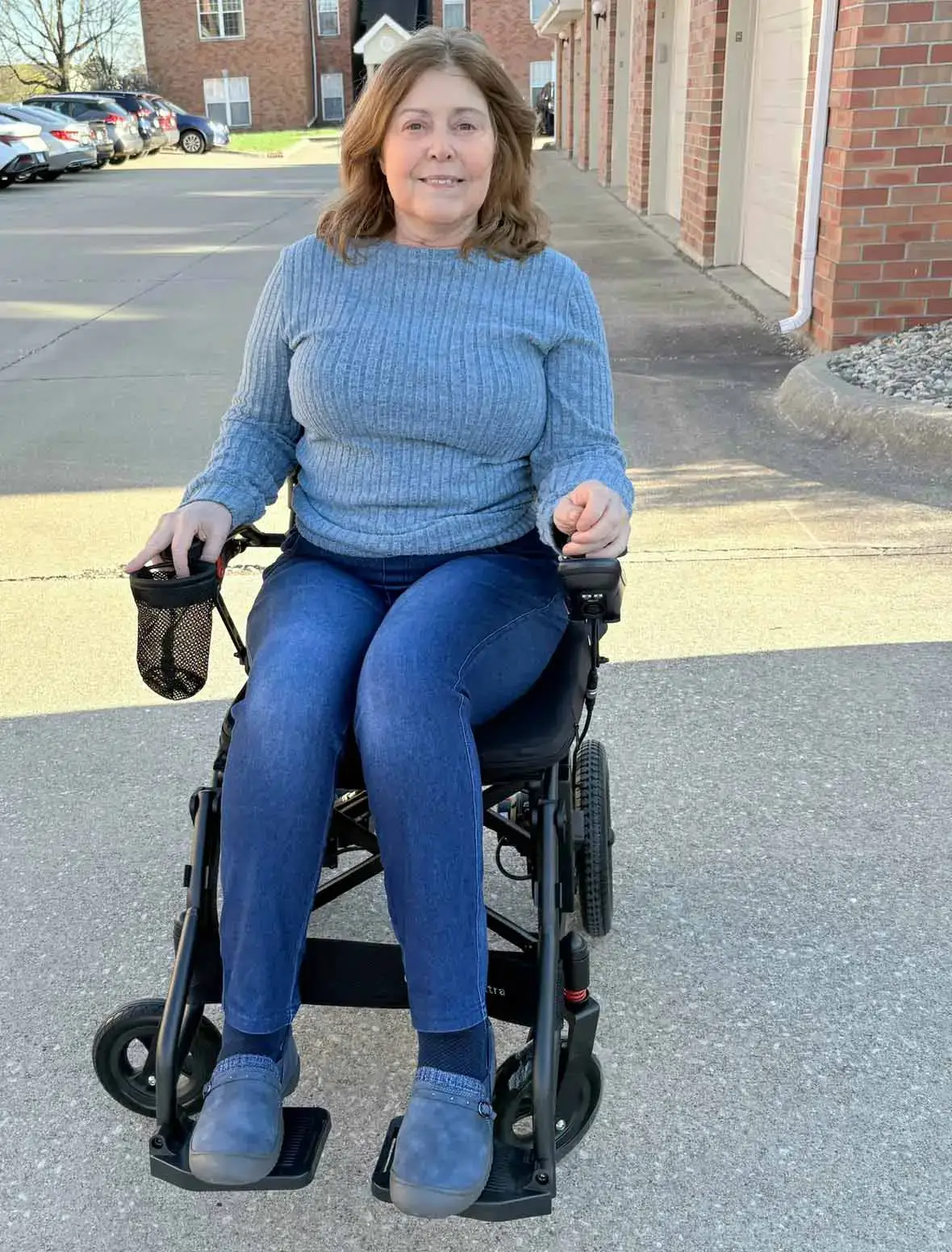
My latest finds for making travel as a disabled senior easier
By Marcia Frost
This year, I went on my first overseas trip since I became a full time wheelchair user. I went on a hunt for things that would make it easier and I found these.
1. OAS Mobility Air Ultra
I will confess that I didn’t get this wheelchair for the Mediterranean. I was looking for something to use when I was places where I couldn’t get transportation for my 388 lb. power chair would fit in (this is 36 lbs.). I enjoyed using it occasionally, but then my regular chair broke and the OAS Air Ultra became my only chair for two months.
Impulse Travel is making more of Colombia possible for disabled travellers
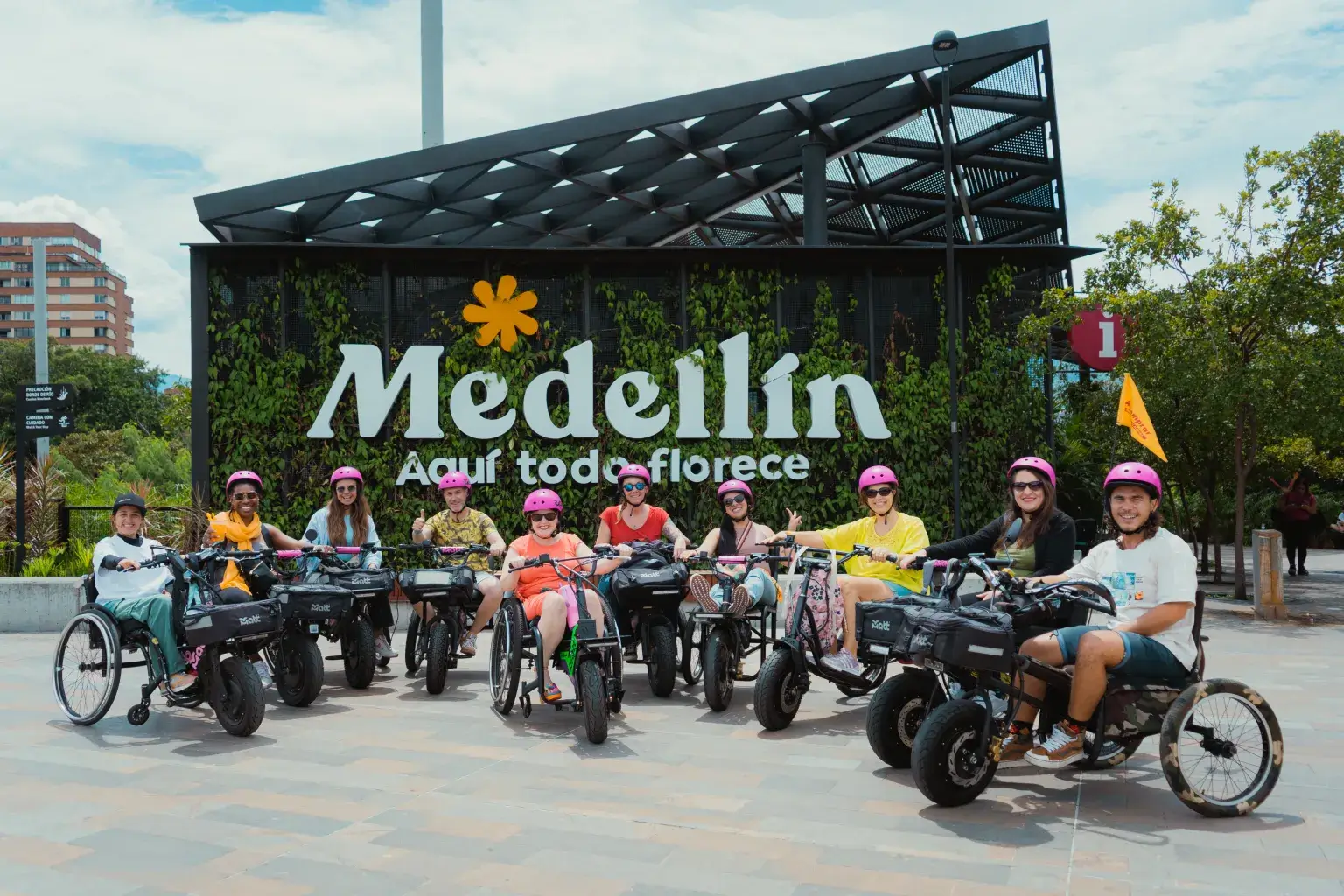
Q&A with Juliana Medina, co-owner and CEO of Impulse Travel, Columbia
For a disabled traveller considering Colombia for the first time, what experiences would you most want them to know are possible, and where would you encourage them to begin?
That Colombia is open to them, beyond a short list of “accessible sights.” With the right planning, travellers can cook with local families, spend a morning on a coffee farm, listen to live Caribbean music, take a boat out on the Caribbean Sea, or go birdwatching in one of the most bird-rich countries on earth.
Pride On the Move

The beach belongs to us, too
By Matthew Mederios
Fall is settling in. The days are getting shorter, the rain is starting to fall, and for many of us, sandals and beach towels are slowly being replaced by jackets and umbrellas. Which, naturally, means it is the perfect time to start thinking about the beach.
Hear me out.
If 2027 travel is already creeping into your thoughts, now is the time to start dreaming, researching and planning. And for travellers who are both disabled and part of the 2SLGBTQIA+ community, choosing that perfect stretch of sand can involve a little more research than simply finding turquoise water and a beautiful sunset.
Bloggers, Vloggers and Instagrammers
We amplify the voices of content creators as they share their unique travel experiences online. Follow them along their journeys.